Newsletters


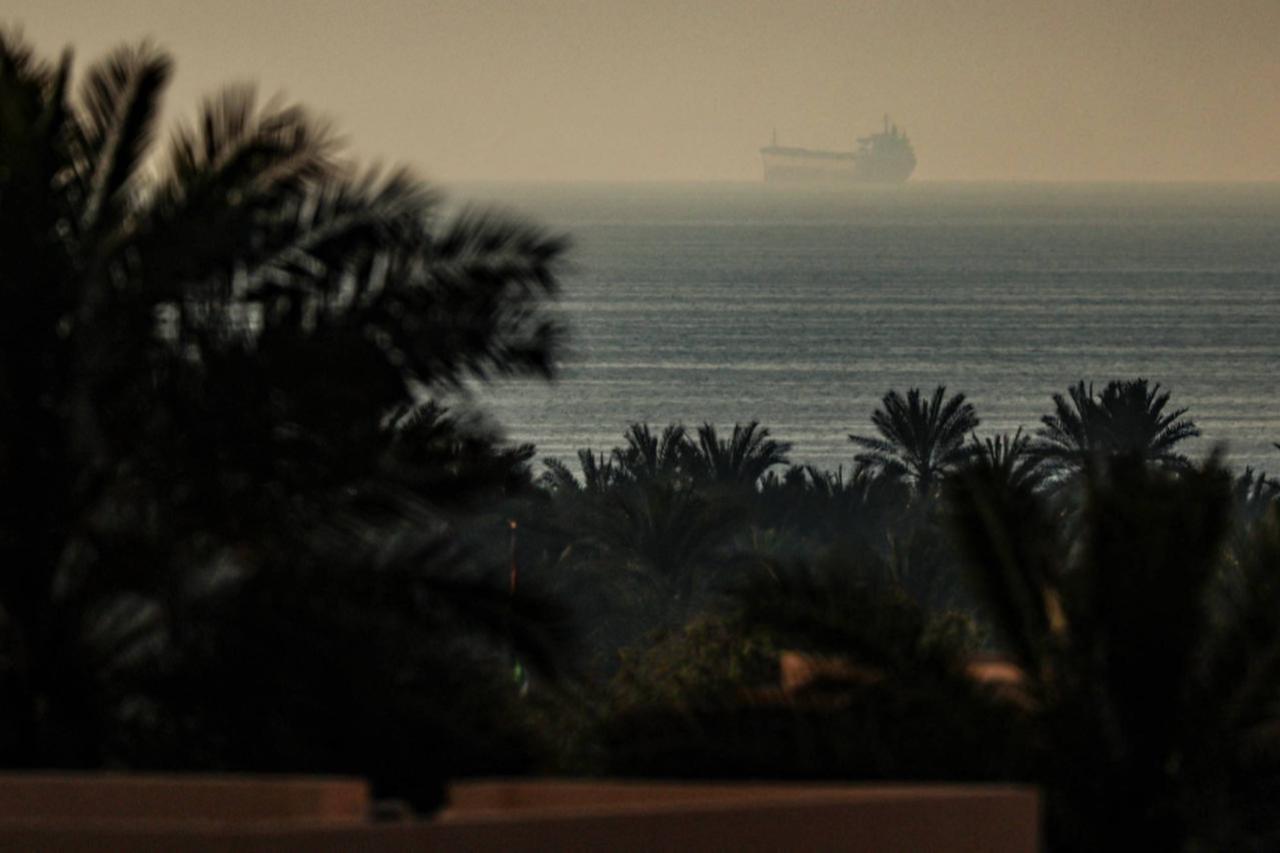


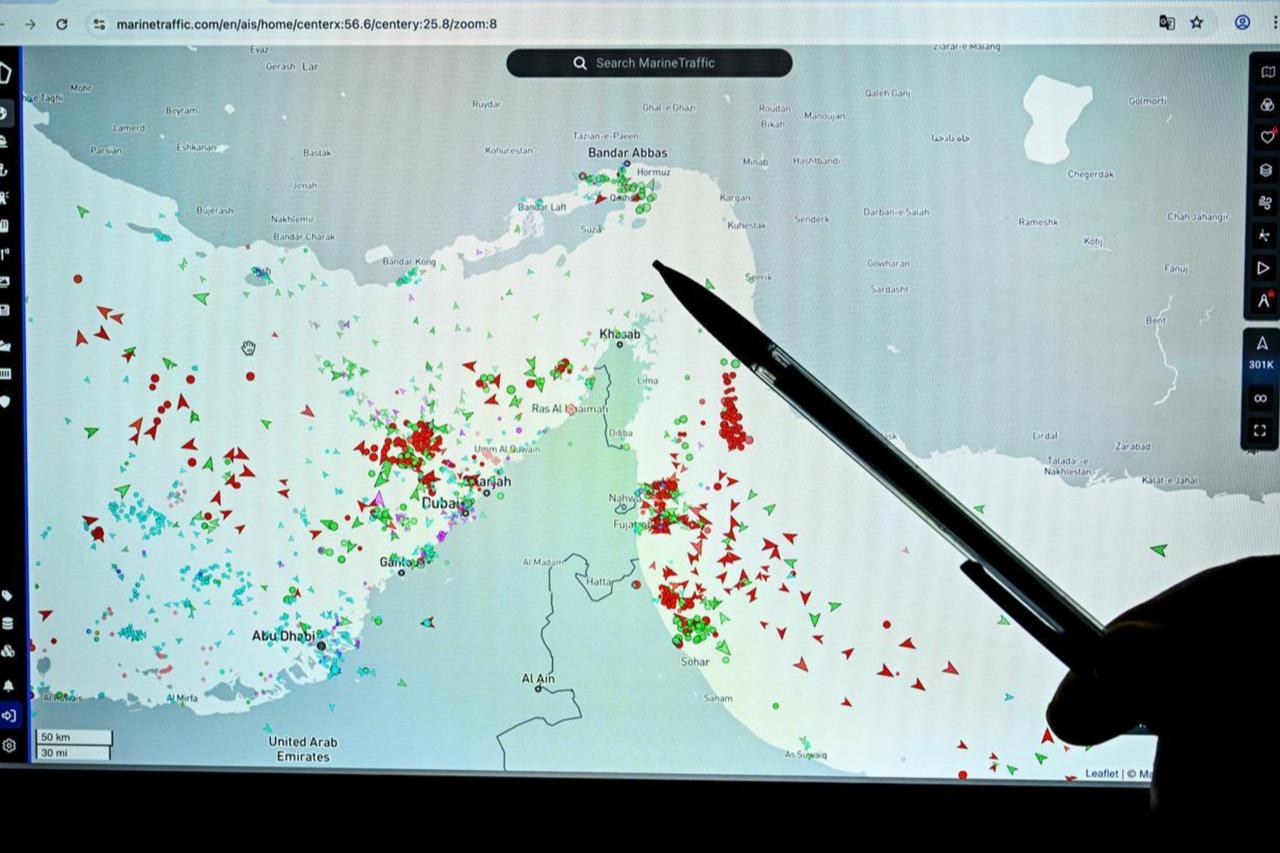
Iran has allowed Malaysian oil tankers to pass through the Strait of Hormuz on Thursday following diplomatic contacts with regional leaders, according to Malaysian Prime Minister Anwar Ibrahim.
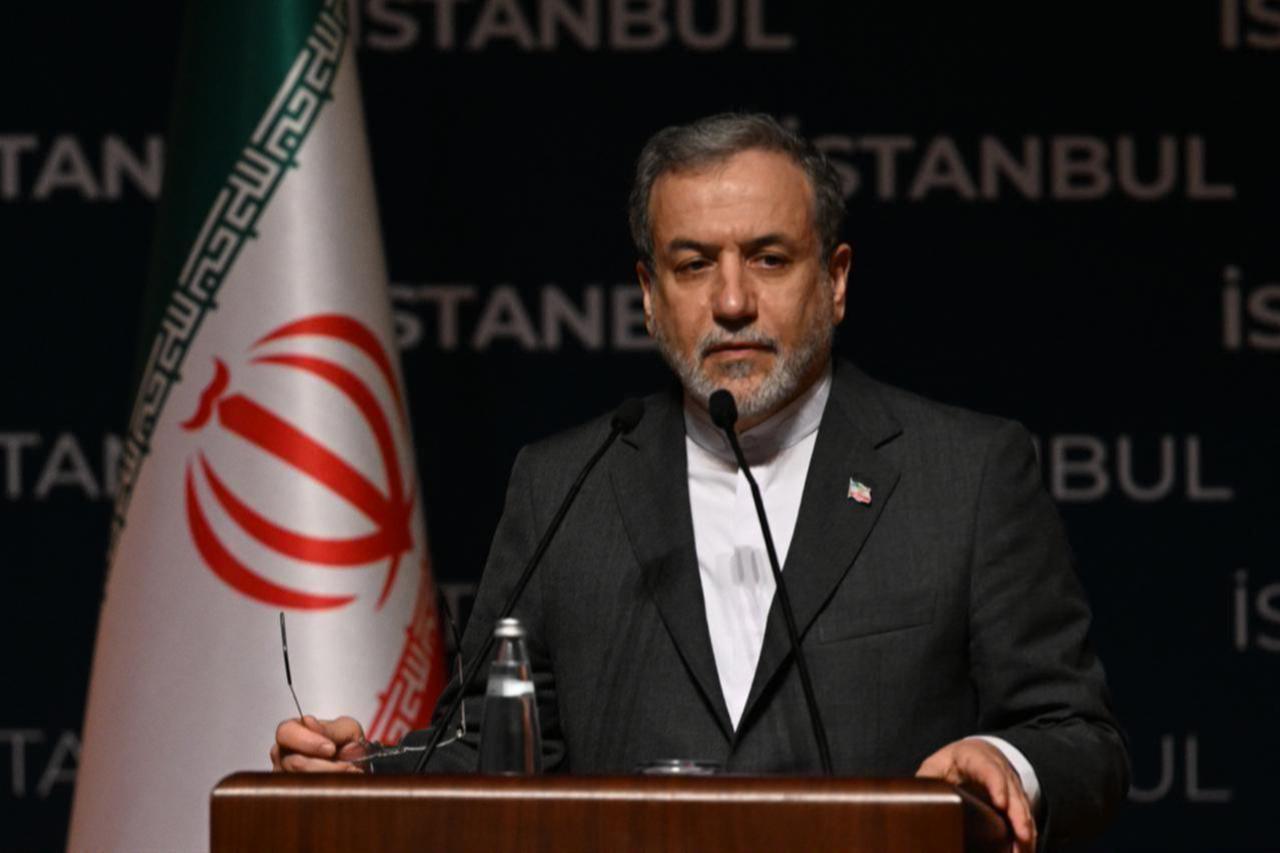
The Malaysian leader said the development came after discussions with Iranian President Masoud Pezeshkian, as well as leaders from Türkiye, Egypt and other Gulf countries.
Speaking on national television, the prime minister said Malaysian tankers and their crews are being allowed to continue their journey.
“We're now in the process of releasing the Malaysian oil tankers and the workers involved so that they can continue their journey home,” he said, thanking Pezeshkian.
He explained that the discussions involved multiple regional actors, including Türkiye and Egypt, alongside Iran.
Anwar asserted that Malaysia is in a relatively strong position thanks to its domestic energy production, highlighting that the national oil company, Petronas, produced around 2 million barrels of oil per day last year.
However, he warned that disruptions would still affect essential supplies.
“Food supplies will be disrupted and prices will certainly rise,” Anwar said, adding that fertilizer, oil and gas would also be impacted.
Anwar announced new measures to address potential shortages and prevent misuse of subsidized fuel.
These include reducing the quota of subsidized fuel available to Malaysian citizens and introducing limits on diesel purchases in the eastern states of Sabah and Sarawak.
The steps aim at curbing hoarding and smuggling of subsidized fuel, he said.


 Set as preferred source
 Set as preferred source


 1 min read
 1 min read