Newsletters


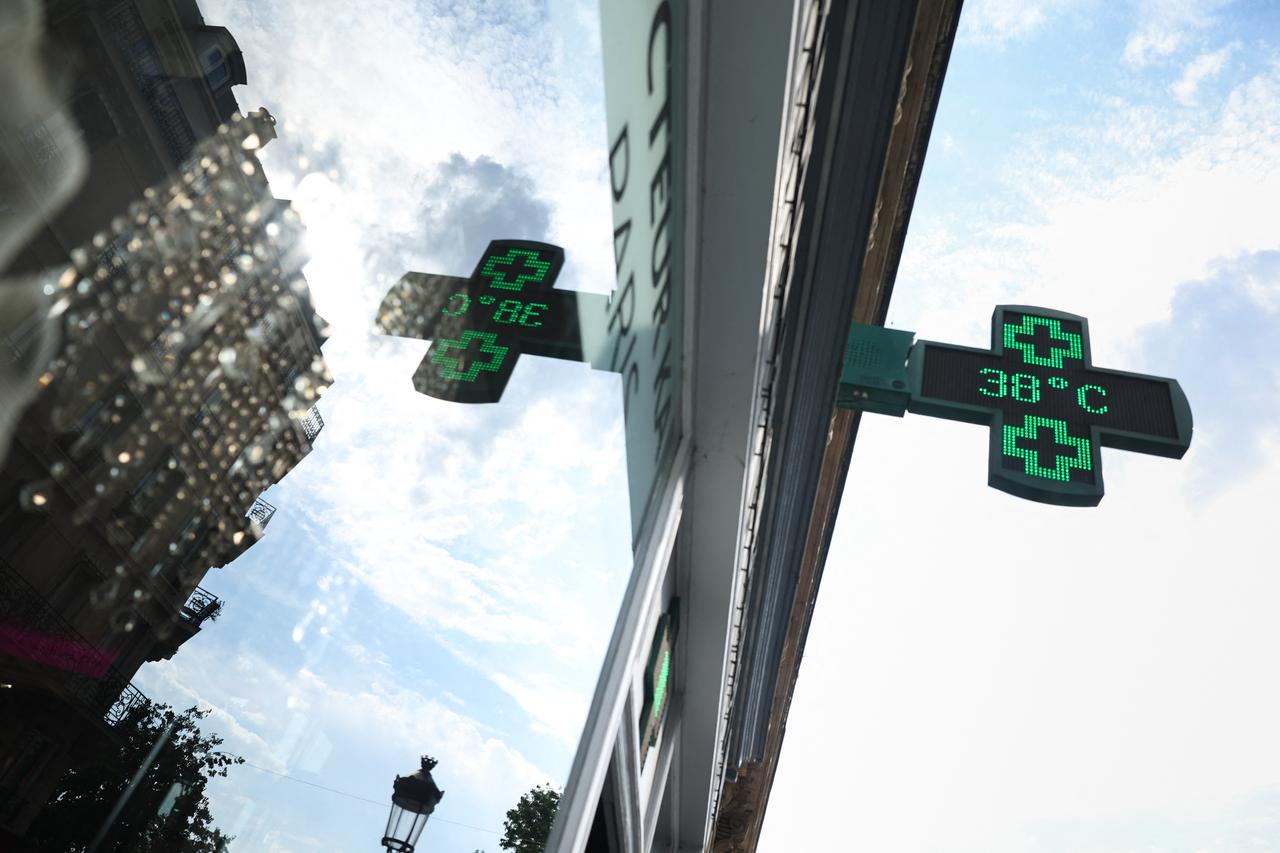


A severe heatwave swept across France on Thursday, forcing schools to suspend classes, canceling dozens of trains, and causing the death of a 30-year-old man on a running track near Paris.
Although astronomical summer does not begin until Sunday, this marks France's second heatwave of 2026. It follows an unusually hot spell in May that shattered temperature records across half the country.
Firefighters reported that the man died on Thursday morning on an athletics track in the northern Paris suburb of Ermont. Emergency crews found him in cardiac arrest, and all attempts to resuscitate him failed.
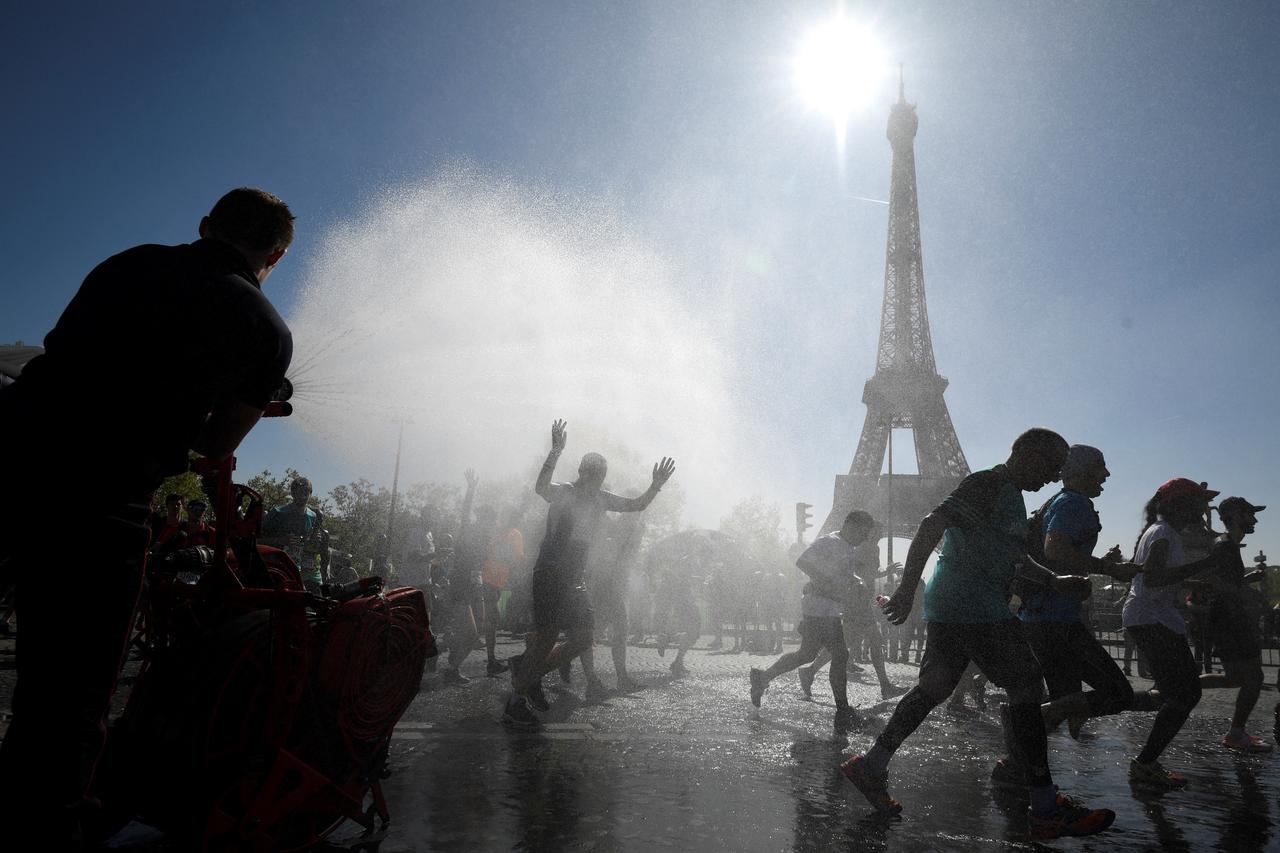

A fourth of the country, including Paris, was placed on orange alert, the second-highest, with authorities urging residents to be "very cautious."
The national weather agency Meteo-France said the heatwave would be "widespread, long-lasting and intense."
It is expected to last into next week, peaking on Sunday or Monday, when temperatures could reach up to 40 degrees Celsius (104 degrees Fahrenheit) in several regions, including the French capital.
Sunday's summer solstice, the longest day of the year, will reinforce the rise in temperatures with extended hours of sunshine.
Mayors across the country weighed whether to suspend classes, as many school buildings remain poorly equipped to handle extreme heat.
According to academic authorities, labor unions, and documents reviewed by Agence France-Presse (AFP), numerous schools announced adjustments to their schedules starting Thursday afternoon. In Paris alone, around 10 middle schools modified their hours for Thursday and Friday.
In the Loire Valley town of Tours, Mayor Emmanuel Denis stated he would not hesitate to shut down the municipality's 58 educational institutions if temperatures climbed too high.
"At 40 degrees, I'll close the schools," Denis said.
The strategy mirrors measures taken during a June heatwave last year, which forced the closure of roughly 2,200 schools nationwide.
Transport networks also scaled back services to mitigate infrastructure risks. National rail operator SNCF canceled 71 long-distance trains between Thursday and Monday to prevent potential air-conditioning failures linked to the extreme temperatures.
Meanwhile, visitors to the capital reported mixed experiences. Some tourists complained about a lack of climate control in Parisian buildings, while others maintained they enjoyed the city despite the scorching weather.
Marry Emmanuel, a U.S. tourist from Arizona, said she was used to the heat but Paris for her was a "different kind of hot."
"It's very humid," said the 70-year-old.
Scientists warn that heatwaves in Europe are becoming more frequent as a result of climate change.


 Set as preferred source
 Set as preferred source



 3 min read