Newsletters


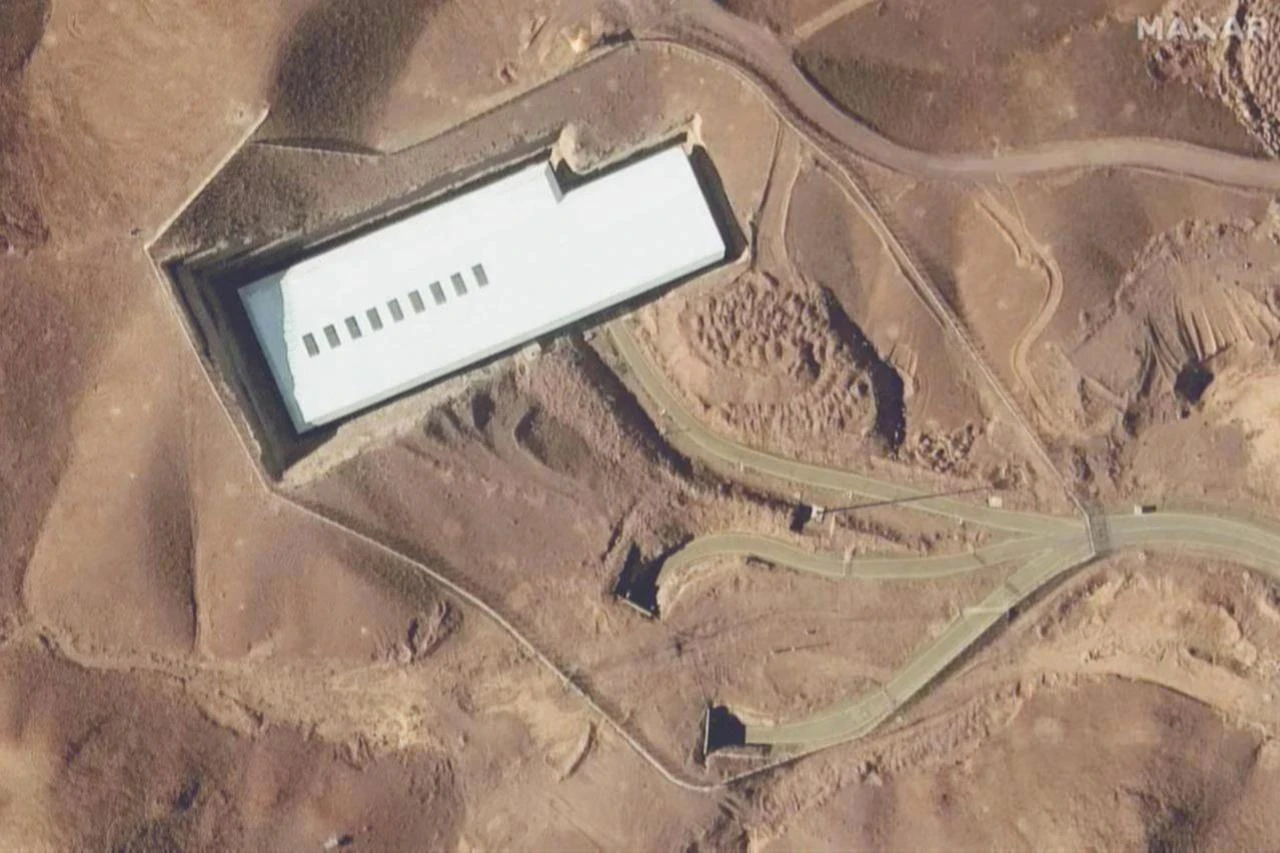


Former Mossad chief Yossi Cohen said Israeli intelligence had "toured" Iran's underground Fordow nuclear facility many times to better understand the site before it was struck by the U.S. during the 12-day Israel-Iran war in June 2025, Israeli media reported Tuesday.
"We toured the Fordow nuclear site many times to understand the site," Cohen, who led Mossad from 2015 to 2021, said at the Galilee Conference.
He did not say when the visits took place or who carried them out, leaving unclear whether Mossad operatives had physically entered the facility or whether he was referring to remote monitoring.
"Its bombing by the Americans was the fulfillment of all my dreams," Cohen said.
The U.S. military joined Israel during the June 2025 conflict and struck Iranian nuclear facilities at Fordow, Natanz and Isfahan.
Israel launched the war, saying it aimed to degrade Iran's nuclear and ballistic missile programs, which it described as an existential threat.

Cohen also addressed concerns about Iran's nuclear capabilities, saying that "uranium enriched to 60% is still far from a bomb."
Iran has repeatedly denied seeking to develop a nuclear weapon.
Iran's nuclear program remains a major source of tensions with Western countries and has also featured in negotiations aimed at ending the current war launched by Israel and the U.S. against Iran in February.
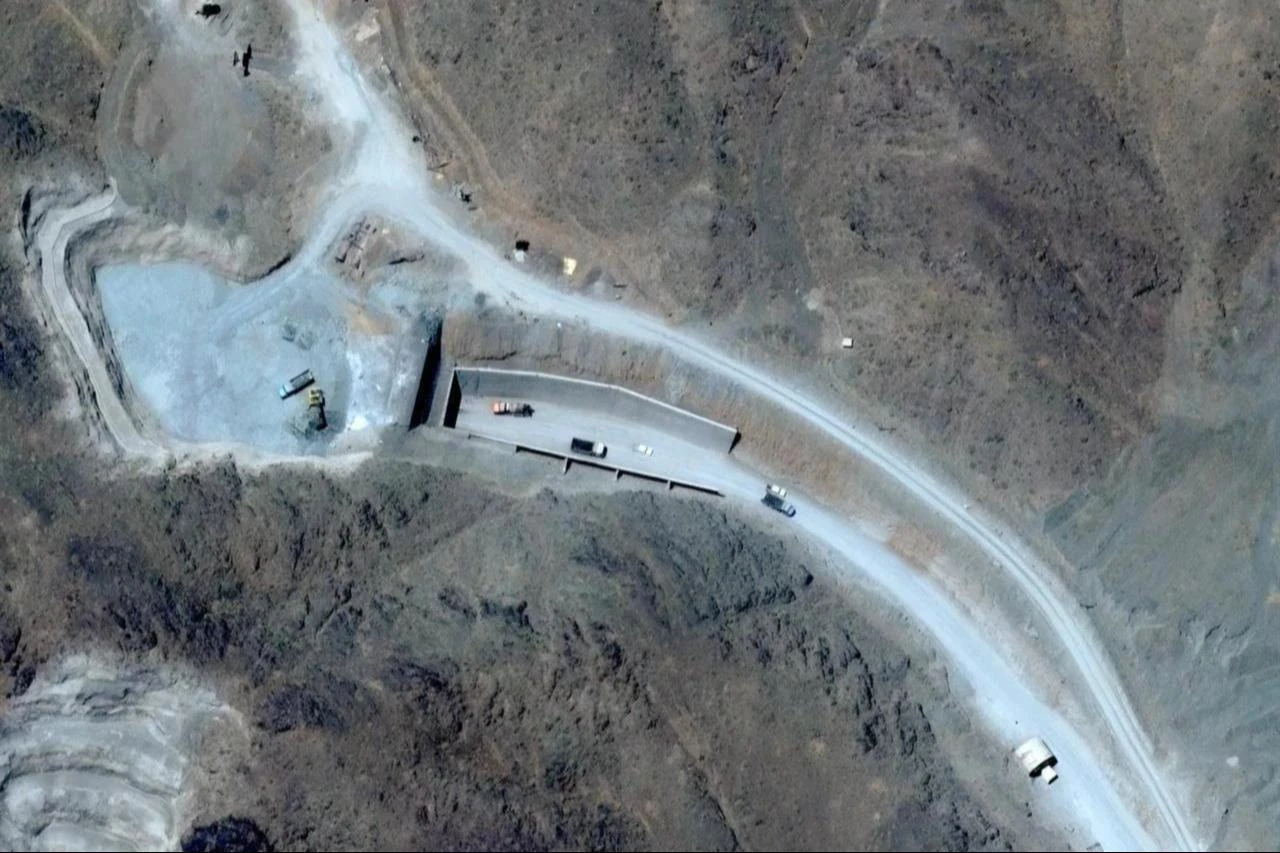
Reports have said that about 440 kilograms of highly enriched uranium stored at the nuclear facilities was buried following the 2025 strikes, while Israel believes Iran transferred some of the material to the Pickaxe Mountain site after the war.
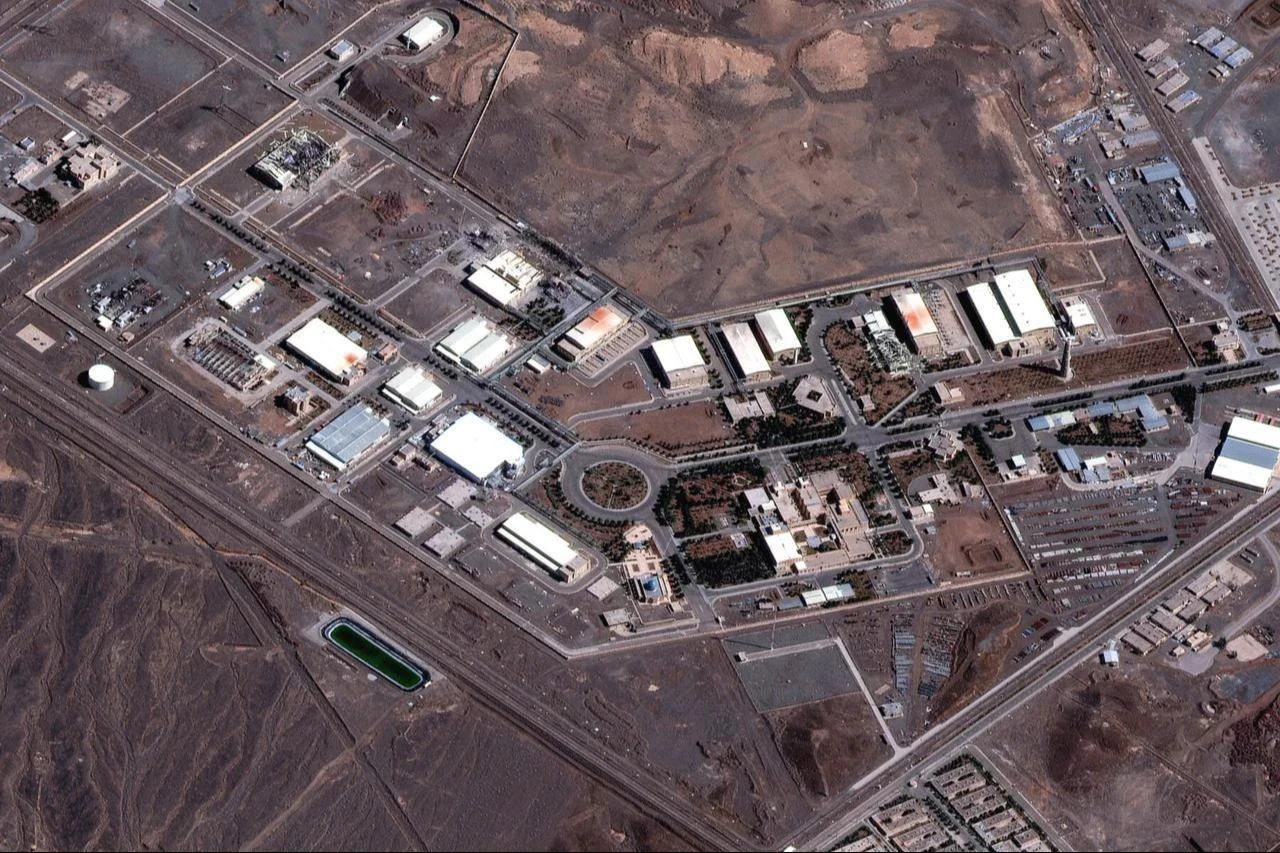
Fordow, an enrichment facility built beneath a mountainous area, was struck by U.S. forces during Operation Rising Lion.
Iran's Atomic Energy Organization said at the time that the damage was limited.
"Limited damage was caused to several areas at the Fordow enrichment site, and we had already removed a significant portion of the equipment and materials," Deputy Atomic Energy Organization chief and spokesperson Behrouz Kamalvandi said.
"Therefore, there was no extensive damage, and there are no concerns about contamination."
The Jerusalem Post reported that the Israeli military has capabilities that could cause cave-ins at the underground Fordow facility and said initial estimates known to the newspaper in March suggested the site could be destroyed.
The newspaper said some Israeli officials believed Fordow had been destroyed, while others urged caution until the extent of the damage could be confirmed.
Kamalvandi said the Natanz enrichment complex was damaged mainly in above-ground sections.
Because most of the facility is underground, he said there was only a small amount of leakage inside the complex and that it did not spread outside.
He also said minor damage was caused at the Isfahan nuclear complex and that there were no casualties at any of the nuclear facilities.
Where damage occurred, Kamalvandi said, "we will rebuild them in a much better way."
Assessments after Israeli attacks on Natanz and Isfahan during the 2025 war suggested Iran's nuclear program could be set back by anywhere from six months to two years or more.
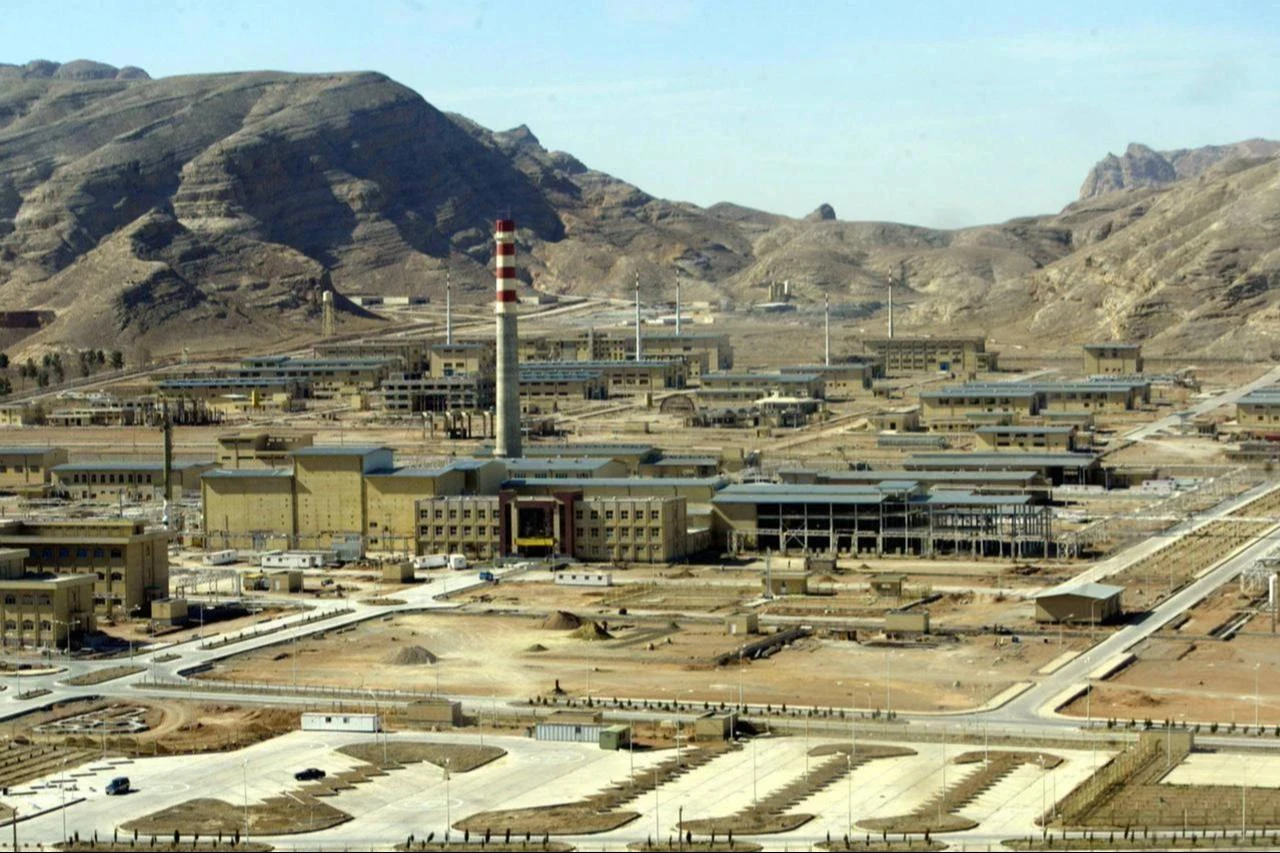
Cohen, who is close to Israeli Prime Minister Benjamin Netanyahu, has previously spoken publicly about Mossad operations targeting Iran.
Days after stepping down as Mossad chief in 2021, Cohen gave an interview to Israel's Channel 12 in which he described intelligence activity involving Iran's nuclear program.
He suggested Mossad was behind an explosion at Iran's underground centrifuge facility at Natanz and described the 2018 operation in which the agency stole Iran's nuclear archive from safes in a Tehran warehouse.
He also confirmed that Iranian nuclear scientist Mohsen Fakhrizadeh, who was killed in 2020, had been in Mossad's sights for years. Israel has not commented on responsibility for his killing.
In the same interview, Cohen indicated detailed familiarity with Iran's nuclear facilities and said that, given the opportunity, he could take interviewer Ilana Dayan to the underground area at Natanz where "the centrifuges used to spin."
During his tenure, Cohen also played a prominent role in U.S.-brokered normalization agreements between Israel and the United Arab Emirates, Bahrain and Morocco.
Since leaving Mossad, Cohen has remained prominent in Israeli media and has repeatedly hinted at a possible move into politics, though he has not entered political office.


 Set as preferred source
 Set as preferred source


 2 min read
 1 min read