Newsletters


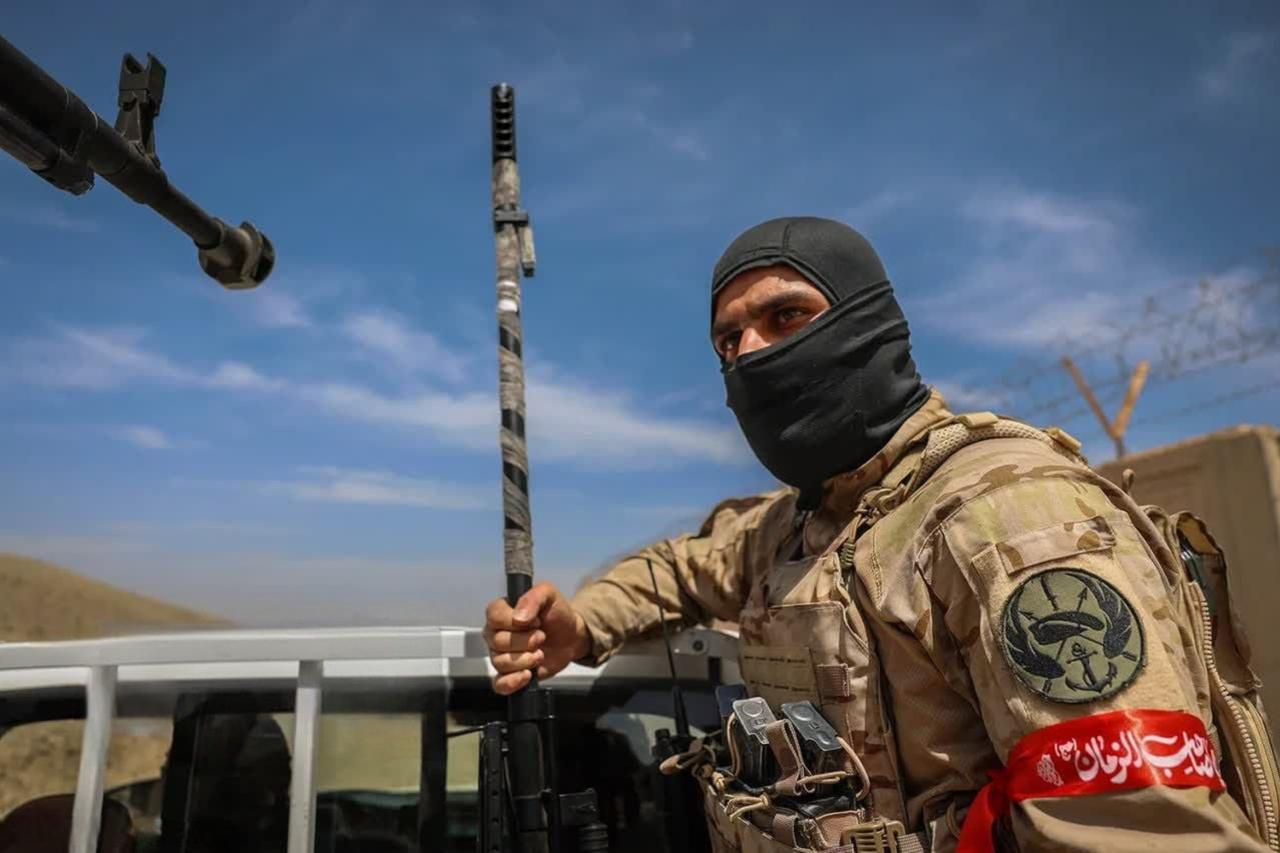


Iran has prepared a "professional mechanism" to manage commercial traffic through the Strait of Hormuz along a designated route that will be unveiled soon.
Head of the Iranian parliament's national security committee Ebrahim Azizi announced Saturday on X, saying only commercial vessels and parties cooperating with Iran would benefit from the arrangement and that fees would be collected for specialized services, while operators of the U.S. "freedom project" would find the route closed.
In his X post, Azizi stated: "Iran, within the framework of its national sovereignty and the guarantee of international trade security, has prepared a professional mechanism to manage traffic in the Strait of Hormuz along a designated route, which will be unveiled soon."
"In this process, only commercial vessels and parties cooperating with Iran will benefit from it. The necessary fees will be collected for the specialized services provided under this mechanism. This route will remain closed to the operators of the so-called 'freedom project,'" he said.
Azizi's announcement follows reporting by Iranian state television Friday that IRGC naval forces were allowing more ships to pass through Hormuz, with an on-the-ground reporter in Bandar Abbas saying, "More vessels can now pass through the Strait of Hormuz with the coordination of the naval forces of the Islamic Revolutionary Guard Corps. This indicates that many countries have accepted the new legal protocols that Iran and the IRGC naval forces have established in this region and in the Strait of Hormuz."
State television had reported the previous day that more than 30 ships had been allowed through. Iranian deputy parliament speaker Hamidreza Hajibabaei said last month that Tehran had already received its first revenues from tolls imposed on vessels crossing the strait.
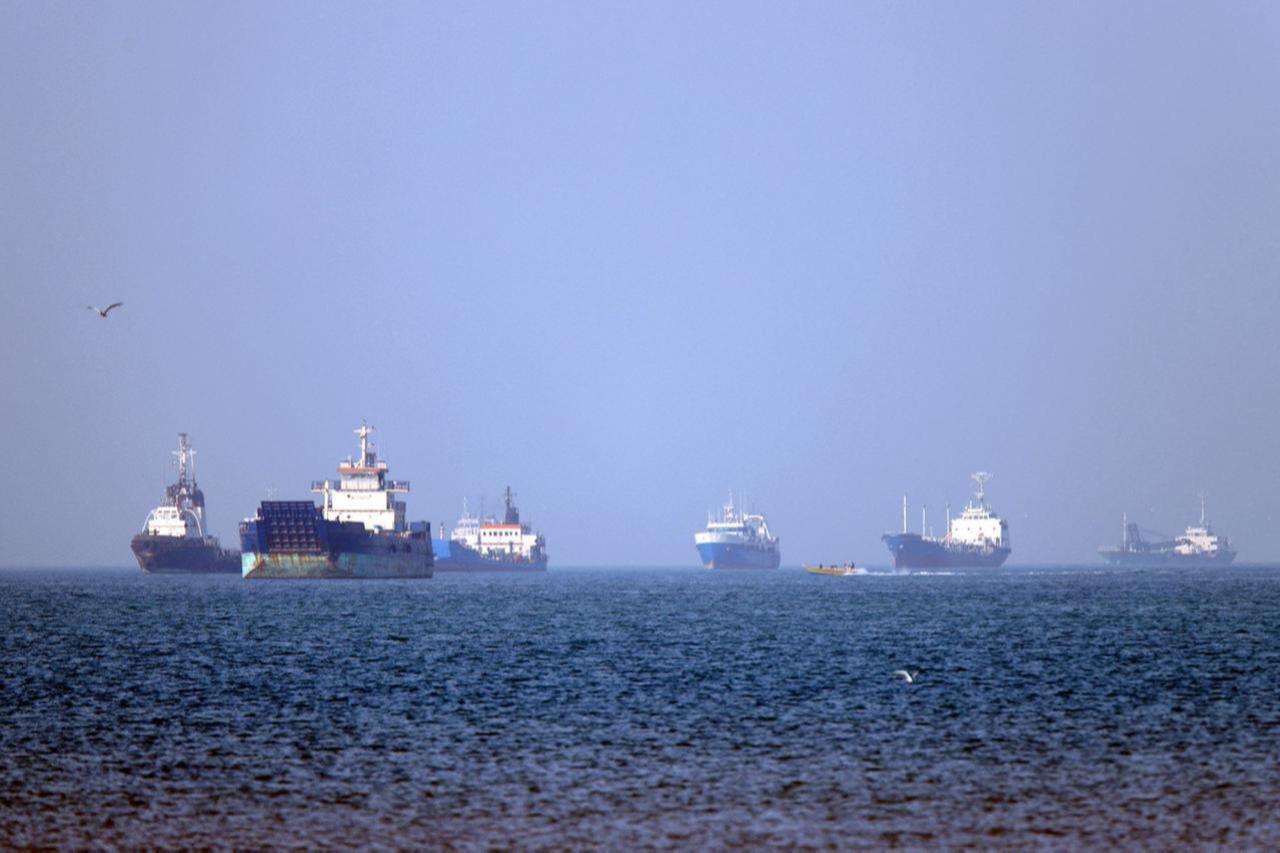

The scale of the Hormuz disruption was laid bare by Iraq's new oil minister Bassem Mohammed Khudair, who said at a handover ceremony Saturday that Iraq's oil exports through the strait plunged to just 10 million barrels in April, down from a normal monthly volume of 93 million barrels, a collapse of approximately 89%.
"Iraq previously exported 93 million barrels per month through the Strait of Hormuz, but last April we exported only 10 million barrels due to the war," Khudair said, adding that Iraq's southern oil terminals received only two oil tankers in April to load Iraqi crude.
Iraq's southern exports normally average 3.5 million barrels per day, accounting for roughly 90% of the country's budget revenues.
Baghdad said last month it had reached "understandings" with both the United States and Iran to reduce the impact of the blockade, following Iran's announcement that it would allow Iraqi shipping to transit. Iraq has also begun exporting crude via tanker trucks through Syria and resumed limited pipeline exports to the Turkish port of Ceyhan.


 Set as preferred source
 Set as preferred source


 4 min read