Newsletters




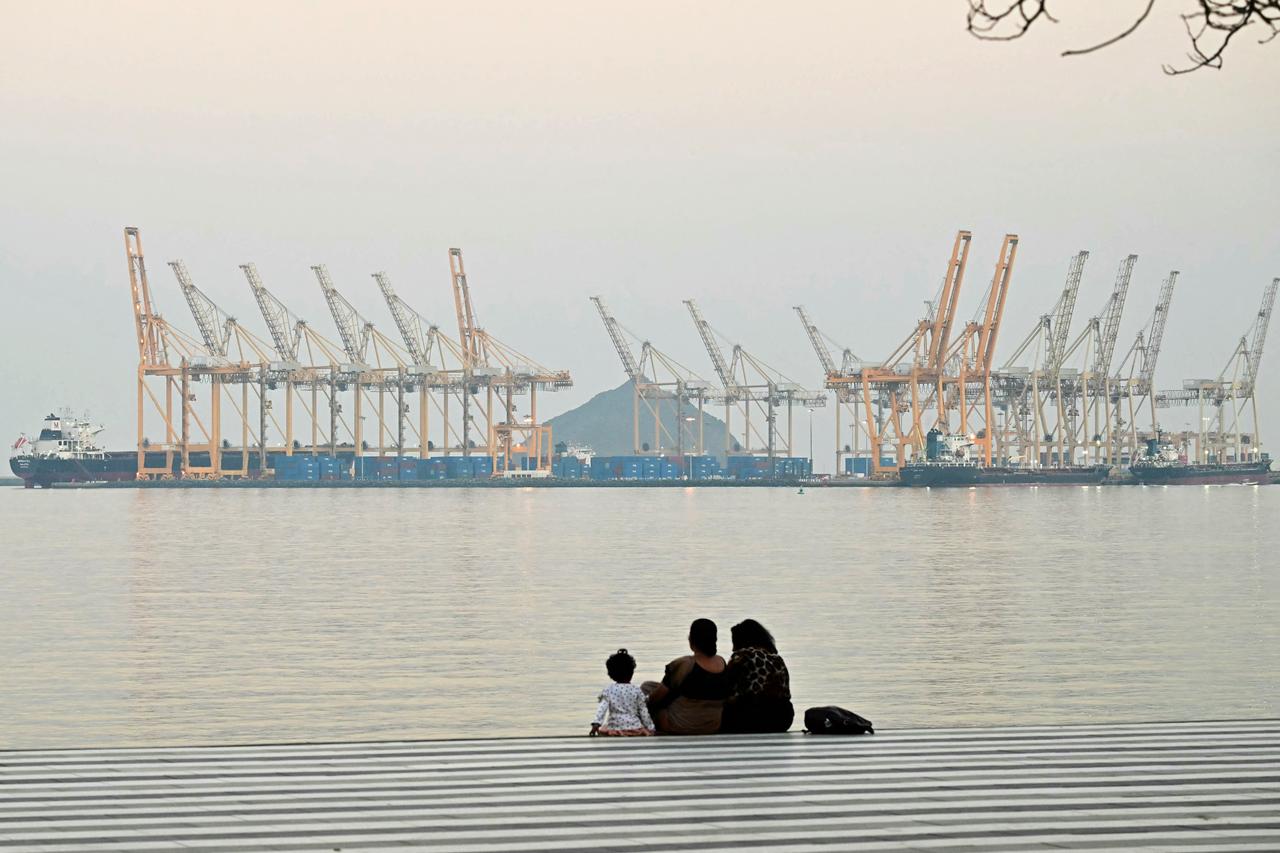
An Omani port and an oil tanker off the country's coast were attacked Sunday, official media said, marking the first strikes on the sultanate since Iran launched its retaliation campaign following U.S. and Israeli attacks.
Oman, which has played a mediating role in U.S.-Iran talks, had previously avoided direct spillover from the conflict.
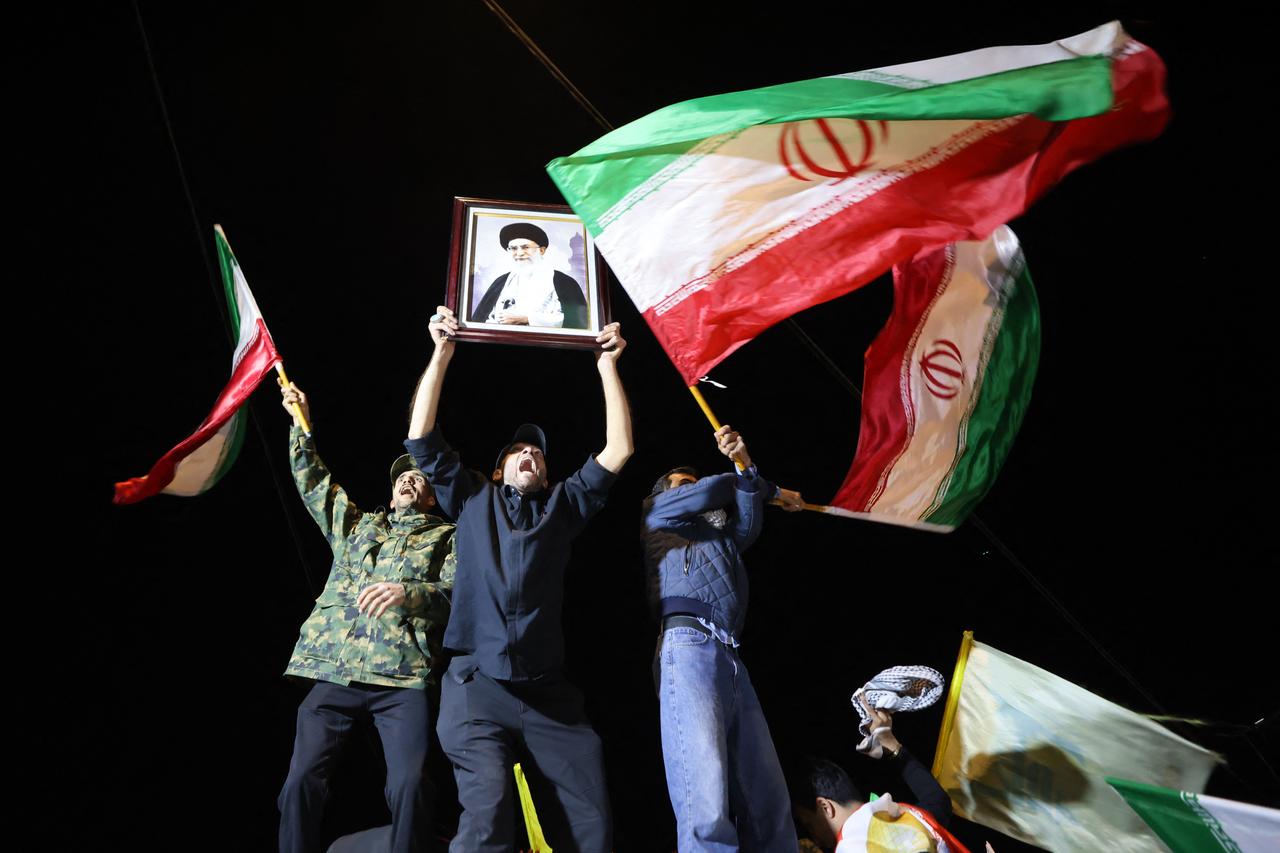
On Sunday morning, Agence France-Presse (AFP) correspondents also heard blasts in Dubai, Doha, and Manama, with explosions reported later in Riyadh, as Iran pressed a second day of attacks in response to U.S. and Israeli strikes that killed the country's supreme leader and other senior officials.
Iran's continued bombardment across the Gulf has raised fears of a wider regional conflict and shaken an area long regarded as relatively stable in a turbulent Middle East.
“A security source reported that the commercial port of Duqm was targeted by two drones,” the Oman News Agency said in a statement posted on social media.
“One drone struck a mobile workers’ accommodation, injuring one foreign worker, while debris from the other landed near fuel tanks, causing no casualties or material damage,” the agency said.
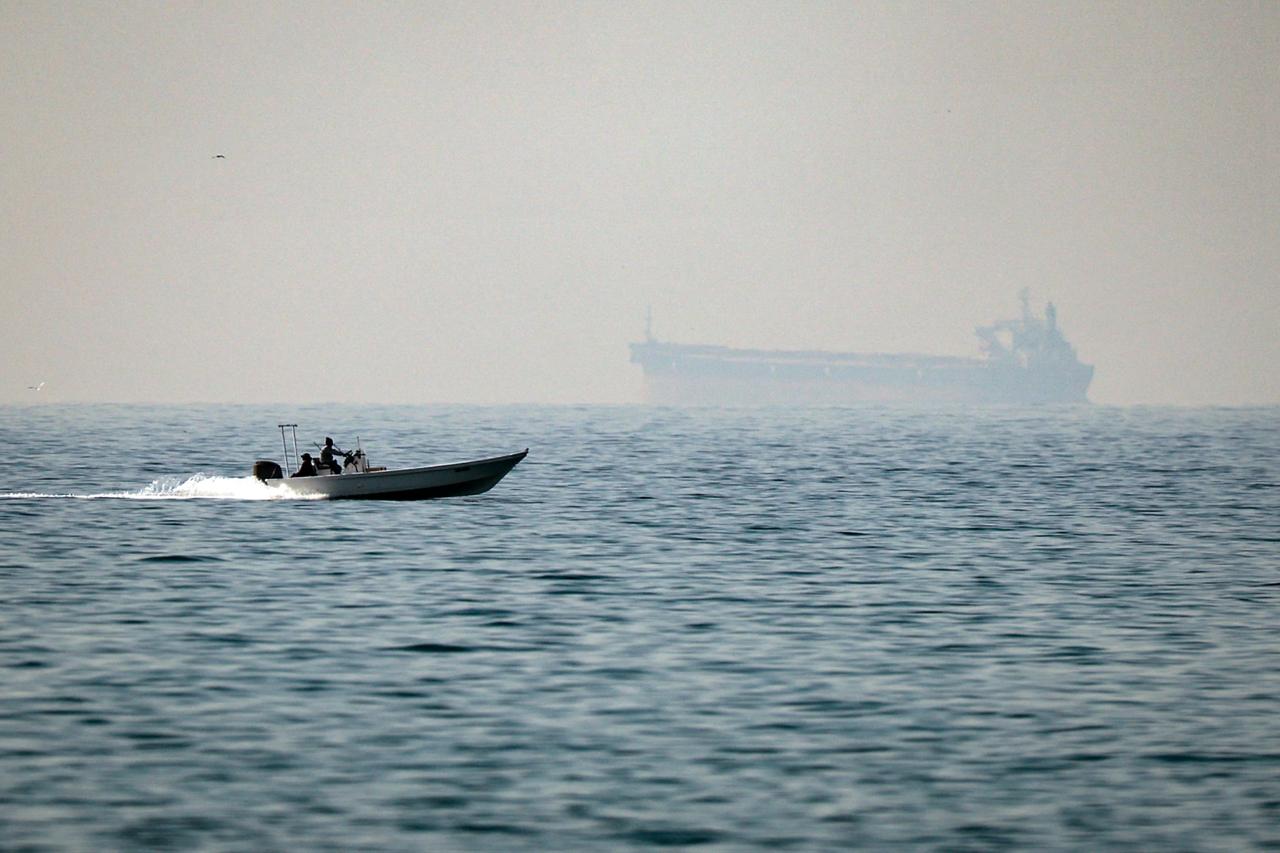
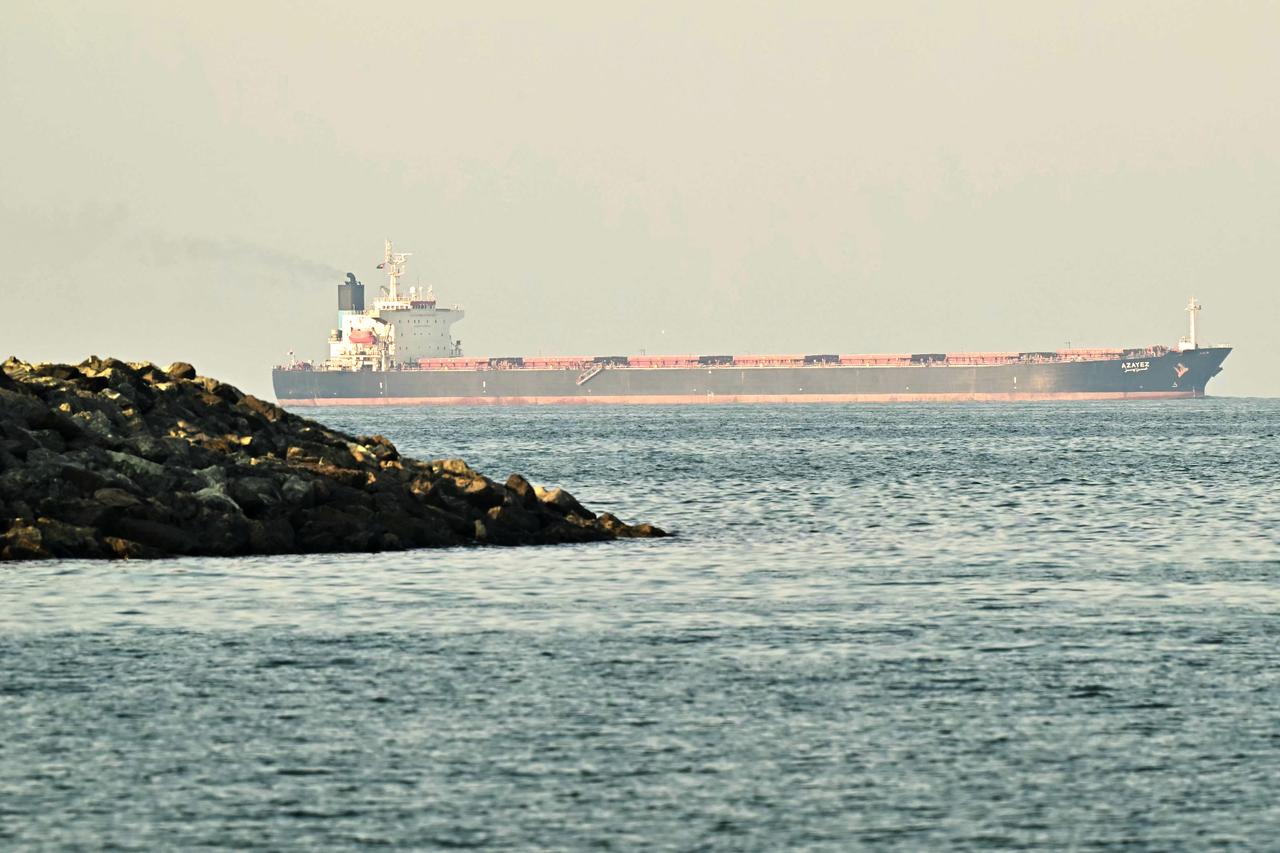
Shortly afterward, Omani authorities said an oil tanker was targeted off the coast. The crew was evacuated, and four sailors were injured, according to state media.
The tanker, Skylight, was added to the U.S. Treasury Department Specially Designated Nationals list on Dec. 18, 2025, amid a crackdown on Iran's so-called “shadow fleet” used to evade energy sanctions.
According to the Office of Foreign Assets Control, shortly after being purchased by Egyptian businessman Sakr, the vessel carried out a mid-sea ship-to-ship transfer of Iranian condensate for Sahara Thunder, a front company linked to the Iranian Ministry of Defense.
Sunday attacks followed deadly strikes a day earlier, when two civilians were killed in the United Arab Emirates capital Abu Dhabi as Iran targeted military bases and civilian infrastructure across the Gulf.
UAE presidential adviser Anwar Gargash on Sunday criticized Tehran, calling attacks on Gulf states a strategic miscalculation.
“It isolated Iran at a critical juncture. Your war is not with your neighbors,” Gargash said.
“Return to reason, to your surroundings, and deal with your neighbors rationally and responsibly before the circle of isolation and escalation widens,” he added.
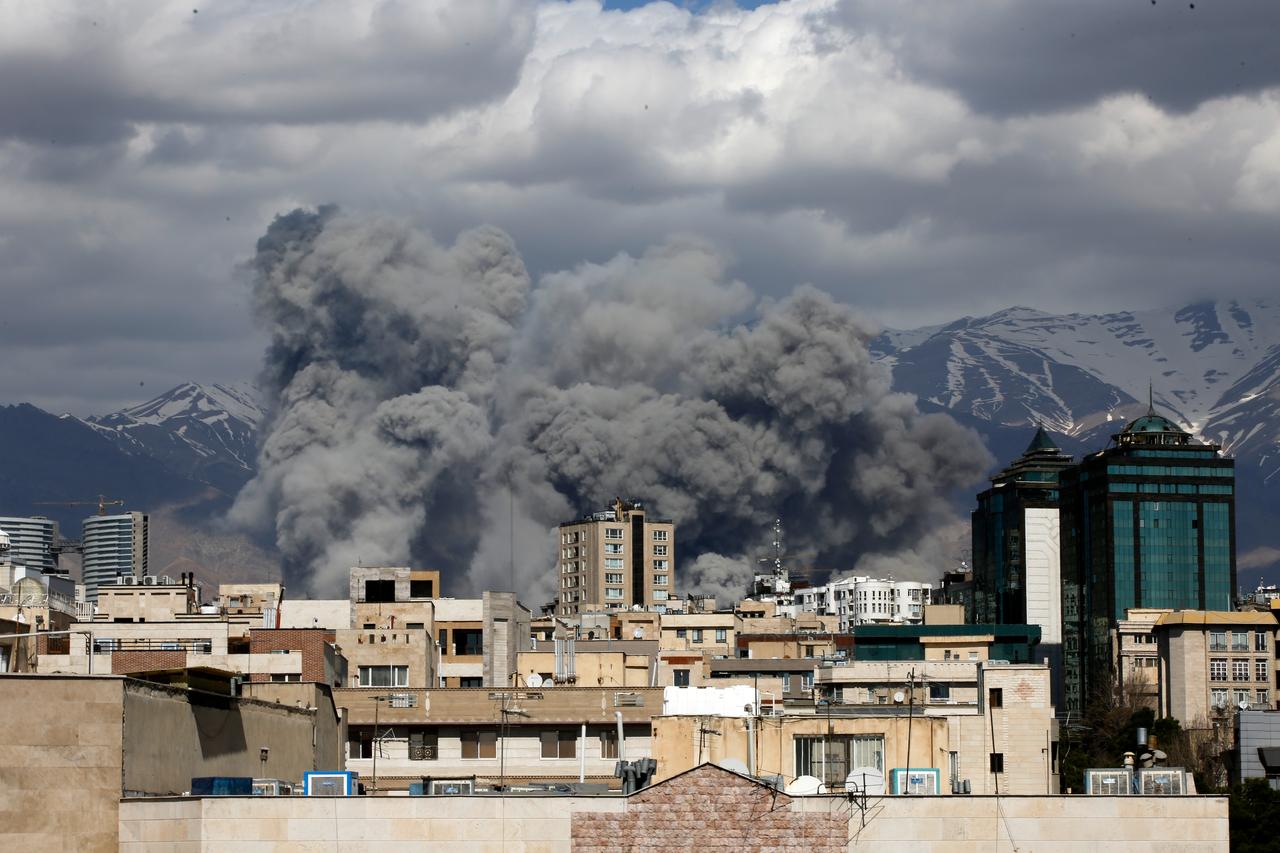

Across the Gulf, civilian infrastructure has increasingly come under attack, including airports, seaports, residential buildings, and hotels.
“The Gulf countries right now are really on the front lines of this brutal war,” said Anna Jacobs, a Gulf security analyst.
“Gulf countries want to support de-escalation and diplomacy, as they always have. But those principles are being tested right now,” she said.
“If Iran continues to hit these countries and escalates further, it will be very difficult for them to simply sit and do nothing,” Jacobs added.
Early Sunday, drones struck the airport in Bahrain's capital, Manama, causing minor damage, authorities said.
The U.S. Embassy in Manama urged citizens to avoid hotels in the city, warning they could become potential targets after the Crowne Plaza hotel was hit.
“We advise U.S. citizens in Bahrain that hotels might be a target for future attacks and encourage U.S. citizens to avoid hotels in Manama,” the embassy said in a post on X.
An AFP correspondent earlier saw damage at the hotel after hearing explosions.
In the UAE, two people were injured when debris from intercepted drones fell on homes in Dubai, authorities said.
In Abu Dhabi, a woman and a child were injured after debris from an intercepted drone struck a building facade at Etihad Towers, according to the Abu Dhabi Media Office.
On Saturday, Iran fired 137 missiles and 209 drones at targets across the UAE, the Defense Ministry said. Fires and smoke were seen near landmarks, including the Palm seafront development and the Burj Al Arab hotel.
At Abu Dhabi airport, at least one person was killed, and seven were wounded during what authorities described as an “incident,” while another person died earlier in the day after being struck by falling debris.
Dubai Airport, the world's busiest for international travel, and Kuwait Airport were also hit.
In Qatar, which hosts the region's largest U.S. military base, officials said Iran launched 65 missiles and 12 drones toward the country. Most were intercepted, but eight people were injured, one critically.
Witnesses reported smoke rising from U.S. bases in Abu Dhabi and Manama, home to the U.S. Navy Fifth Fleet, with American facilities in Kuwait also targeted.
The oil- and gas-rich Arab monarchies across the Gulf from Iran are longtime U.S. allies and host several American military bases, placing them at the center of a rapidly expanding regional confrontation.


 Set as preferred source
 Set as preferred source


 1 min read
 1 min read