Newsletters


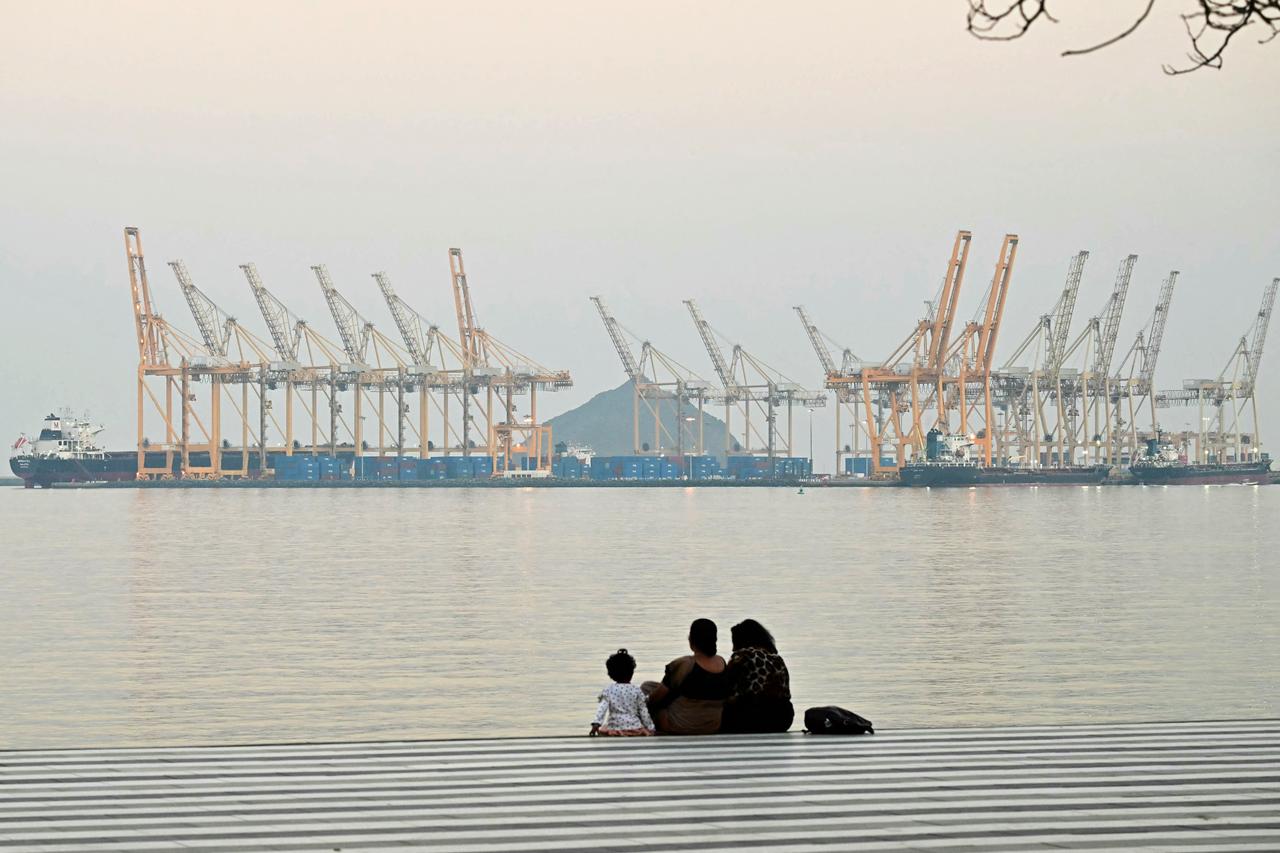


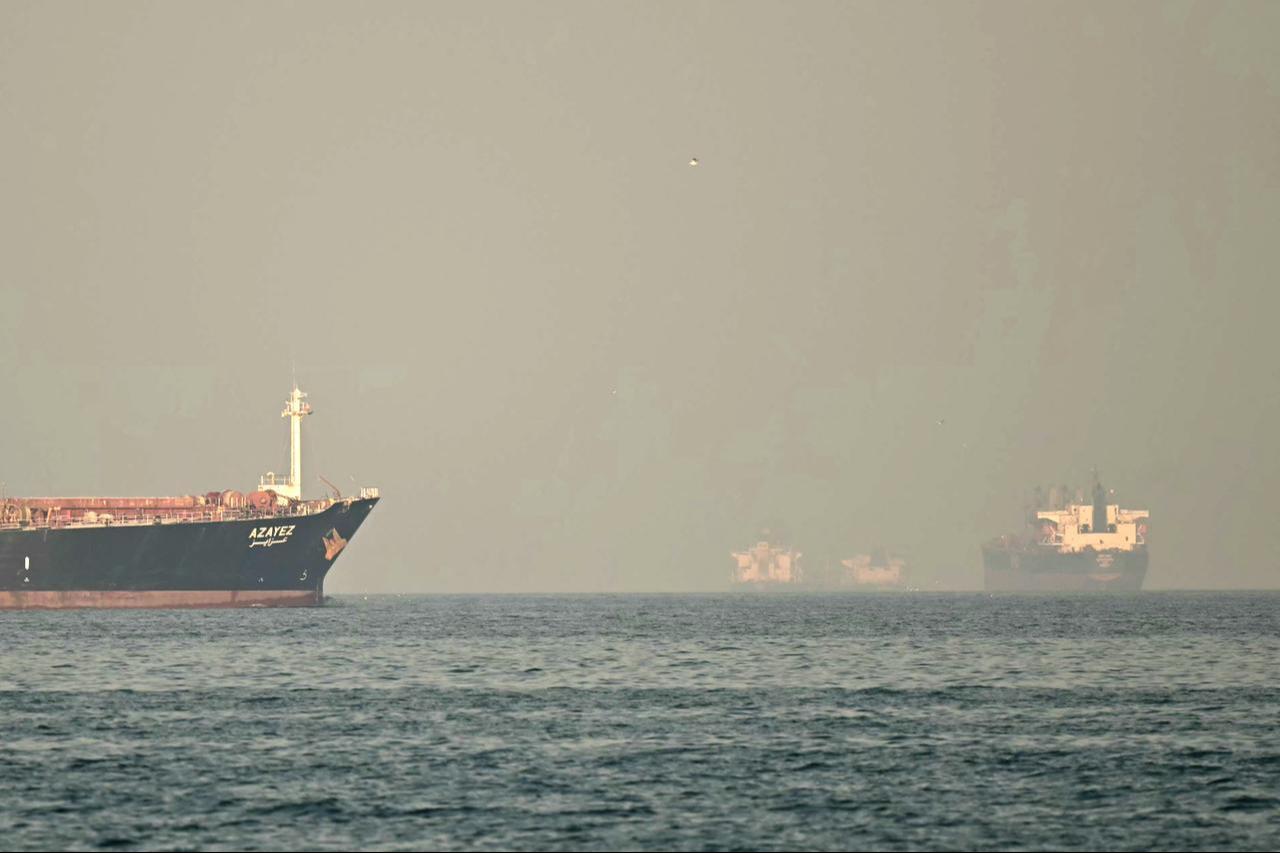
Oil prices remain under pressure ahead of Monday’s opening after the Strait of Hormuz, which carries 20% of global oil, was effectively shut following U.S.-Israel strikes on Iran and rising regional tensions.
Brent crude, which has already climbed nearly 20% in the first two months of 2026 and stood at $72.9 per barrel at Friday’s close before the latest clashes, is now expected to test its highest level since June 2025, when a 12-day Iran-Israel conflict drove prices above $80 on supply fears.
Iranian media said the country’s Revolutionary Guards warned several vessels that the strait was unsafe to navigate following U.S. and Israeli strikes, effectively signaling a closure.
The United States also advised ships in the area to keep at least 30 nautical miles away from its military assets.
Türkiye’s Directorate General of Maritime Affairs said radio broadcasts indicated that Iran had banned ship passages through the strait. "In the region, the ISPS Code Security Level for Turkish-flagged vessels is Level 3," the authority said. ISPS Level 3 under the International Ship and Port Facility Security Code represents the highest maritime security alert.
German shipping group Hapag-Lloyd said it was suspending transits through the waterway, citing what it described as an official shutdown. France-based CMA CGM told vessels in the Persian Gulf to take shelter immediately and paused sailings through the Suez Canal.
Ship-tracking data on Sunday showed only a limited number of vessels exiting the strait, with none appearing to enter. Several container ships either stopped mid-route or turned back. Separately, a small oil tanker off northern Oman was targeted in an attack, though it was not immediately clear who was behind it.

Beyond the Strait of Hormuz’s role in global supply, Iran itself remains a significant producer, pumping about 3.1 million barrels of crude per day and ranking among the world’s top 10. Its production costs are estimated at around $10 per barrel, well below the $40 to $60 range typical for major Western producers such as the United States and Canada.
Iran exports between 1.3 million and 1.5 million barrels a day, with more than 80% of those shipments going to Chinese refineries due to U.S. sanctions.
Analysts say a prolonged disruption affecting both the strait and Iranian output could push oil above $100 per barrel, levels last seen in the early months of Russia’s invasion of Ukraine in 2022.
Only Saudi Arabia and the United Arab Emirates have alternative crude oil pipeline infrastructure capable of bypassing Hormuz, with a maximum combined capacity of 2.6 million barrels per day, according to U.S. data.
The Strait of Hormuz is also a key route for liquefied natural gas. Qatar, the world’s second-largest LNG exporter, accounted for 20% of global LNG supply last year, and its cargoes must pass through the strait to reach markets in Asia and Europe.
Iranian reprisal attacks reportedly targeted oil-producing U.S. allies Kuwait, the United Arab Emirates, and Iraq, with explosions also heard over Saudi Arabia. Hydrocarbon facilities, power plants and desalination units remain exposed if tensions escalate further.
For energy-importing countries such as Türkiye, sustained gains in crude could add economic strain. Markets are now watching whether shipping security in the corridor can be restored quickly or whether supply risks will deepen.


 Set as preferred source
 Set as preferred source


 1 min read
 1 min read