

 Newsletters


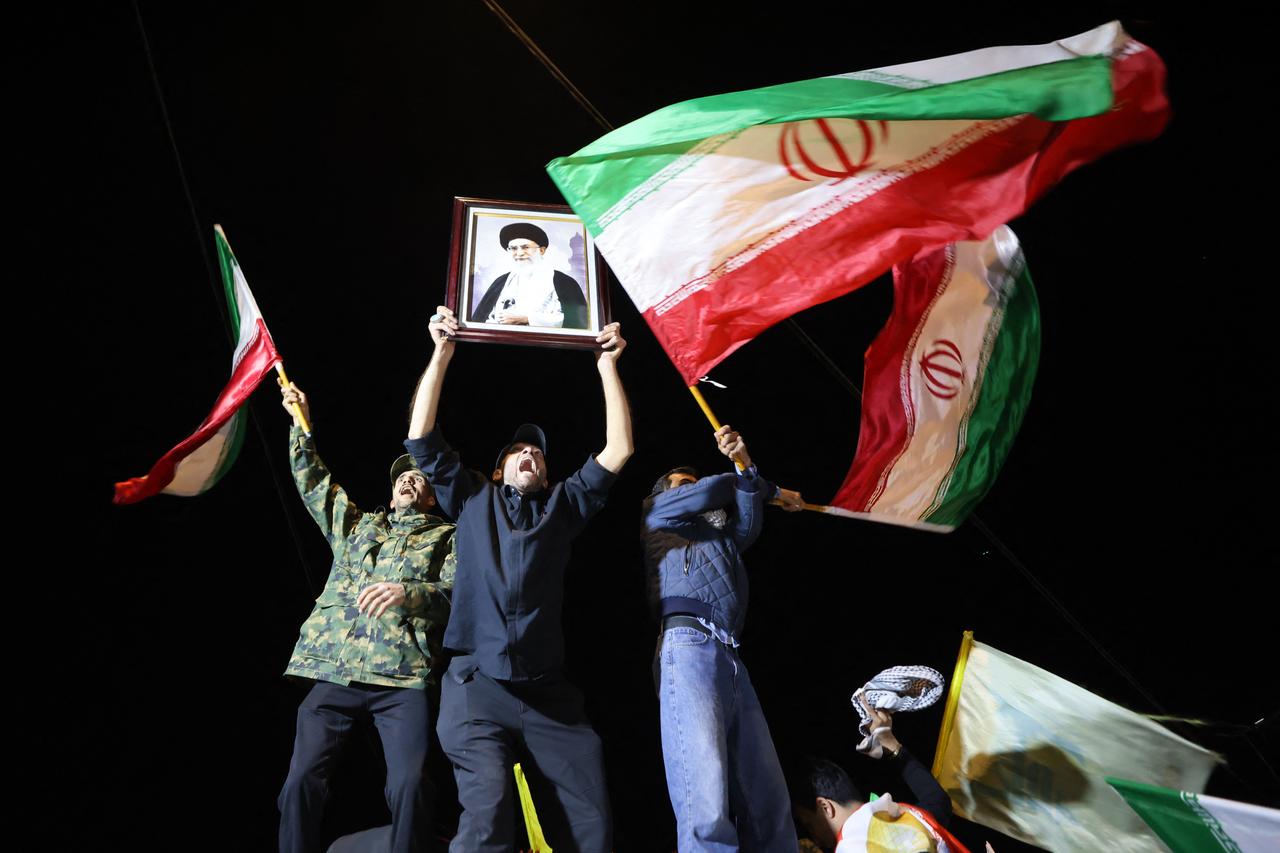


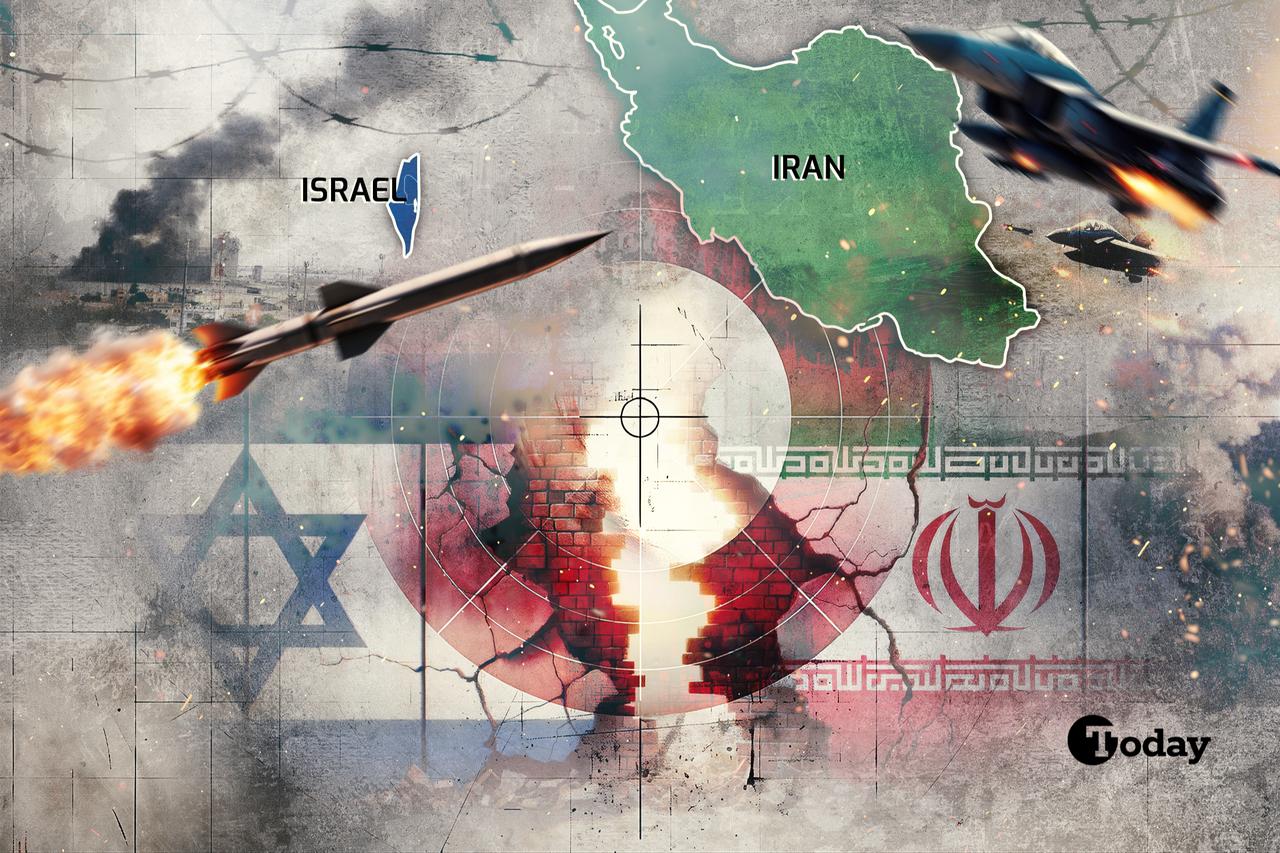
A sweeping military campaign by the United States and Israel struck multiple Iranian cities starting on Feb. 28, 2026, killing Iran’s Supreme Leader Ali Khamenei, dozens of civilians and critical figures, and setting off reciprocal attacks across the Middle East while disrupting international air travel.
Just before 10:00 a.m. local time on Saturday, U.S. and Israeli forces launched coordinated air and missile strikes in Iran in what they described as a preemptive blow against Tehran’s military and nuclear infrastructure.
The operation, codenamed Roaring Lion by Israel and Operation Epic Fury by the U.S. Department of Defense, unfolded in coordinated waves beginning shortly before 10:00 a.m. local time.
Israeli and U.S. forces deployed fighter jets, armed drones, and sea-launched cruise missiles to strike targets in Tehran, Isfahan, Qom, Karaj, and Kermanshah, expanding beyond single facilities to multiple sites within each city.
The opening phase prioritized suppressing Iran’s air-defense network, clearing the way for follow-on strikes. Missile launchers, radar systems, and command-and-control hubs were hit alongside facilities linked to the Islamic Revolutionary Guard Corps. Israel said roughly 200 fighter jets participated, hitting more than 500 sites in what it called one of the largest air operations in its history.
Explosions were reported near compounds associated with the Ministry of Intelligence, the Ministry of Defense, and the Atomic Energy Organization of Iran. Hardened sites at Natanz and Fordow, long associated with Iran’s nuclear program, were struck with long-range precision munitions designed to penetrate fortified structures.
 2 min read
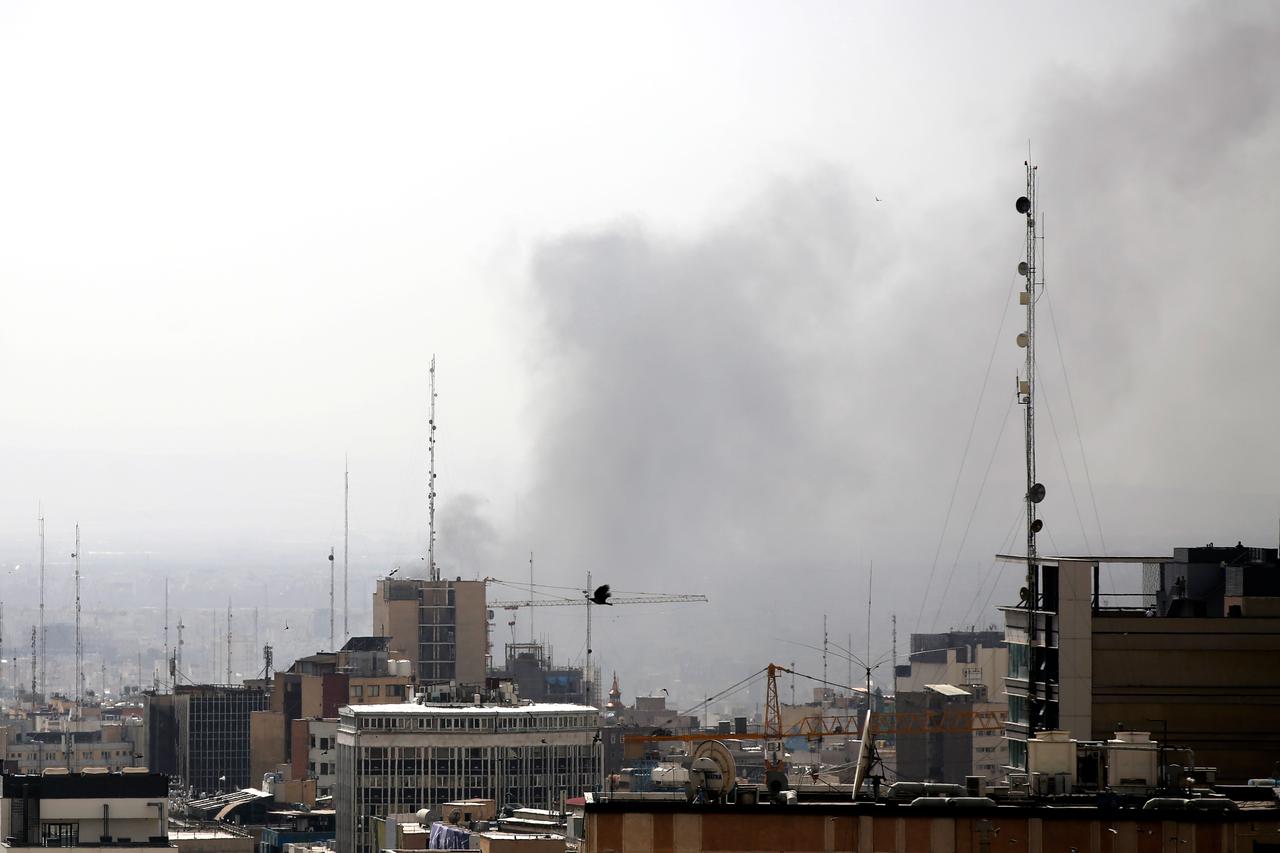
Iranian emergency services reported that at least 201 people were killed and 747 wounded across 24 provinces during the initial bombardment, with casualties recorded in both military and residential districts. Power outages and communications disruptions were reported in several affected areas as authorities assessed damage to transportation links, government buildings and energy infrastructure.
One of the deadliest single incidents occurred in Minab, Hormozgan province, where a girls’ school was struck during school hours. Iranian officials said over 100 people were killed, and dozens of students were injured.

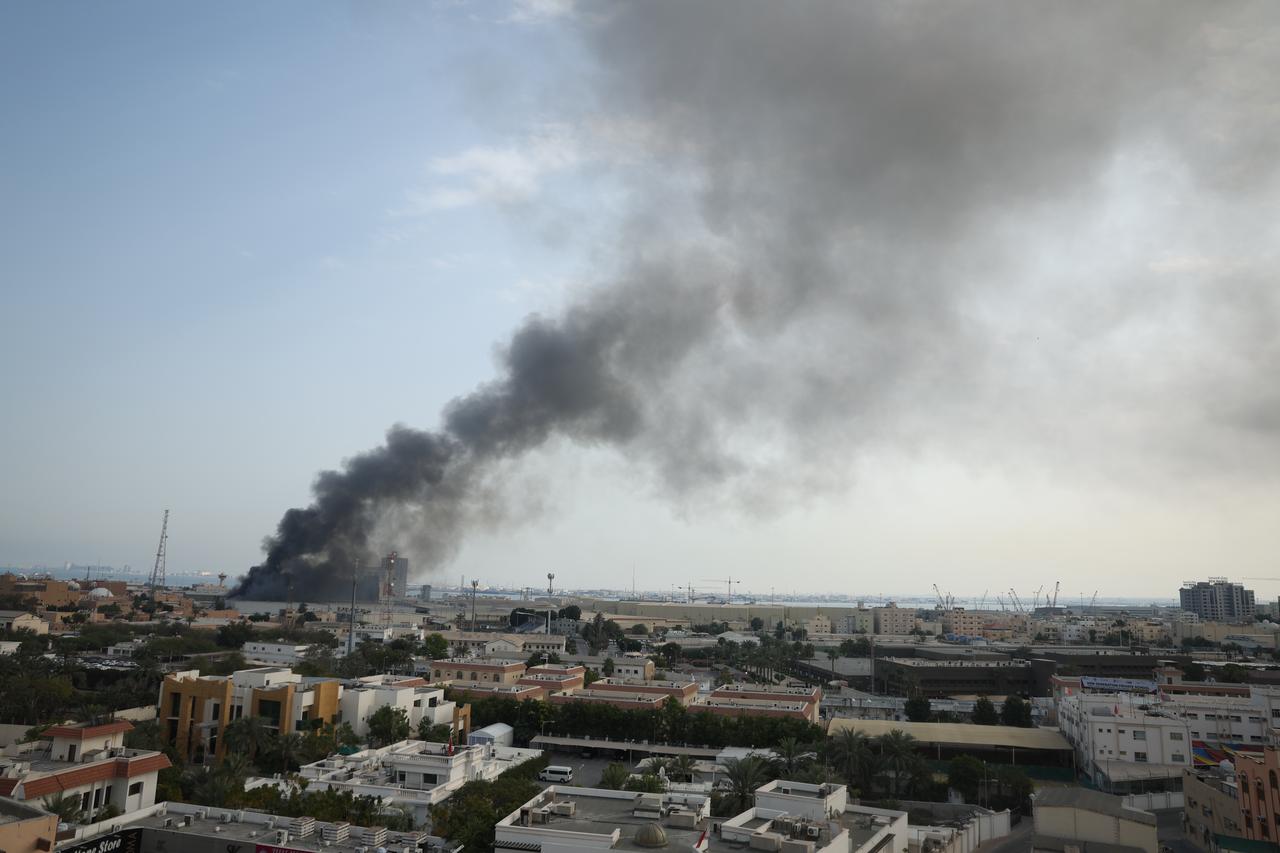
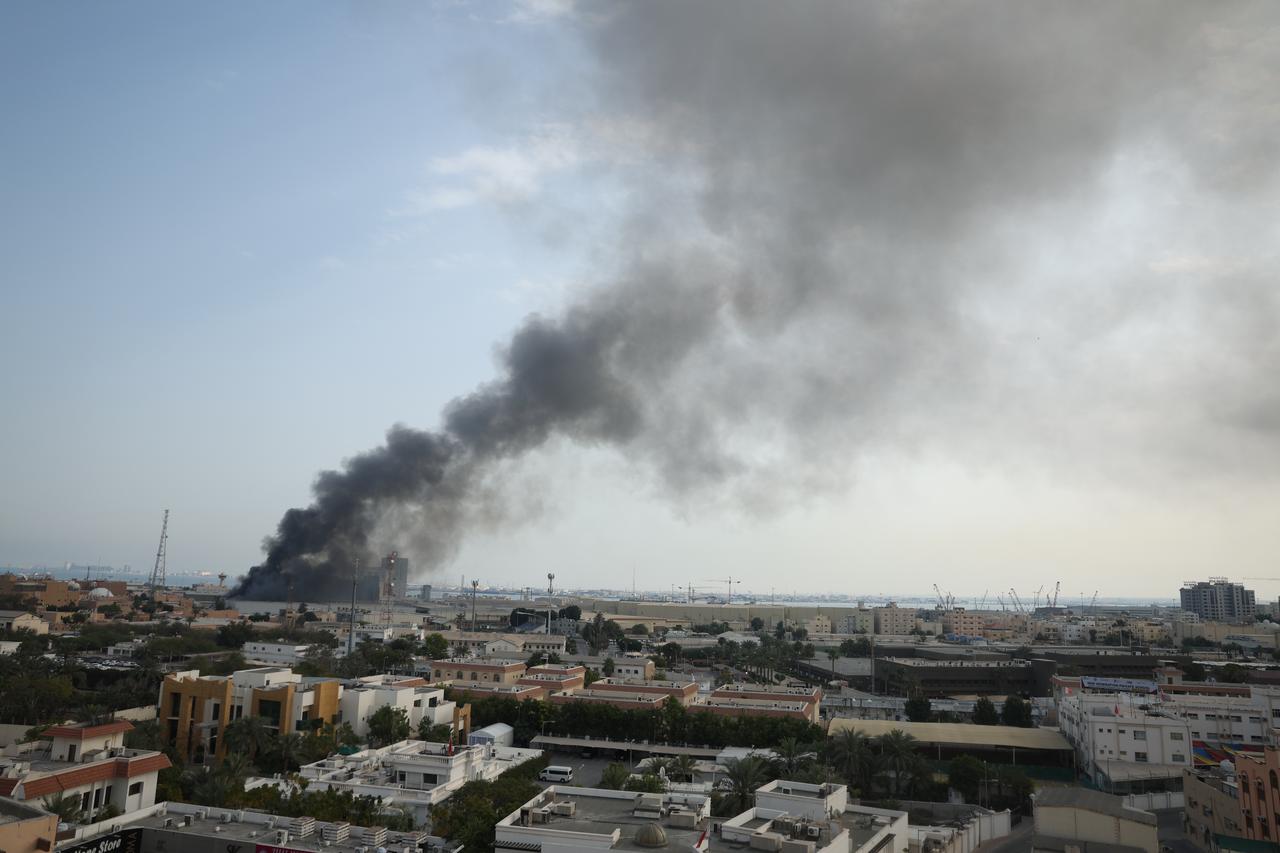
Following the joint offensive, Iran’s Revolutionary Guard and military forces fired "hundreds" of missiles and drones toward U.S. bases and allied territory across the Middle East. Incidents were reported in Kuwait, Qatar, Bahrain, the United Arab Emirates, and Jordan, though most incoming projectiles were intercepted.
One missile hit a U.S. Navy logistics facility linked to the Fifth Fleet in Manama, Bahrain, U.S. Central Command confirmed. Officials said there were no American casualties and only minor damage, with no impact on major base operations.
Across the Gulf, defensive systems were activated as projectiles crossed regional airspace. The United Arab Emirates reported that 137 missiles and 209 drones were fired toward its territory. Interceptions triggered explosions over Abu Dhabi and Dubai, where debris caused structural damage. UAE authorities said two people were killed in Abu Dhabi, including a Pakistani civilian, and four were injured in Dubai.
Explosions were also heard in Doha and Riyadh. Qatar said its defenses intercepted incoming missiles. In Iraq, two people were killed in strikes on a military base housing the pro-Iran armed group Hezbollah.
Iranian missiles also reached Israeli territory, triggering nationwide alerts and a state of emergency. Authorities closed civilian airspace and shut schools and workplaces as sirens sounded across northern and central regions and air defenses intercepted incoming fire. Explosions were reported over Tel Aviv, Haifa, and parts of northern Israel. In central Tel Aviv, at least one missile struck the ground, killing one person.
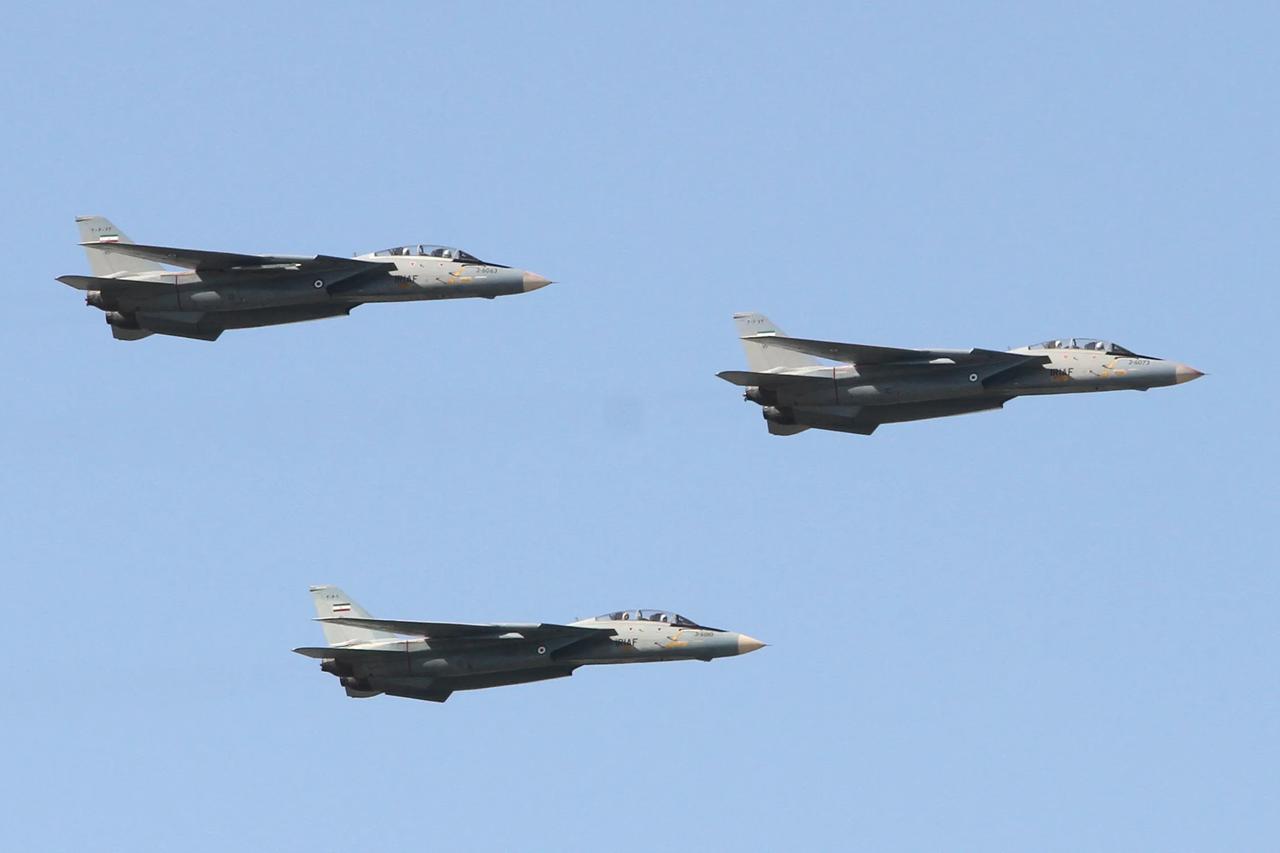
Meanwhile, Iranian military aircraft reportedly carried out airstrikes targeting U.S. bases in the Persian Gulf and in areas in northern Iraq.
Iranian authorities also announced measures affecting shipping through the Strait of Hormuz, a key artery for global oil and gas transit, heightening concerns about energy flows.
The strikes in Tehran included areas near the official residence of Ali Khamenei. Iranian state television confirmed early Sunday that Khamenei, who had led the Islamic Republic since 1989, was killed.
Iranian media reported that several members of his family, including his daughter, son-in-law, and granddaughter, also died in the attack. Authorities further confirmed the deaths of senior figures, including General Mohammad Pakpour and Ali Shamkhani.
Israeli and U.S. officials said dozens of senior Iranian officials were eliminated in the opening phase, placing the number of high-ranking figures killed at around 40.
2 min read
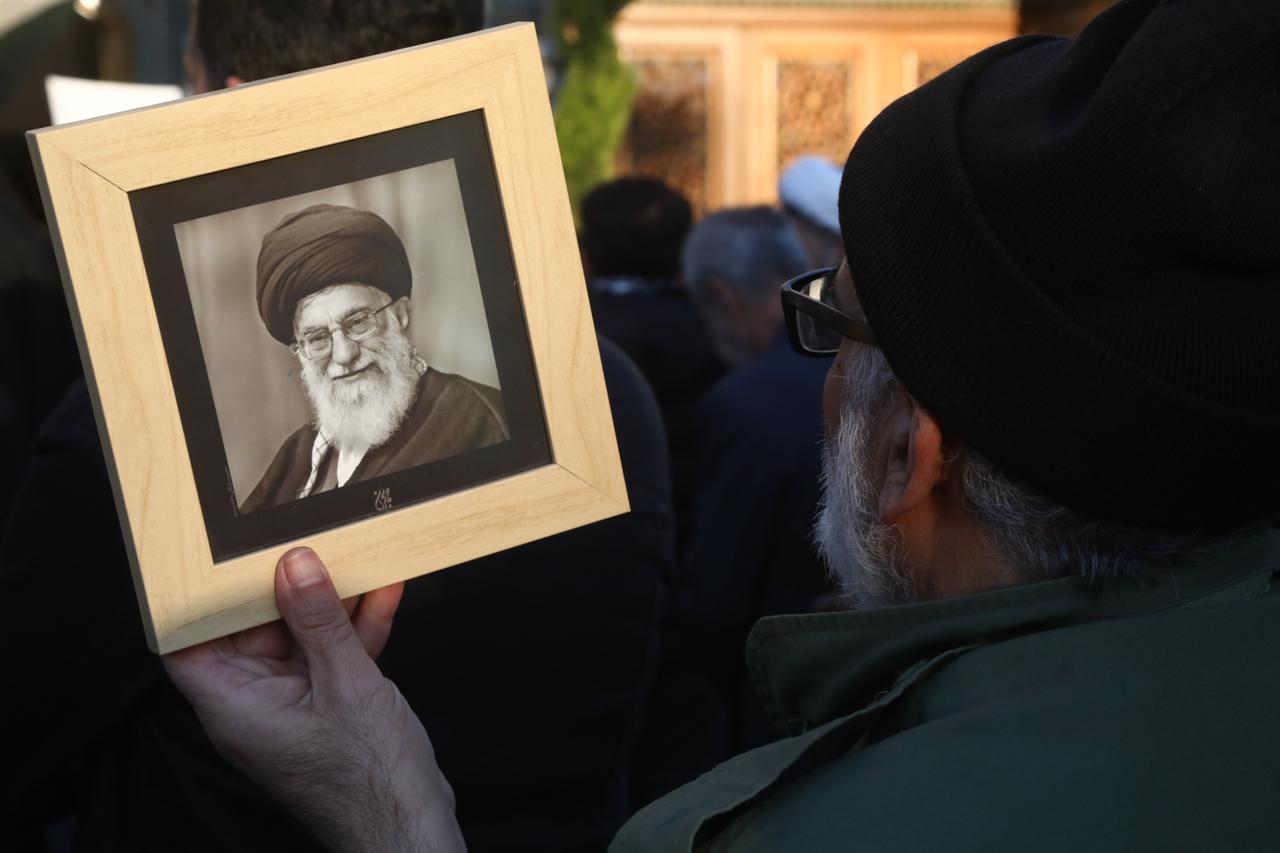
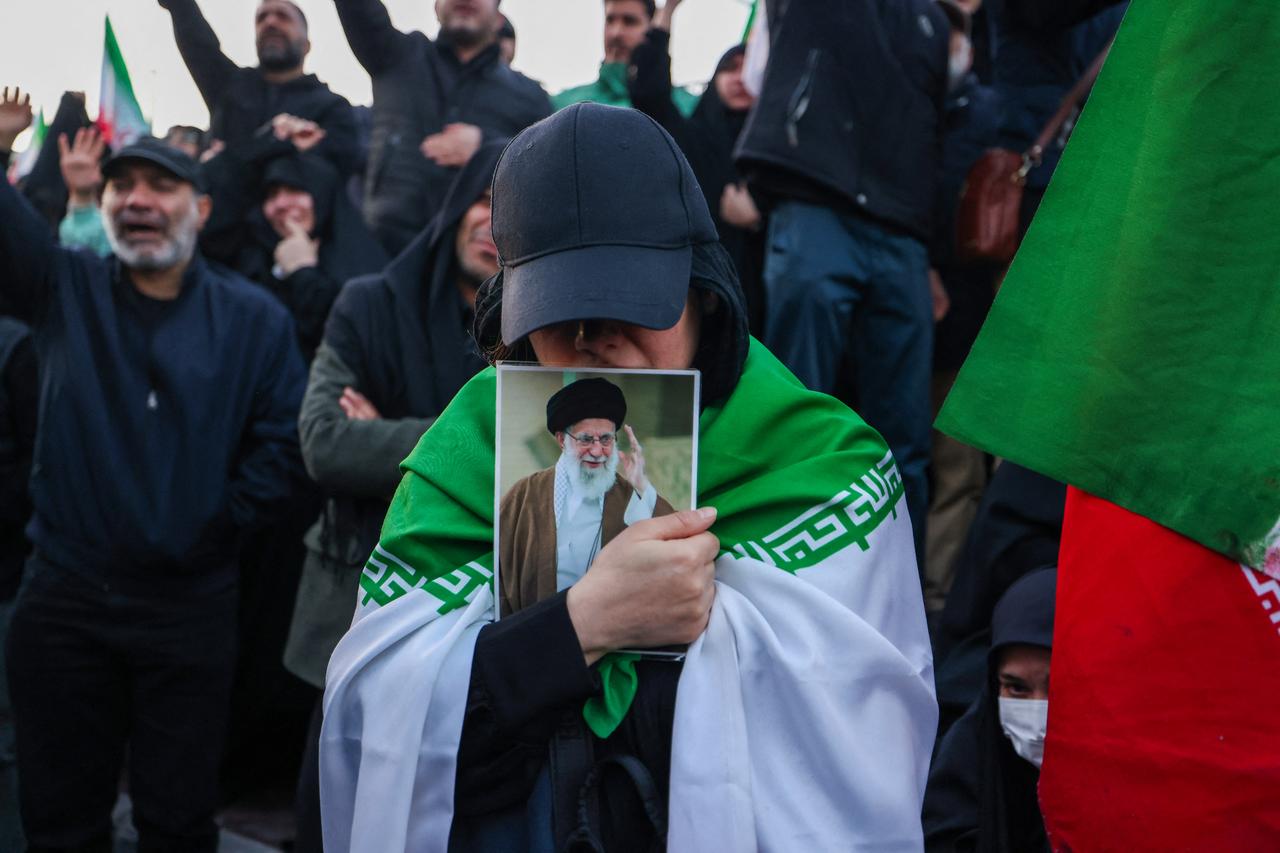
Iran declared 40 days of national mourning and seven public holidays. State television said President Masoud Pezeshkian and two other senior officials would oversee a transitional leadership period pending constitutional procedures.
The United Nations Security Council convened an emergency session as international reactions intensified. Iran accused Washington and Tel Aviv of targeting civilians, while U.N. Secretary-General Antonio Guterres warned of an escalation spiraling beyond control.
The European Union described the situation as perilous. Russia called the operation a dangerous move with catastrophic potential. Gulf states condemned Iranian retaliation. Lebanon’s Hezbollah urged regional resistance.
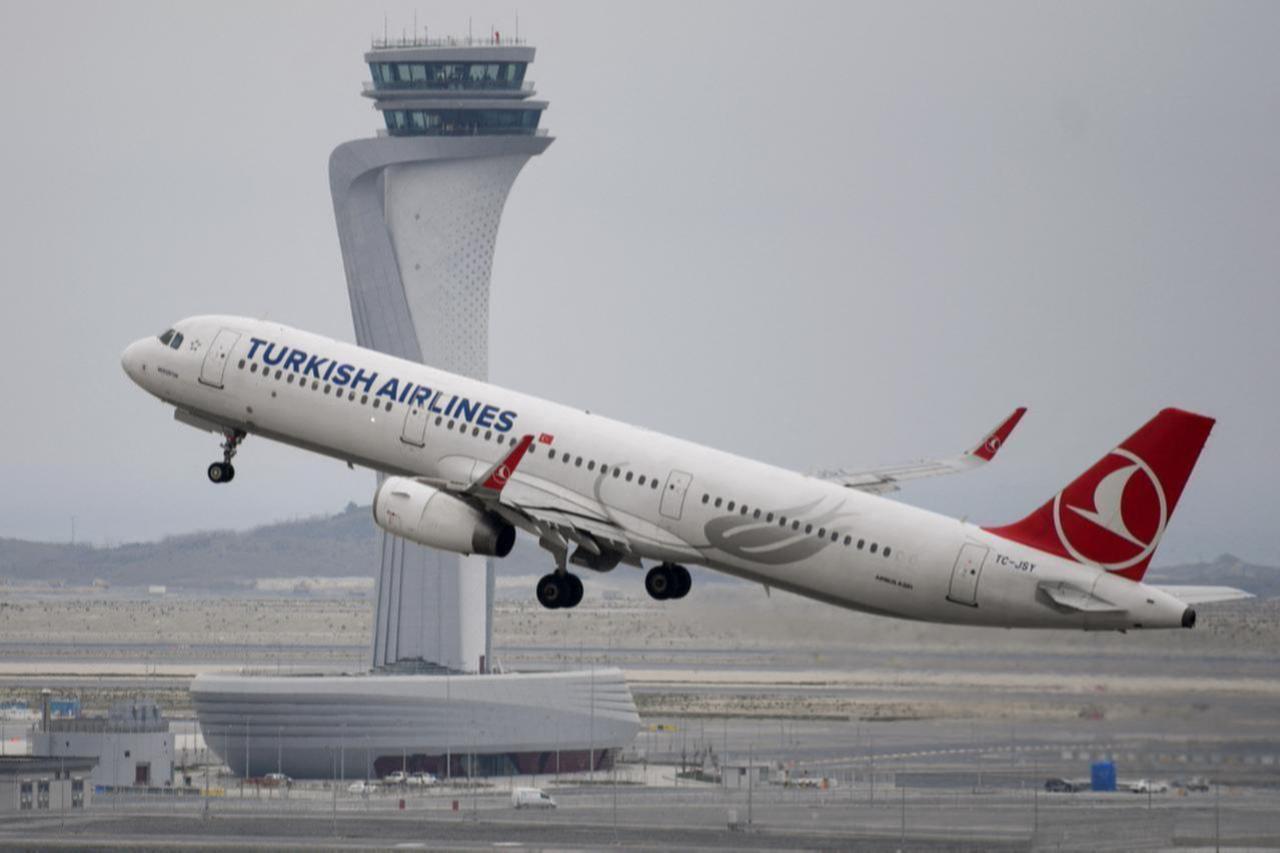
Airspace restrictions quickly spread across Iran, Iraq, Kuwait, Syria, the UAE, and Israel. International carriers canceled or rerouted flights, and Russia suspended commercial services to both Iran and Israel until further notice.
Trump warned that any further escalation from Tehran would be met with overwhelming force.
Tensions remain high on Sunday, with fresh explosions reported in Tehran and new waves of Iranian drones and missiles fired across the region, including toward Gulf capitals and U.S. and Israeli positions.


 Set as preferred source
 Set as preferred source



 1 min read


