Newsletters


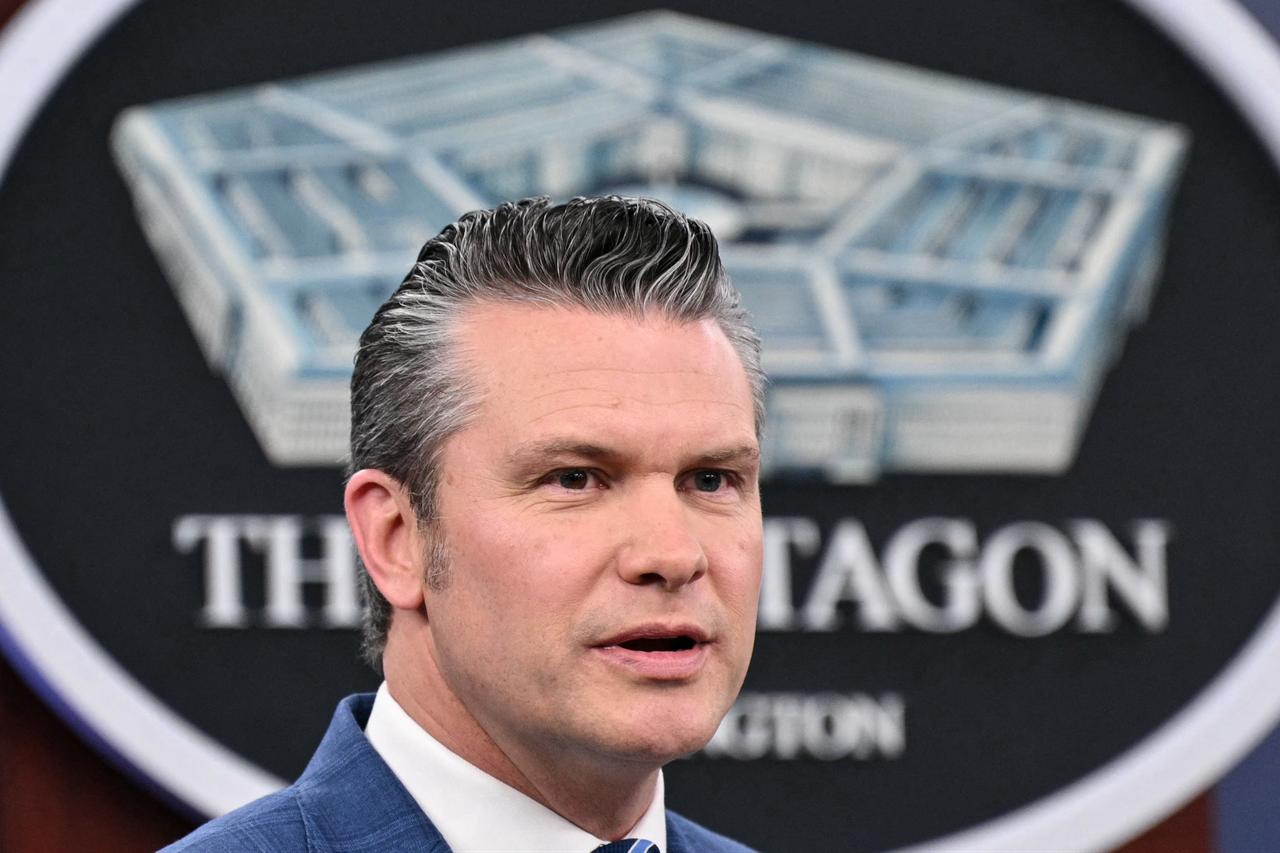


U.S. Defense Secretary Pete Hegseth declared on Wednesday that the United States achieved a "decisive military victory" in Operation Epic Fury.
He also stated that Iran "begged for this ceasefire" after the U.S. destroyed its air force, missile program, naval fleet, and defense industrial base.
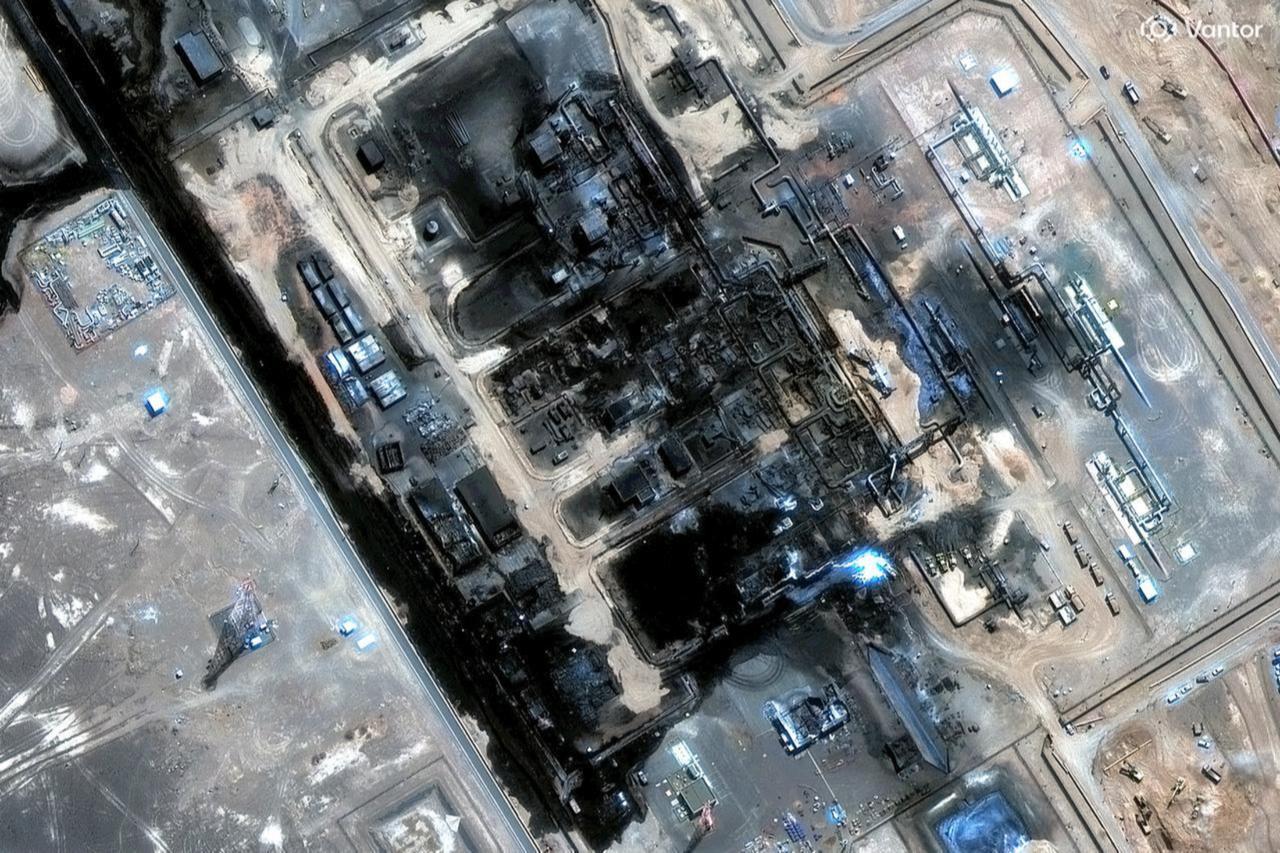
Chairman of the Joint Chiefs Gen. Dan Caine also noted that U.S. forces struck over 13,000 targets and destroyed approximately 90% of Iran's navy and 80% of its air defenses over the course of the 38-day campaign.
Caine added that U.S. forces have flown over 10,000 missions and struck over 13,000 targets in Iran.
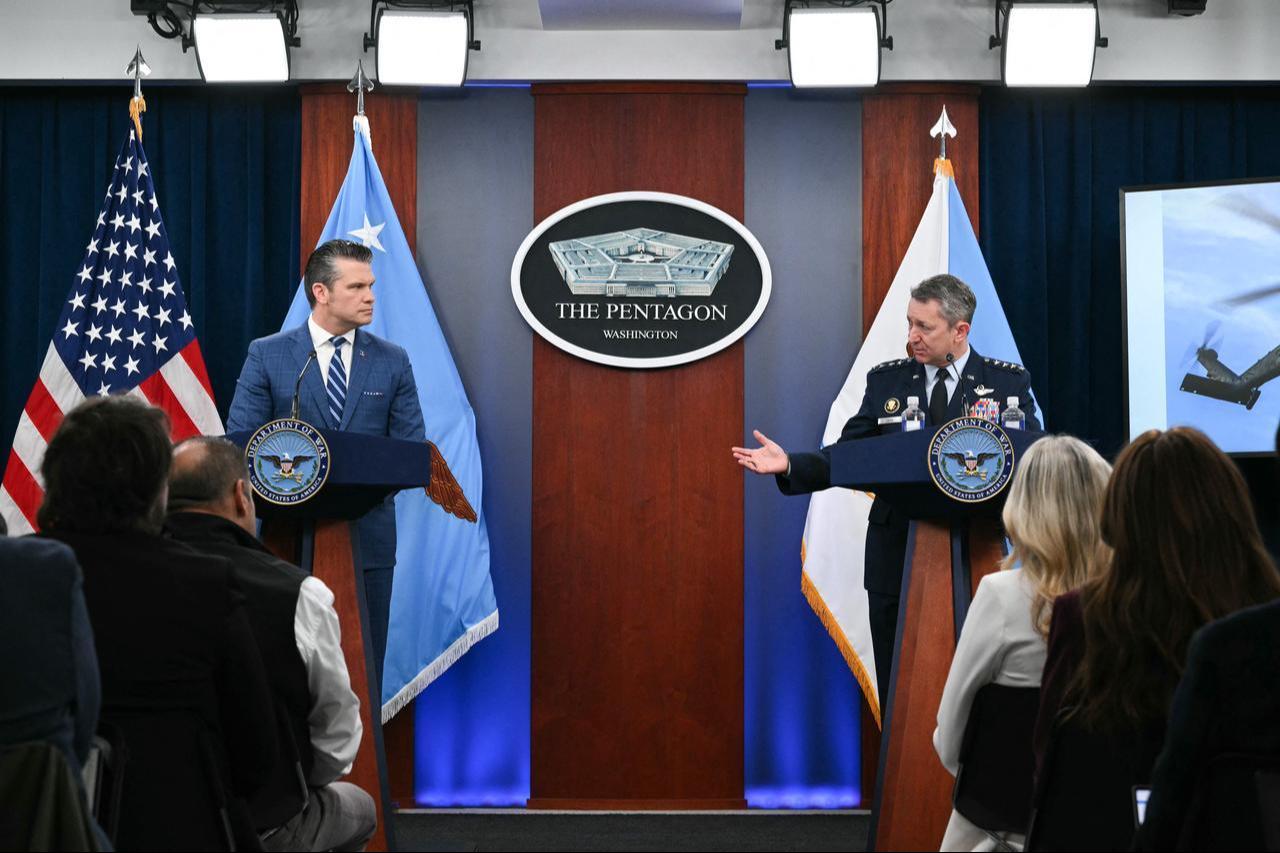

Hegseth opened the Pentagon briefing with an unambiguous victory claim.
"Operation Epic Fury was a historic and overwhelming victory on the battlefield. A capital-V military victory. By any measure, Epic Fury decimated Iran's military and rendered it combat ineffective for years to come," Hegseth stated.
"President Trump forged this moment. Iran begged for this ceasefire, and we all know it," he added.
Hegseth said the operation was built on the earlier campaign.
"To the precision campaign that obliterated Iran's nuclear sites in Operation Midnight Hammer to the decisive military victory we just achieved in Operation Epic Fury, no other president has shown the courage and resolve of this commander in chief," he said.
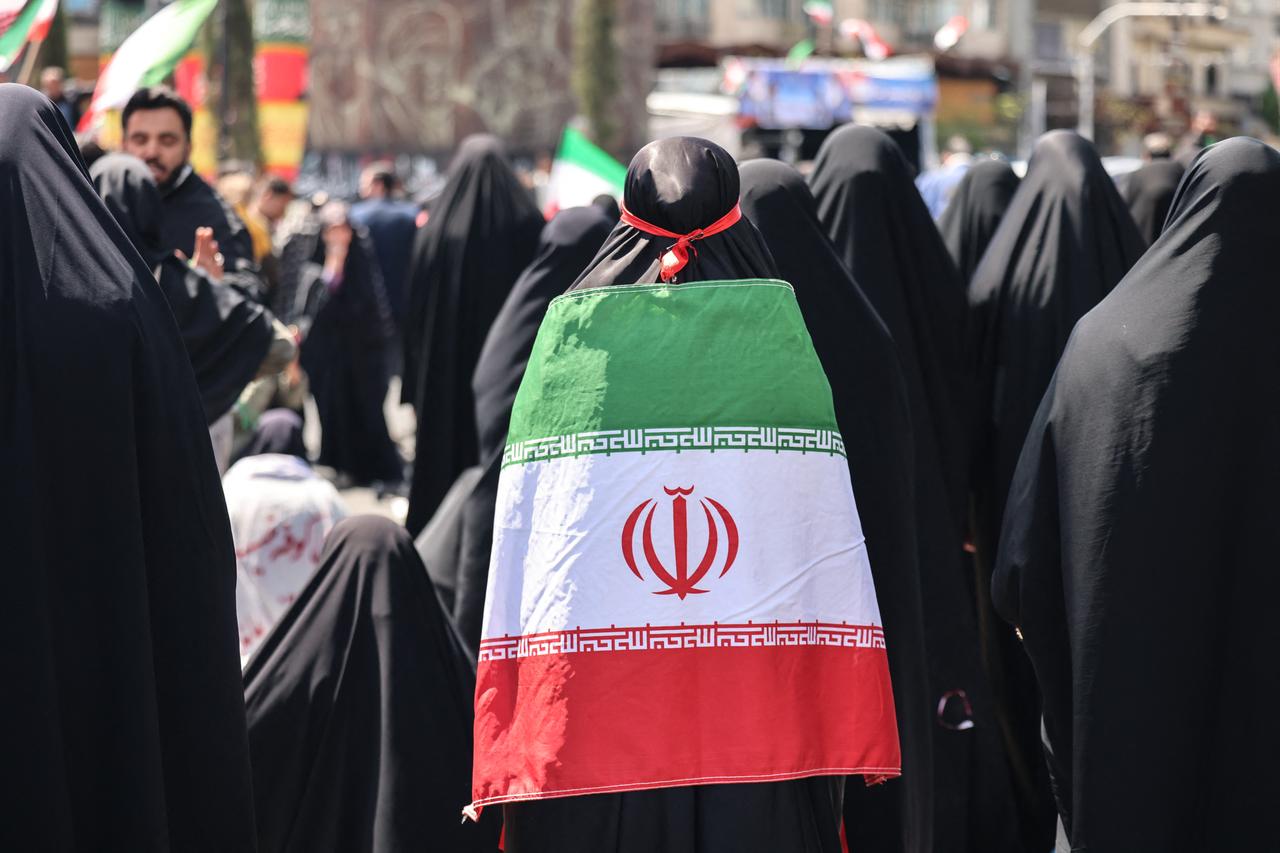
Hegseth detailed the scope of the damage inflicted on Iran's armed forces.
"Iran's air force has been wiped out. Iran no longer has any sort of a comprehensive air defense system. We own their skies. Their missile program is functionally destroyed. Launchers, production facilities, and existing stockpiles depleted and decimated and almost completely ineffective," he said.
He said 800 strikes on Tuesday night alone had destroyed Iran's defense industrial base.
"They can no longer build missiles, build rockets, build launchers, or build UAVs. Their factories have been razed to the ground," Hegseth said.
He also said Iran's navy "is at the bottom of the sea" and that the country's command and control had been so severely damaged that coordinated military action had become nearly impossible.
"Their command and control is so decimated that they can't really talk and coordinate, so they still may shoot here and there. But that would be very, very unwise," he said.
Hegseth also said Iran's new Supreme Leader, Mojtaba Khamenei, was "wounded and disfigured."
He named former Supreme Leader Ali Khamenei among senior Iranian figures killed during the campaign.
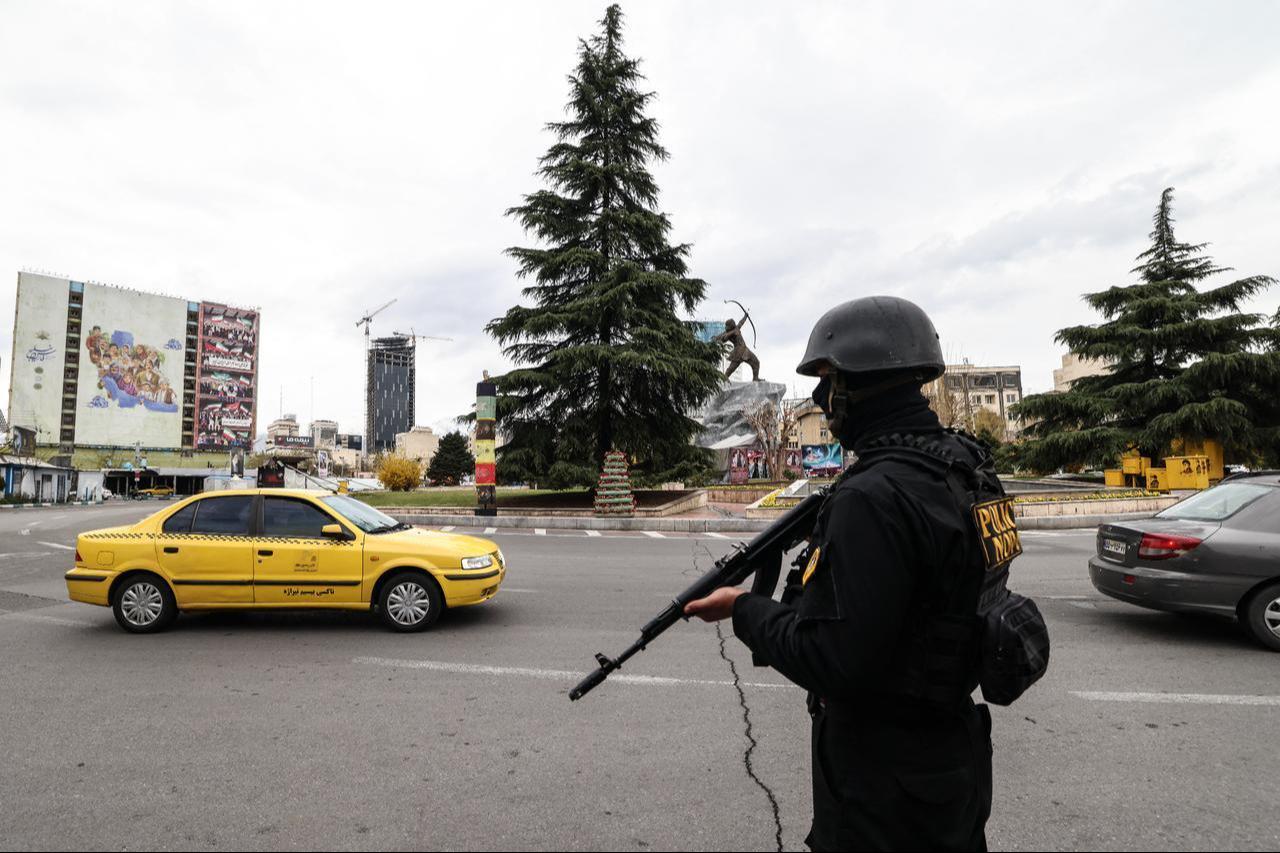
Gen. Caine provided the detailed military accounting.
U.S. forces struck more than 13,000 targets since the war began Feb. 28, he said.
The U.S. destroyed approximately 90% of Iran's naval fleet and 95% of its naval mines. Around 80% of Iran's air defenses were eliminated.
U.S. forces also took out more than 450 ballistic missile storage facilities and 800 one-way attack drone storage facilities.
Caine said he "deeply appreciates the support of the American people" and welcomed the two-week ceasefire, saying Trump's military objectives had been achieved.
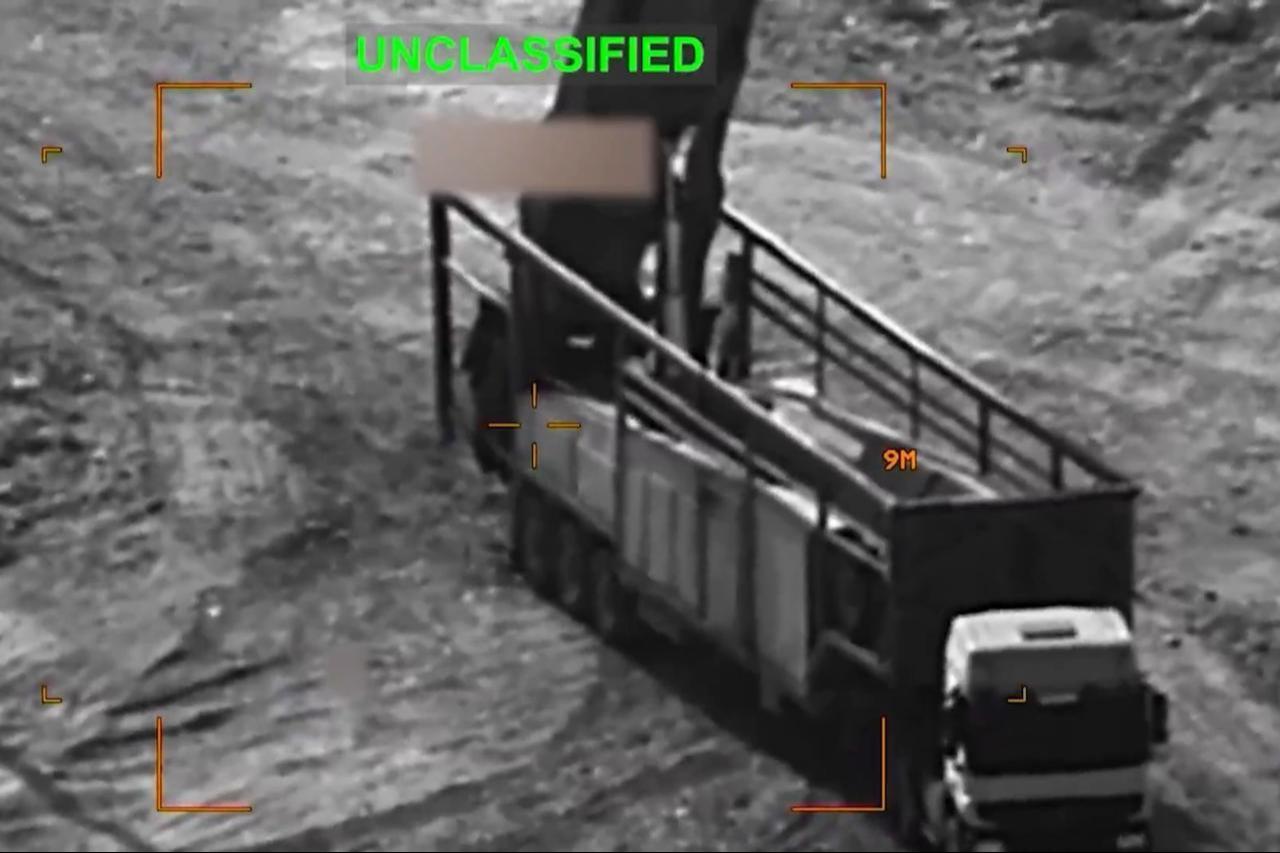
Hegseth said Iran accepted the ceasefire under "overwhelming pressure" and that it was "out of options and out of time."
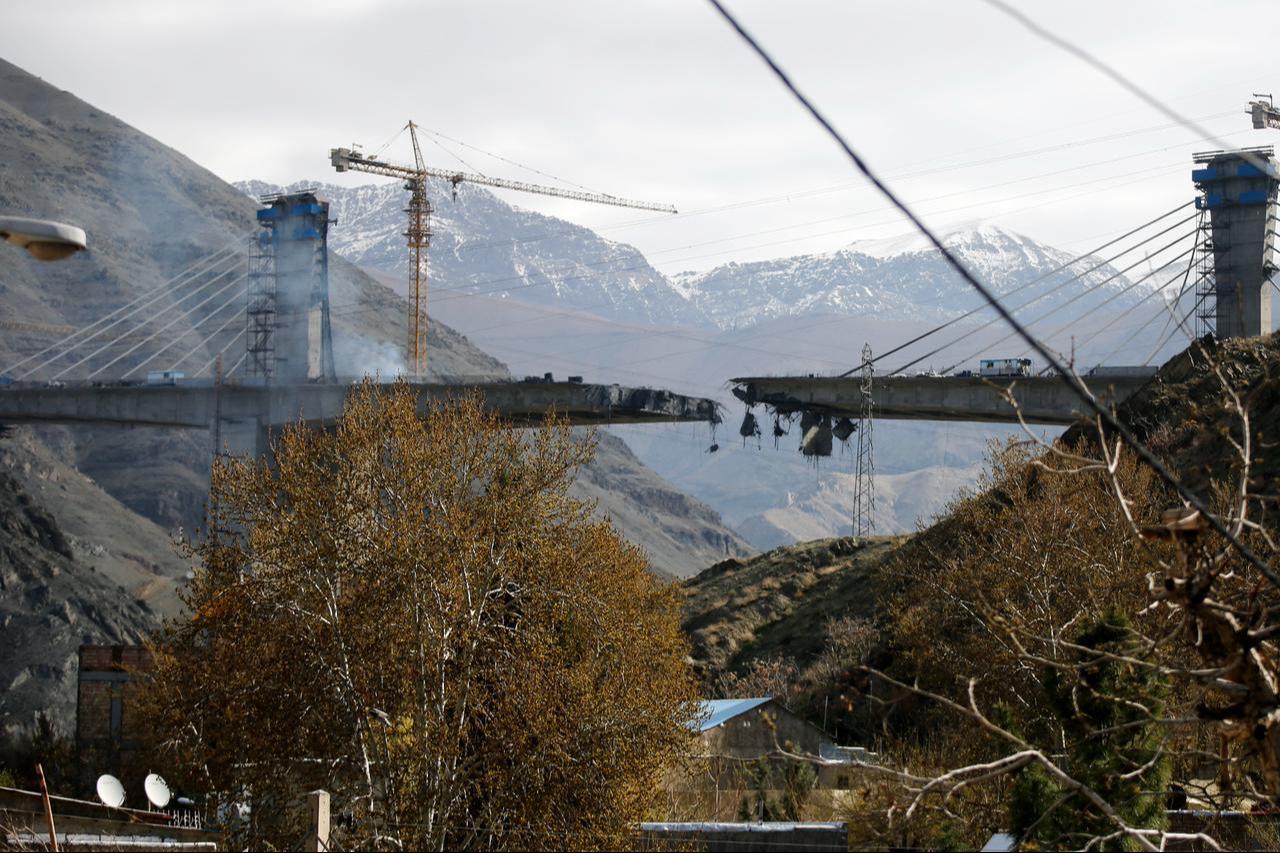
"The next targets would have been their power plants, the bridges, and oil and energy infrastructure. Targets they could not defend and could not realistically rebuild. It would have taken them decades, and we were locked and loaded," he noted.
"President Trump had the power to cripple Iran's entire economy in minutes, but he chose mercy," Hegseth stated.
Hegseth confirmed that the removal of Iranian nuclear material is part of the agreement being negotiated.
"Under the terms, any nuclear material they should not have will be removed," he said.
"The president has been clear from the beginning: there will be no Iranian nuclear weapons. Period, full stop. Other presidents said it. President Trump did it," Hegseth noted.
Iran has not mentioned the removal of nuclear material in its own official communications on the ceasefire.
Hegseth said the military phase of the conflict was complete for now but that U.S. forces would remain on standby.
"Now we have a chance at real peace and a real deal. The war department, for now, for now, has done its part. We stand ready in the background to ensure Iran upholds every reasonable term. And as everybody knows, nobody makes a better deal than President Trump," he said.
He encouraged service members to "stay vigilant, and stay ready," and called Israel "a brave, willing and capable ally," adding that other U.S. allies "should take some notes."


 Set as preferred source
 Set as preferred source


 1 min read

 1 min read