Newsletters


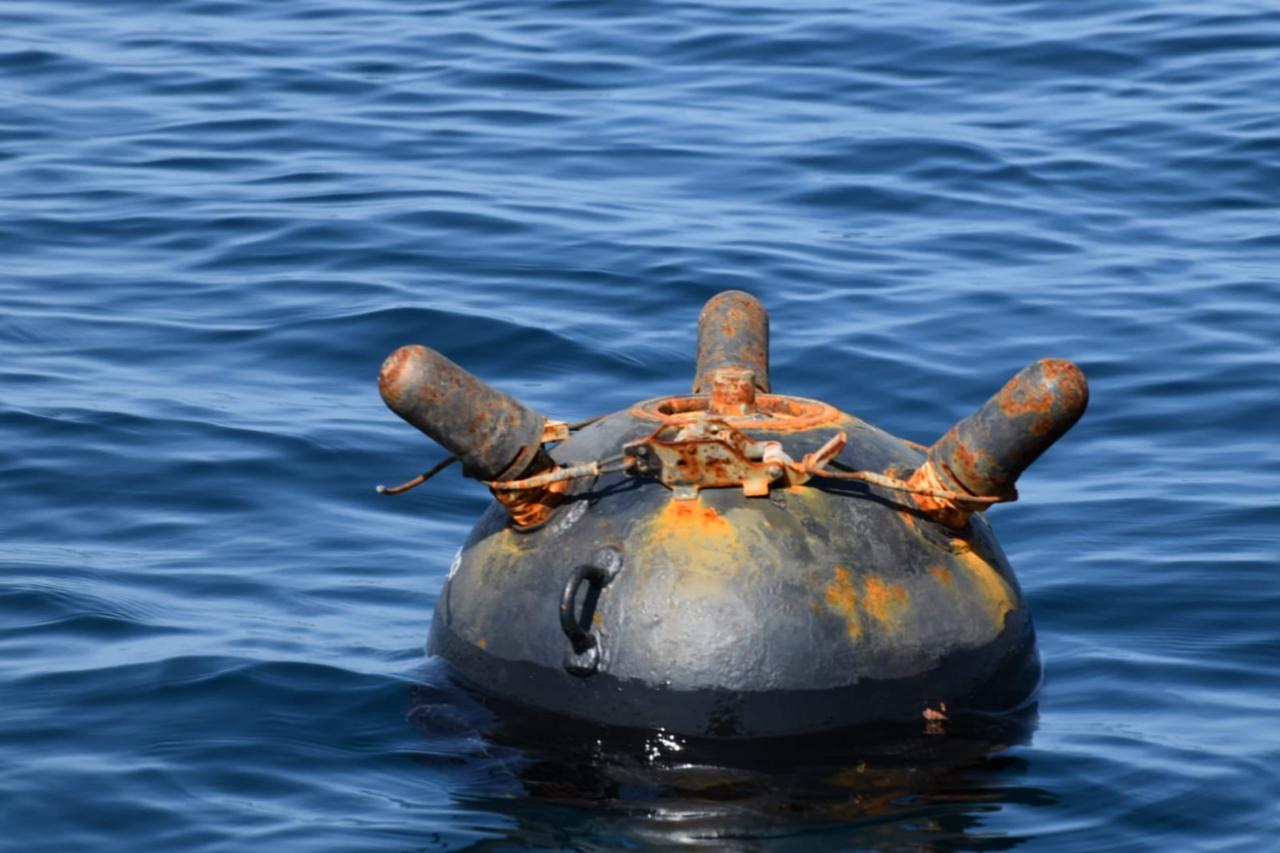


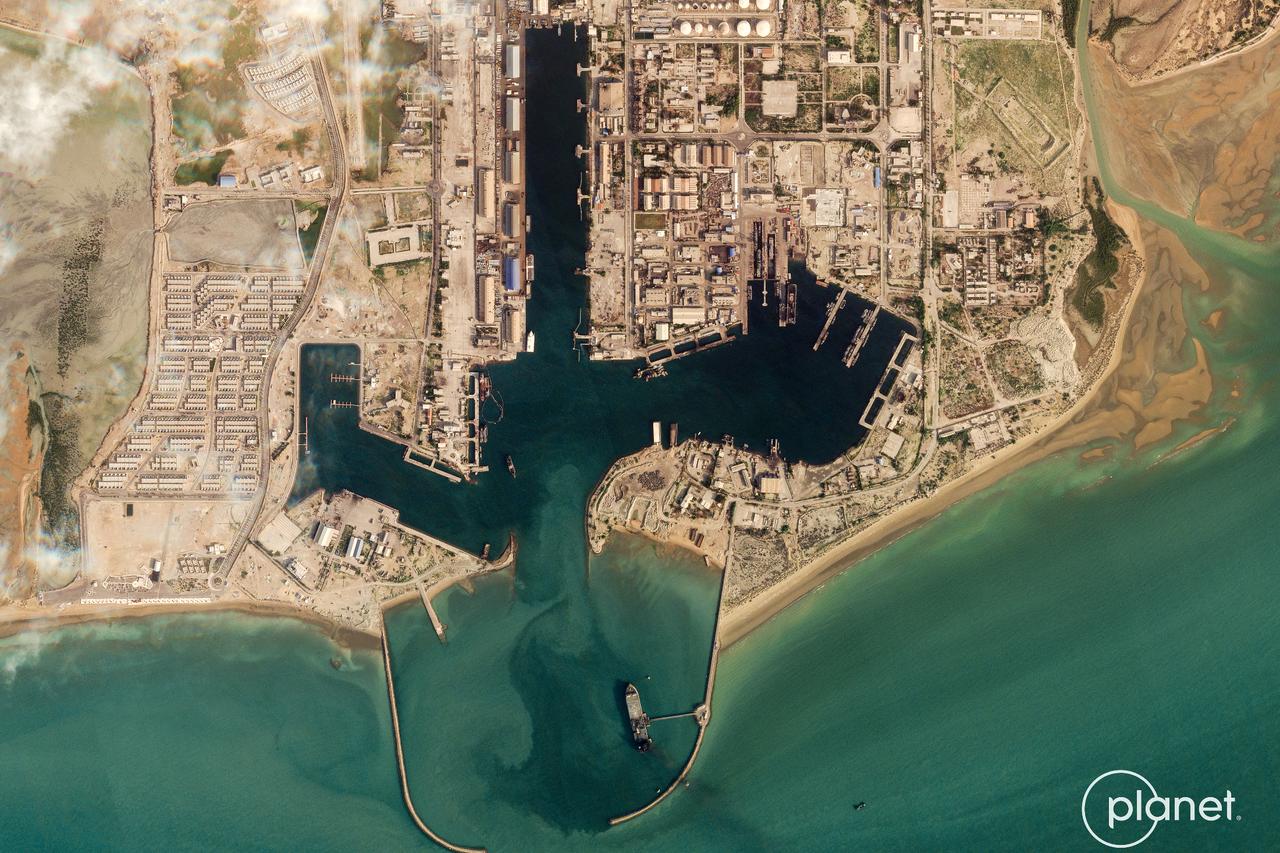
Iran has begun deploying naval mines in the Strait of Hormuz shipping lanes, according to US intelligence, a dangerous escalation that threatens to deepen the blockade of the world's most vital energy corridor just as Washington's credibility on reopening it took a significant hit on Tuesday.
Small Iranian craft capable of carrying two to three mines each have been detected moving into the waterway, CBS News senior White House reporter Jennifer Jacobs wrote on X, citing reporting by Jim LaPorta.
While Iran's total mine stockpile is not publicly known, estimates over the years have ranged from roughly 2,000 to 6,000 naval mines of Iranian, Chinese, and Russian-made variants.
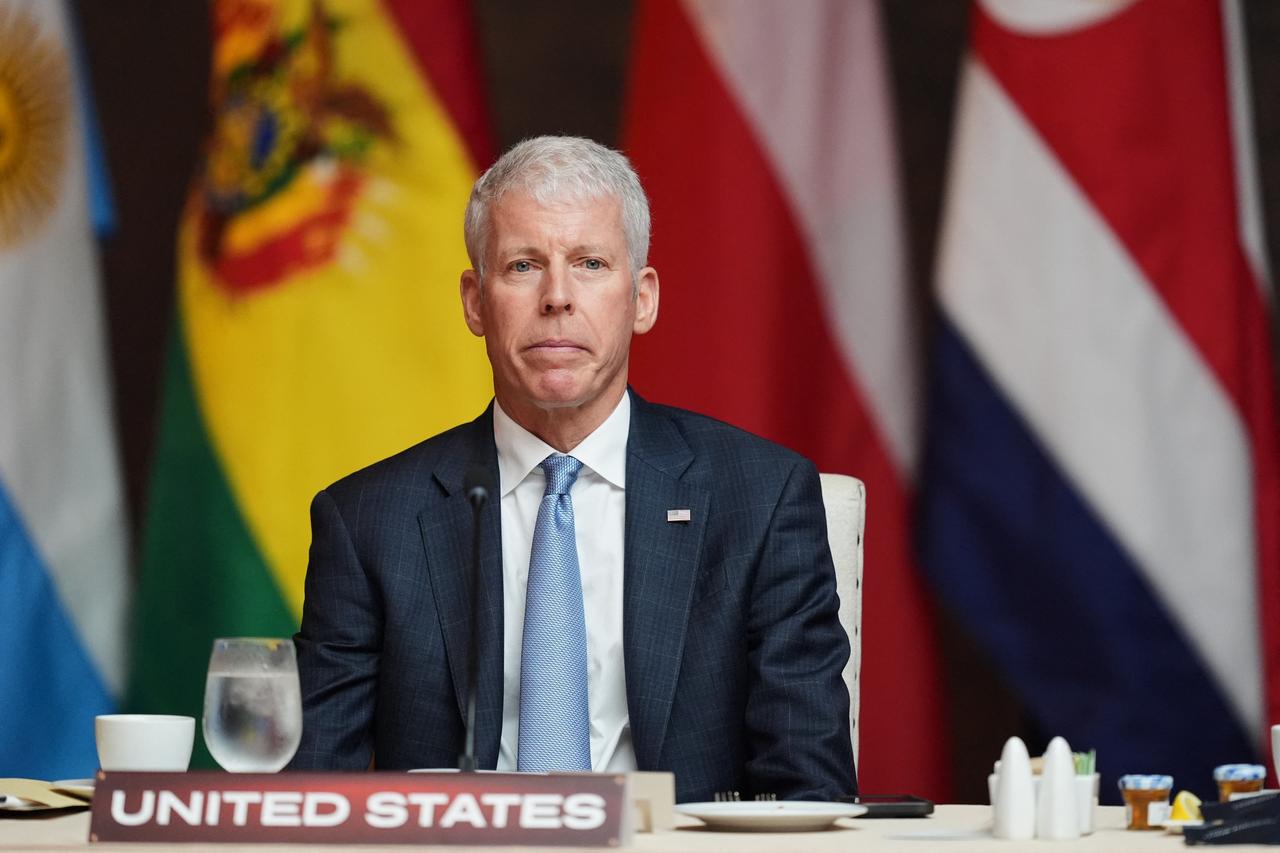
The intelligence emerged on a day when a bold claim by US Energy Secretary Chris Wright about the Navy escorting a tanker through the strait fell apart in public view.
Wright posted that "the US Navy successfully escorted an oil tanker through the Strait of Hormuz to ensure oil remains flowing to global markets," crediting President Donald Trump with "maintaining stability of global energy during the military operations against Iran."
Within hours, a senior source in the IRGC's naval force told Iranian outlet Iran Now that the claim "has no basis in truth," insisting that no US-escorted tanker had transited the strait.
The source described the announcement as part of a "media war and attempts to mislead public opinion," adding that the strait remains under "precise surveillance" by Iranian forces and that "any military movement in the area is fully monitored."
Wright subsequently deleted the post without public explanation, undermining a week of administration messaging aimed at convincing the world that commercial traffic would soon resume.
Just hours later Press Secretary Karoline Leavitt denied Energy Secretary's claim that US Navy has escorted a ship through the Strait of Hormuz:
"I can confirm that the US Navy has not escorted a tanker or vessel at this time, though of course that's an option the President has said he will absolutely utilize if and when necessary at the appropriate time," Leavitt said.

The reported mine-laying marks a potentially pivotal shift in Iran's approach to the strait. Missiles and drones, which have struck multiple vessels since the start of Operation Epic Fury on Feb. 28, are visible and immediate threats.
Mines are different: silent, hidden, and enormously disruptive relative to their cost. Even suspected minefields can freeze shipping indefinitely, since a single undetected device beneath a supertanker could produce a catastrophic explosion and an environmental disaster in the narrow waterway.
Iran does not need a perfect minefield, defense analysts note. It needs doubt. As one assessment published by Army Recognition put it, Iran's strategy is built around manufacturing "sustained friction" rather than seeking decisive naval victory, using mines alongside drones, fast boats, and coastal missiles to keep the strait unusable for commercial traffic for as long as it chooses.
The precedent is ominous. During the Iran-Iraq War in 1988, Iran laid approximately 150 mines in the Strait of Hormuz. One of them, a World War I-era device, struck the USS Samuel B. Roberts and nearly sank the frigate, prompting a major US retaliatory strike that destroyed several Iranian warships. Naval mines have been responsible for 77% of US ship casualties since 1950, according to research by the Strauss Center at the University of Texas.
General Dan Caine, chairman of the Joint Chiefs of Staff, told reporters that US Central Command "continues to hunt and strike mine-laying vessels and mine storage facilities," and that the military had sunk or destroyed more than 50 Iranian naval ships in the first 10 days of the campaign.
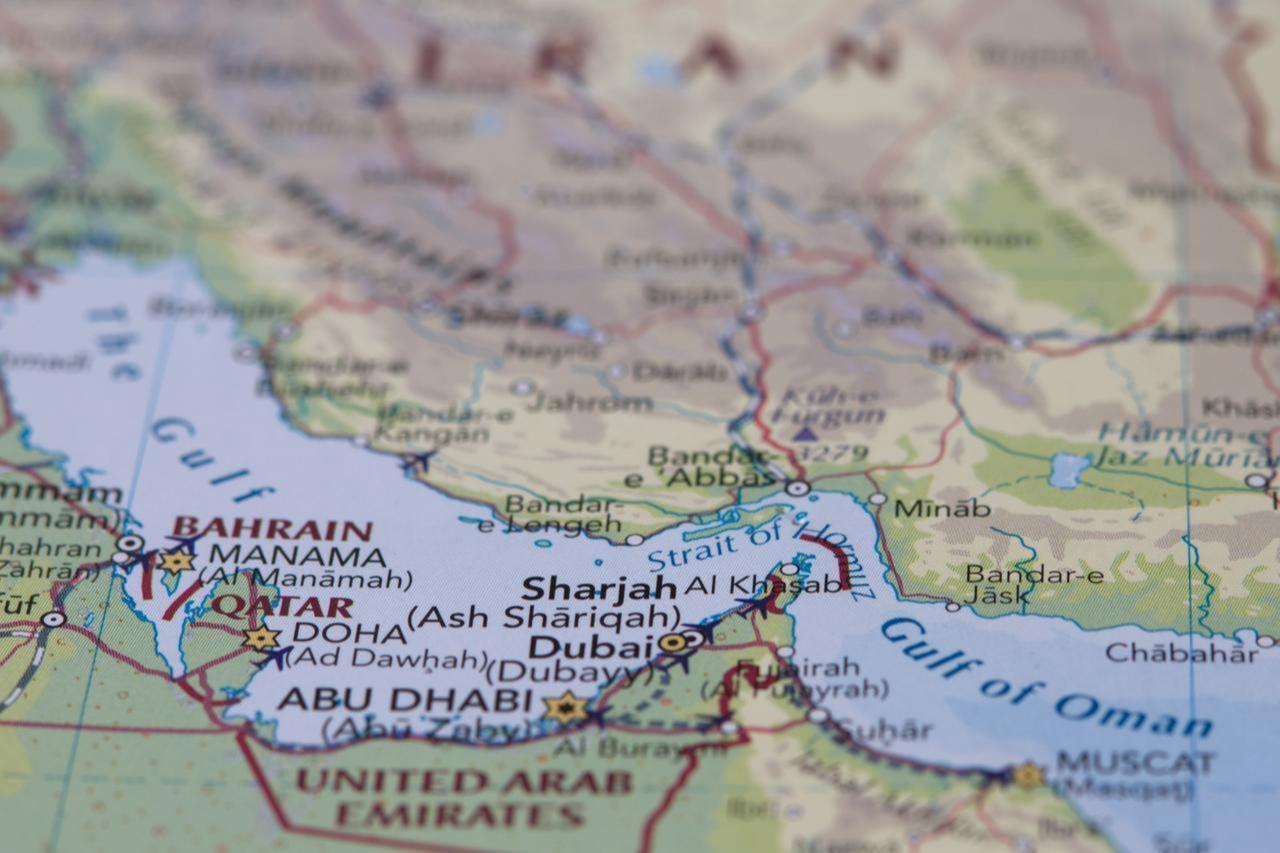
The strait, barely 21 miles wide at its narrowest point between Iran and Oman, normally handles roughly 20% of global crude supply.
Its two shipping lanes, each only about two miles wide, funnel the world's largest tankers through one of the most predictable and vulnerable corridors in international shipping.
Since the IRGC declared the strait closed on March 2, commercial traffic has all but vanished. Tanker movements collapsed by roughly 90% within days of the conflict's start, according to ship tracker MarineTraffic.
Roughly 200 oil tankers and cargo ships sat anchored on either side of the waterway by mid-week, as Monocle reported from Oman's Musandam Peninsula, where correspondents described a once-busy seaway reduced to eerie stillness, with vessels motionless on the horizon.
The only confirmed non-Iranian transits have been a handful of daring passages by vessels with Chinese or Turkish ownership that broadcast their identities over radio in hopes of avoiding attack.
One tanker, the Pola, switched off its tracking transponder and reappeared days later off Abu Dhabi, having apparently completed a covert transit under extraordinary risk, according to Al Jazeera citing Reuters.
The blockade has forced Gulf producers into painful output cuts. Bloomberg reported Tuesday that Middle East production reductions are now shaving roughly 6% off global supply. Iraq's southern oilfields, which account for the vast majority of the country's output, have seen production plunge by roughly 70% to about 1.3 million barrels per day.
Saudi Aramco has begun rerouting crude through its East-West pipeline to the Red Sea port of Yanbu but expects to reach the system's full capacity of 7 million barrels per day only in coming days, still short of normal export volumes.


 Set as preferred source
 Set as preferred source


 1 min read

 1 min read