Newsletters


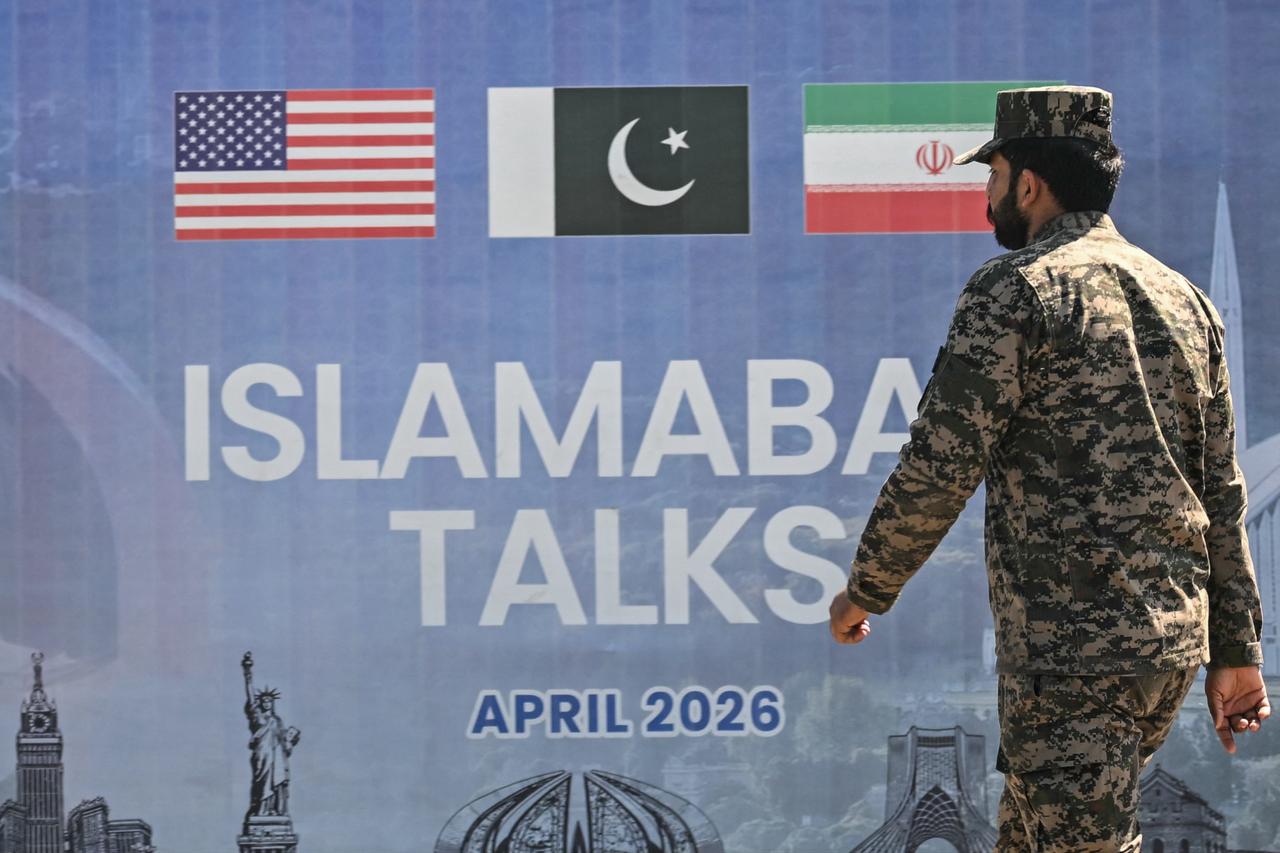


Iran's state television and Tasnim News Agency reported that Tehran blames U.S. "excessive demands" for the failure of 21 hours of negotiations in Islamabad to produce an agreement Sunday.
A source close to the talks told Tasnim that the ball is now in Washington's court and that Iran has "no urgency" and that the Strait of Hormuz will remain unchanged until the U.S. agrees to a reasonable deal.
Iranian state television announced the conclusion of the Islamabad talks and attributed the failure to reach a common framework or agreement to the U.S. side.
The talks, lasting approximately 21 hours and covering issues including the Strait of Hormuz and the removal of nuclear materials from Iran, could not produce an agreement, Iranian state media said.
The Iranian delegation tried through various initiatives to steer the U.S. side toward a common framework, but the U.S.'s excessive demands prevented its formation, state television reported.

A knowledgeable source told Tasnim News Agency that Iran presented "reasonable initiatives and proposals" during the negotiations.
"The ball is in America's court to look at the issues with realism. The U.S. government, just as it failed in its war calculations, has so far also erred in its negotiation calculations. Iran has no urgency, and until the U.S. agrees to a reasonable deal, there will be no change in the situation in the Strait of Hormuz. No time or venue for a possible next round of negotiations has been set," the source told Tasnim.

Tasnim's correspondent at the negotiating venue summarized Iran's account of the talks in five points.
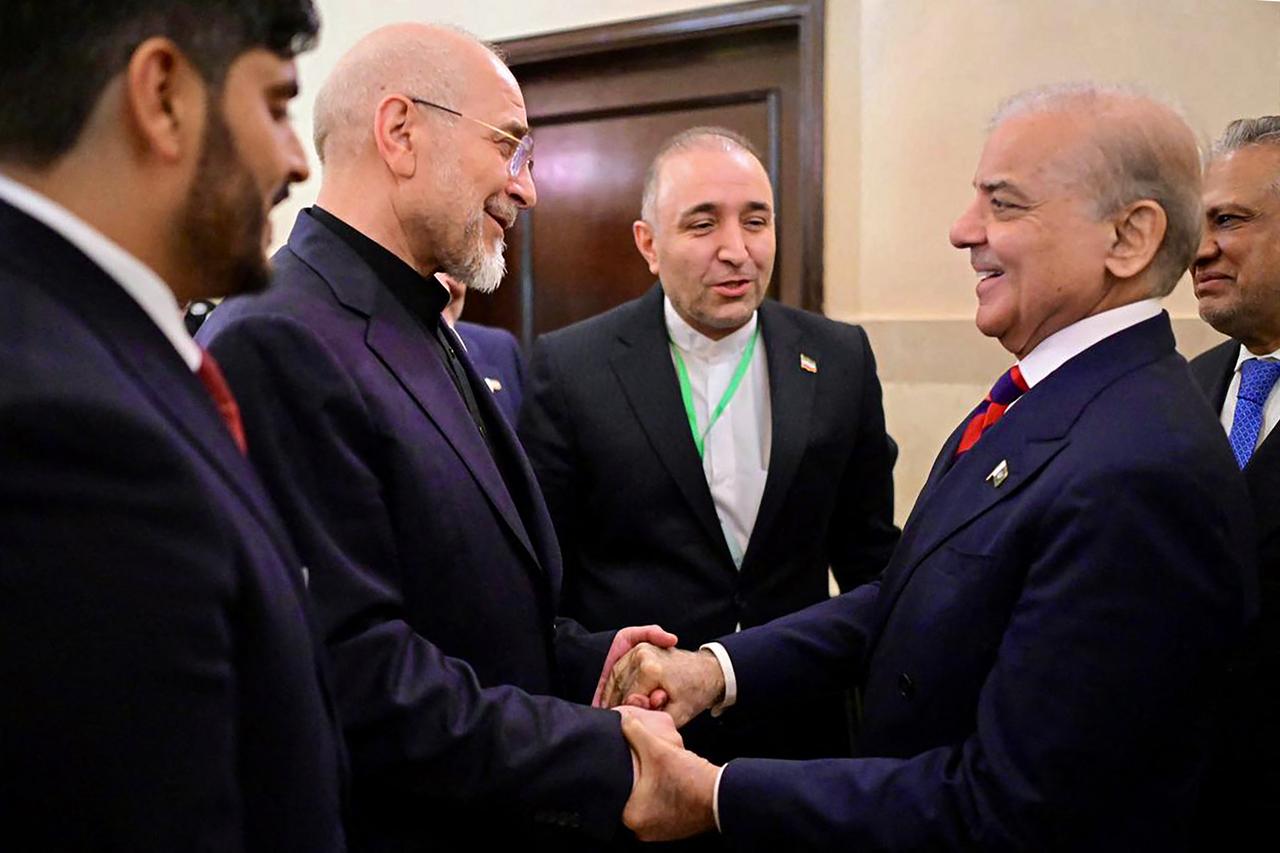
The Iranian negotiating team, led by Ghalibaf alongside Abbas Araghchi and Ali Bagheri, arrived in Islamabad late Friday and met at least twice with Army Chief Asim Munir and once with Prime Minister Shehbaz Sharif, partly to protest what Iran described as a U.S. breach of commitment at the very start of negotiations.
Talks with the Pakistani side began at 1:00 p.m. Saturday. Hours later, direct engagement with the U.S. side began, first between the main delegations and then at the expert level.
The total duration exceeded 21 hours.
"Iran repeatedly presented new initiatives and tried to invite the American side to realism. American excessive demands in each round prevented reaching a common framework," the correspondent said.
"The Americans intended to achieve in the negotiating room the concessions they could not obtain in the war, including the matter of the Strait of Hormuz and the removal of nuclear materials from the country, but the Iranian delegation prevented this," Tasnim's correspondent added.
After Pakistani mediation efforts and an exchange of texts in the early hours of Sunday, the talks concluded without result due to the persistence of what Iran described as the same U.S. posture.
No program has been announced for the time, location, or agenda of the next round of negotiations.
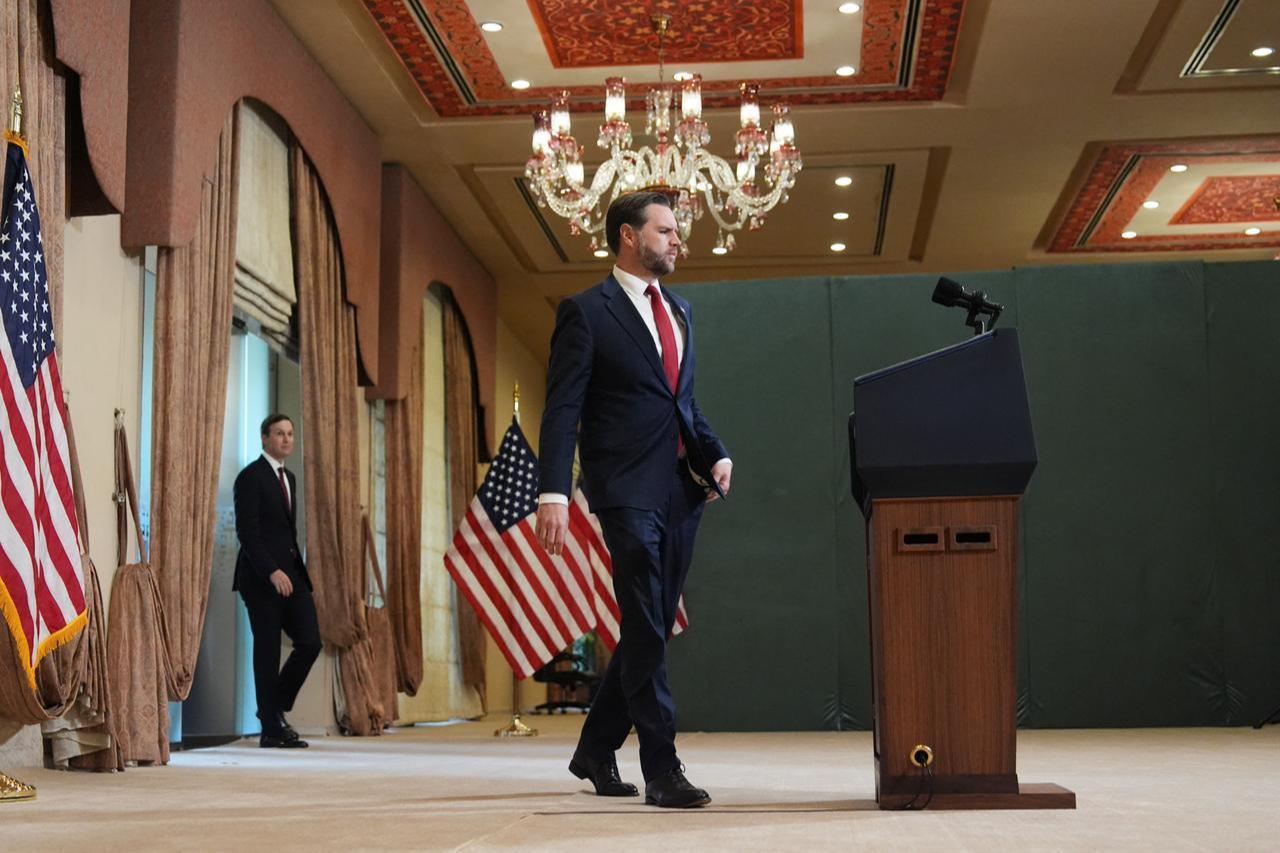
Vance said after the talks that Iran had "chosen not to accept our terms" and that the core unresolved issue was Iran's refusal to provide a long-term commitment to forgo developing nuclear weapons.
He said the U.S. left a "final and best offer" on the table and urged Iran to respond.
Pakistan's Foreign Minister Ishaq Dar urged both sides to uphold the ceasefire, saying Pakistan would continue to facilitate engagement in the days ahead.


 Set as preferred source
 Set as preferred source



 2 min read