Newsletters


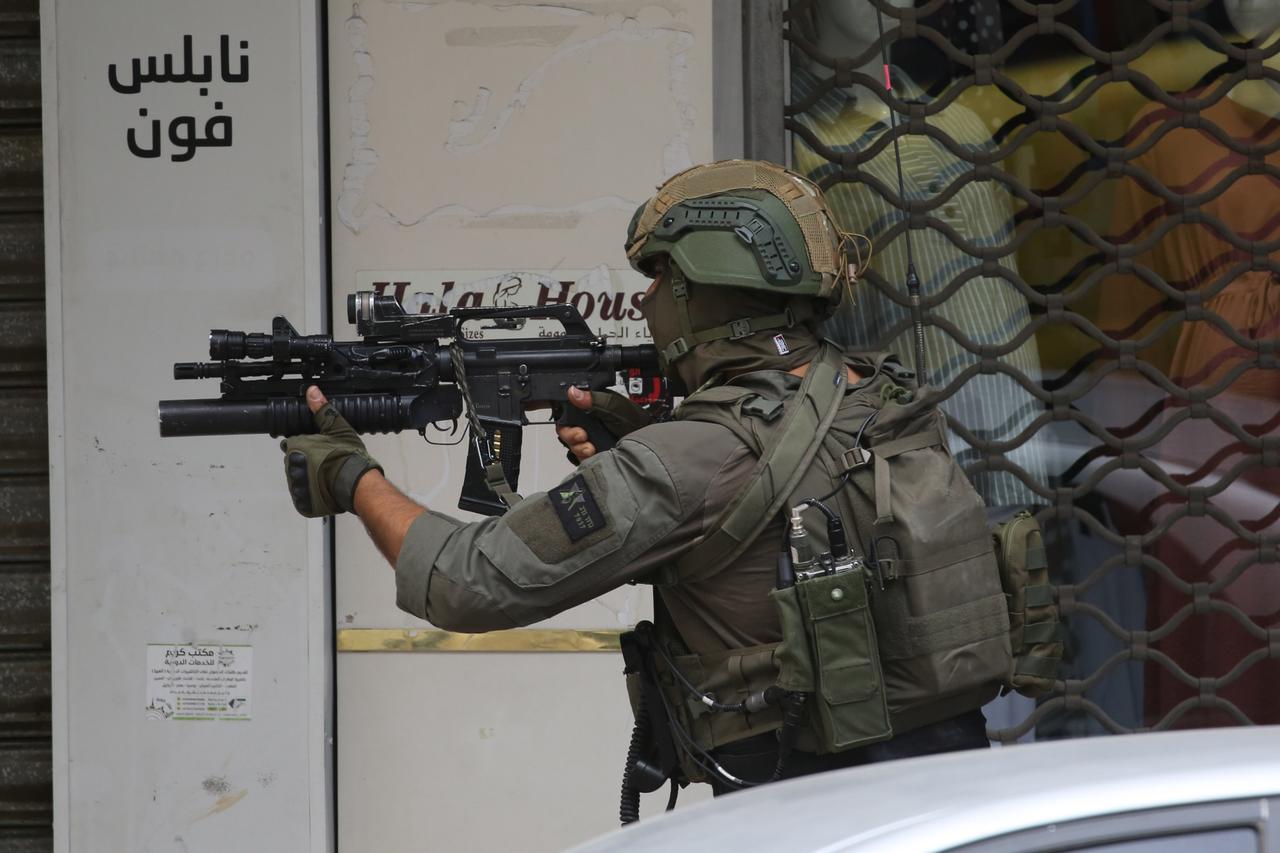


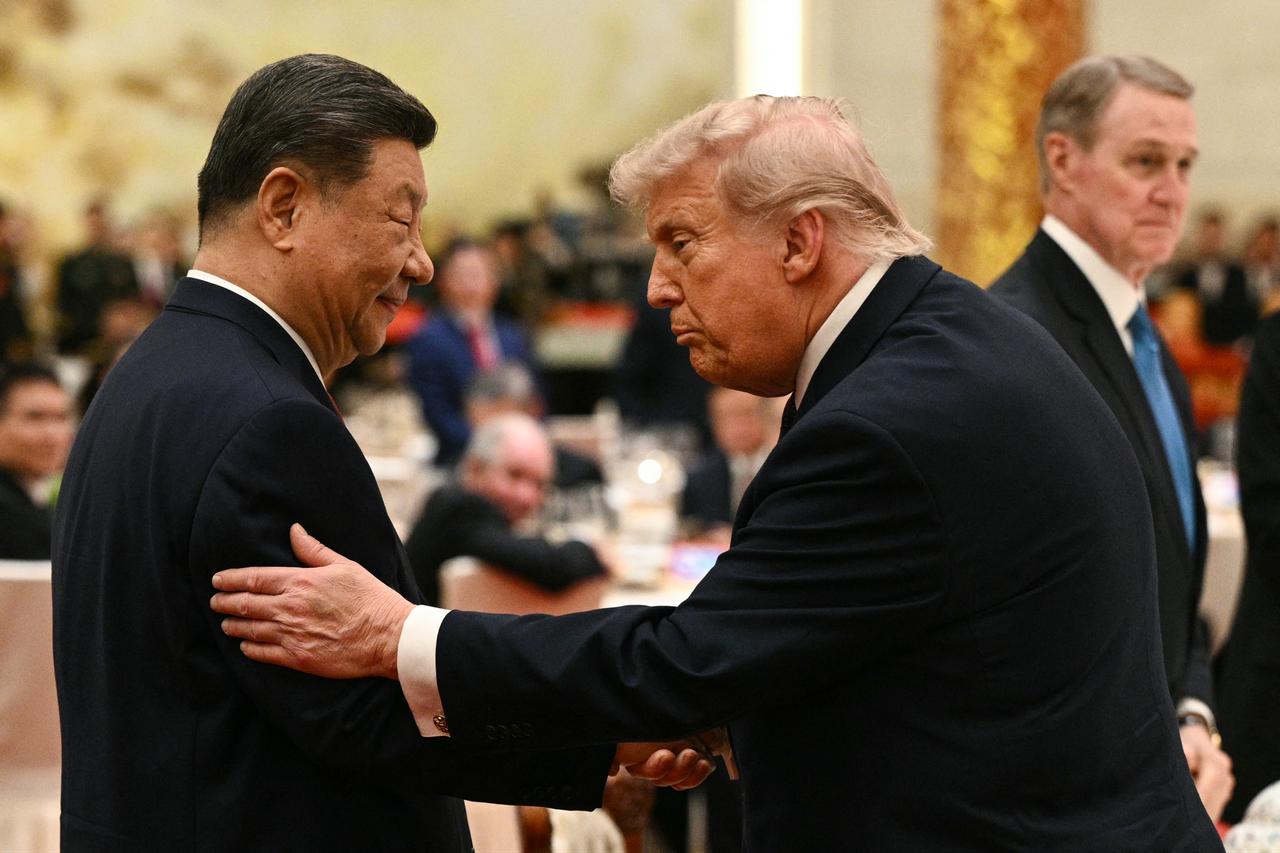
Israeli officials and military commanders will be on high alert this weekend in case U.S. President Donald Trump decides to resume strikes against Iran following his state visit to China, Axios reported, citing unnamed Israeli officials. The report said any resumed operation would be conducted in coordination with the Israeli military.
Trump's own advisers acknowledged they were actively discussing military escalation options and the war's mounting economic cost was creating political vulnerabilities at home.
Axios reported that U.S. officials don't expect Trump to take dramatic steps during the China visit itself, but believe he "could make his next move immediately afterward."
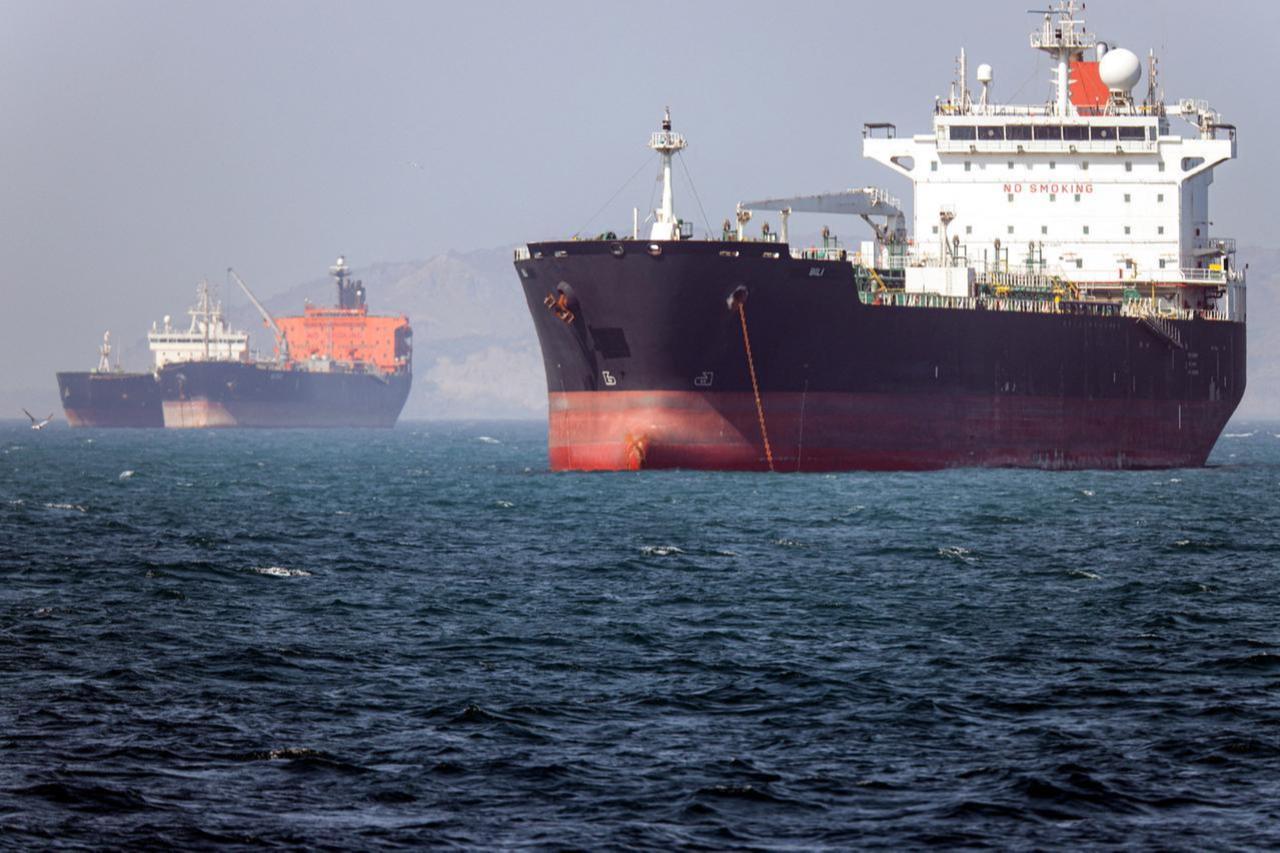
Under discussion are two distinct paths: resuming Project Freedom—the naval operation to break the Hormuz blockade that was abruptly suspended on May 6 after less than 48 hours—or launching a fresh bombing campaign targeting Iranian infrastructure.
Axios added that Israeli officials said they would be on high alert this weekend and that any such operation would be coordinated with the Israeli military.
Israeli state broadcaster KAN separately reported, citing unnamed Israeli officials, that senior Israeli military officers who met with CENTCOM last week conveyed the message that Tel Aviv wanted strikes to resume, with discussions focusing in particular on possible attacks on Iranian fuel and energy facilities aimed at pressuring Iran to accept an end to its nuclear program.
Israeli Defense Minister Israel Katz said Thursday, "Our mission in Iran is not over. We are prepared for the possibility that we may need to act soon."
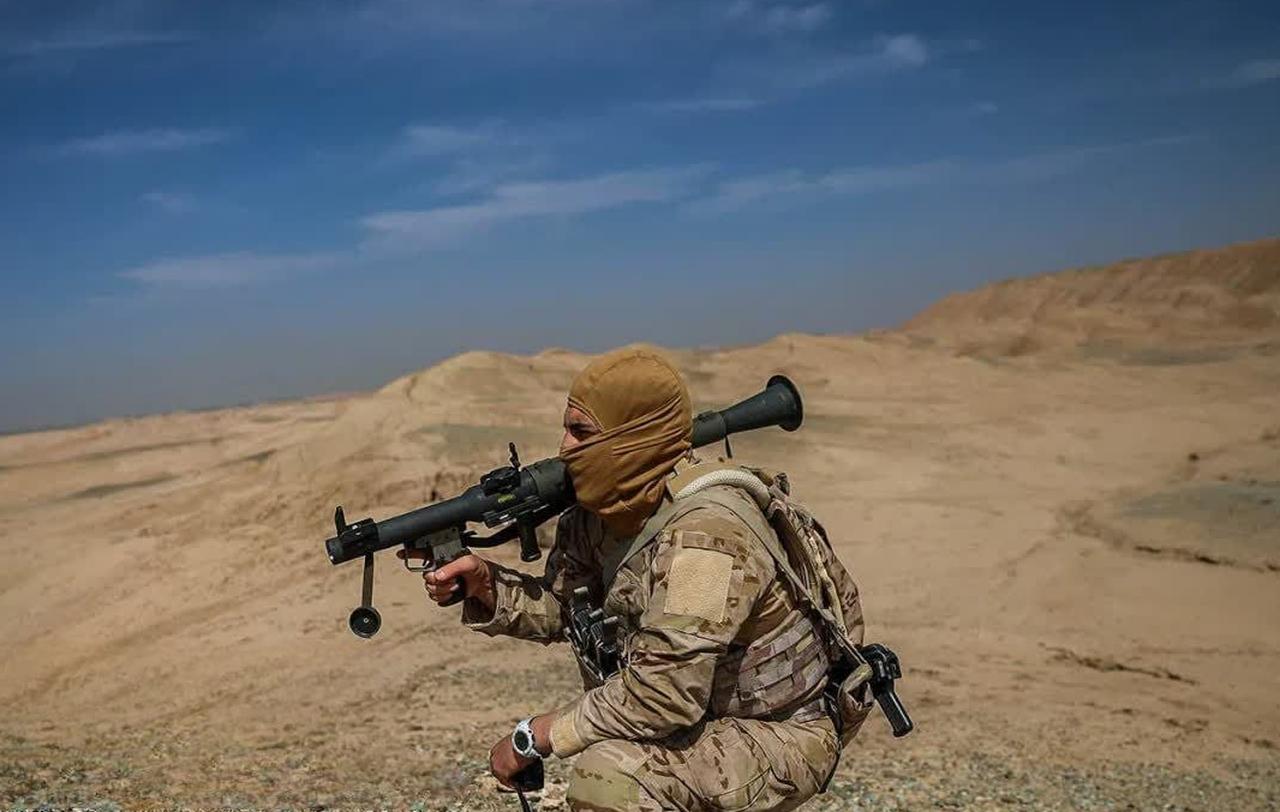

Axios reported that Trump's own advisers acknowledged a fundamental tension: how to pressure Iran without triggering oil price spikes and market volatility in a midterm election year.
"Iran has more time, and they're counting on our political calendar to benefit them," a second Trump adviser told Axios.
Republican pollsters and consultants acknowledged to Axios that gas price increases driven by the war would make it harder to sell the midterm message on tax cuts.
One adviser said Trump was "serious about a non-nuclear Iran," political considerations notwithstanding, while White House spokesperson Olivia Wales said: "President Trump's ultimate responsibility is the safety and security of the Americans, which is why the President will never allow the world's number one state sponsor of terror to have a nuclear weapon."
She added that Trump had "been clear about short-term disruptions as a result of Operation Epic Fury" but argued his agenda would "keep America on a solid economic trajectory."
Trump himself had said this week, according to Axios, that he did not "think about Americans' financial situation even a little bit" when considering his Iran decisions, a remark aides said reflected his nuclear focus but that Democrats were already preparing to use in campaign advertisements.
Admiral Brad Cooper, head of U.S. Central Command, told the Senate Armed Services Committee on Thursday that U.S. and Israeli airstrikes had conducted more than 1,450 strikes on Iranian weapons production facilities, destroying or damaging more than 85% of Iran's ballistic missile, drone and naval industrial base.
He said rebuilding Iran's navy would take "a generation" and that drone and missile production recovery would take years.
However, Cooper said Iran retained control of the Strait of Hormuz. "Iran's ability to stop commerce through the straits has been significantly reduced, but their voices are very loud and these threats are clearly heard by the trade sector and the insurance sector," he said.
He added that U.S. forces had destroyed more than 90% of Iran's inventory of 8,000 sea mines, preventing their deployment in the strait, but acknowledged Iran still retained some capabilities to threaten vessels.
He confirmed that the U.S. had the military option to forcibly reopen the Strait of Hormuz, but said it was a decision for policymakers.
Cooper also rejected "inaccurate" media reports, including a Washington Post report citing a U.S. official, that Iran retained 70 to 75% of its prewar missile and launcher inventories, without providing alternative figures.
The Wall Street Journal had previously reported that more than half of Iran's launchers had been destroyed, damaged, or trapped underground and that Iran's missile inventory had been roughly halved, though Tehran still retained thousands of short- and medium-range ballistic missiles.
The Pentagon separately told Congress this week that the cost of the U.S.-Israeli war on Iran had risen from $25 billion last month to $29 billion, according to U.S. media reports.
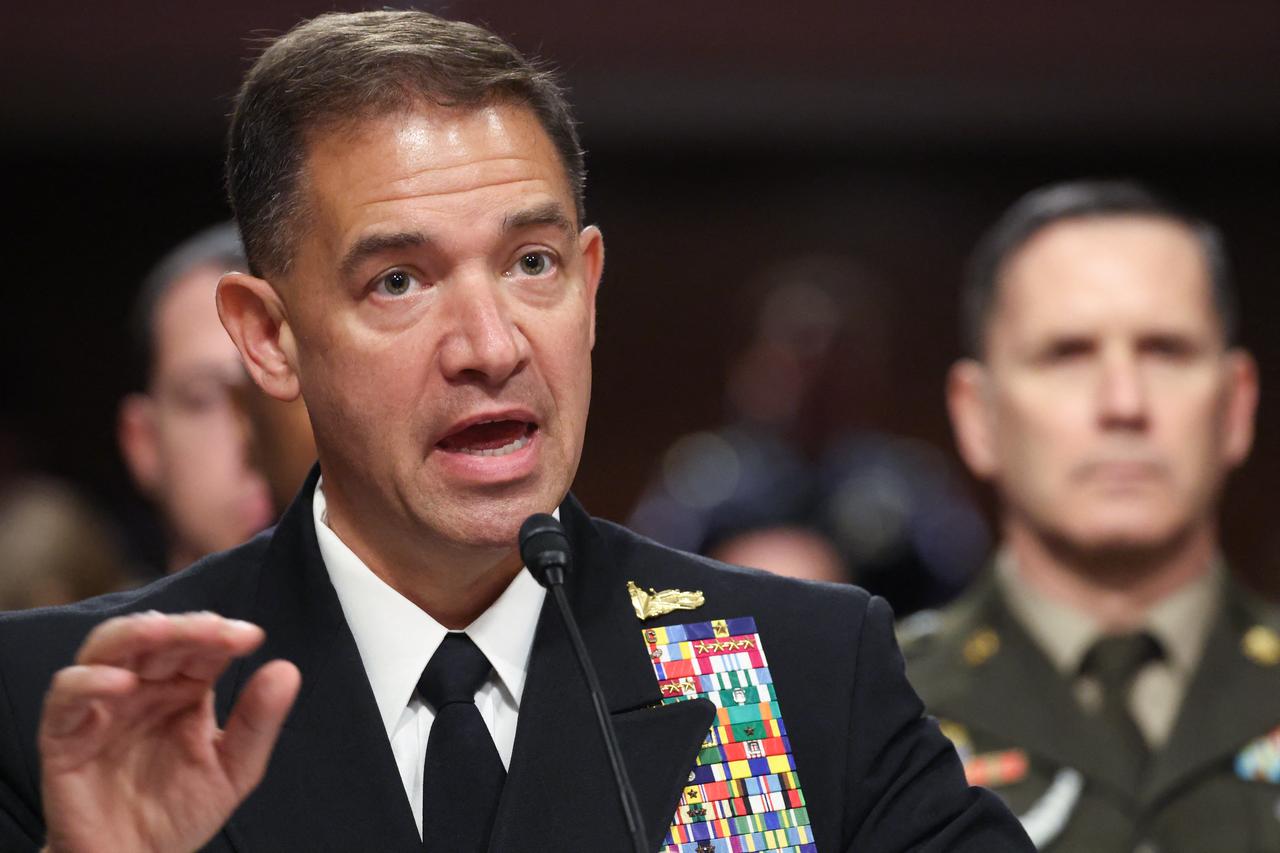
Cooper also confirmed that the U.S. military is still investigating a strike on the Shajareh Tayyebeh Elementary School on Feb. 28, the war's first day, that Iranian officials say killed approximately 150 students and injured nearly 100 others.
"There is one active civilian casualty investigation from the 13,629 munitions," Cooper said, adding: "We have executed every operation consistent with the law of armed conflict."
Asked about a New York Times report that verified damage to 22 schools during the war, Cooper said the Pentagon had not investigated those claims but said he would "be happy to take a look."
Senator Tim Kaine separately challenged the legal basis for the war, saying the Senate Armed Services Committee had been denied access to the Justice Department Office of Legal Counsel opinion used to justify Trump's authority to launch the strikes: "If they won't let us see the legal justification for this war, what are they hiding?"


 Set as preferred source
 Set as preferred source


 1 min read
 1 min read