Newsletters


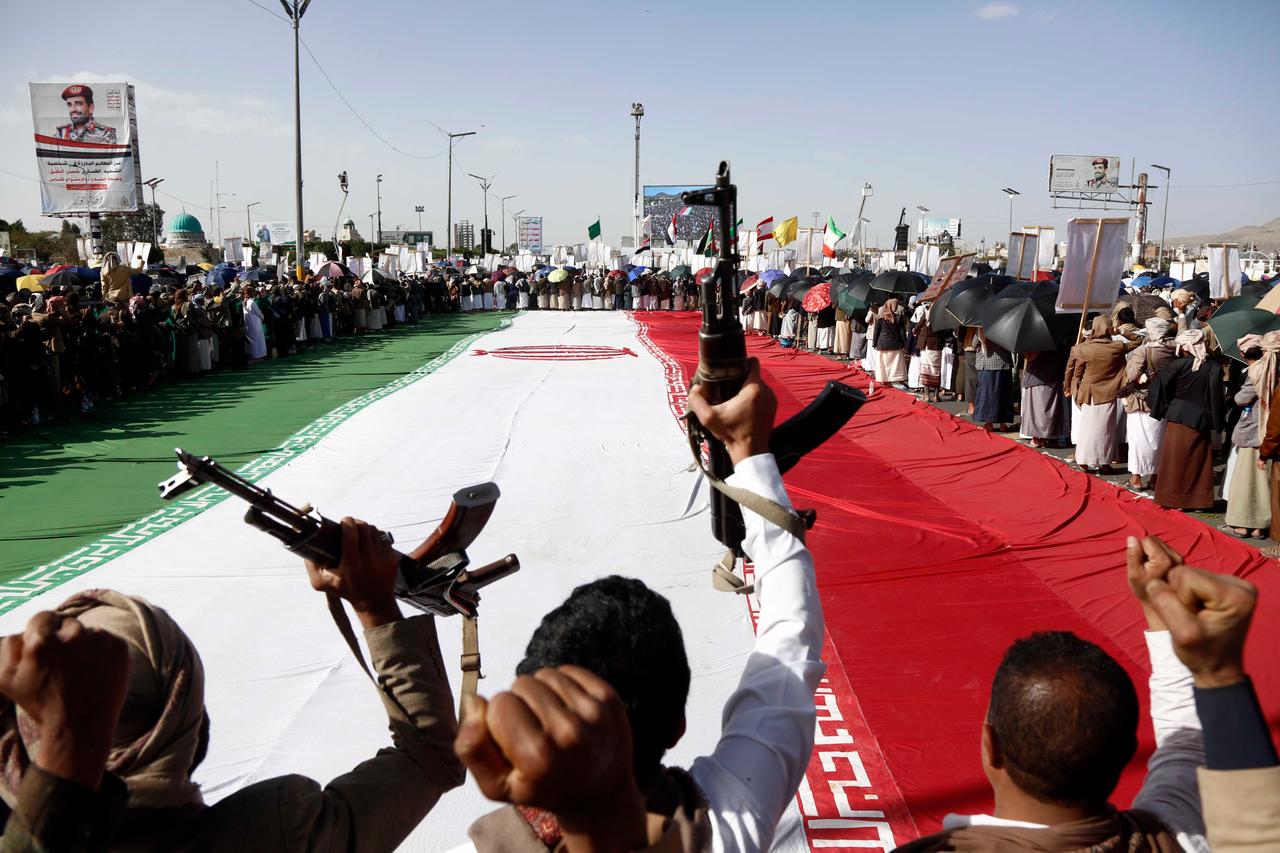


Iran's Parliament Speaker Mohammad Bagher Ghalibaf published a direct appeal to Muslim and Gulf nations through Al Jazeera on Saturday, calling on them to abandon the American security model and build a regional architecture "without America and Israel."
He argued that U.S. bases proved to be "tools for advancing the expansionist goals of the Zionist regime" rather than sources of protection for their hosts.
"Iran is not a threat to the countries of the region. It has always extended the hand of friendship and brotherhood to its neighbors and Muslim countries," Ghalibaf wrote.
"American presidents come and go, but Iran will remain in this region," he noted.
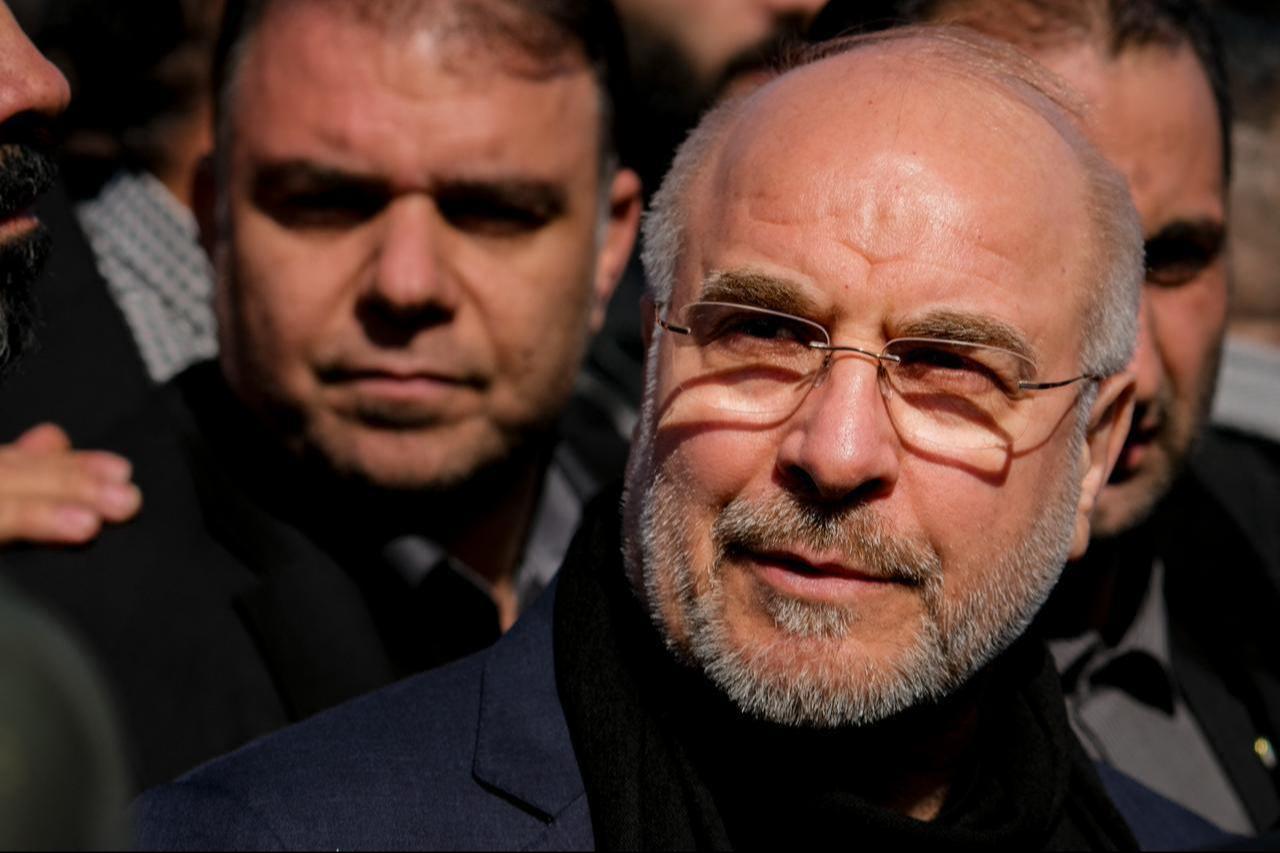

Ghalibaf argued that the war had exposed the failure of U.S. military bases to protect their Gulf hosts. He cited Israel's attack on Qatar with no defensive response from American forces stationed there, and the use of those same bases to launch strikes against Iran.
"These bases were not necessarily created to provide security for the host countries. In practice, they became tools for advancing the expansionist goals of the Zionist regime," Ghalibaf wrote.
"It became clear that they not only did not contribute to increased security but became a factor for increased insecurity in the region," he added.
He said the era of "petro-security", buying protection through arms purchases and foreign military presence, was ending.
"Security cannot be bought; it must be produced," he wrote.
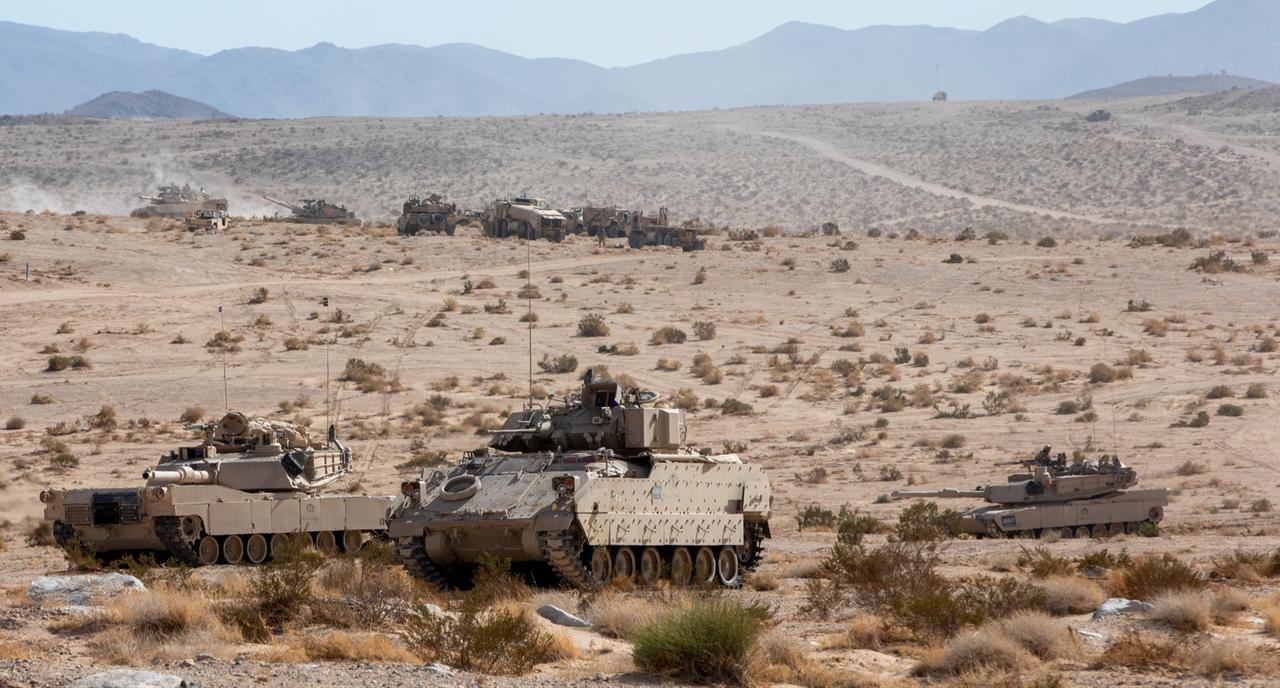
Iran's parliament speaker offered a framework for post-war Gulf security built on bilateral and multilateral agreements between regional states, guaranteed by shared economic interests and free of foreign interference.
"The countries of the Persian Gulf can, through bilateral and multilateral security agreements guaranteed by defined shared economic interests, create lasting security for the region without foreign interference and become one of the safest regions in the world," he wrote.
He cited the 2023 Beijing Agreement between Iran and Saudi Arabia as evidence of Iran's commitment to regional engagement, noting it was pursued by two Iranian presidents and endorsed by the late Supreme Leader Ali Khamenei.
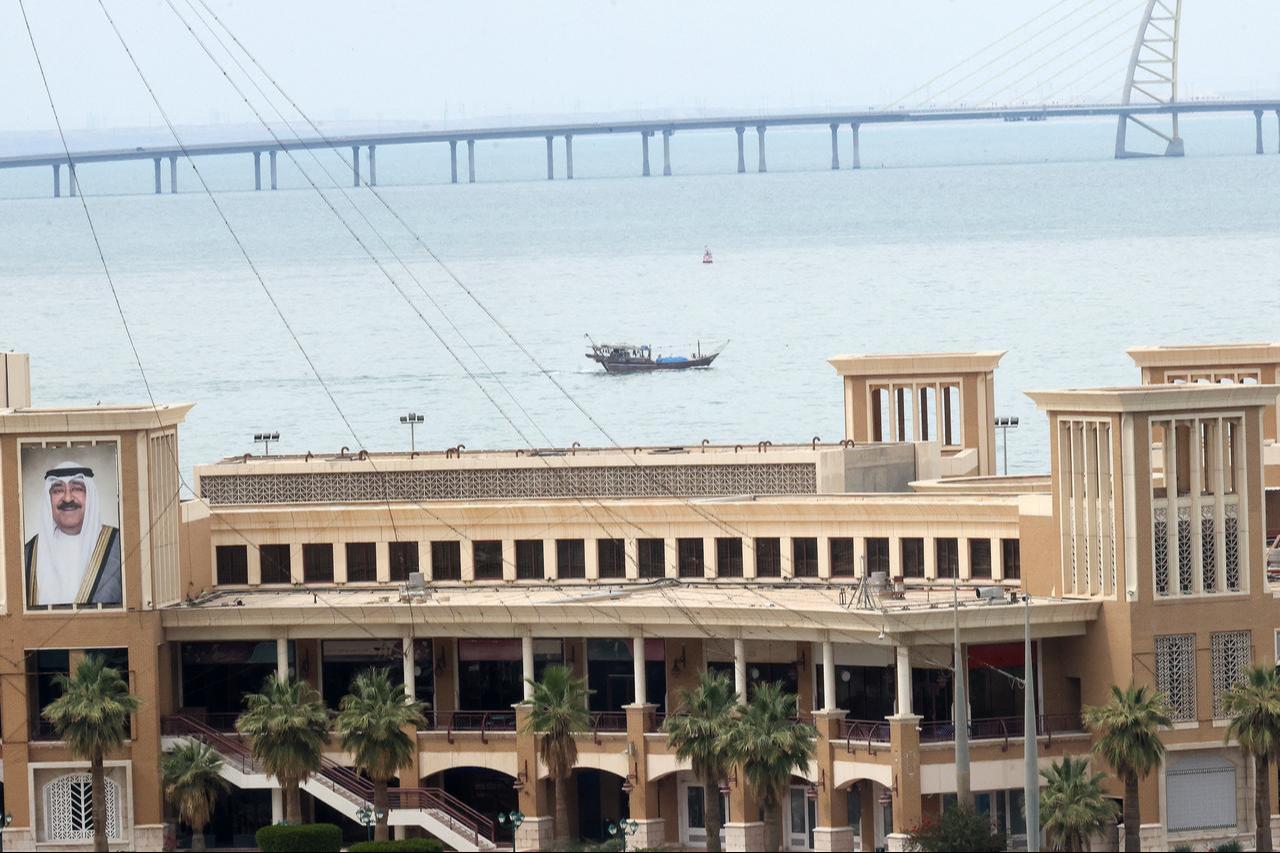
Ghalibaf warned Gulf nations against supporting further escalation against Iran.
"Escalation will inevitably be met with a decisive and broader Iranian response against American interests in the region," he wrote.
"This will only lead to long-term insecurity, destruction of regional infrastructure and permanent flight of investors, and the countries of the region will pay the heavy costs of this policy before anyone else," he added.
He accused Israeli Prime Minister Benjamin Netanyahu of being the "instigator of the war and the main cause of all security, economic and political costs to the region," and warned against falling for what he called Israel's "deceptive" attempt to build a coalition against Iran among Gulf states.
"The deceptive gang is trying once again to give a false address and create the false impression among the leaders of the southern Persian Gulf states that if Iran emerges victorious from this war, security will not return to the region," Ghalibaf wrote.
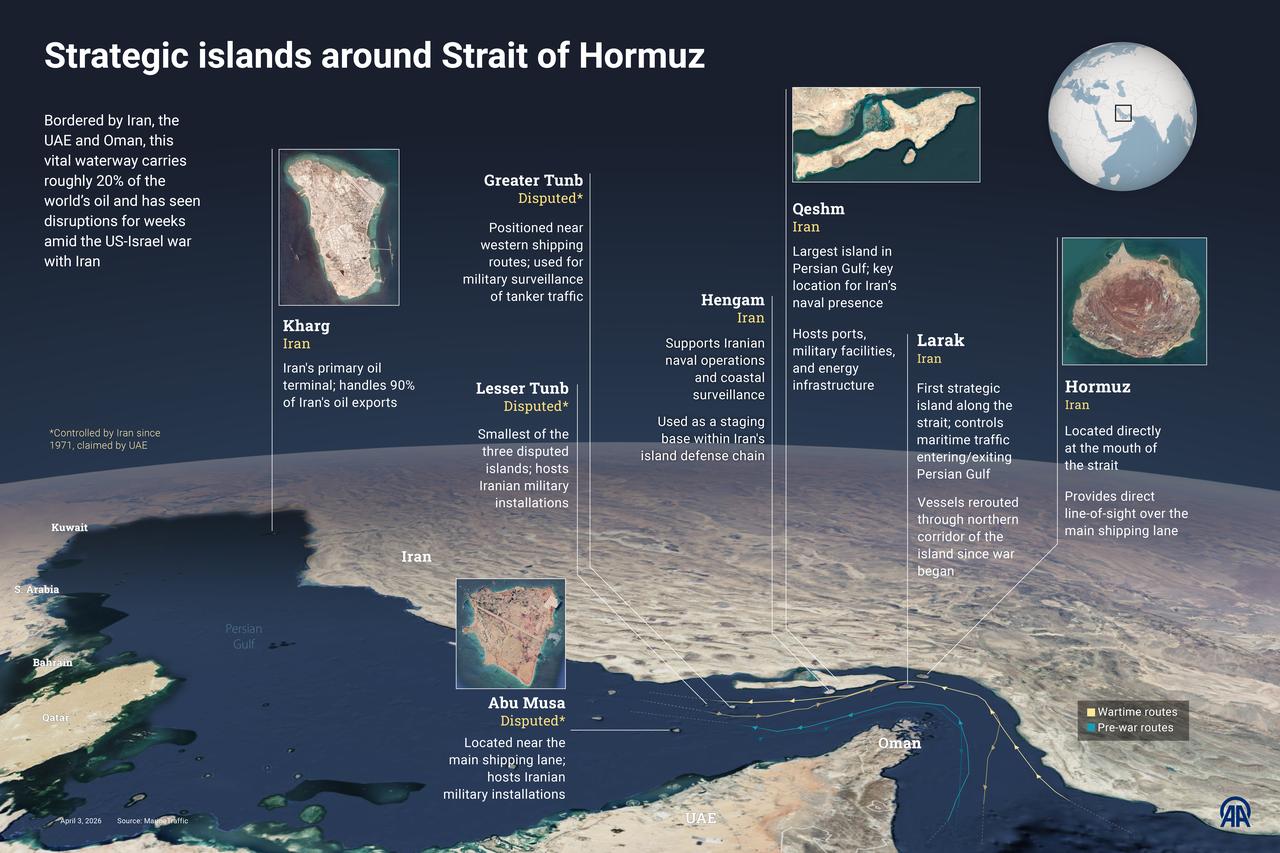
Ghalibaf's appeal came as data compiled by Türkiye's state-run Anadolu Agency (AA) from defense ministries of affected nations showed Iran has launched at least 5,850 missile and drone strikes across seven Arab countries in 35 days of war, up from 5,735 two days earlier.
The UAE remained the hardest hit, with its defense systems intercepting 498 ballistic missiles, 23 cruise missiles and 2,085 drones.
Approximately 15% of Iran's strikes have been directed at Israel, the data showed.


 Set as preferred source
 Set as preferred source



 2 min read