Newsletters


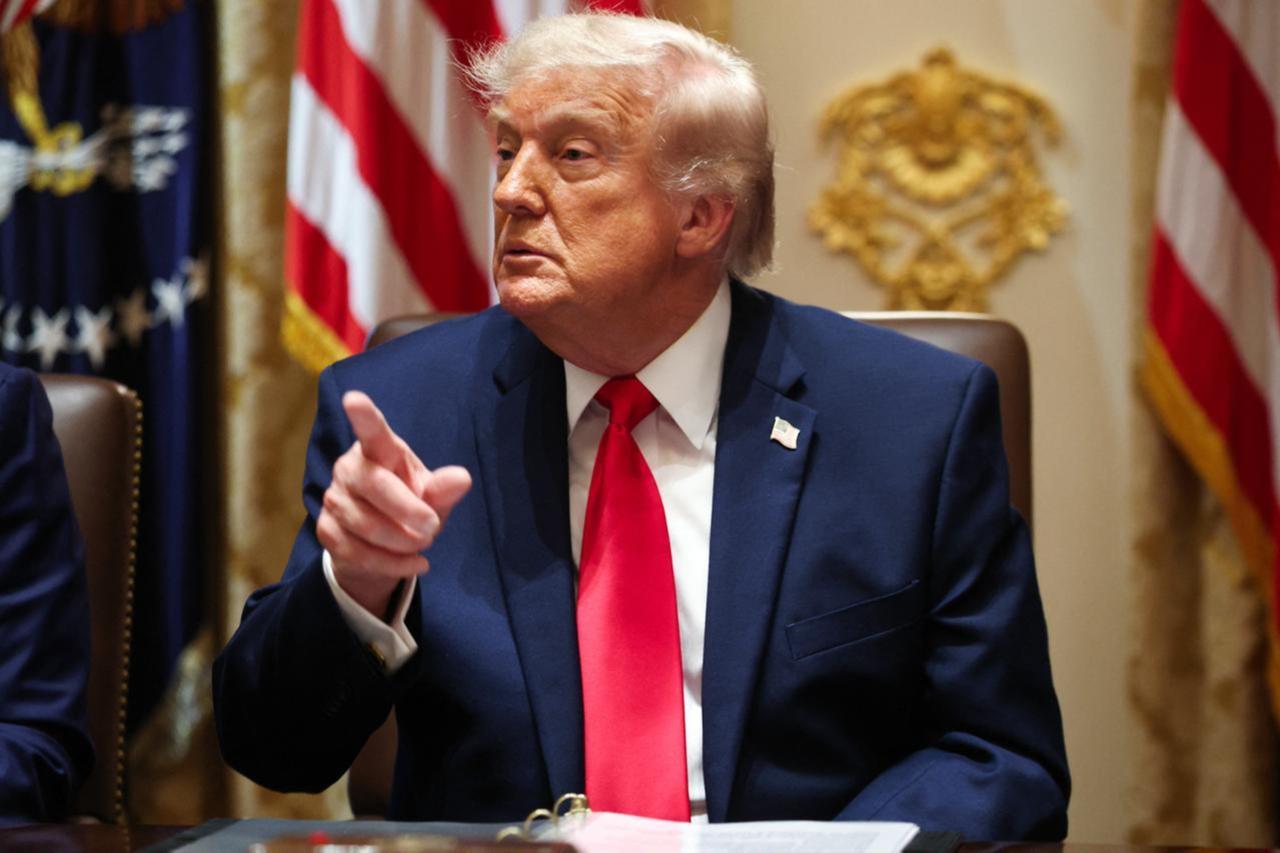


Donald Trump said Wednesday that the United States would move to seize Iran's enriched uranium stockpiles "in the not-too-distant future," issuing the threat even as he described ongoing nuclear negotiations as going "very well" and predicted a possible deal within days.
Speaking to reporters at the White House, Trump said he wants to "get" Iran's enriched uranium, framing the statement as a potential military or coercive action rather than a diplomatic one.
The remarks came on the same day Kuwait reported that Iranian strikes had killed one person, injured 63 others and damaged key facilities, including diplomatic missions. Kuwait said it "reserves the full right" to respond to the attacks.
Despite the renewed violence, Trump downplayed the incident. "They did something, not a big deal. We got it. We nipped it in the bud very quickly, as we do with the greatest military in the world," he told reporters.
Trump said Iran is "pretty close to signing a paper" and that progress could come "over the weekend." He described the state of diplomacy in optimistic terms, saying the negotiation "has gone very well, actually very well."
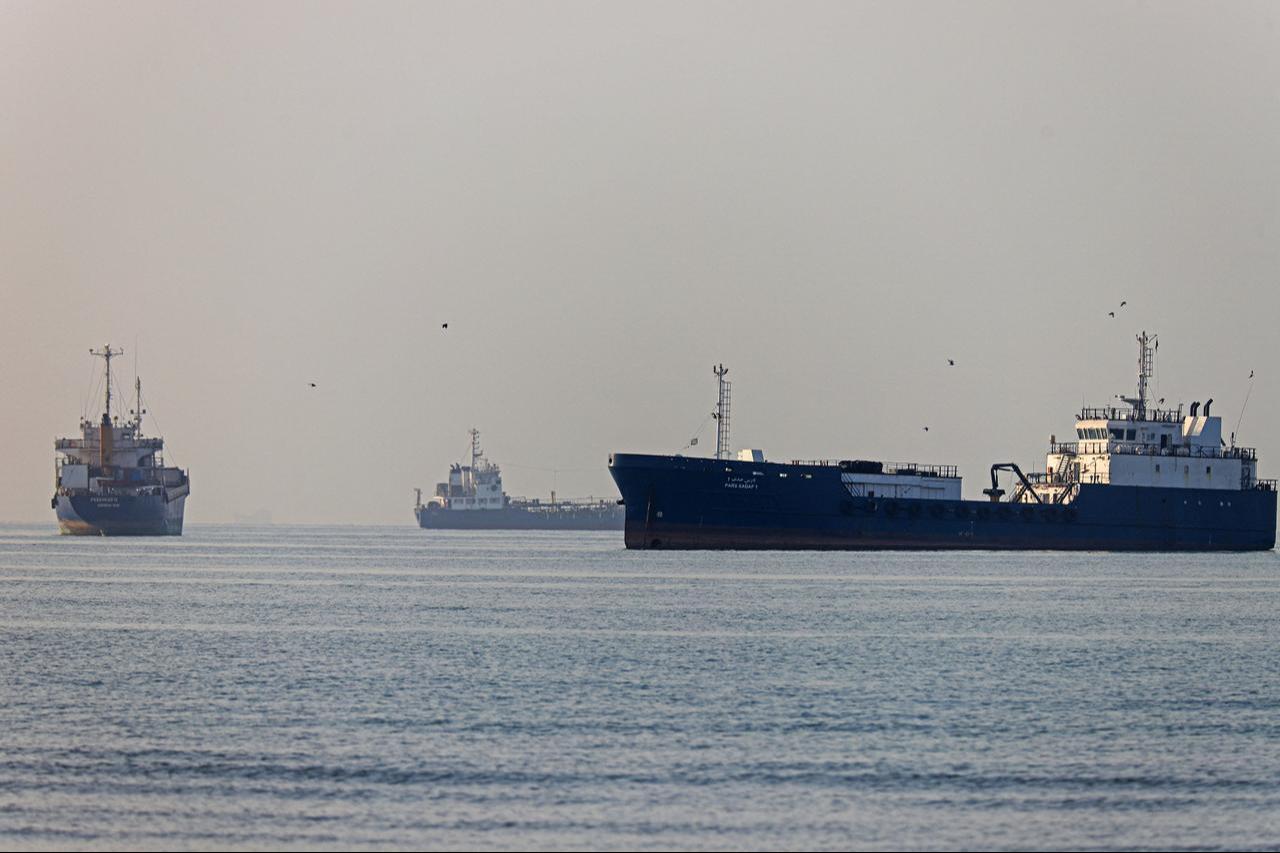
The Strait of Hormuz, which Iran has effectively closed to a significant portion of international shipping since the outbreak of hostilities earlier this year, would reopen "immediately" upon the signing of any deal, Trump said.
The waterway is one of the world's most critical chokepoints, carrying roughly 20% of global oil trade. Restoring passage through it has been a central demand of Washington and Gulf states throughout the talks.
Secretary of State Marco Rubio testified before the Senate Foreign Relations Committee this week that Washington has not offered to lift sanctions or unfreeze Iranian assets as part of an initial agreement, insisting those concessions would only come after Iran followed through on commitments to curtail its nuclear program.
Rubio said Iran must commit to disposing of its enriched uranium, with the precise mechanisms to be worked out in later negotiations.

Asked whether a deal on the Strait of Hormuz could be reached independently of a broader ceasefire in Lebanon, Trump said Washington is "trying" to treat the two issues as distinct. He disclosed that the United States had held its first-ever direct communication with Hezbollah, the Lebanese militant group and Iranian proxy, and said the group had agreed to halt fire, as had Israel.
"We actually spoke with Hezbollah for the first time ever. We didn't know they spoke, and they agreed yesterday they're not going to shoot. Israel's not going to shoot," Trump said, before adding that he would prefer to keep Lebanon and the Hormuz negotiations on separate tracks.
The diplomatic activity unfolds against a backdrop of continued military exchanges. The U.S.-Iran ceasefire, brokered with Pakistani mediation in April, has been tested repeatedly by strikes and counter-strikes across the Gulf region.
The conflict began on February 28 when the United States and Israel struck Iranian military and nuclear infrastructure. Iran has since launched retaliatory attacks across the region, including strikes on Kuwait, Saudi Arabia and Bahrain.
Talks between the two sides have centered on a preliminary memorandum of understanding that would formally extend the ceasefire, gradually reopen the Strait of Hormuz and set a timeline for further negotiations on nuclear and ballistic missile issues.
American and Iranian negotiating teams reached a draft of such an agreement last week, according to reporting by U.S. outlets, though final agreement has remained elusive.


 Set as preferred source
 Set as preferred source


 1 min read
 1 min read