Newsletters


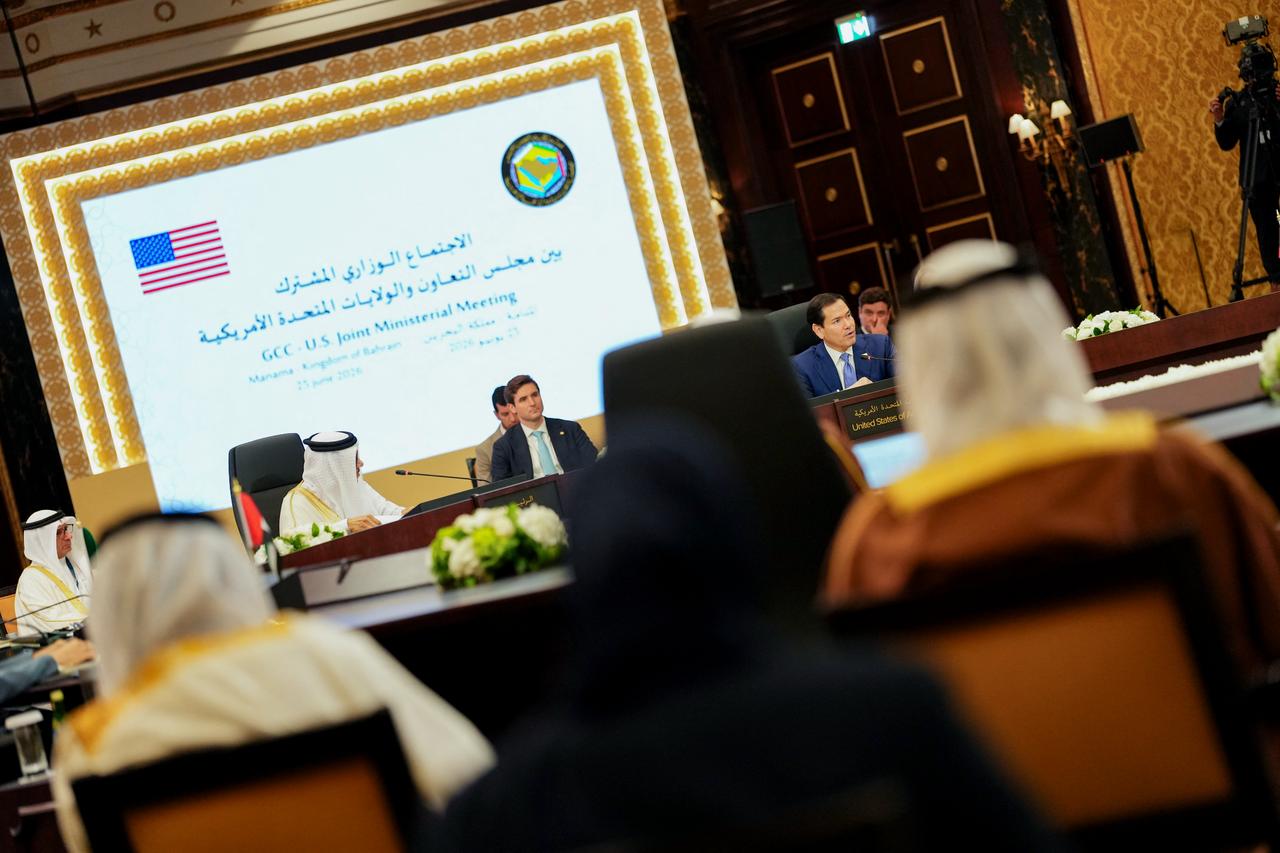


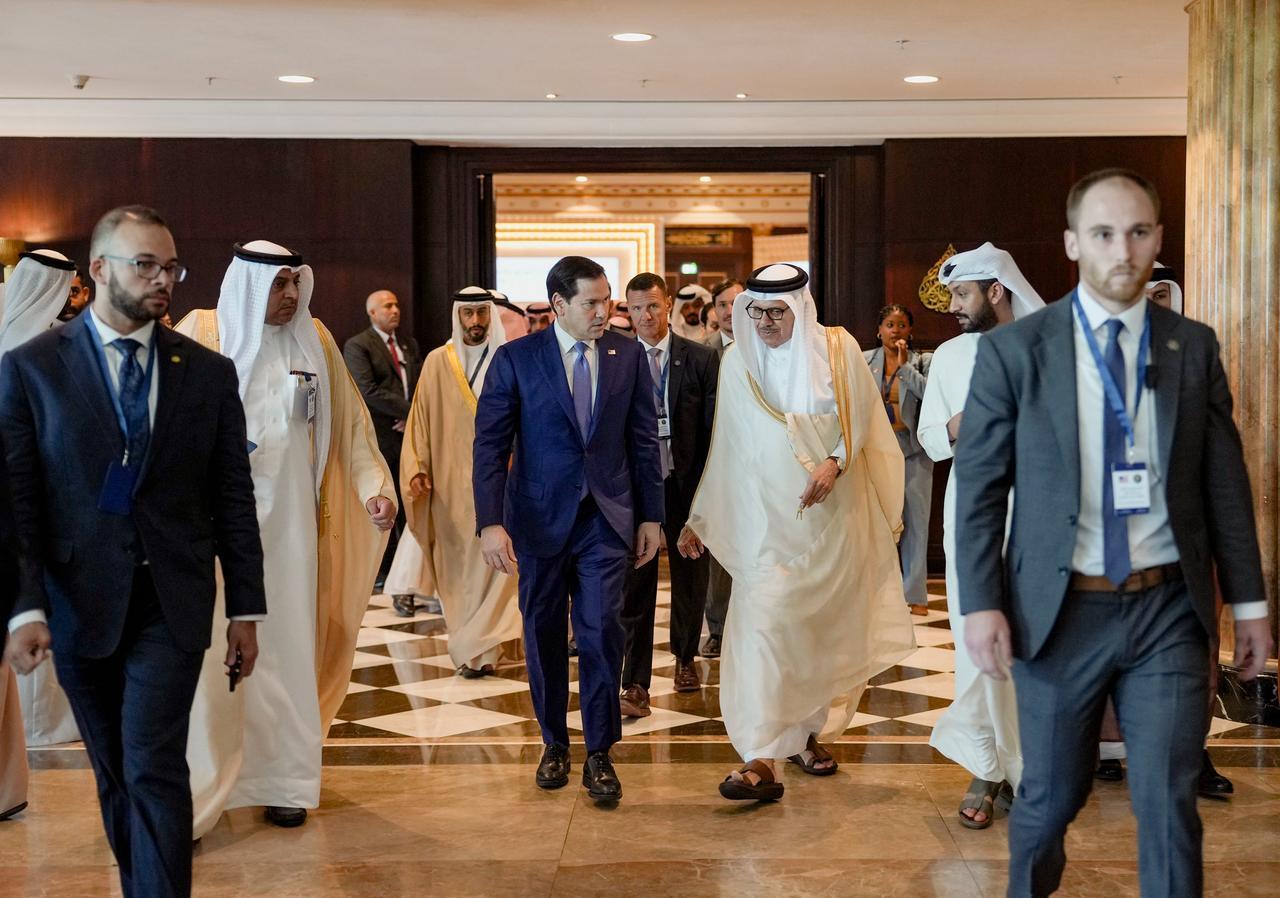
Iran's Foreign Ministry on Friday condemned a joint statement issued by the United States and Gulf Cooperation Council (GCC) foreign ministers as "interventionist, irresponsible and provocative."
It warned against the continuation of "hostile and interventionist" behavior in the region.
The ministry's statement, issued in response to the joint U.S.-GCC declaration dated June 25, said Washington's claim of an "enduring commitment to the security of GCC member states" amounts to "nothing more than rhetoric and a distortion of reality."
It said it is now clearer than ever that the U.S. military presence in regional countries serves only as a burden on regional nations and a source of insecurity and division.
The ministry said the United States' use of military bases and facilities stationed in regional countries to carry out an "act of aggression" against Iran between Feb. 28 and April 8 clearly demonstrated that Washington places no value on the security of regional countries or their mutual relations.
It said it expects regional countries whose territory and facilities were used by "American-Zionist aggressors" to attack Iran during the recent imposed war to reconsider their positions.
The ministry reaffirmed what it described as the clear obligation of GCC member states, under international law and the principle of good neighborliness, to prevent any use of their territory and facilities by third parties for planning, organizing, supporting or carrying out illegal actions, including military aggression, against Iran.

The ministry expressed "disgust" at what it called the repetition of a "fabricated lie" by the "genocidal Zionist regime" and the United States regarding Iran's peaceful nuclear program.
It recommended that GCC governments support the initiative for a nuclear-weapon-free zone in West Asia together with Iran, rather than aligning with the U.S. in portraying Iran's peaceful nuclear program as a threat. The ministry called on them to press Washington to stop obstructing this initiative.
Lasting peace and security in the region can only be achieved through confidence-building and mutual cooperation among regional countries, free from "destructive U.S. interference," the ministry said.
It criticized the use of the phrase "threats emanating from Iran," describing it as a cliché concept invented years ago by the "Zionist regime" and the United States as part of an "Iranophobia" campaign, and said it strongly condemns characterizing Iran's defensive capabilities as a threat.
Washington, through a "divide and rule" policy, has trapped GCC countries in a dangerous and endless arms race and turned West Asia into a massive weapons arsenal, calling any discussion of Iran's missile and drone program under these conditions "irresponsible and entirely condemned," it added.
The ministry said Iran "will not show the slightest leniency" in defending its national entity and related capabilities.
The ministry expressed regret over the GCC's alignment with the U.S. and Israel in describing Palestinian and Lebanese resistance groups as "Iran's proxy forces," stating that the only proxy entity in the region is the "Zionist regime" itself.
It said the struggle of the Palestinian and Lebanese peoples against occupation and apartheid is legitimate and fully lawful under international law, and that all states are obligated to support their right to self-determination and liberation from occupation and colonial apartheid.
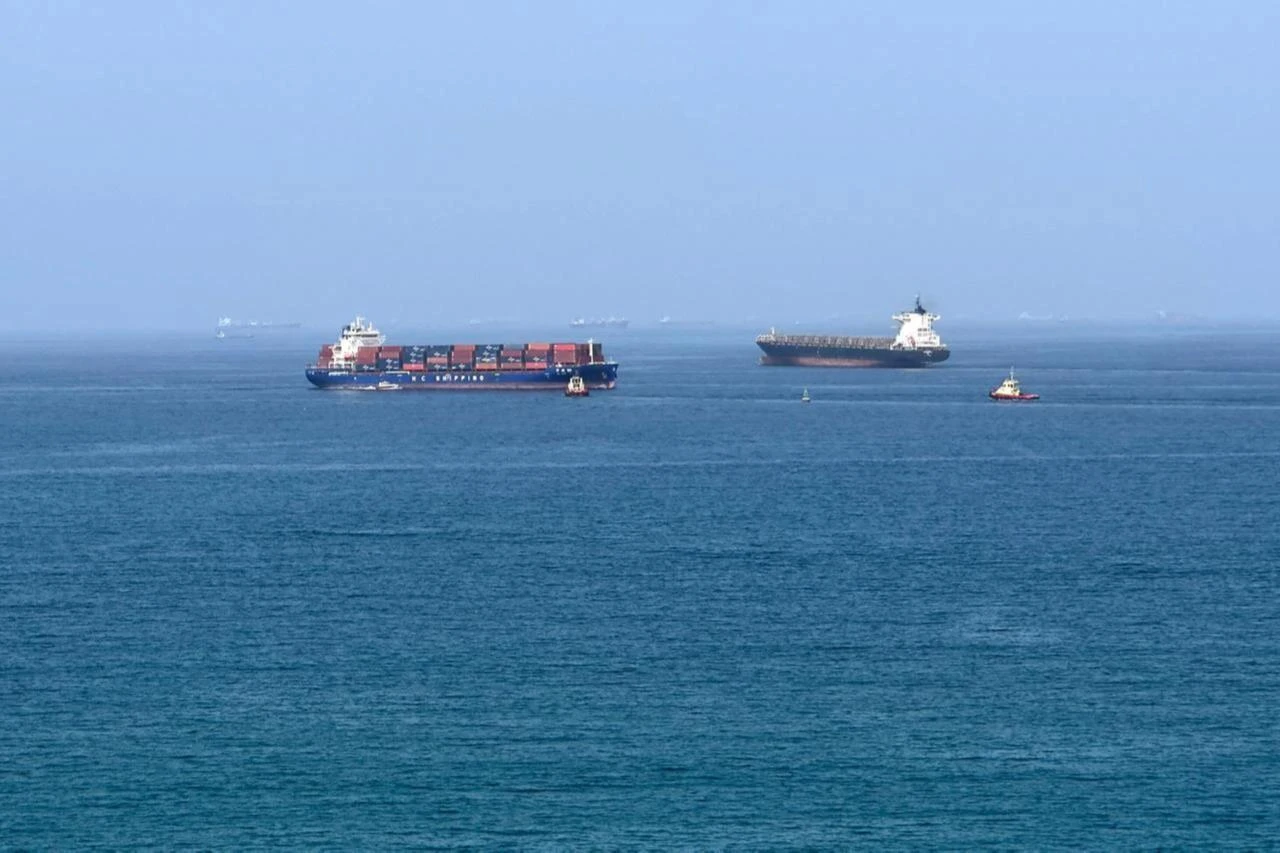
The ministry placed direct responsibility for insecurity in the Strait of Hormuz on the United States, Israel, and regional countries that participated in the military aggression against Iran.
It noted that the Strait of Hormuz lies within the territorial waters of two coastal states, Iran and Oman, and said that what was agreed under Article 5 of the memorandum of understanding (MoU) ending the imposed war will serve as the basis for managing shipping through the strait.
The ministry called on GCC member states to reconsider their approaches to regional security in light of the recent war imposed by the U.S. and Israel, reiterating that collective security can only be achieved through cooperation among all regional countries, without foreign interference.
Separately, on Friday, Iran's Khatam al-Anbiya Central Headquarters, the unified command of the country's armed forces, warned against what it described as Israeli military aircraft using the airspace of neighboring countries to approach Iran, without naming the countries involved.
"We consider the movements and presence of military aircraft of the terrorist army of the Zionist regime in the skies of some neighboring countries toward Iran to be a dangerous act and a threat against the Islamic Republic of Iran," the command said in a statement.
"We declare that if the United States is unable to contain and control the Zionist regime, the Islamic Republic of Iran will not tolerate any threat against itself and considers responding to these dangerous actions to be its right," the statement added.


 Set as preferred source
 Set as preferred source


 3 min read