Newsletters





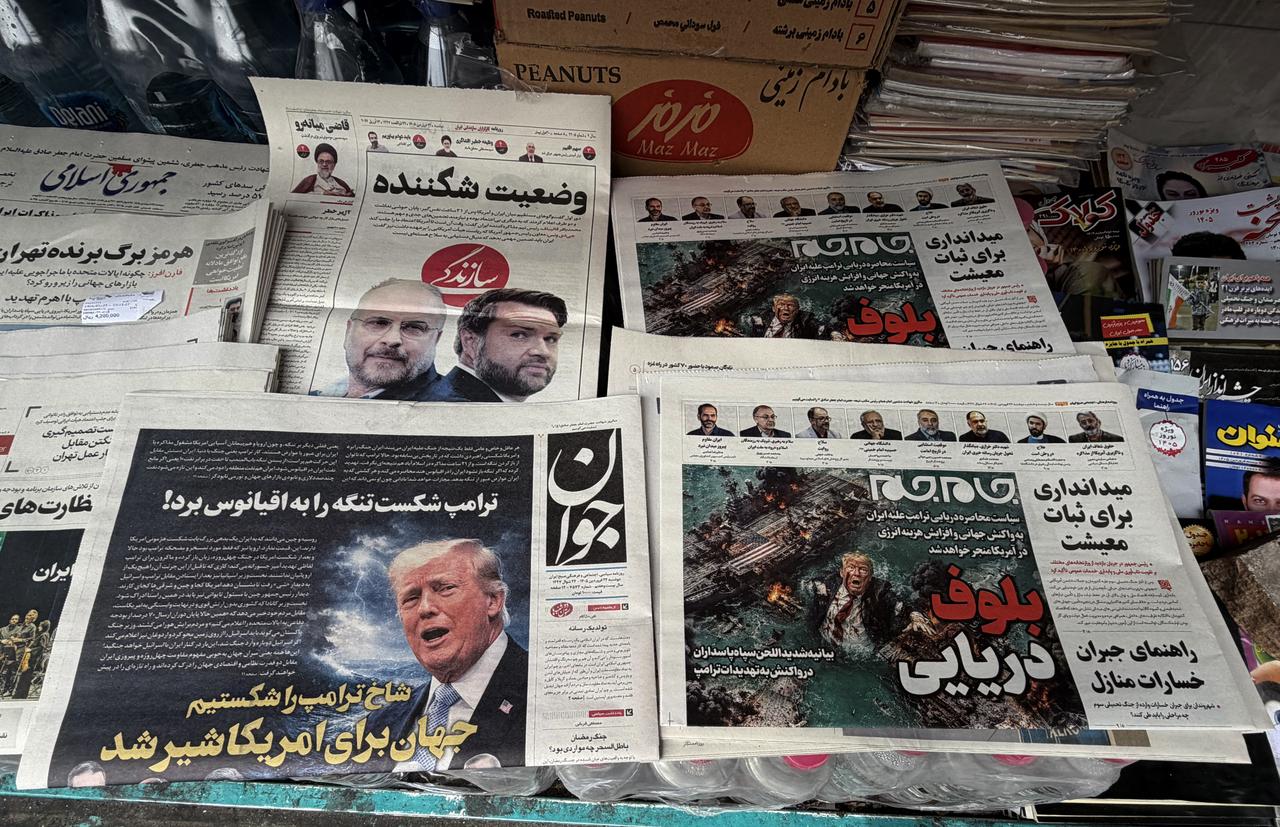
Iranian officials dismissed U.S. President Donald Trump's naval blockade order as more "bluffing than reality" on Monday.
A parliament security official warned Iran would reveal "cards not yet played" if the confrontation escalates.
Iran's Deputy Parliament Speaker Ali Nikzad revealed that Washington had proposed a joint U.S.-Iran legal regime for the Strait of Hormuz during the Islamabad talks, a demand Tehran flatly rejected.
Ebrahim Rezaei, spokesperson for the Iranian parliament's National Security Commission, posted his assessment on X.
"It will make the current situation Trump is in more complicated and will further agitate the market he is angry about, and we may also reveal other cards that we have not used in the game," Rezaei wrote.
He called on the U.S. to change its approach entirely.
"If you want conditions to improve, respect the Iranian people; accept your defeat and do not seek at the negotiating table what you failed to achieve in war," he said.
He described the blockade threat as more bluffing than reality but acknowledged Iran was prepared to respond if military escalation occurred, saying Tehran would consider a blockade "an act of war."

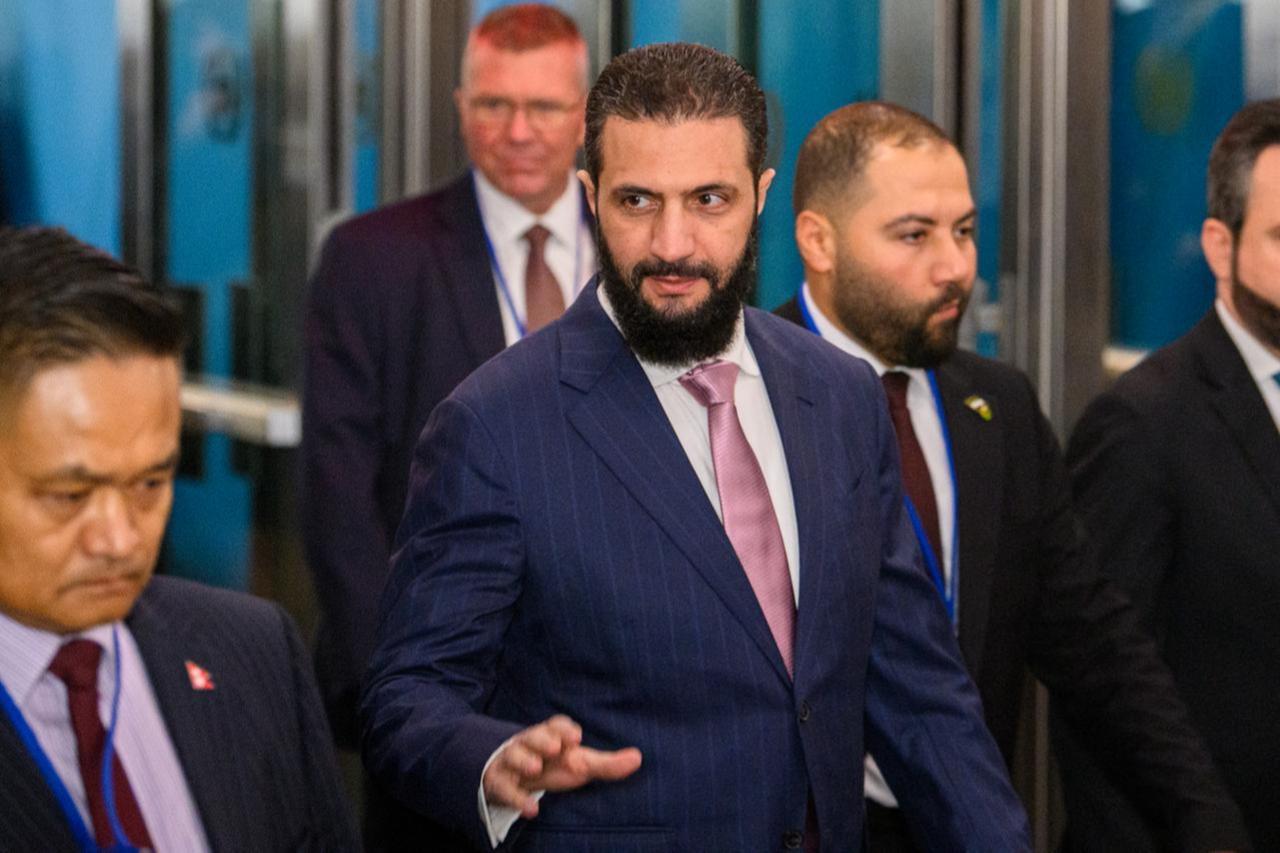
Ali Nikzad, Iran's deputy parliament speaker, told Iranian state television that Washington had proposed a formal legal regime for the Strait of Hormuz that would include an American role and that Iran rejected it outright.
"They reached a point where they said, 'Let's establish a Hormuz legal regime that includes the Americans.' What is your business in the Strait of Hormuz and the Persian Gulf?" Nikzad said.
Nikzad also said Iran had offered to dilute 430 kilograms of highly enriched uranium as a goodwill gesture during the talks, with a dilution consortium involving Iran, the U.S., and Saudi Arabia proposed, but that the deal collapsed due to the other side.
"Iran offered to dilute enriched uranium, and a dilution consortium involving Iran, the U.S., and Saudi Arabia was going to be established, but they destroyed the agreement," Nikzad said.
He also challenged the U.S. account of the April 6 operation in Isfahan.
Nikzad claimed the U.S. military's mission into the Isfahan region, officially described as a search for the crew of a downed F-15E, was in fact an attempt to seize Iran's highly enriched uranium stockpile reportedly stored at a nuclear facility there, and that the operation failed.
Nikzad also addressed the U.S. directly.
"They learned that the victor in the 40-day war is determined not by social media rhetoric but by the will of nations and superiority on the battlefield. They will also learn that diplomacy is not an arena where demands are dictated but where respect and realities are accepted," he said.
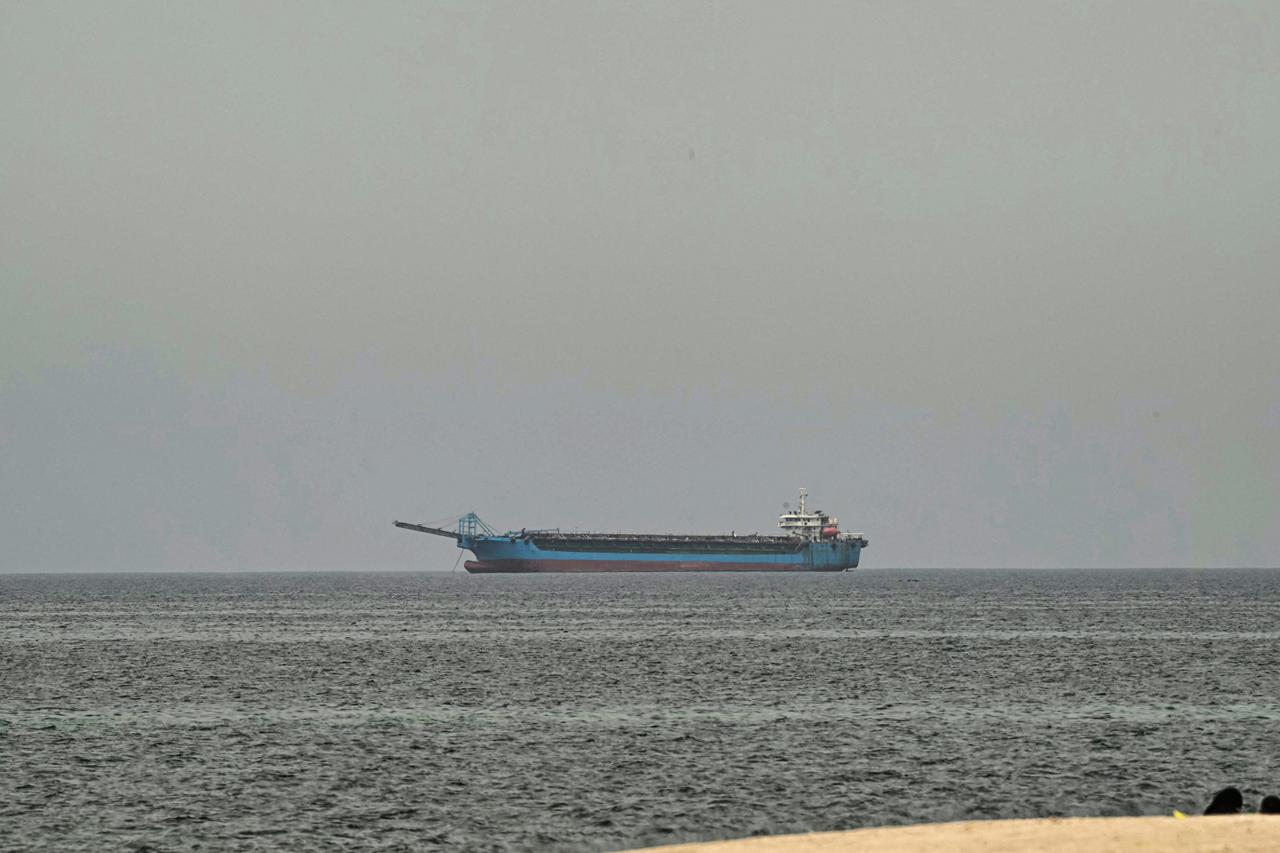
Maritime historian Sal Mercogliano of Campbell University, who has testified before the U.S. Senate on commercial shipping, said the coming days would be a stress test for the rules governing the strait.
He noted it remained unclear how the U.S. would track, intercept and board vessels moving from Iranian ports and said any such action challenged the foundational principle of freedom of navigation.
"We are challenging the concept of freedom of the seas," Mercogliano said.
Dana Stroul, a former senior Pentagon official during the Biden administration and now at the Washington Institute for Near East Policy, said the mission was difficult to sustain.
"Trump wants a quick fix. The reality is, this mission is difficult to execute alone and likely unsustainable over the medium to long term," she said.
Experts cited by Reuters said the blockade constituted an act of war requiring an open-ended commitment of significant naval assets.
Ahmed Nagi, a senior Yemen analyst at the International Crisis Group, warned that an Iranian port blockade could prompt retaliation through a separate chokepoint.
"If the U.S. moves to impose a blockade on Iranian ports and Iran starts feeling the pain, the Houthis are very likely to escalate in the Bab el-Mandeb," Nagi said.
"Closure of Bab el-Mandeb would add 'another layer' of pressure on the global shipping industry," he added.


 Set as preferred source
 Set as preferred source


 2 min read