Newsletters


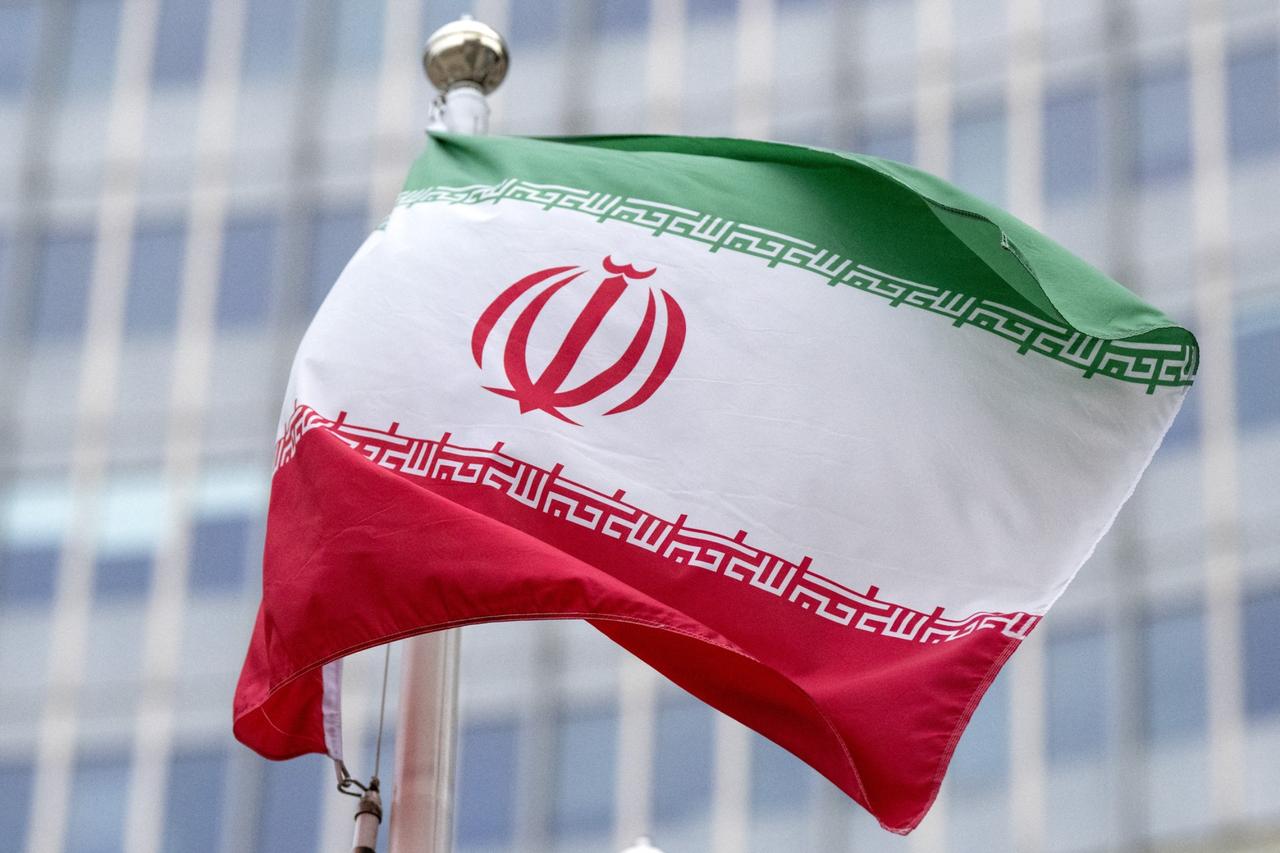


Iran’s central bank chief, Mohammad Reza Farzin, has resigned, the semi-official Nournews agency reported Monday, citing an official at the president’s office.
Iran is grappling with a sharp slump in its rial currency and persistently high inflation. The rial, which has been under sustained pressure as the economy suffers from the impact of Western sanctions, fell to a new record low Monday at around 1,390,000 to the U.S. dollar, according to websites tracking open market rates; Reuters reported the decline.
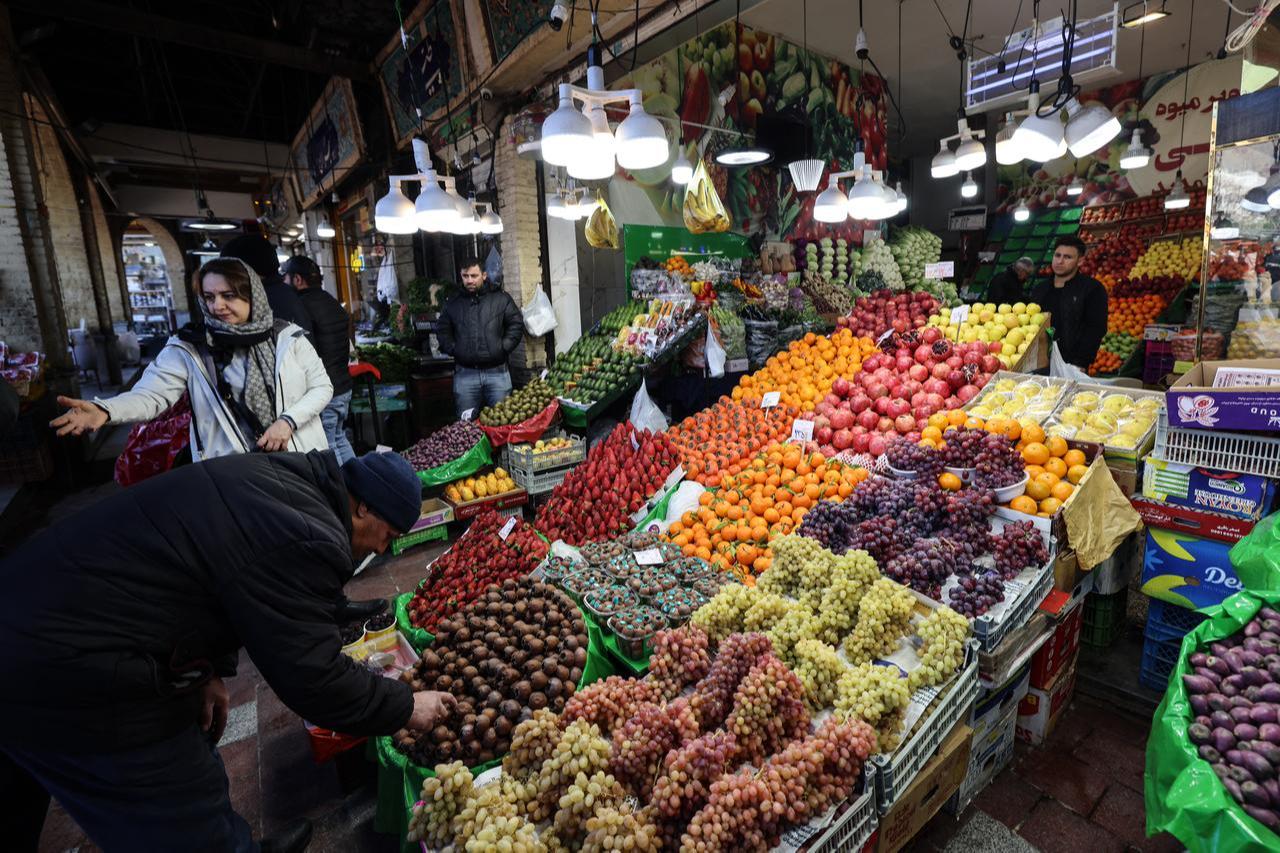

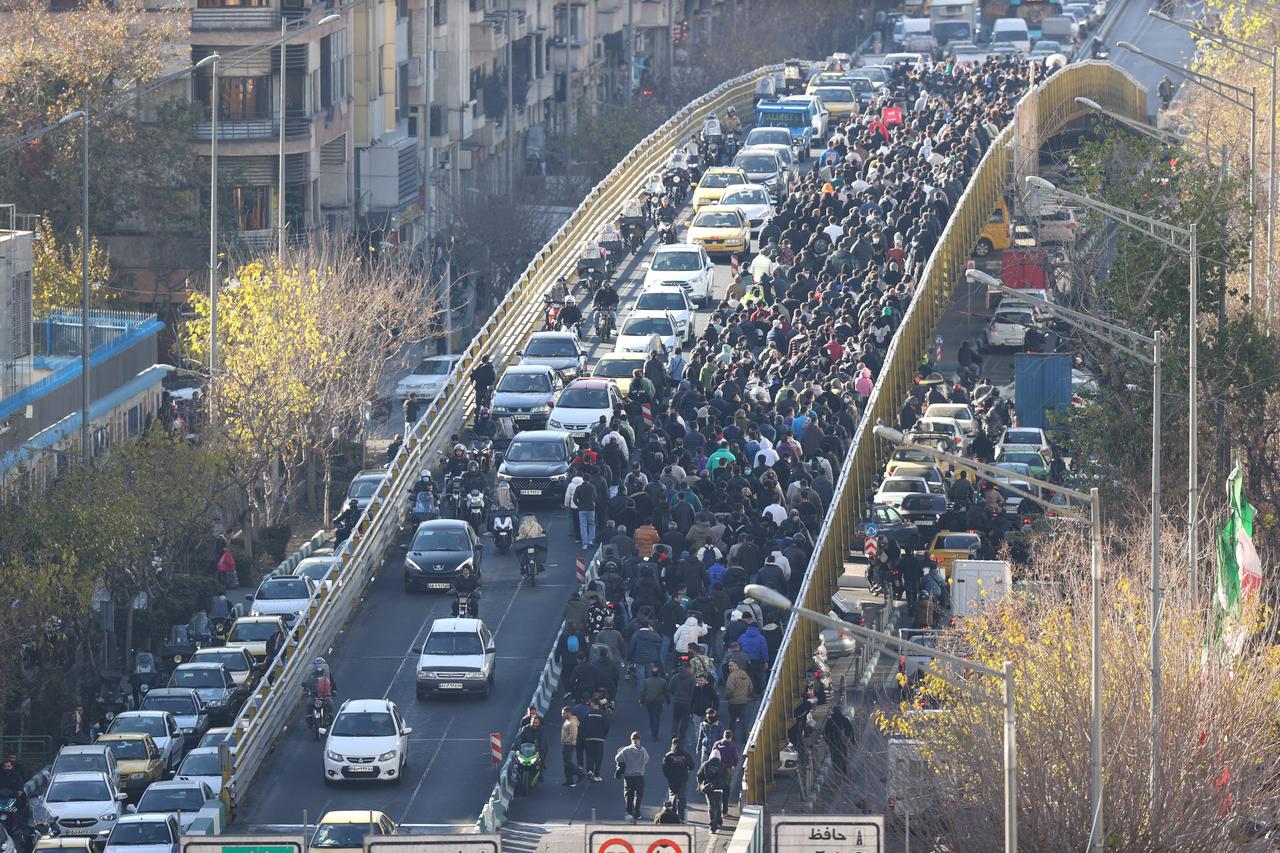
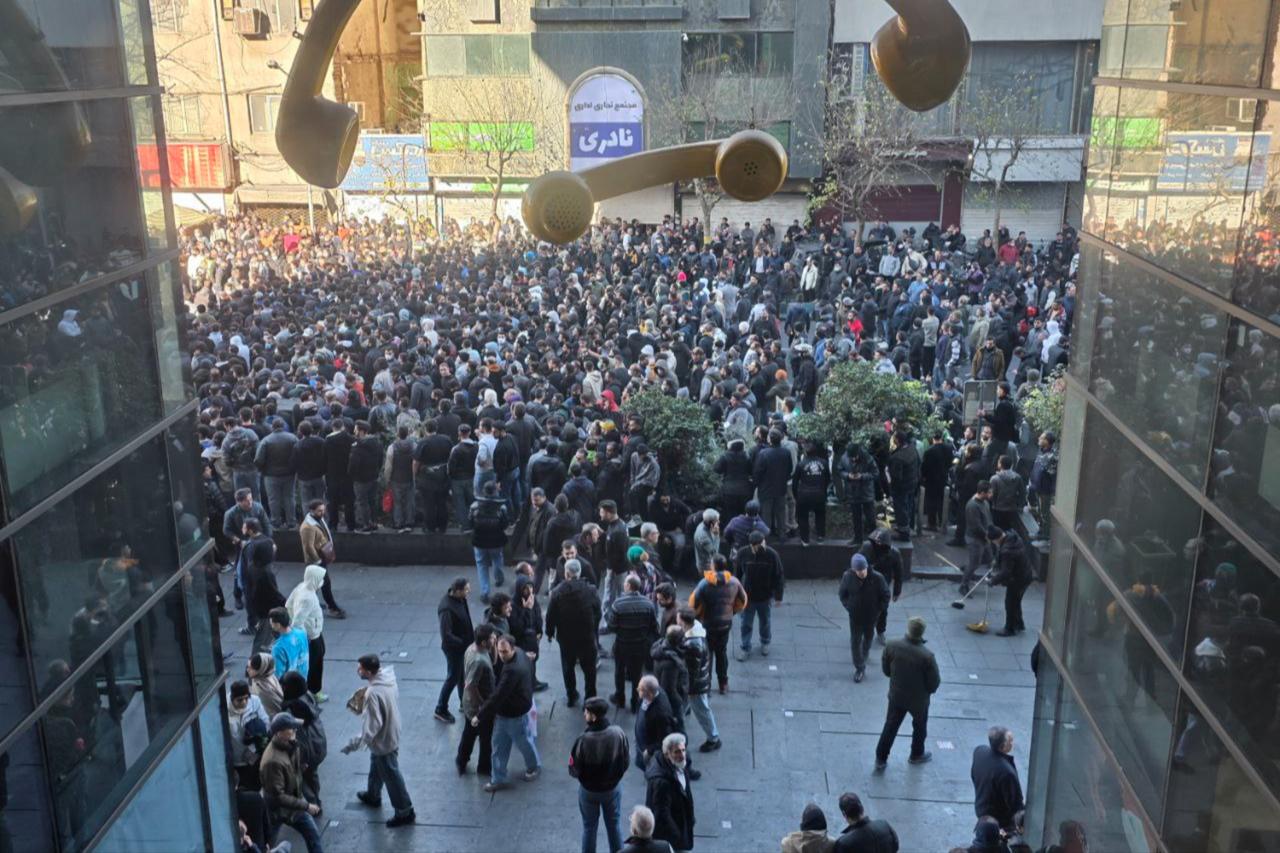
The currency’s collapse triggered a second day of protests Monday by Iranian traders and shopkeepers, with security forces firing tear gas at demonstrators in some areas.
Videos circulating on social media showed hundreds of people rallying on Saadi Street in downtown Tehran and in the Shush neighborhood near the capital’s main Grand Bazaar, a historic center of political mobilization that played a key role in the 1979 Revolution. Traders shut their shops and urged others to do the same. The semi-official ILNA news agency reported that many businesses and merchants halted trading, although some shops remained open.
Iranian media outlets said demonstrations took place in Tehran, largely led by shop owners protesting deteriorating economic conditions.
Farzin has led the central bank since December 2022. His resignation will be reviewed by President Masoud Pezeshkian, the official told Nournews.
Later Monday, Iranian state media reported, citing the communications and information deputy at the president’s office, that former Economy Minister Abdolnaser Hemmati will be appointed as the new central bank chief.
Official data showed inflation at 52% year-on-year in December. However, that figure does not fully reflect price increases for many goods, particularly basic necessities.
Iran’s economy, already weakened by decades of Western sanctions, came under further strain after the United Nations in late September reinstated international sanctions tied to the country’s nuclear program that had been lifted a decade earlier.
Western powers and Israel accuse Iran of seeking to acquire nuclear weapons, a claim Tehran denies. Talks with the United States on the issue remain stalled, while uncertainty linked to 12 days of war with Israel in June has added to economic pressure.
In an interview published Saturday, Pezeshkian accused the United States, Israel and European countries of waging what he described as a “total war” against Iran.


 Set as preferred source
 Set as preferred source


 1 min read

 1 min read