Newsletters


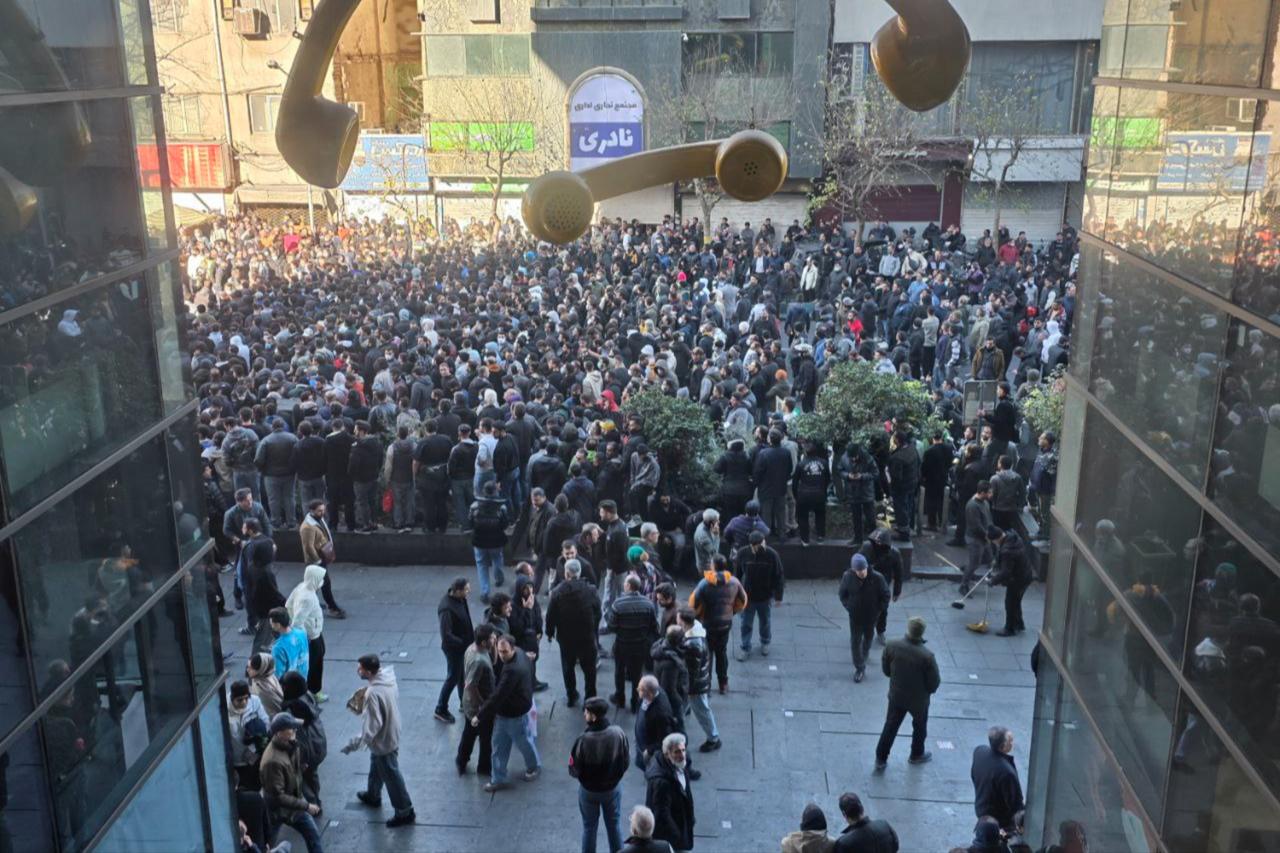


Iranian traders and shopkeepers staged a second day of protests on Monday after the country's currency plummeted to a new record low against the U.S. dollar, with security forces firing tear gas at demonstrators in some areas.
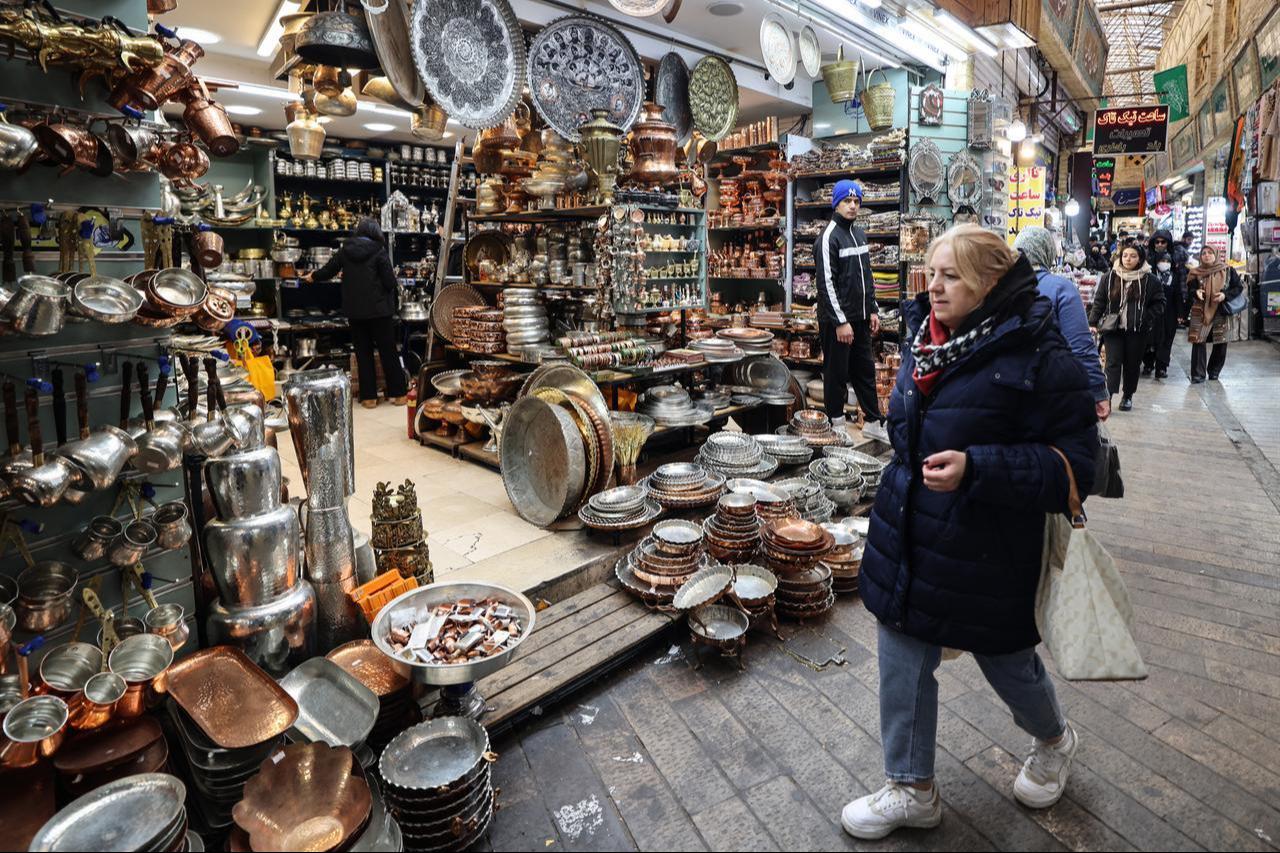
Videos on social media showed hundreds taking part in rallies in Saadi Street in downtown Tehran as well as in the Shush neighborhood near Tehran's main Grand Bazaar, which played a crucial role in the 1979 Revolution.
Traders shut their shops and asked others to do the same. The semi-official ILNA news agency said many businesses and merchants stopped trading, even though some kept their shops open.

Iran's currency hit new lows on the unofficial market, with the U.S. dollar trading at around 1.42 million rials on Sunday — compared to 820,000 rials a year ago — and the euro nearing 1.7 million rials, according to price monitoring websites.
The rates eased somewhat on Monday, with the dollar at around 1.39 million rials and the euro at about 1.64 million rials.
Mehr News Agency reported that the dollar was trading at approximately 140,000 tomans, compared to 80,000 tomans at this time last year.
Iran's government convened an emergency meeting of its economic team at the central bank on Monday to review currency, trade and cost-of-living policies, officials said.
The central bank's public relations director said the session was ordered by Iranian President Masoud Pezeshkian and follows a series of recent coordination meetings on exchange-rate management and household livelihoods.
He added that discussions were ongoing and conclusions would be finalized at cabinet level and announced shortly.
Security forces fired tear gas at protesting shopkeepers in Tehran's Bagh-e Sepahsalar area on Monday, according to a video received by Iran International.
Protesters chanted anti-government and anti-regime slogans, according to social media footage.
On Sunday, protest gatherings were limited to two major mobile markets in downtown Tehran, where demonstrators chanted anti-government slogans.
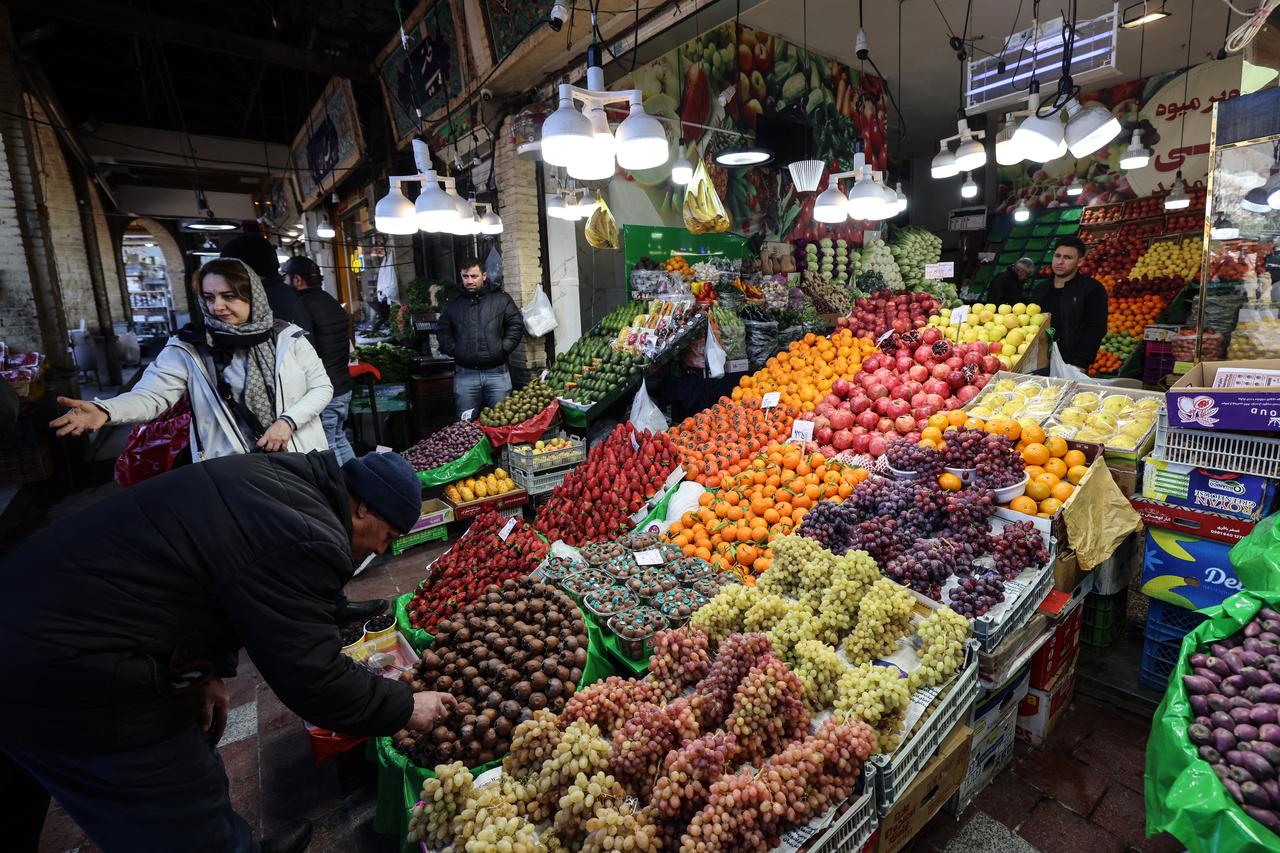
Traders told ILNA that exchange rate volatility had made it difficult to set prices or finalize deals.
"We are selling items to cover our costs but price swings prevent us from replacing our goods," one protester was quoted as saying.
AFP correspondents said some traders, particularly import-reliant electronics vendors, had temporarily halted sales or shifted their pricing online, enabling them to more easily make adjustments as the exchange rate fluctuates.
The conservative-aligned Fars news agency warned that the limited protest gatherings risked leading to instability.
Iran's economy has been under pressure from high inflation and Western sanctions linked to its nuclear program. Western powers, along with Israel, accuse Iran of seeking nuclear weapons, a charge Tehran denies.


 Set as preferred source
 Set as preferred source


 2 min read