Newsletters


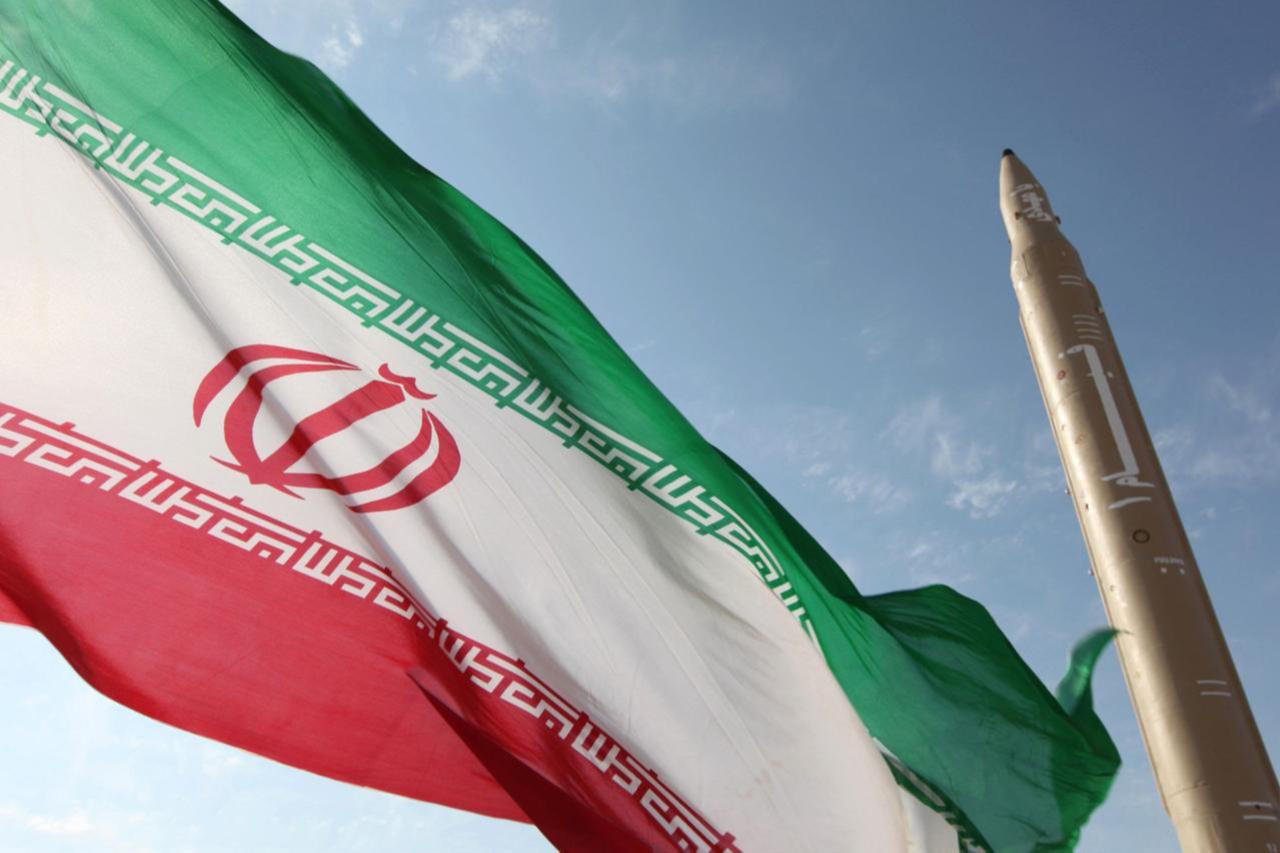


Iranian President Masoud Pezeshkian said Iran is facing a “total war” from the United States, Israel and Europe, describing the pressure campaign as more complex and damaging than the eight-year war with Iraq.
“In my opinion, we are at total war with the United States, Israel and Europe. They want to bring our country to its knees,” Pezeshkian said in an interview published Saturday on the official website of Iran’s Supreme Leader Ali Khamenei.
Pezeshkian said the current confrontation surpasses the 1980–88 Iran-Iraq war in scale and complexity, citing economic pressure, diplomatic isolation and information warfare.
“This war is worse than the one launched against us by Iraq. It is far more complex and difficult,” he said. “At that time, the battlefield was clear. Today, they surround us from all sides, block our trade and raise public expectations on various issues.”
France, Britain and Germany were instrumental in the reimposition of U.N. sanctions on Iran in September over its nuclear program, he added.


Pezeshkian accused Israel of attempting to fracture Iran internally during last June’s conflict, but said the effort backfired.
“Israel attacked our country under the illusion that it could divide us, but our unity and solidarity increased,” he said. “National unity is more important than any military power.”
He warned that any renewed Israeli strike would meet a stronger response. “If they consider attacking again, they will face a more resolute stance,” he said, adding that Iran’s military capabilities have improved since the conflict.
Iran and Israel fought a 12-day war in June, triggered by Israeli strikes on Iranian military, nuclear and civilian targets. The fighting killed more than 1,000 people, according to Iranian authorities.
The United States later joined the campaign, bombing three Iranian nuclear facilities, bringing a halt to indirect nuclear talks that had resumed in April.
Washington and its allies accuse Tehran of seeking nuclear weapons, a charge Iran denies.
Since returning to office in January, Donald Trump has reinstated his “maximum pressure” strategy, imposing new sanctions aimed at cutting Iran’s oil revenues.
Pezeshkian acknowledged that sanctions and conflict have worsened Iran’s economic situation, particularly through declining oil income.
“We used to sell oil at $75 a barrel; now it is closer to $50,” he said. “That means $25 less per barrel. Sanctions and war have reduced our revenues.”
Despite the strain, he said the government converted about $2.5 billion into food assistance programs to ease pressure on households.
Pezeshkian said Iran continues to strengthen ties with regional partners, including China, Russia and Central Asian states.
“We have good relations with China, Russia, Kazakhstan, Kyrgyzstan and Tajikistan,” he said, adding that Iran is investing in north-south and east-west transport corridors to boost trade and connectivity.
“Next year, transportation will be one of our major priorities,” he said.


 Set as preferred source
 Set as preferred source


 1 min read

 1 min read