Newsletters


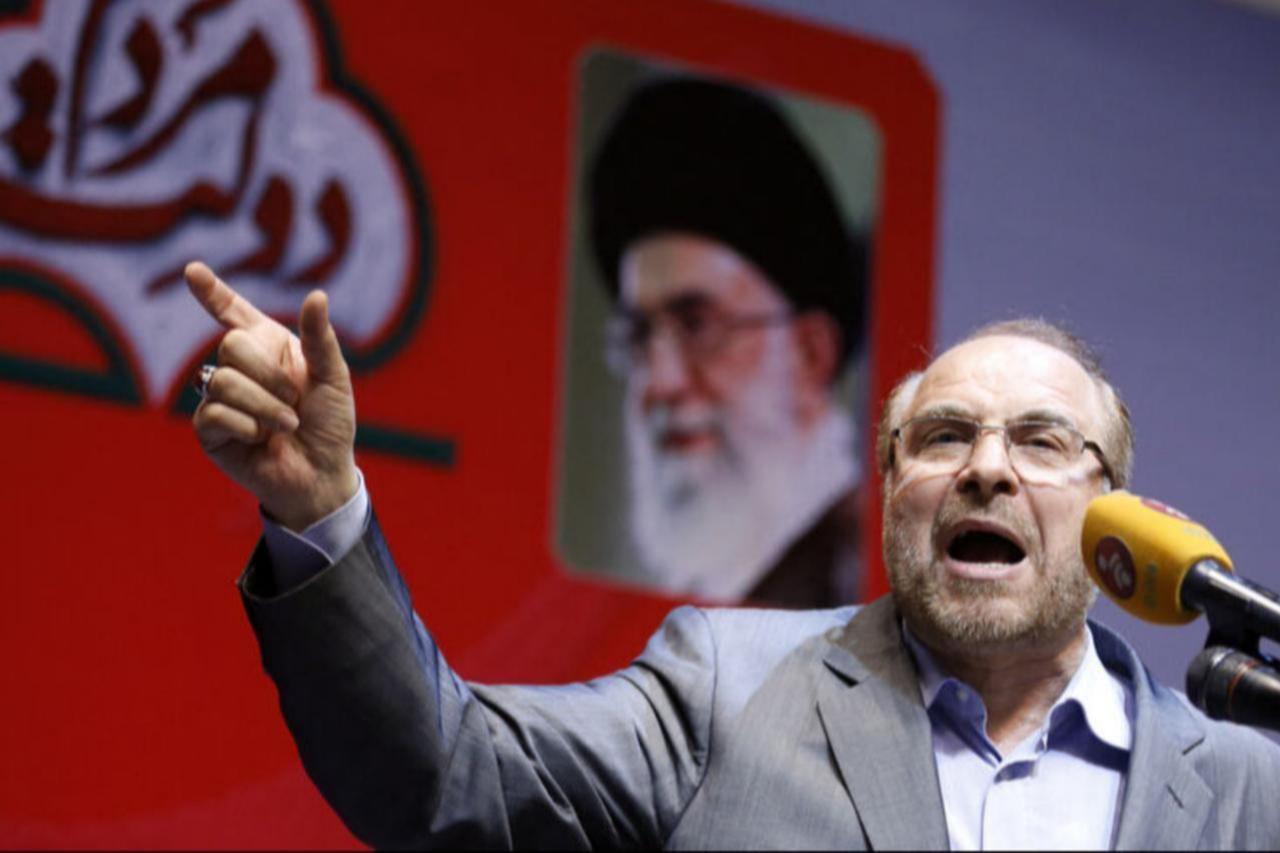


Mohammad Bagher Ghalibaf, the speaker of Iran's parliament and the country's lead negotiator in ceasefire talks with the United States, pushed back sharply on Sunday against the Trump administration's claim that Washington holds dominant leverage in the standoff, laying out a detailed energy accounting that he says makes the two sides roughly equal, and warning that the balance is about to shift further against the United States as summer demand approaches.
"They brag about the cards," Ghalibaf wrote on X. "Let's see."
In a terse but pointed post, Ghalibaf framed the conflict as a matching of energy cards, with supply measures on one side of the ledger and demand measures on the other. On the U.S. supply side, he acknowledged the Strategic Oil Holdings release as partially deployed and the inventory release as already in play, but characterized Washington's other tools, including what he labeled BEM, or Battlefield Energy Management, and pipeline alternatives, as still unplayed.
On the demand side of the same ledger, he listed demand destruction as only partly under way and flagged additional price adjustments as still to come.
The broader context supports the framing. The IEA has coordinated an unprecedented release of 400 million barrels from strategic stockpiles globally, with the United States contributing 172 million barrels from its Strategic Petroleum Reserve. Alternative export routes, including pipelines running from Iraq to Ceyhan in Türkiye, have ramped up to partially offset losses through the Strait of Hormuz, but analysts note those routes remain far below what the Strait handled before the conflict began in late February.
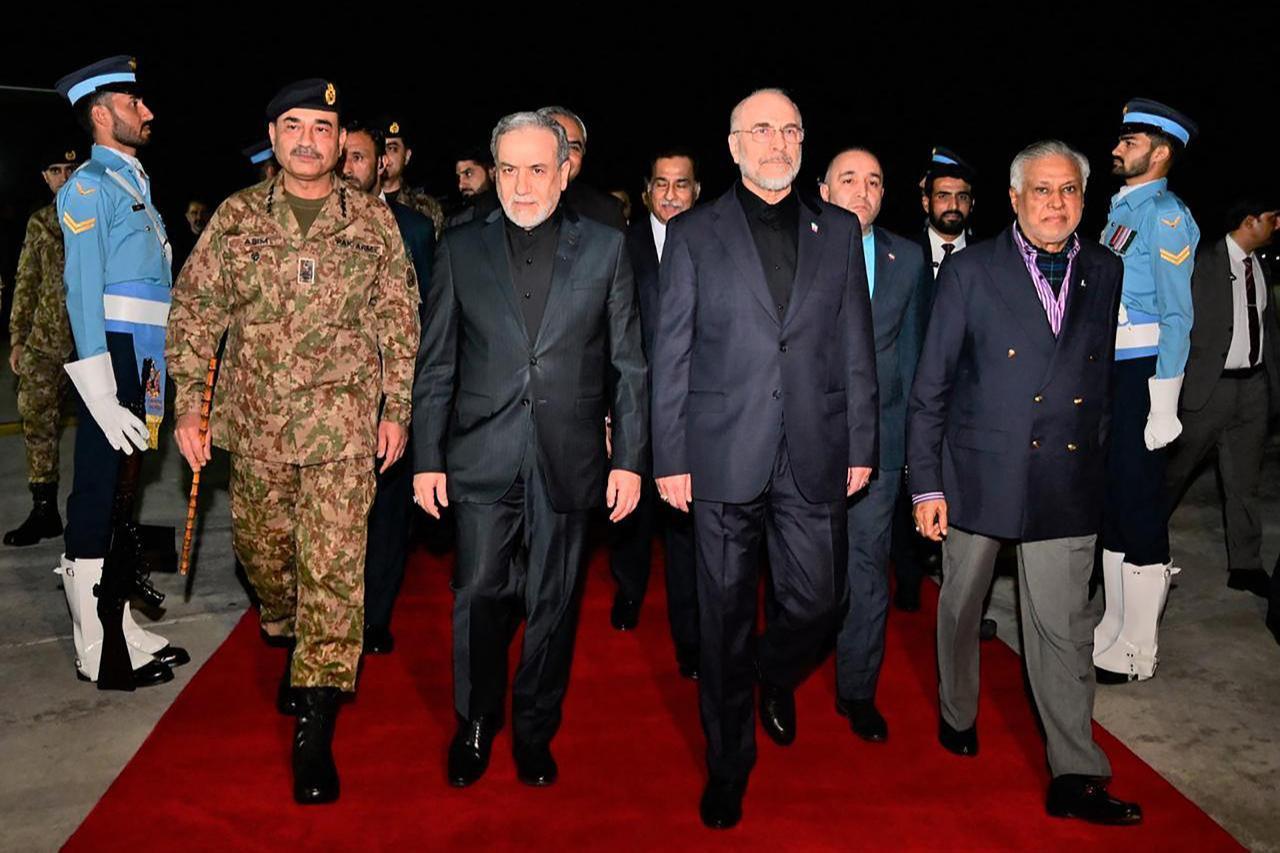

Ghalibaf's sharpest jab was reserved for the seasonal dimension. "Add summer vacation to the right," he wrote, meaning the demand side of the equation, "unless they want to cancel it for the US." The remark was a pointed suggestion that the United States faces a self-inflicted energy problem as domestic summer driving and cooling demand peaks, tightening the very market the administration has been trying to cool through strategic releases and export maximization.
The timing matters. U.S. pump prices have already risen roughly 35 percent from pre-war levels, and Goldman Sachs has raised its December 2026 inflation forecast by a full percentage point in part as a direct consequence of elevated oil costs. Brent crude futures crossed $105 a barrel in early trading on Friday.
The post landed hours after Trump abruptly canceled a planned trip to Pakistan by special envoy Steve Witkoff and Jared Kushner, who had been set to meet with Iranian officials in Islamabad. Trump cited "infighting" within Iran's leadership and said there was "too much time wasted on traveling." The cancellation was the second such reversal in a week.
U.S. Ambassador to the United Nations Mike Waltz had reinforced the administration's confidence on the Sunday talk circuit, stating that "Iran does not have the cards" and predicting Tehran would eventually come to the negotiating table. Trump himself declared on Friday that Iran had "agreed to everything," a claim Iranian officials quickly and publicly rejected. The White House has repeatedly characterized Trump's approach as playing "the long game."
Ghalibaf's post challenges that framing directly. By presenting the standoff as a symmetrical card game rather than a lopsided negotiation, Iran's parliament speaker is signaling that Tehran believes time, demand cycles, and undeployed energy tools give it staying power that Washington has yet to account for.
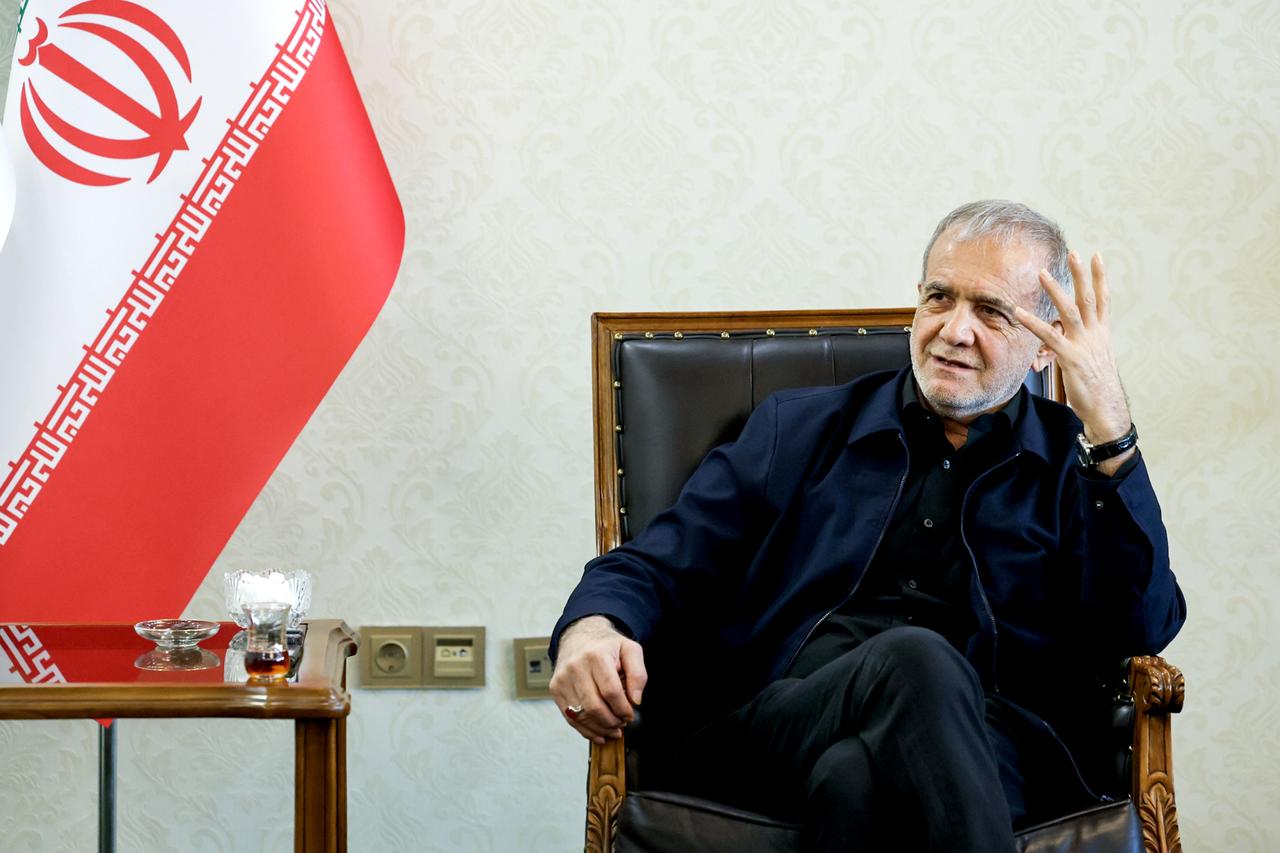
Ghalibaf, who led Iran's delegation in the first round of Pakistan-mediated talks, has been described by analysts as closer to the Islamic Revolutionary Guard Corps than to President Masoud Pezeshkian's administration. An Israeli broadcaster reported Thursday that he had stepped down from the negotiating team due to IRGC pressure, a claim Tehran has not confirmed. Ghalibaf, Pezeshkian, and Foreign Minister Abbas Araghchi all subsequently posted near-identical messages projecting unity.


 Set as preferred source
 Set as preferred source


 1 min read


 1 min read