

 Newsletters


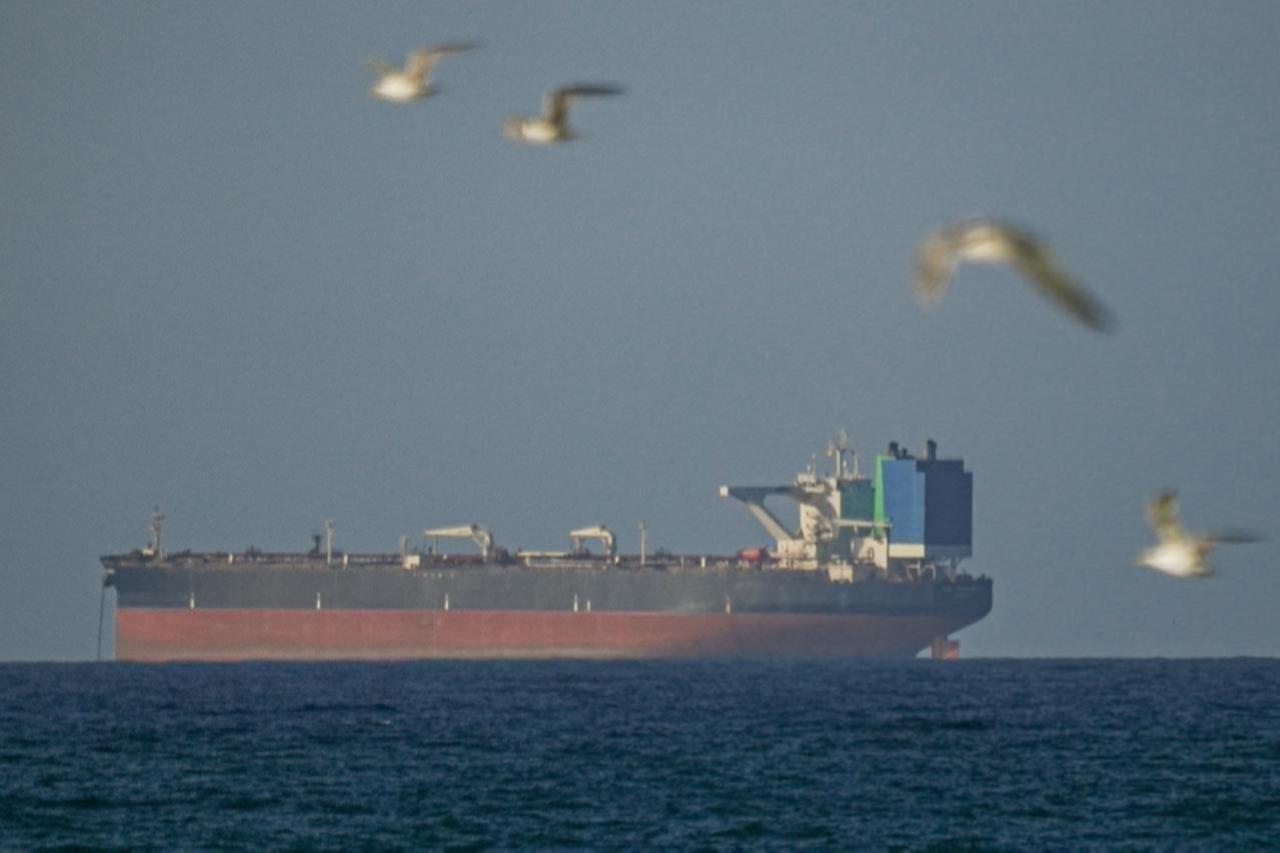


Oman's foreign minister urged sustained diplomatic efforts Sunday to guarantee lasting freedom of navigation through the Strait of Hormuz, as regional powers scramble to broker a second round of US-Iran negotiations following joint American and Israeli strikes on Iran.
Badr Albusaidi, who held talks in Muscat with Iranian Foreign Minister Abbas Araghchi, described the discussions as "good" and stressed the shared obligations of states bordering the strait.
"As littoral states, we recognize our shared responsibility to the international community and the urgent humanitarian need to free the seafarers held for far too long," he wrote on X. "Much diplomacy is required and practical solutions to ensure lasting freedom of navigation," he added.
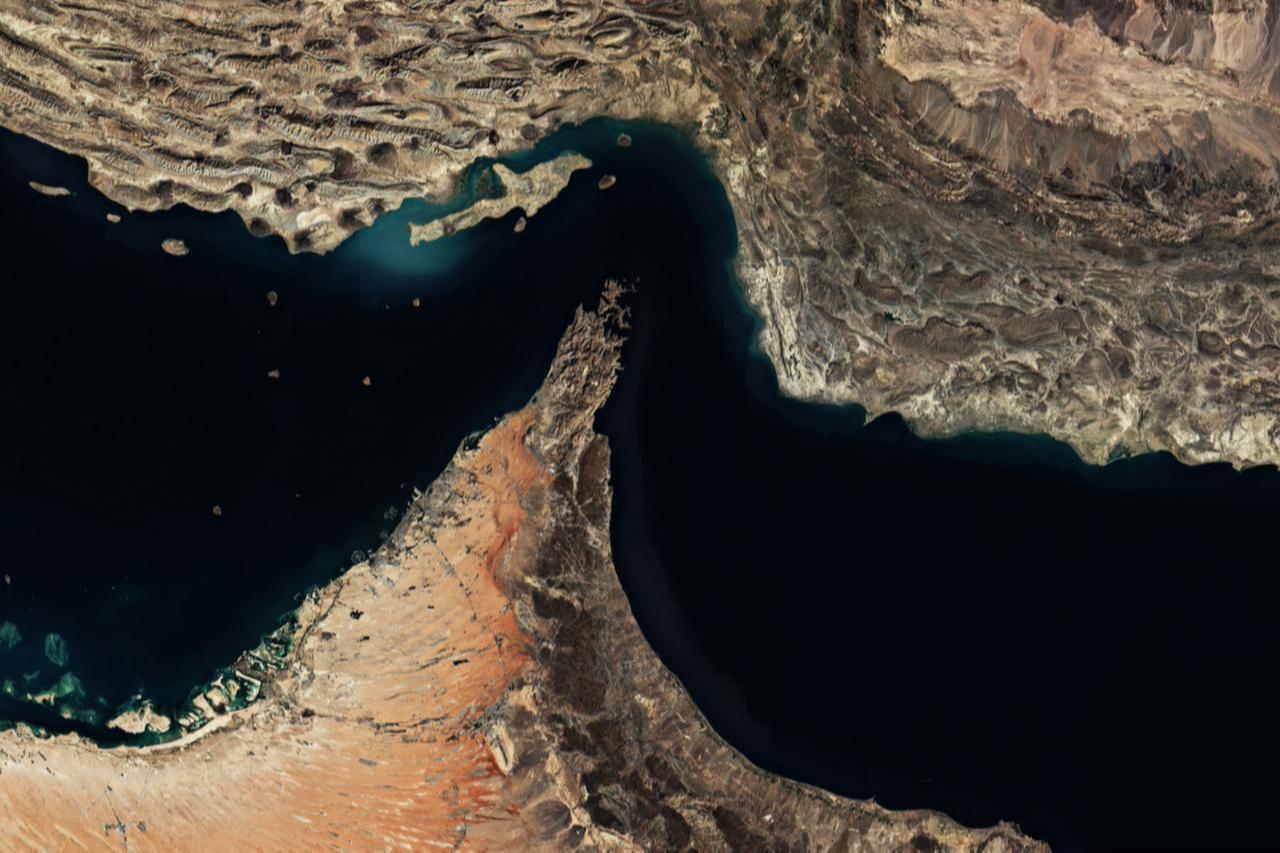
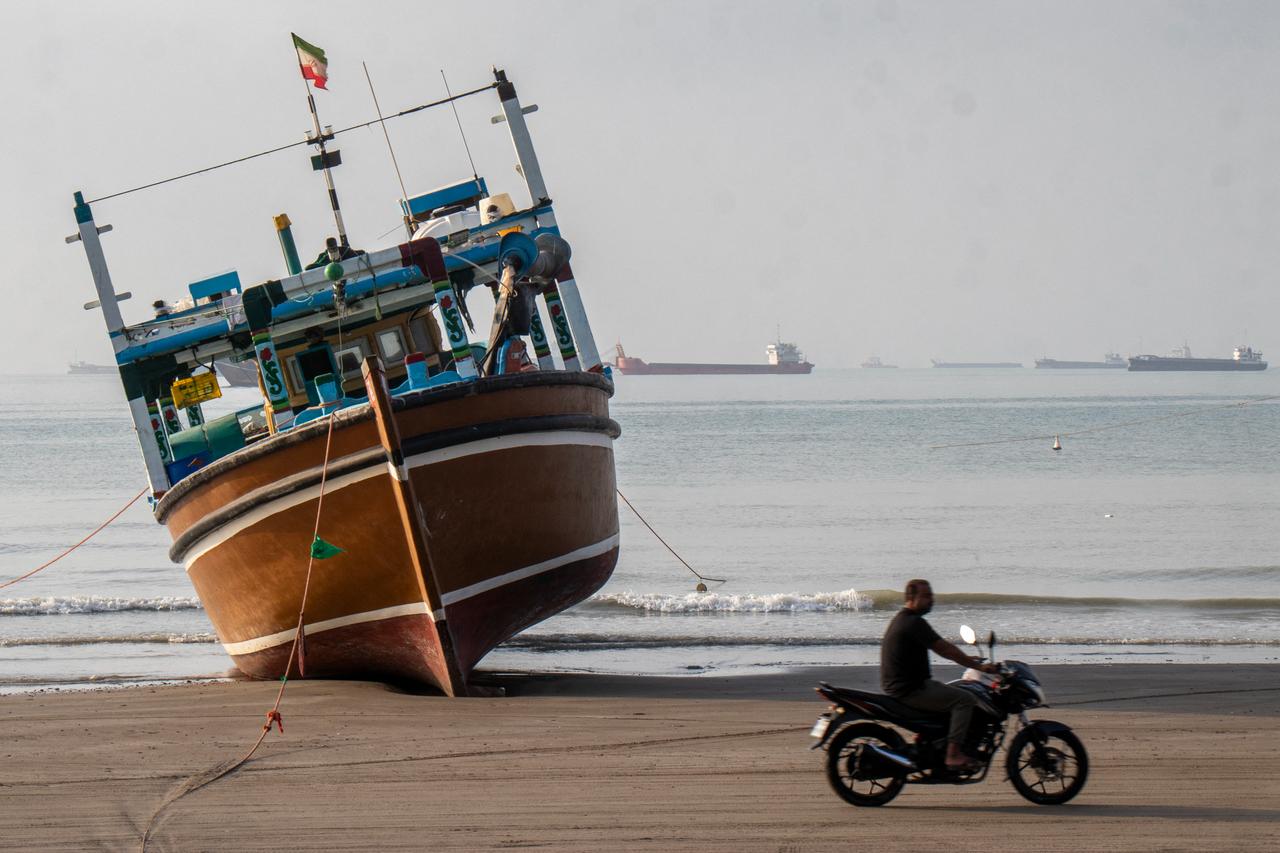
The Strait of Hormuz, a narrow waterway between Oman and Iran at the mouth of the Persian Gulf, is one of the world's most critical chokepoints for global oil and gas shipments. Any sustained disruption to navigation there carries significant consequences for energy markets and international trade.

Araghchi's stop in Muscat was part of a broader regional tour. He had arrived from Islamabad on Saturday for talks with Omani officials before returning to Pakistan on Sunday to discuss the prospects of a second round of negotiations with Washington. He subsequently departed for Moscow for consultations with Russian officials.
The flurry of shuttle diplomacy reflects the complexity of reaching any durable agreement, with multiple parties, Pakistan, Oman and Russia, all playing supporting roles in efforts to bring the two sides back to the table.
Iran and the United States held direct negotiations in Islamabad two weeks ago, facilitated by Pakistani mediation, but the talks ended without a breakthrough. Those negotiations followed a Pakistan-brokered ceasefire announced on April 8, which US President Donald Trump subsequently extended.
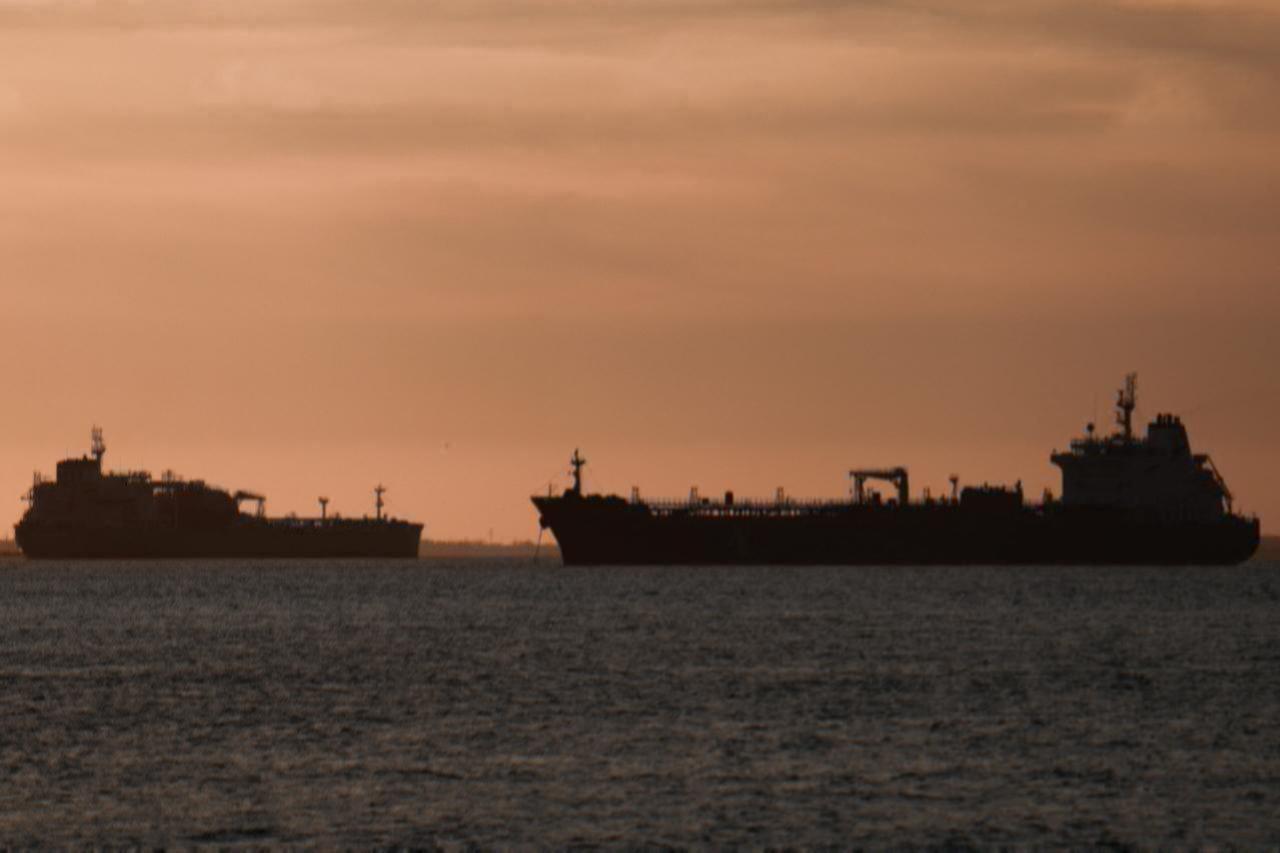
Despite the continued effort to arrange a second round, significant obstacles remain. The Strait of Hormuz restrictions on shipping, a US blockade of Iranian ports, and the question of Iran's enriched uranium stockpile are all described as sticking points in the negotiations.
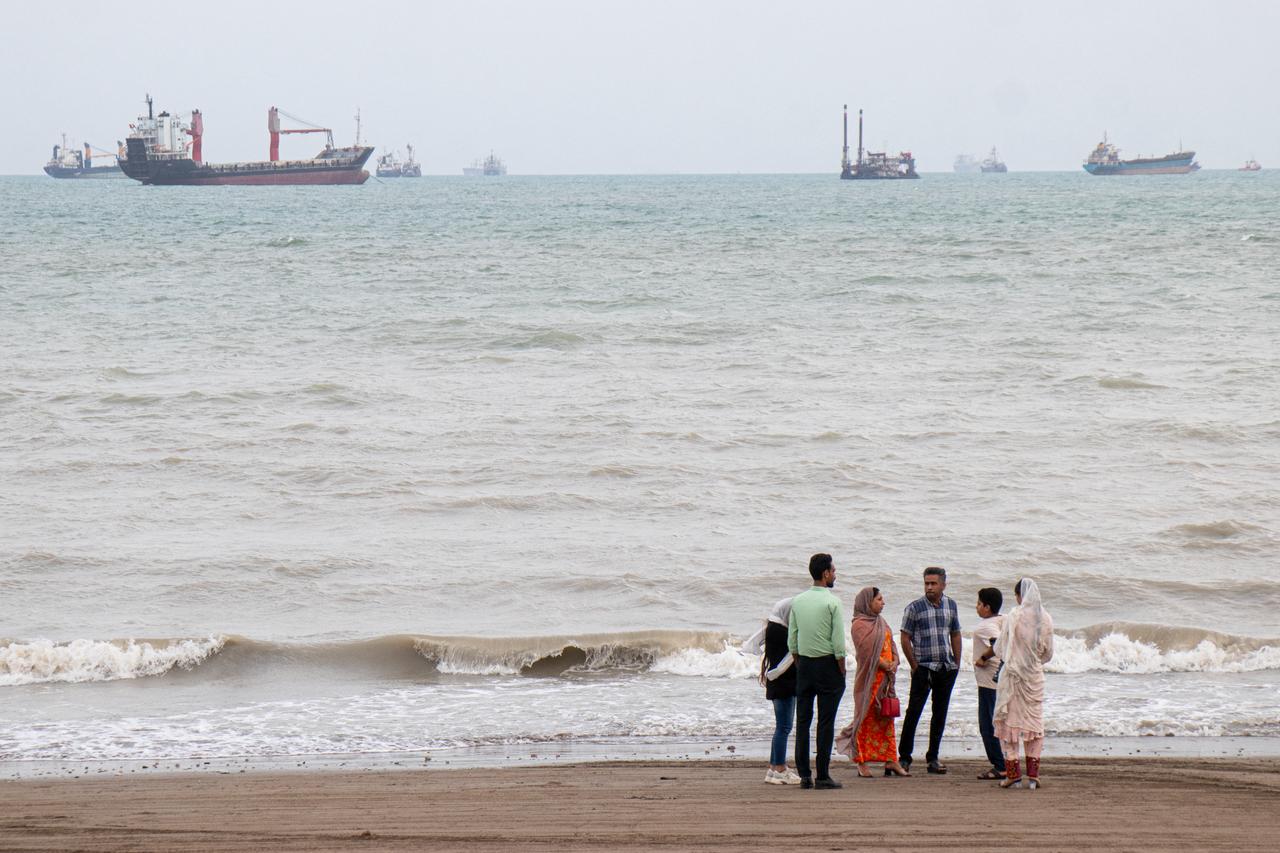
Beyond the geopolitical stakes, Albusaidi highlighted a more immediate concern: the fate of seafarers currently detained amid the broader conflict. His call to address their situation "urgently" added a humanitarian dimension to what are otherwise high-stakes strategic negotiations, underscoring the human cost of the ongoing standoff between Washington and Tehran.


 Set as preferred source
 Set as preferred source


 1 min read
 1 min read



