Newsletters


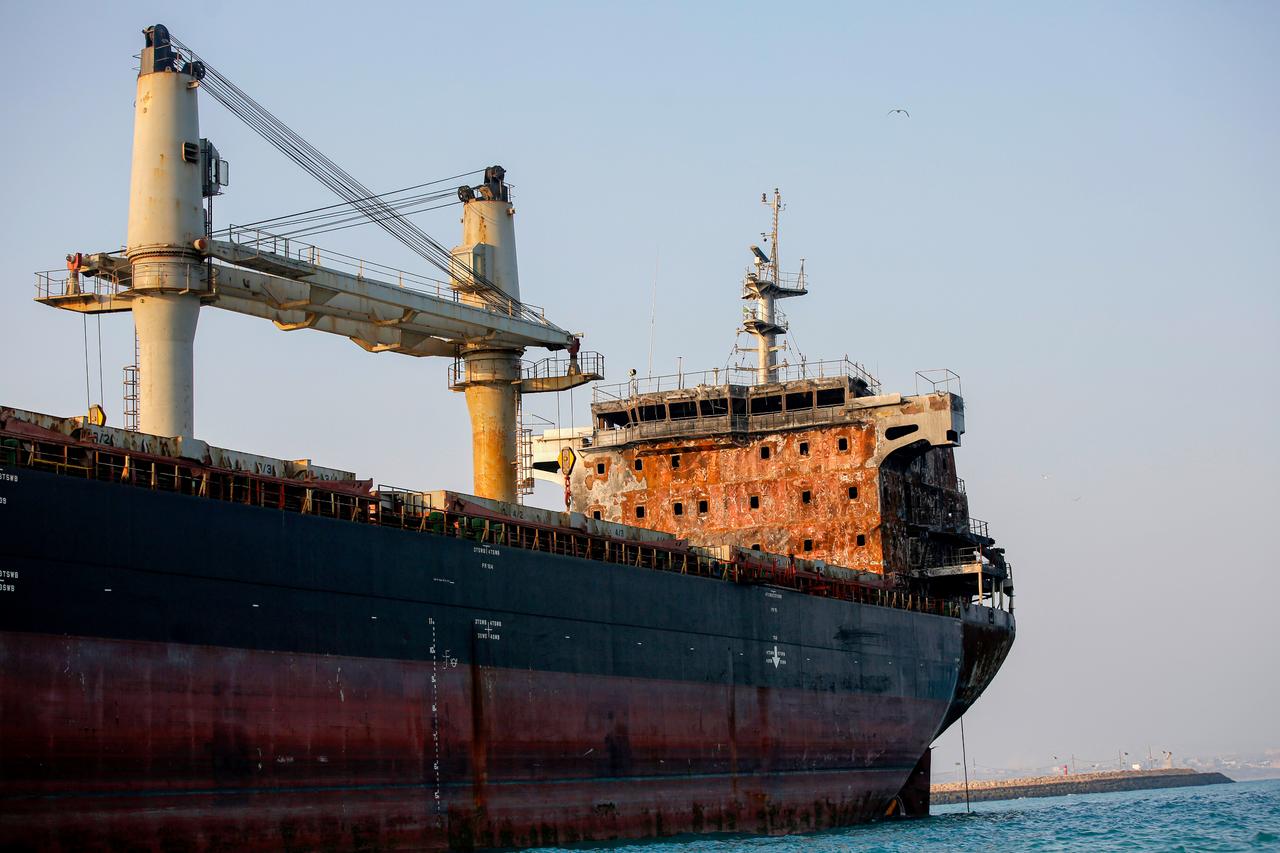


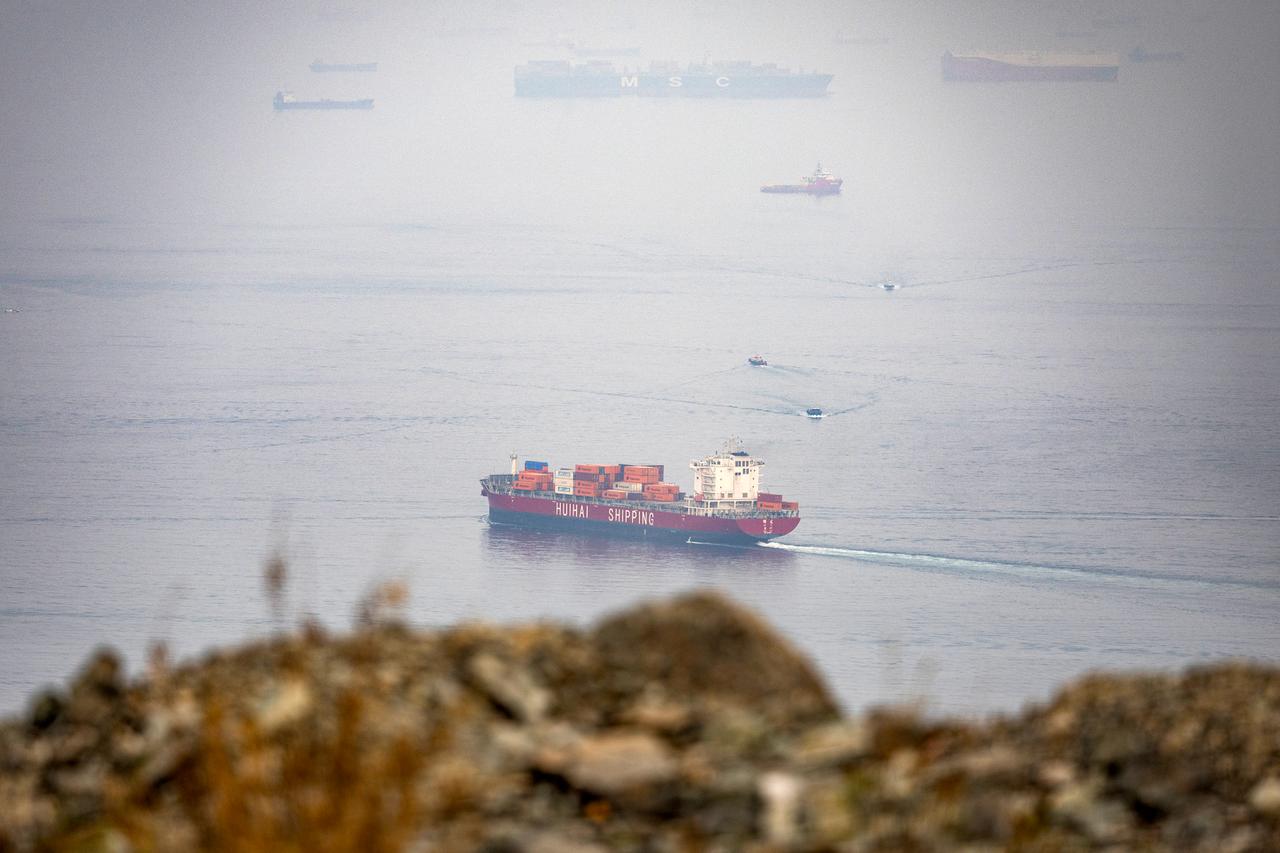
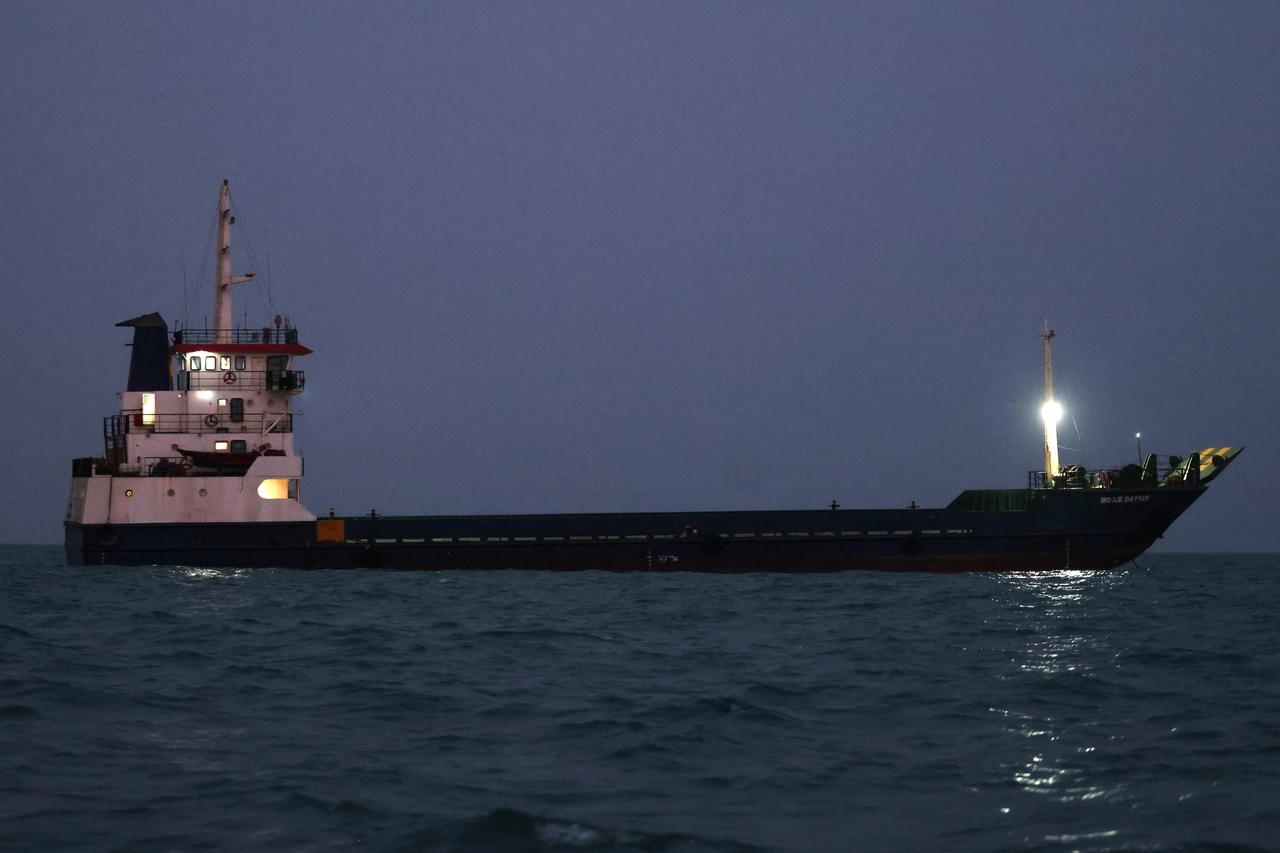
Iran’s Islamic Revolutionary Guard Corps (IRGC) claimed on Monday that two more oil tankers struck naval mines, exploded and sank in the Strait of Hormuz while using a southern route under U.S. guidance, bringing the number of tankers sunk since Sunday to six.
The claims could not be independently verified.
The IRGC Navy said the two tankers were "guided by America" and caught fire after hitting mines near two tankers that exploded a day earlier. Explosions lit up the strait for hours, and pollution spread to its shores, the IRGC said.
The IRGC described the strikes as a "punitive action" in response to the U.S. "illegal naval blockade" and violations of Iran’s Hormuz regulations.
It did not name the vessels.
"We warn the owners of oil companies that the southern-American route created in the Strait of Hormuz has been mined with walls of fire, and trusting the lies of U.S. military officials and cooperating with them will make you bait for the fire," the IRGC Navy reportedly said.
Iranian state TV said five vessels had struck mines and caught fire in the past 48 hours, and IRIB described one as a supertanker carrying more than 2 million barrels of crude.
Britain’s UKMTO said Indian authorities reported an attack on a tanker in the Gulf, with the crew safe and the extent of damage unknown.
The U.S. military says it has cleared the main routes through the strait of mines.
The IRGC said Sunday it launched six drones at Bahrain’s Riffa helicopter base in response to "blatant aggression of the U.S. military," claiming a "successful impact," while Bahrain said its air defenses intercepted several Iranian attacks.
It was the second Iranian attack on Bahrain in three days, after U.S. forces shot down two Iranian drones headed toward Bahrain on Friday.
The USS Theodore Roosevelt carrier strike group arrived in the U.S. Central Command (CENTCOM) area, joining two other carriers in the Middle East.
The last time three U.S. carrier strike groups operated in the region before this year was in 2003.
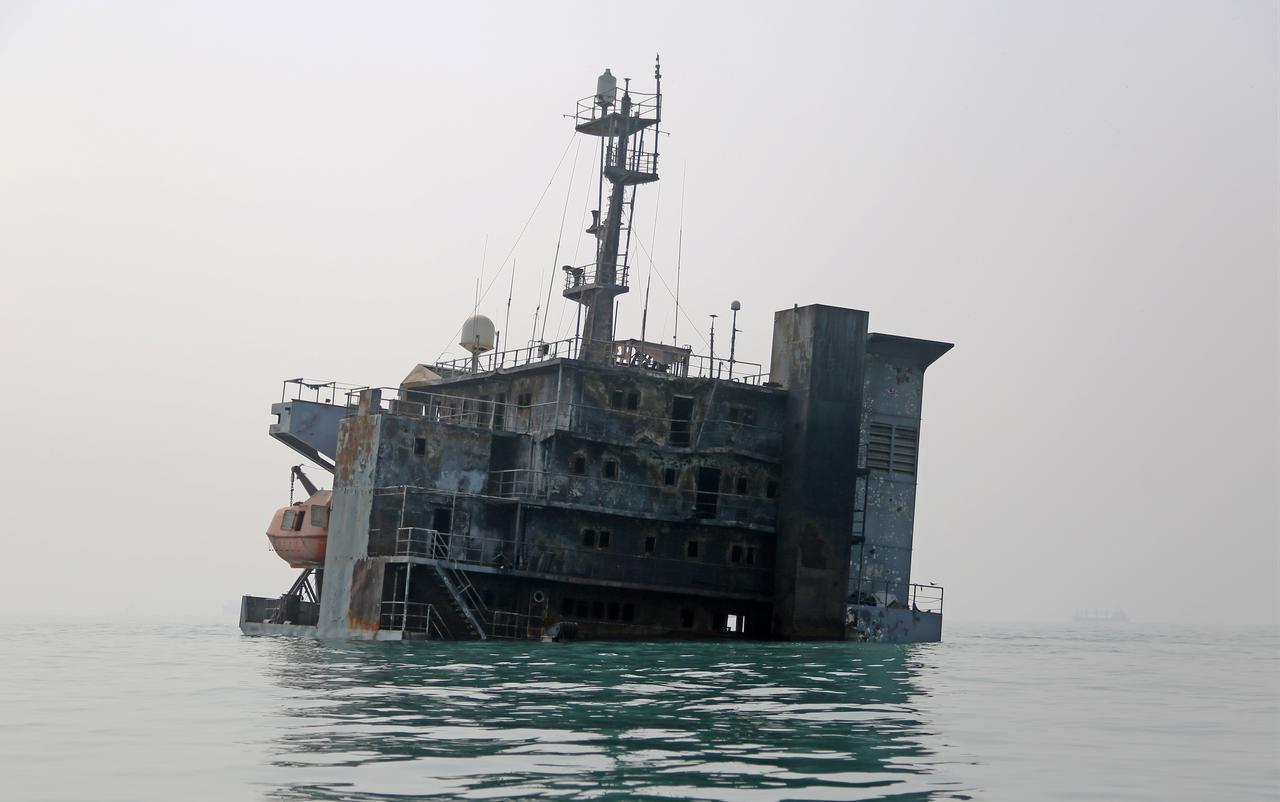

Brent crude fell 0.6% to $95.30 a barrel early Monday as Middle East shipments through Hormuz have nearly recovered to prewar levels. The International Energy Agency said the oil market will return to a surplus in the fourth quarter, with supply averaging 105 million barrels per day, 1.7 million above demand.
"For the first time since the U.S.-Iran conflict began, traders are actively contemplating the possibility of excess supply rather than persistent tightness," said Tim Waterer of KCM Trade who spoke to Reuters, noting high shipping rates are keeping a floor under prices.
BMI analysts said they expect a preliminary deal to reopen Hormuz in the first quarter of 2027.
The war will cost Gulf countries more than $200 billion in physical damage, with economic losses reaching $790 billion through 2030, insurer Allianz Trade said. More than 80 energy facilities were hit, mostly in Kuwait, Qatar and Bahrain, a third of them severely damaged, it said, as attacks in the Strait of Hormuz continue.


 Set as preferred source
 Set as preferred source


 1 min read
 1 min read