Newsletters


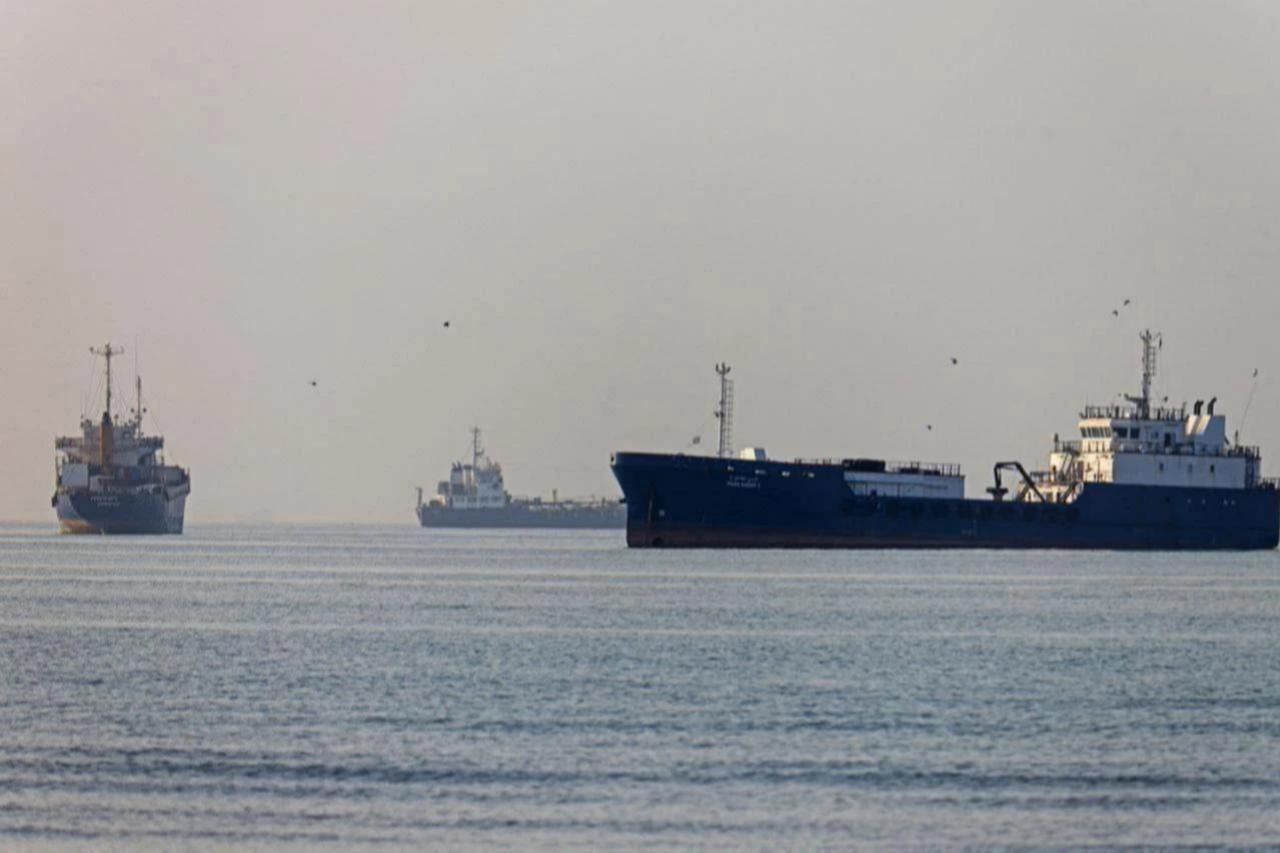


Iran's Islamic Revolutionary Guard Corps (IRGC) Navy said two oil tankers exploded and caught fire after striking naval mines south of the Strait of Hormuz, accusing the vessels of attempting to cross the strategic waterway through an unauthorized route.
In a statement carried by Iranian state media, the naval force claimed the tankers had switched off their navigation and automatic identification systems to conceal their movements while attempting to pass through the strait.
The vessels struck naval mines, triggering explosions and large fires, according to the IRGC Navy. One of the two tankers was a supertanker, Iranian media reported.
The military did not identify the vessels, disclose their nationalities or provide information about possible casualties.
The IRGC Navy also reported that two additional oil tankers attempting to cross the waterway covertly turned back toward the Persian Gulf after responding to warnings from its maritime traffic control center.
The force warned shipowners and shipping companies against attempting to transit the strait without coordinating their movements with Iranian authorities.
The latest announcement followed a separate incident reported by Iran's conventional navy on Saturday, when another oil tanker allegedly struck a naval mine in the eastern Strait of Hormuz after entering what Tehran described as a prohibited shipping zone with its tracking and identification systems switched off.
That vessel caught fire and was forced to stop, according to the Iranian navy. The separate reports brought the number of tankers Iran said were affected by mine strikes in the waterway on Saturday to three.
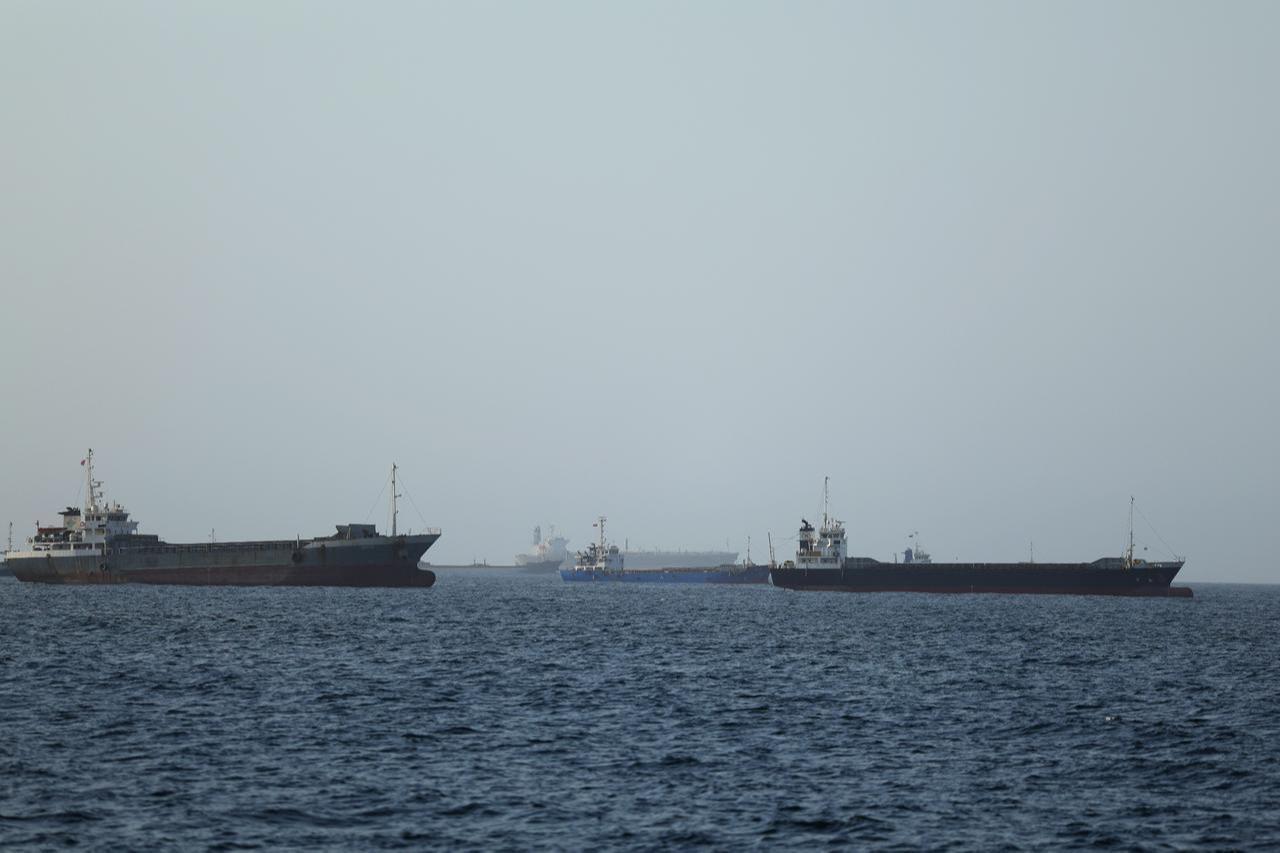

The reported incidents came as Iran tightened restrictions on maritime traffic through the Strait of Hormuz amid its confrontation with the United States.
Tehran insisted that commercial vessels coordinate their passage with Iranian authorities and threatened to target ships using routes outside those designated by its military.
Washington, meanwhile, imposed a naval blockade on Iranian ports and provided military support to commercial vessels navigating the waterway. The U.S. military also said it had cleared the main shipping routes through the strait of mines.
The Strait of Hormuz connects the Persian Gulf to the Gulf of Oman and the Arabian Sea, making it one of the world's most important energy shipping corridors. Before the war, approximately one-fifth of global oil supplies passed through the narrow waterway.
Repeated reports of attacks and restrictions raised concerns over the safety of commercial shipping and the movement of energy supplies through the region.


 Set as preferred source
 Set as preferred source


 1 min read
 1 min read