Newsletters


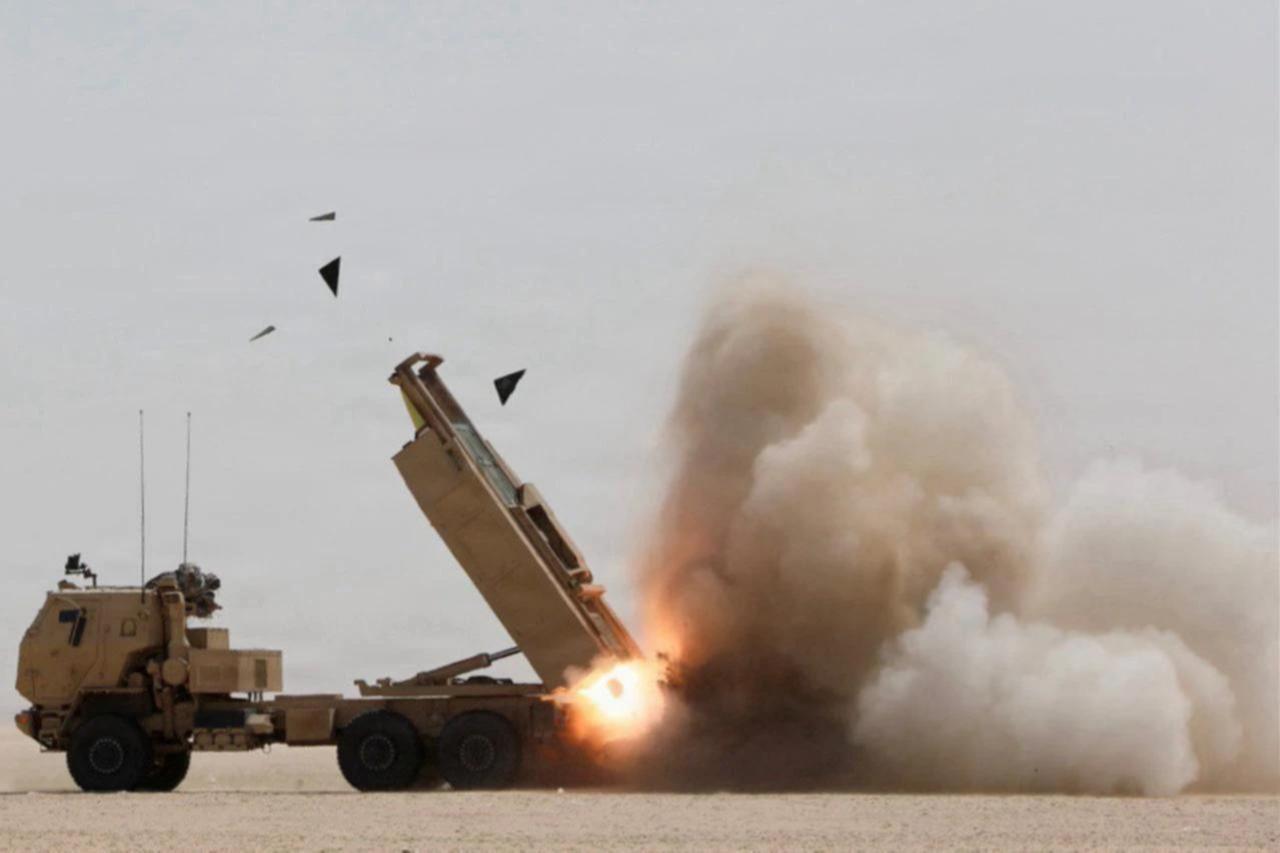


Iran's Revolutionary Guard Corps said Sunday it had destroyed American HIMARS rocket artillery systems stationed in Kuwait in a drone strike, the latest volley in a rapidly escalating military exchange that has now engulfed much of the Gulf region.
In a statement carried by tdhe semi-official Fars News Agency, the IRGC said it conducted a "precision drone operation" targeting US ground-to-ground missile platforms, claiming both the launchers and their loaded missile pods, described as "ready to fire toward Iran," were put out of action.
The corps also cited unverified reports claiming three US officers were killed and several others wounded, an assertion that could not be independently confirmed. Neither Washington nor Kuwait City offered any immediate response to the claims.
The strike was the latest in a series of Iranian retaliatory actions following what the IRGC characterized as repeated US and Israeli attacks on Iranian territory since February, including strikes on Iran's southern coastline using short-range HIMARS missiles.
HIMARS, the High Mobility Artillery Rocket System, is a truck-mounted US Army launcher prized for its ability to fire precision rockets and then rapidly relocate, making it difficult to neutralize.
Hours before the IRGC announcement, Kuwait's military said three land border posts in the country's north had come under attack, resulting in material damage, while a drone also struck an offshore drilling platform operated by Kuwait Oil Company, injuring one worker.
Kuwaiti authorities did not identify the party responsible for the attacks, but the army said its forces were actively intercepting hostile aerial targets and urged residents to follow official safety guidance.
Kuwait has found itself at the center of the conflict despite having publicly denied allowing any party to use its territory, airspace, or waters for military action against Iran.
The country's emir, Sheikh Mishal Al-Ahmad Al-Jaber Al-Sabah, called the attacks "unprovoked" and directed at a country Kuwait considers a neighbor and fellow Muslim state.

Sunday's strikes in Kuwait were part of a sweeping IRGC barrage that the corps described as retaliatory action spanning multiple countries.
Iranian forces claimed hits on US military facilities in Jordan, Oman and Qatar in addition to Kuwait, including a command-and-control center and drone hangars at Jordan's Prince Hassan Air Base, and aircraft carrier support and refueling infrastructure in Oman.
Qatar, struck for the first time since April, reported three injuries from falling shrapnel, including a child. Jordan said three missiles landed on its territory, causing minor damage but no casualties.
The UAE said its air defense systems engaged incoming Iranian missiles and drones. Oman, which has served as a quiet diplomatic backchannel between Washington and Tehran throughout the conflict, summoned Iran's ambassador after sites in its Musandam region were struck, and condemned what it described as a violation of its sovereignty.
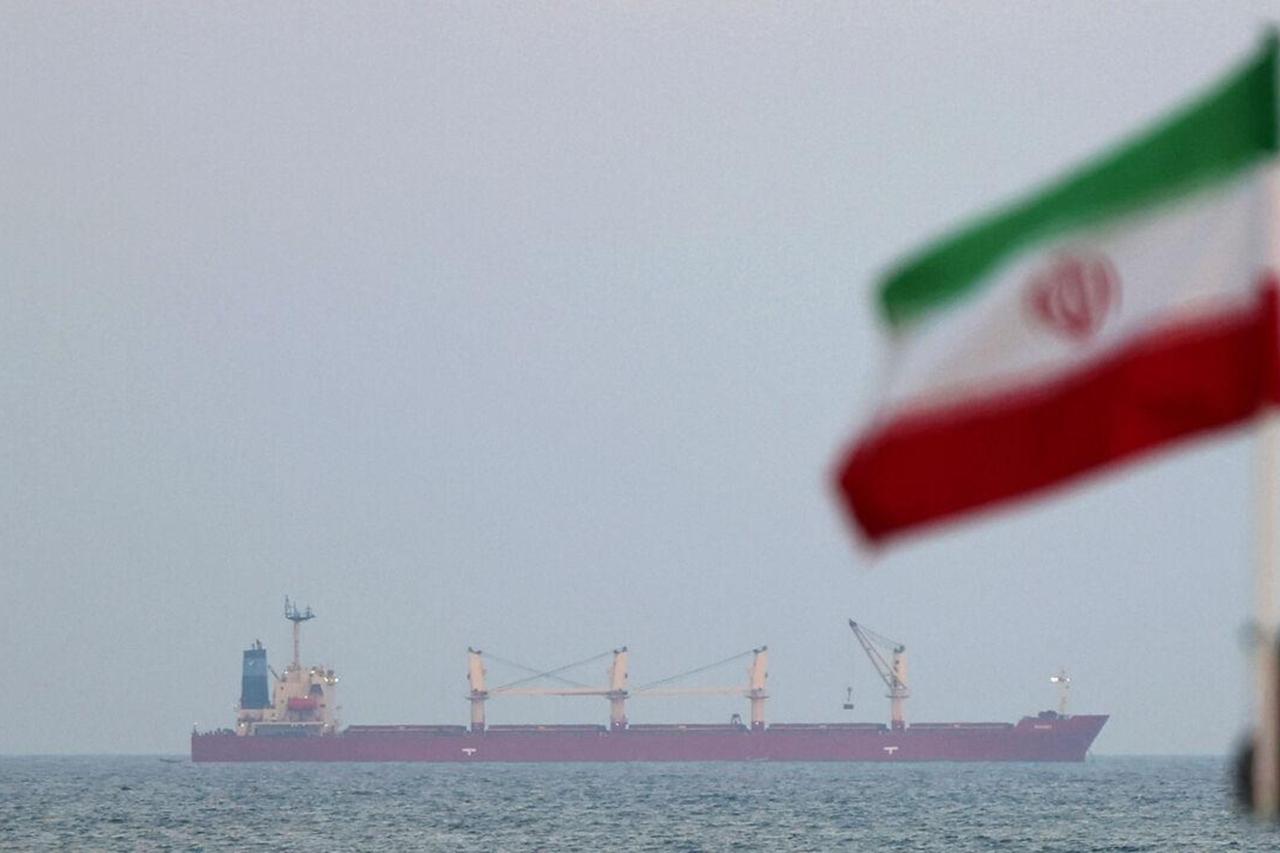
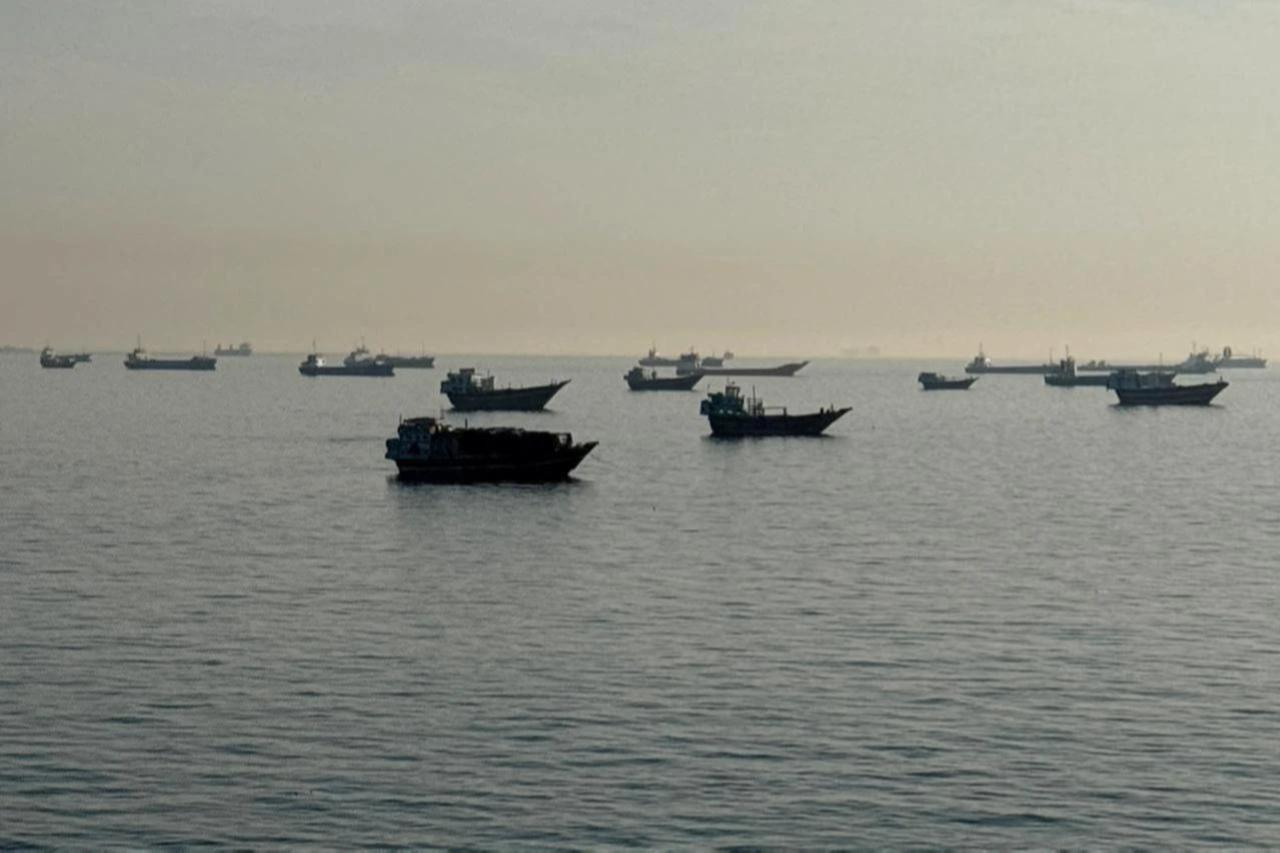
The maritime dimension of the crisis also deepened. Iran's IRGC declared the Strait of Hormuz closed to what it called unauthorized traffic, a claim disputed by US and international maritime authorities. The Joint Maritime Information Center said the strait's southern route remained open and had been expanded to accommodate two-way shipping.
Since early May, US forces have assisted the transit of more than 800 commercial vessels and some 400 million barrels of crude oil through the waterway.
Still, the threat level in the strait was rated "severe." India said one of its nationals was missing following an Iranian attack on the commercial vessel GFS Galaxy near Oman, with ten other Indian crew members rescued.
US Central Command said it completed a third round of strikes against Iran on Saturday night, hitting approximately 140 Iranian military targets, bringing the three-night cumulative total to more than 300.
The targets included missile and drone sites, naval assets, ammunition depots, communication networks and coastal surveillance infrastructure.
CENTCOM said the campaign was aimed at degrading Iran's capacity to threaten civilian mariners and commercial shipping.
Iran's negotiator Mohammad Baqer Qalibaf warned that the conflict would not end on American terms, saying, "The era of one-sided deals is over," and pledging continued strikes until what the IRGC described as the "end of US interference in this region."
The broader conflict, which erupted in February with a US-Israeli offensive, has since drawn in most of the Gulf's American security partners and cast a shadow over global energy markets, with shipping insurers and oil traders closely tracking every new development in and around the Strait of Hormuz, through which roughly a fifth of the world's oil supply passes.


 Set as preferred source
 Set as preferred source


 1 min read
 1 min read