Newsletters


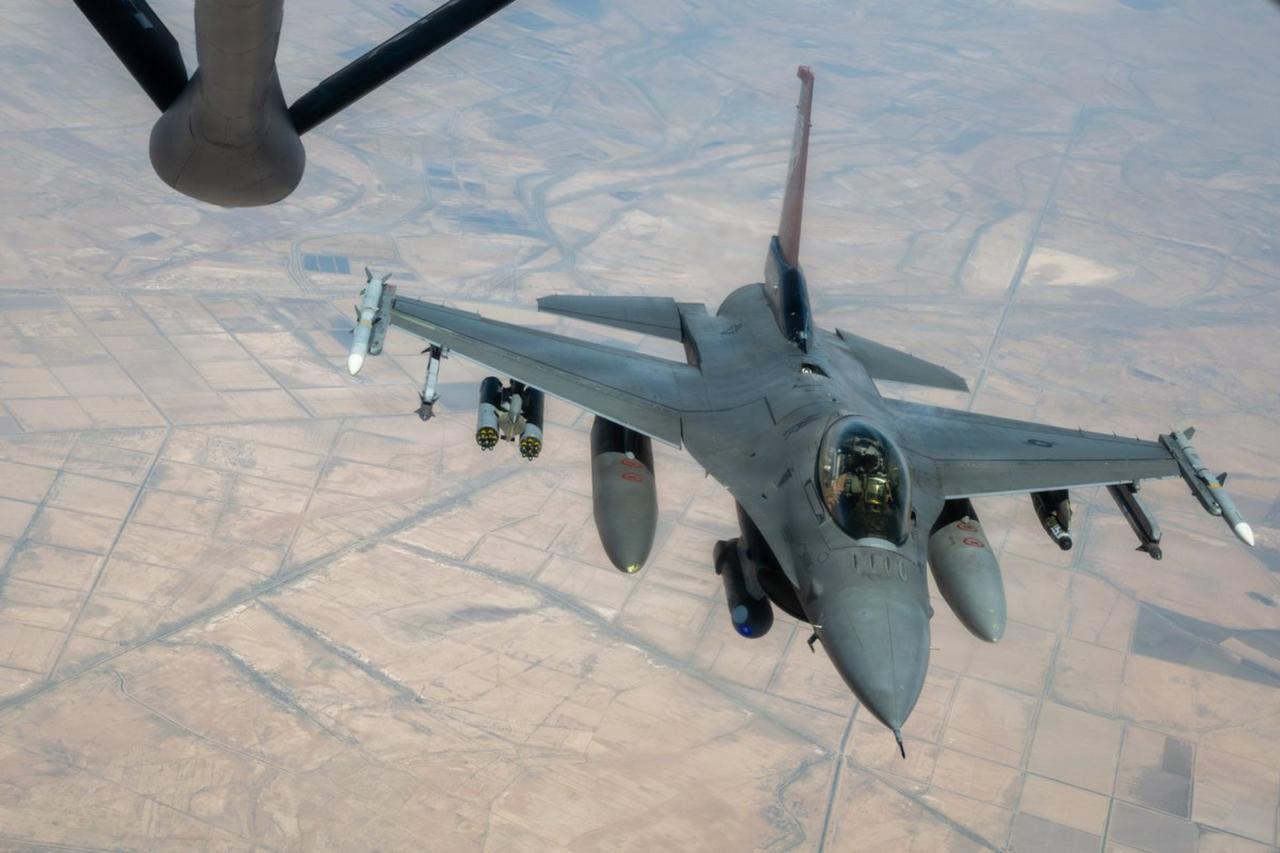


The U.S. launched a third round of strikes against Iran on Saturday after Iranian forces attacked another commercial vessel transiting the Strait of Hormuz, U.S. Central Command (CENTCOM) announced.
Tehran then targeted U.S. military sites across the Gulf in Jordan, Kuwait, Qatar and Oman early Sunday, hours after closing the Strait of Hormuz again.
According to CENTCOM, the latest operation began at 7:15 p.m. ET after the Islamic Revolutionary Guard Corps (IRGC) struck the Cyprus-flagged M/V GFS Galaxy, leaving one civilian crew member missing and the vessel unable to continue its voyage because of an onboard fire and severe engine room damage.
CENTCOM said Iran had been given another opportunity to comply with the June Islamabad Memorandum of Understanding, an interim U.S.-Iran agreement that halted hostilities.
The agreement required Tehran to use its "best efforts" to ensure the safe passage of commercial vessels through the Strait of Hormuz during a 60-day negotiating period, but CENTCOM accused Iran of instead continuing to target civilian ships transiting the waterway.
In response, U.S. forces carried out precision strikes on about 140 Iranian military targets, including missile and drone sites, naval assets, ammunition depots, communications networks and coastal surveillance positions.
The command noted that more than 300 targets have been hit over three nights of operations ordered by President Donald Trump to reduce Iran's ability to threaten commercial shipping in the Strait of Hormuz.
CENTCOM added that U.S. forces have helped escort more than 800 commercial vessels carrying 400 million barrels of crude oil through the waterway since early May.
Iranian media reported that U.S. missiles struck the cities of Mahshahr, Hendijan, and Abadan in the southwestern province of Khuzestan.
Following the U.S. strikes, Iran launched attacks on U.S. military facilities across the region, while several Gulf states reported intercepting incoming missiles and drones.
The United Arab Emirates said its air defense systems intercepted incoming Iranian missiles and drones. Qatar initially urged residents to remain indoors because of a heightened security threat before announcing that its armed forces had intercepted the attack and that the situation had returned to normal.
Bahrain activated air raid sirens, while Kuwait reported intercepting hostile aerial targets over its territory.
The IRGC claimed ballistic missiles destroyed the command and control center and MQ-9 drone hangars at Prince Hassan Air Base in Jordan.
It also claimed attacks on a Patriot air defense system, an ammunition depot and a radar site in Kuwait, along with strikes targeting Al Udeid Air Base in Qatar and logistics facilities supporting U.S. aircraft carriers at Oman's Port of Duqm.
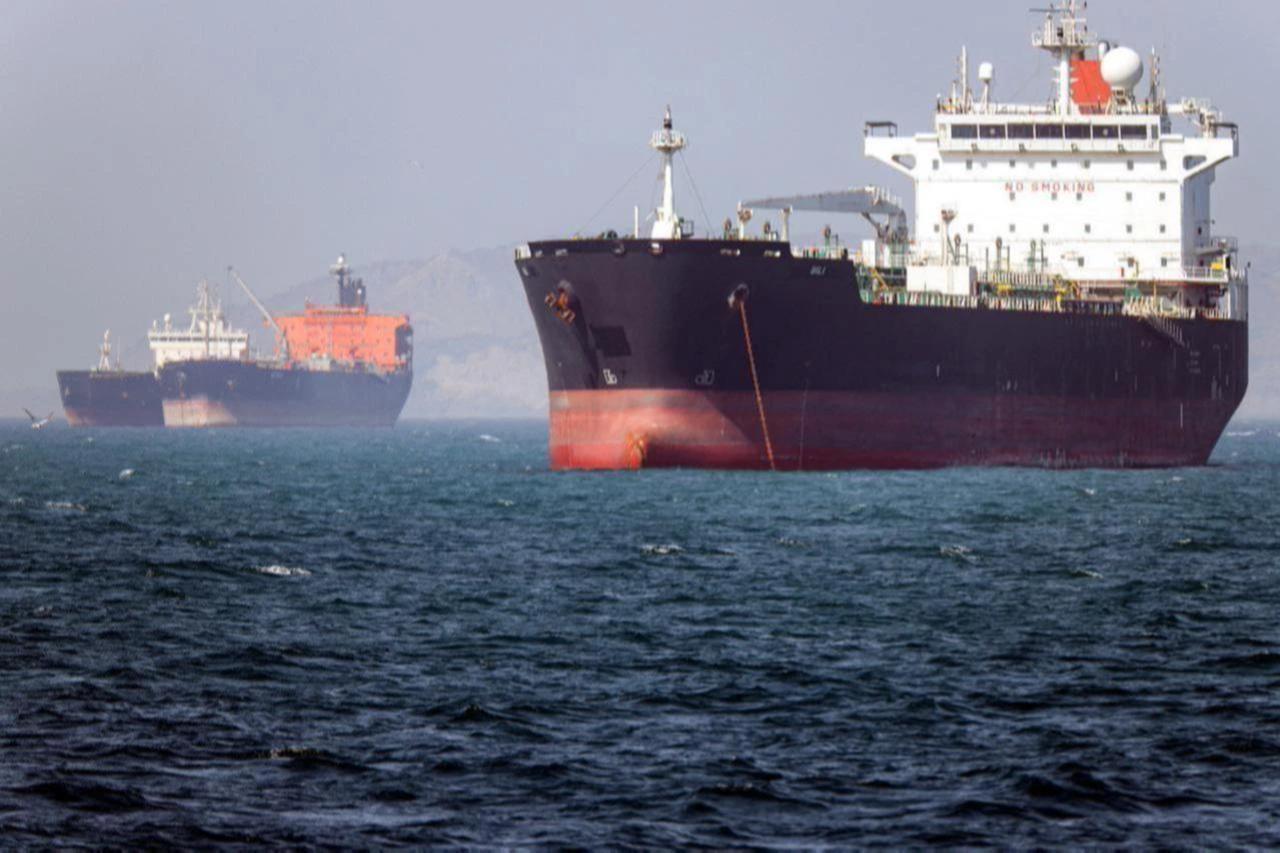

Iran's Revolutionary Guard said it also struck a second vessel in the Strait of Hormuz after accusing it of violating Iranian transit regulations.
The Guard Corps maintained that the Strait of Hormuz would remain closed until further notice, arguing that foreign intervention and what it described as unauthorized shipping routes had created an unstable security environment. It warned that no vessel would be allowed to pass until U.S. military involvement in the area ends.
Iranian Parliament Speaker Mohammad Bagher Ghalibaf, who also serves as Iran's top negotiator in the talks, rejected U.S. demands to reopen the Strait of Hormuz.
He cited a clause in the June memorandum of understanding requiring Iran to use its "best efforts" to ensure the safe passage of commercial vessels through the waterway for 60 days.
"The era of one-sided deals is OVER," Ghalibaf said, in an apparent reference to U.S. President Donald Trump's remarks earlier this week that the ceasefire was over. "We told you: keep your word or pay the price. Reality is knocking."


 Set as preferred source
 Set as preferred source


 1 min read
 1 min read