Newsletters


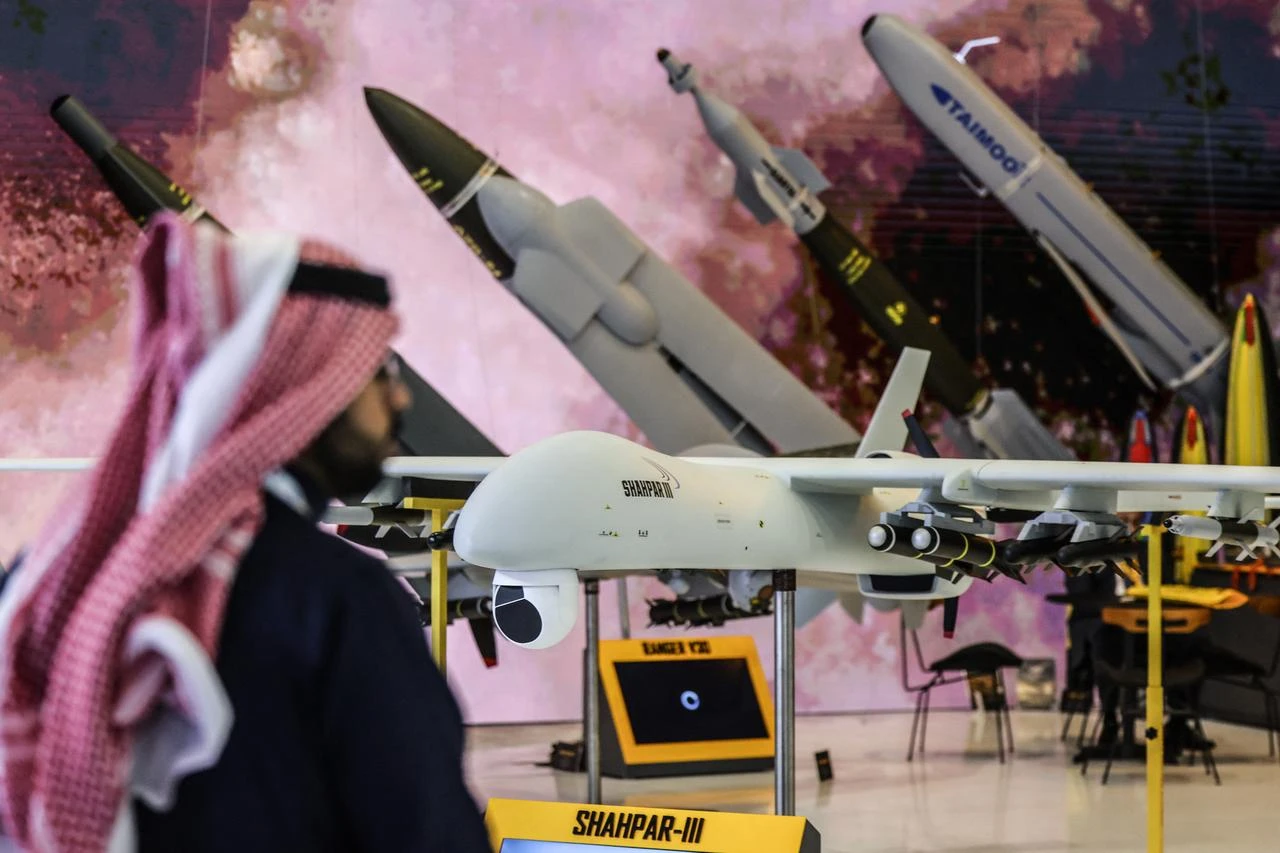


Iran's Parliament Speaker Mohammad Bagher Ghalibaf said Saturday that Tehran has received "numerous messages" from neighboring countries about reshaping regional security arrangements and economic cooperation, despite U.S. threats against nations maintaining economic ties with Iran.
Ghalibaf's remarks, Tehran's top negotiator in talks with Washington, come as Gulf states allied with Washington, several of which host American military bases, weigh their position amid the ongoing U.S. pressure campaign against Tehran.
According to The Washington Post's report, discontent with the United States is growing among its Gulf allies amid concerns that U.S. President Donald Trump has been unable to secure a diplomatic end to the prolonged war with Iran.
"Trump started this war, and we are paying the price," a Gulf official told the Post, saying anger toward the U.S. was at its highest point since the U.S. and Israel attacked Iran in February.
Ghalibaf said in a social media post on X that Iran has received communications from neighboring countries about shaping a new regional order.
"We've received numerous messages from neighboring countries about shaping new security arrangements and economic cooperation in the region," Ghalibaf wrote.
Various Gulf states are allies of the United States and host American military bases, which have been targeted by Tehran in retaliatory strikes throughout the war.
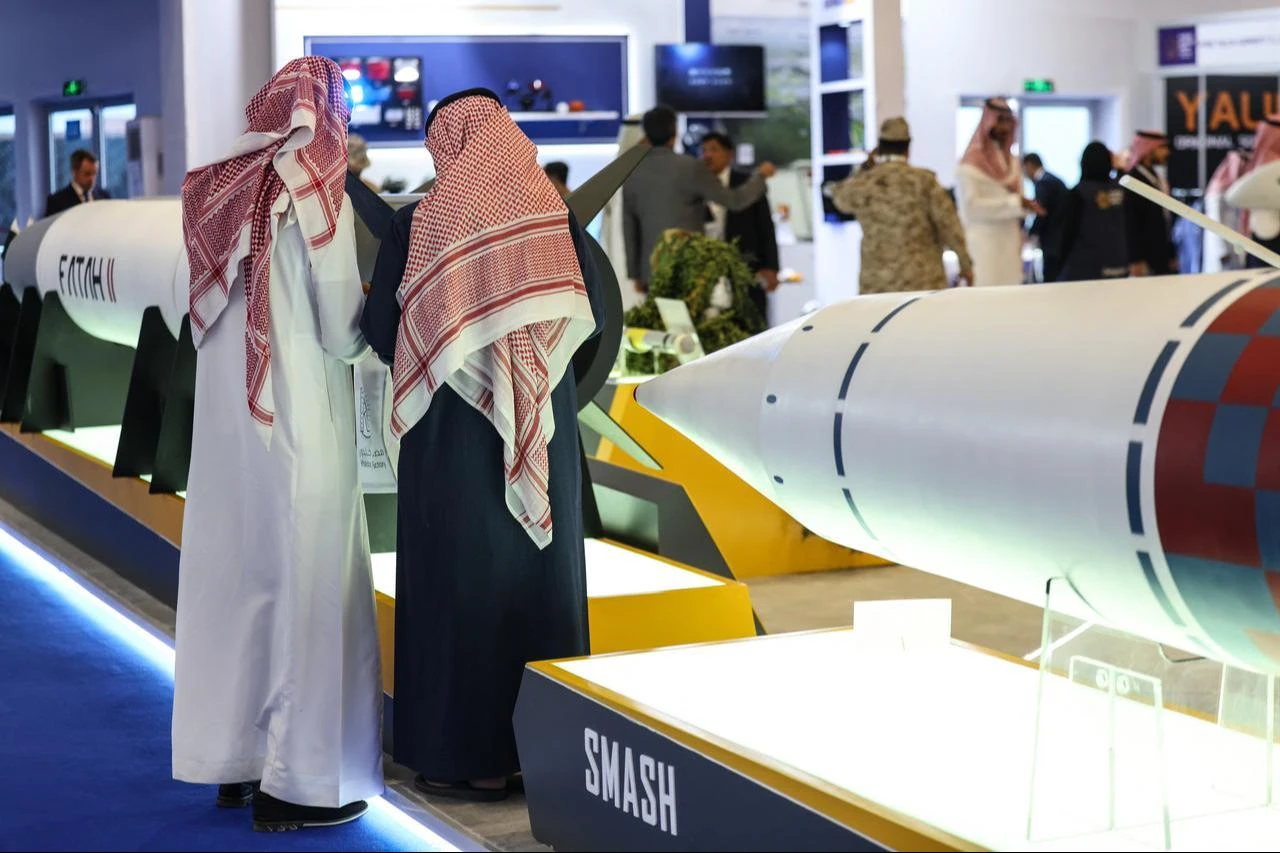

Ghalibaf accused Washington of endangering its own allies' security through its support for Israel.
"The United States put the security of every single one of its allies at such risk … through bullying and pure disregard for their interests for the sake of Israel that they briefly saw their entire existence on the line," Ghalibaf wrote.
He said a regional and independent order, rather than reliance on the United States, would deliver lasting peace and security.
"A homegrown, independent order is what will actually deliver peace and security," Ghalibaf wrote.
Ghalibaf's comments follow U.S. President Donald Trump's announcement of what he called "the most crushing economic operation ever taken against any country" against Iran, which he described as "Economic D-Day" and "Economic Warfare and Isolation on an unprecedented scale."
Trump has said countries providing Iran with any form of support would face severe economic consequences.
Iranian Foreign Minister Abbas Araghchi has said Trump's new sanctions would fail, as previous rounds of U.S. sanctions against Iran have.


 Set as preferred source
 Set as preferred source


 1 min read
 1 min read