Newsletters


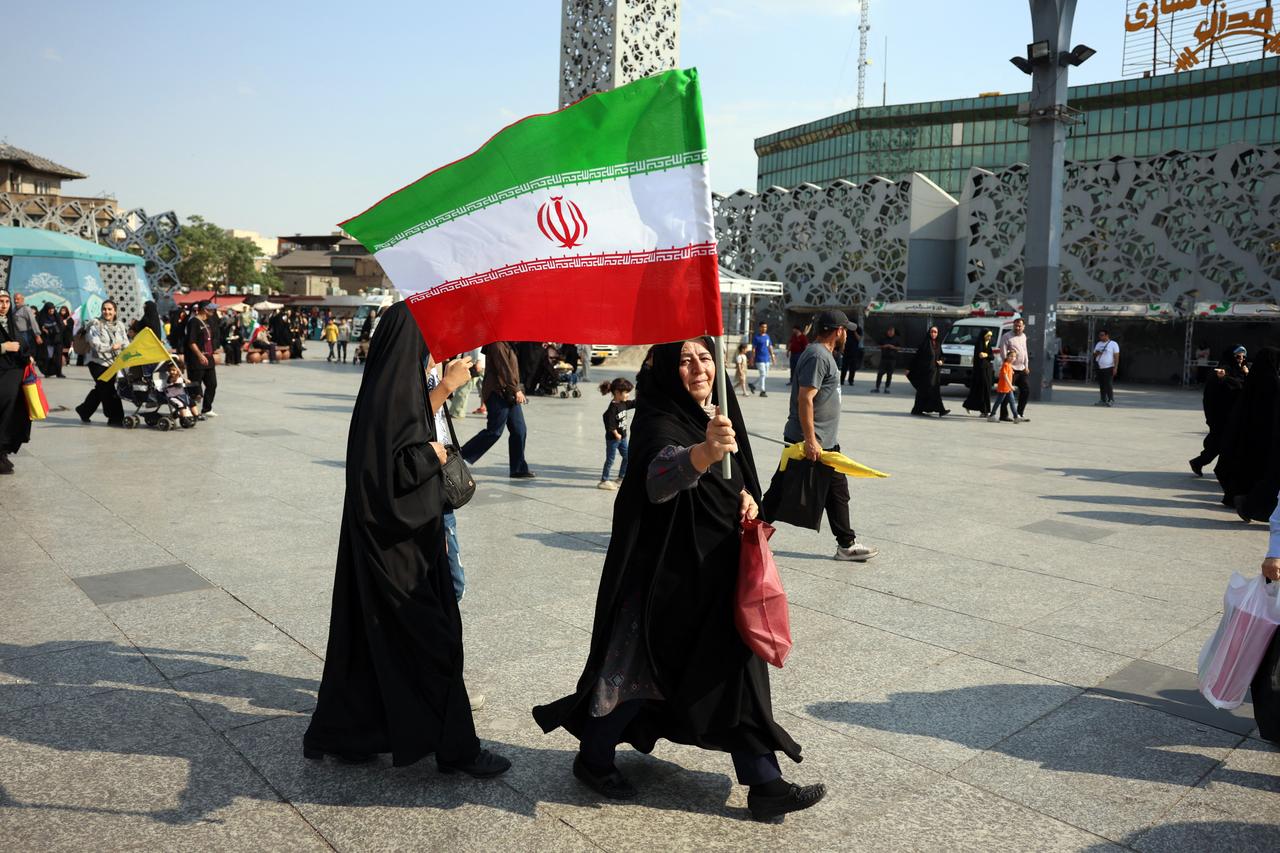


Iran's Foreign Ministry on Saturday condemned overnight U.S. strikes on coastal radar and maritime surveillance installations in the Sirik area and on Qeshm Island as a "flagrant violation of the ceasefire" and an attack on Iranian national sovereignty and territorial integrity.
Tehran warned that Washington bears full responsibility for all consequences of what it called "unlawful aggression."
In a statement published by Tasnim News Agency, Iran's Foreign Ministry said the early Saturday strikes on radar facilities in Sirik and Qeshm Island constituted "blatant ceasefire violations and military aggression against the national sovereignty and territorial integrity of the Islamic Republic of Iran."
The ministry said the strikes were "a continuation of the hostile and provocative behavior of the American regime against the Islamic Republic of Iran" and demonstrated "complete disregard by the American ruling establishment for the fundamental principles of international law and the UN Charter."
It said Iran's armed forces "within the framework of the inherent right of self-defense and with full alertness, decisiveness, and authority gave a proportionate and effective response to this aggressive action and did not allow the malicious objectives of the planners of this aggression to be achieved."
U.S. Central Command (CENTCOM) had previously confirmed striking coastal surveillance radar positions at Sirik and Qeshm Island following Iranian drone and missile activity toward the Strait of Hormuz.
Iran's Islamic Revolutionary Guard Corps (IRGC) separately announced that it had fired missiles at U.S. bases in the region in response.
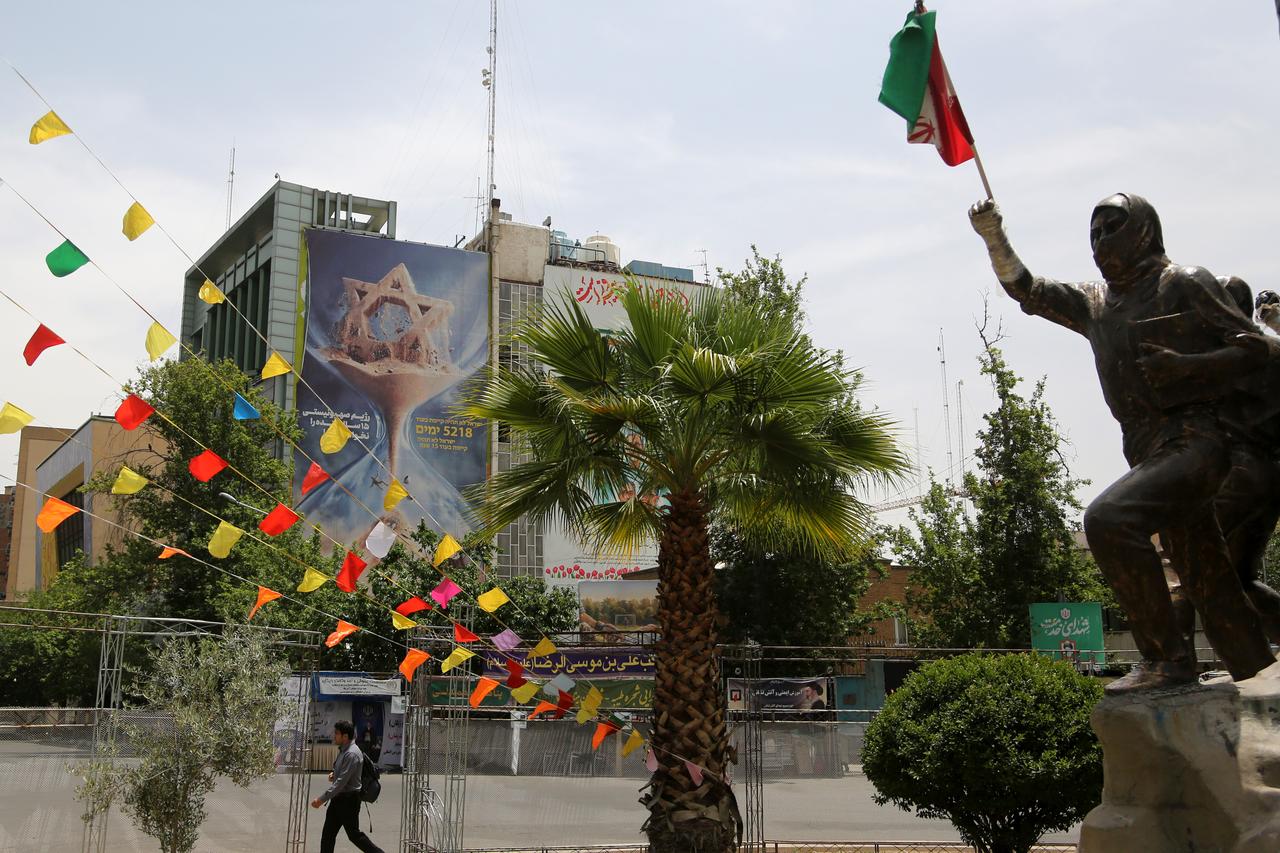

Iran's Foreign Ministry said repeated U.S. ceasefire violations proved that Washington had "no will to reduce tensions and return to the path of stability," and was instead "exposing the region's security to serious risks through its adventurist actions."
"The responsibility for all consequences arising from these illegal actions and any potential escalation of tensions will rest with the U.S. government," the ministry stated.
The ministry affirmed Iran's right to self-defense under Article 51 of the U.N. Charter and said it would "use all its capacities to defend the country's sovereignty, security and national interests."
It also called on regional countries to stop allowing their territory and capabilities to be used for aggressive actions against Iran.
The Foreign Ministry called on the U.N. Secretary-General and the UN Security Council to respond to what it described as America's ongoing ceasefire-violating strikes, calling them illegal and demanding that international bodies prevent further normalization of such actions and stop what it called peace-threatening measures.
Regional tensions have escalated after the U.S. and Israel launched airstrikes on Iran in late February, triggering a cycle of retaliatory attacks that widened instability across the region.
Iran, in retaliation, subsequently launched strikes against Israel and targeted countries hosting U.S. military bases, while also disrupting shipping through the Strait of Hormuz, a critical route for global energy supplies.
A ceasefire later took effect, though diplomatic efforts to secure a broader agreement have continued.


 Set as preferred source
 Set as preferred source


 2 min read
 1 min read