

 Newsletters


U.S. President Donald Trump said Saturday that Iran has retained only 21 to 22% of its pre-war missile stockpile following U.S. strikes and that Iranian leaders have not yet agreed to a deal to end the conflict because they are "strong" and "proud" but ultimately have "no choice" except to reach an agreement.
Trump explained the absence of a final agreement by pointing to the Iranian national character rather than diplomatic failure.
"They're strong, they're proud, and there are things they never thought they'd be doing that they're going to have to do. They've got no choice, and it takes a little while," Trump told during an interview with NBC News' "Meet the Press" moderator Kristen Welker in Wisconsin.
He dismissed critics pressing him to close a deal faster, comparing the conflict's duration to the Vietnam War.
"It takes years to do these things. These people have been fighting for 47 years. They've been killing Americans," he said.
"I'm moving very fast. I'm into three months. You know, Vietnam lasted 19 years. I'm into my third month, and all they do is say, 'Whoa, when are you going to win?'" he added.
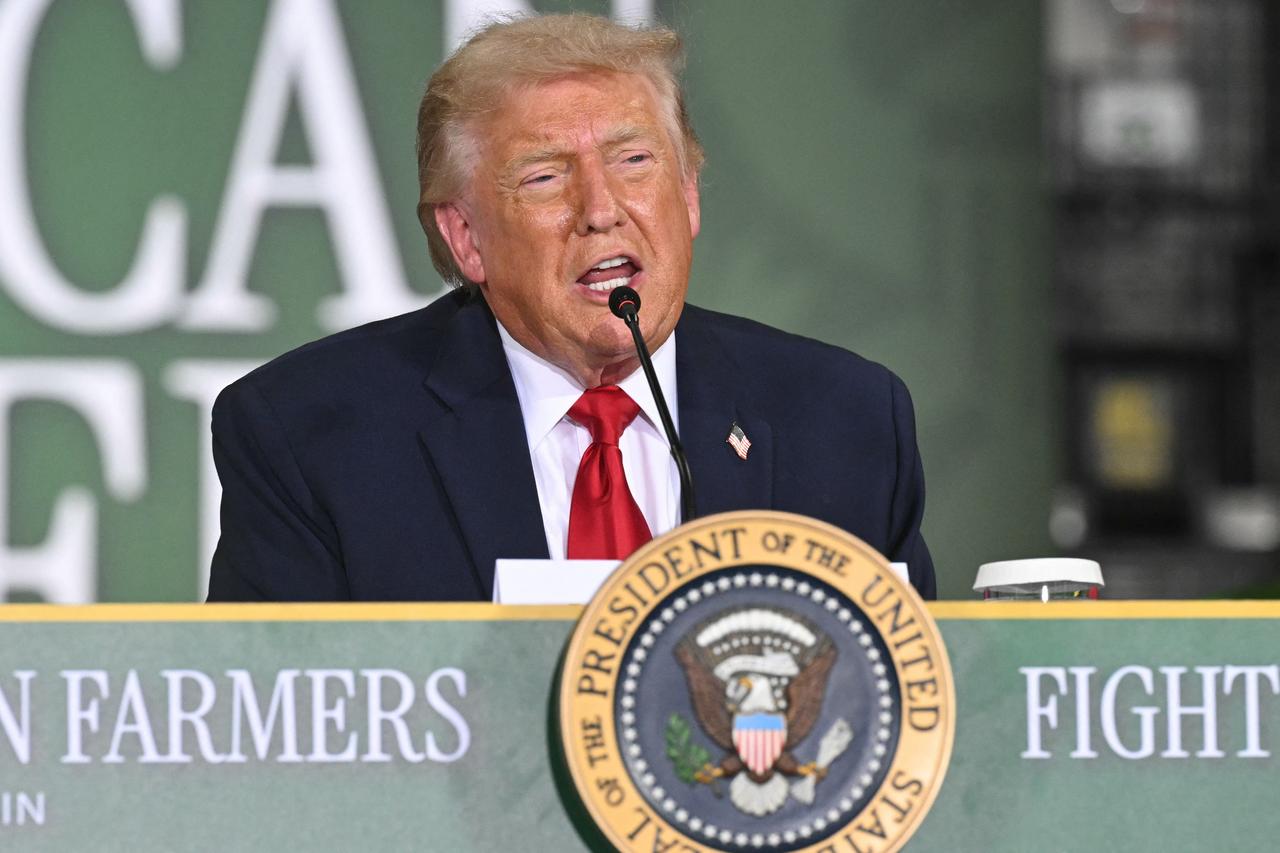
Separately, at an event in Wisconsin, Trump said the war was "largely finished" and would conclude one way or another. "It's either finished with a piece of paper or finished more difficultly, although you could say a much easier way," he said, adding, "One way or the other, it's finished."
He also told the audience that "Iran, from very shortly, will be gone, either through a deal or through a very tough way, but either way this is going to happen."
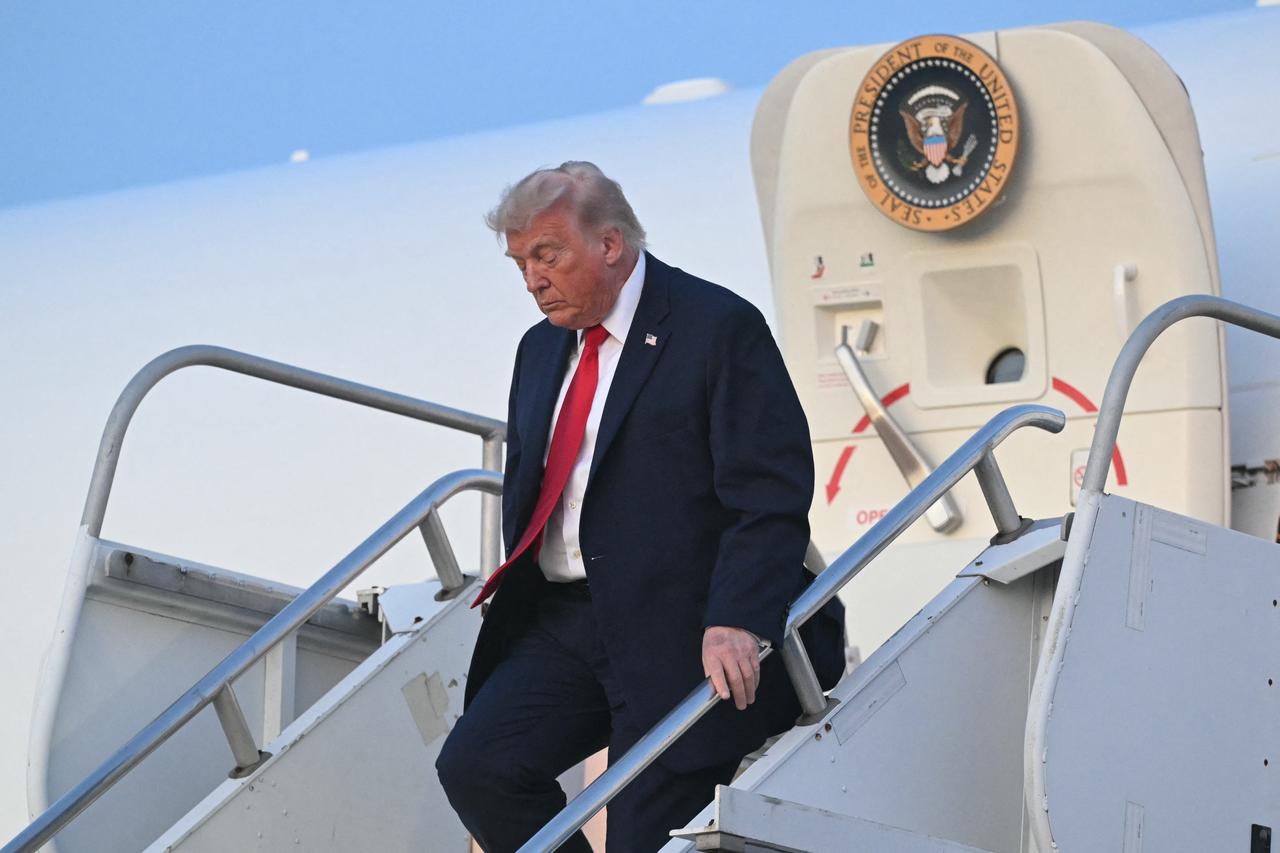

Trump offered a specific assessment of Iran's degraded military capacity, saying U.S. strikes had eliminated most of its production infrastructure.
"Most of the drone factories have been knocked out, most of the launching pads have been knocked out, and most of the missile manufacturing areas have been knocked out. But they still have capacity. They have some missiles; they have some drones," he said.
"I would say percentage-wise, maybe 21%-22% of their missiles. It's a lot of missiles, but it's not what it was when we first attacked," Trump added.
Iran demonstrated its remaining capabilities earlier this week, launching a series of attacks across the Persian Gulf, including a strike on Kuwait International Airport.
Regional tensions have escalated after the U.S. and Israel launched airstrikes on Iran in late February, triggering a cycle of retaliatory attacks that widened instability across the region.
Iran, in retaliation, subsequently launched strikes against Israel and targeted countries hosting U.S. military bases, while also disrupting shipping through the Strait of Hormuz, a critical route for global energy supplies.
A ceasefire later took effect, though diplomatic efforts to secure a broader agreement have continued.


 Set as preferred source
 Set as preferred source


 1 min read
 1 min read



