Newsletters


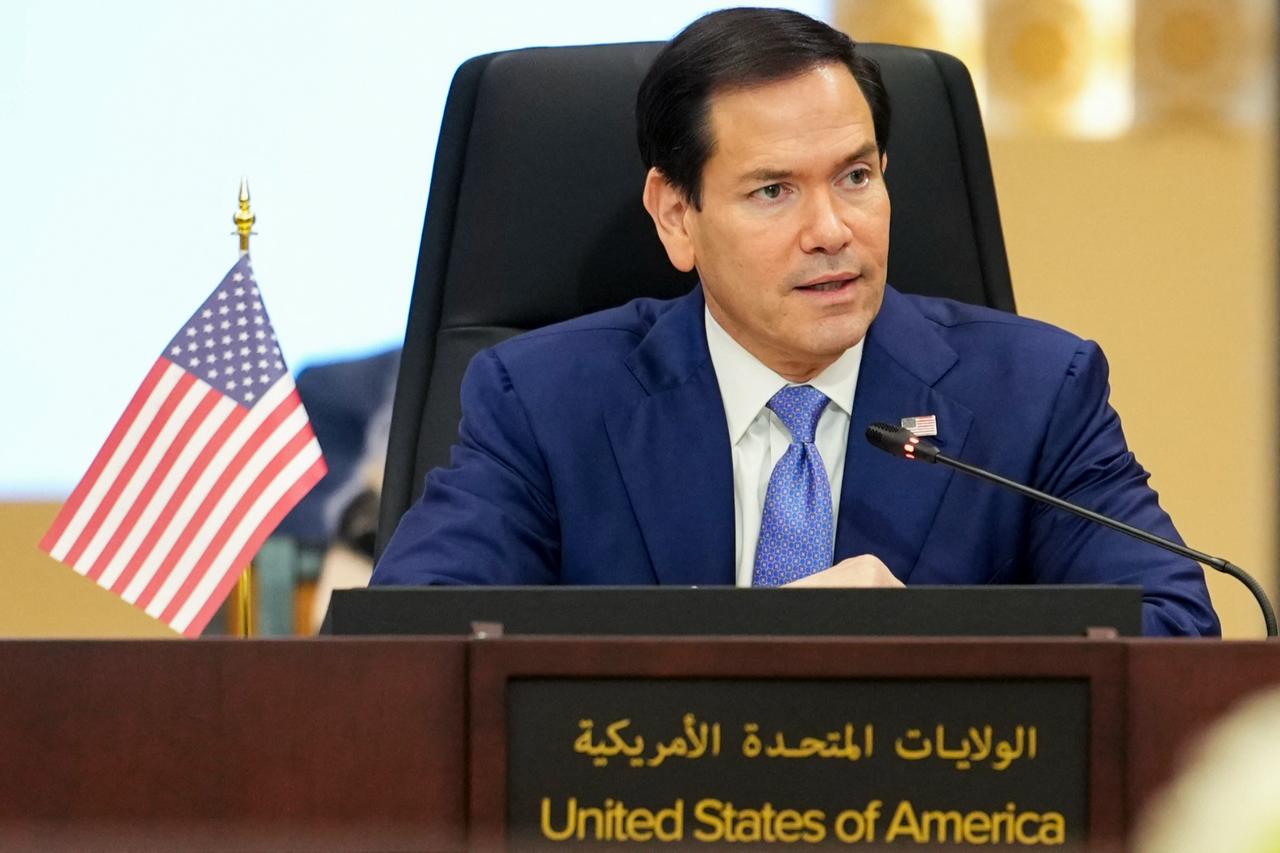


U.S. Secretary of State Marco Rubio assured Gulf Cooperation Council (GCC) foreign ministers that the agreement to end the Iran war will not undermine regional security.
However, he warned that any Iranian attempt to charge tolls on ships transiting the Strait of Hormuz would "spread throughout the world like a contagion."
"We want to ensure that any decisions that are made throughout this negotiating process, the interests of our partners and our allies in the region are always taken into account," Rubio said during a meeting with GCC foreign ministers in Manama on Thursday.
"There is no part of this deal that's undertaken that in any way undermines the security, the stability, or the prosperity of any of our partners in the Gulf region, and that is at the core of my visit here today," he added.
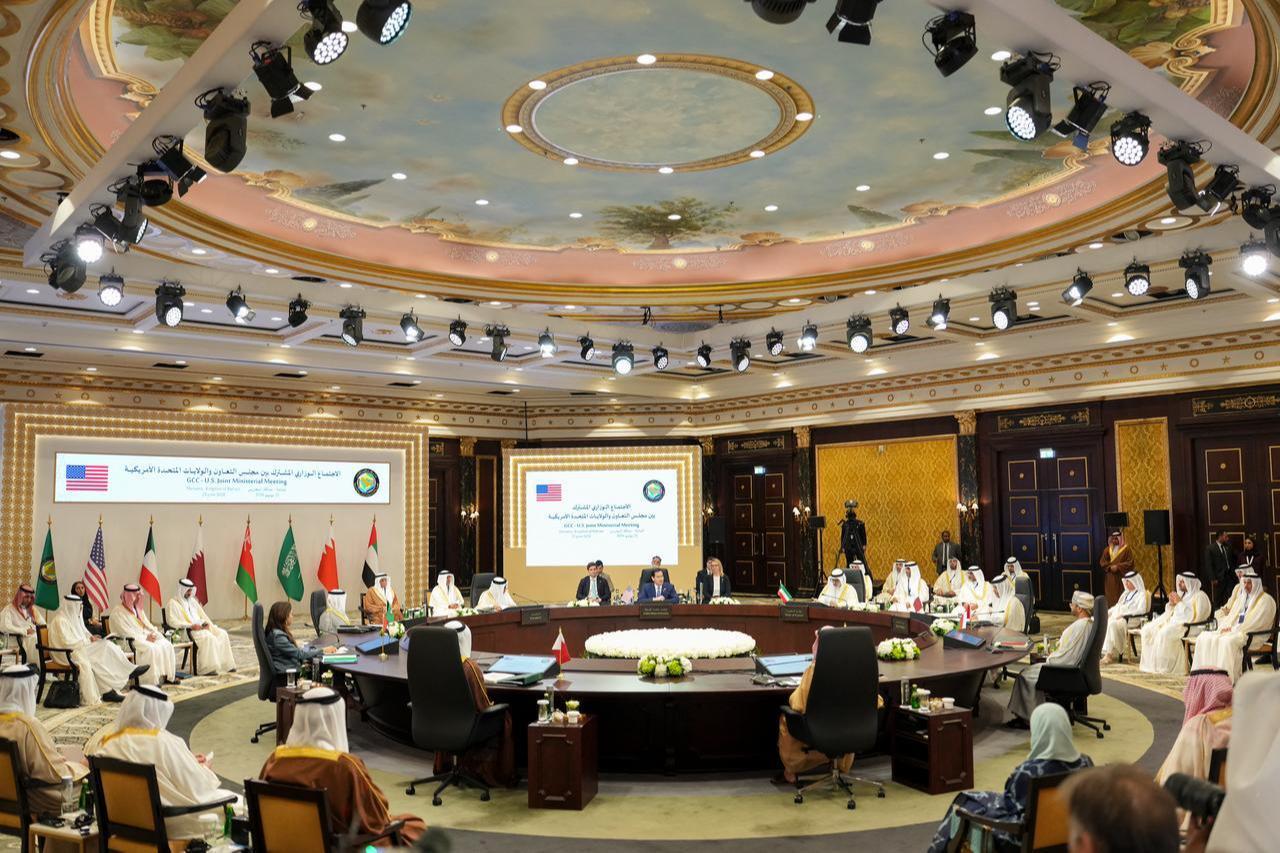

Rubio said the United States is seeking peace with Iran but emphasized the limits of what Washington would accept.
"While we want a deal, we don't want a deal at any price," he said.
"We want a deal that's good, we want a deal that's real, we want a deal that's verifiable, and we want a deal that's adhered to," Rubio added.
He described the current moment as the start of a new phase in the region.
"We now enter a new phase, and the one that we hope will lead to peace. It's what we all desire," Rubio said.
"What we all desire is for this region to be a place for people, folks focused on making money, not bombs, not weapons, whether focused on improving the economic lives of their people, not on how to attack other countries," he added.
Rubio said he hoped the Iran deal would lead to "a very positive outcome," adding that the U.S. is prepared to work with Tehran if it "focuses on the well-being of its own people."
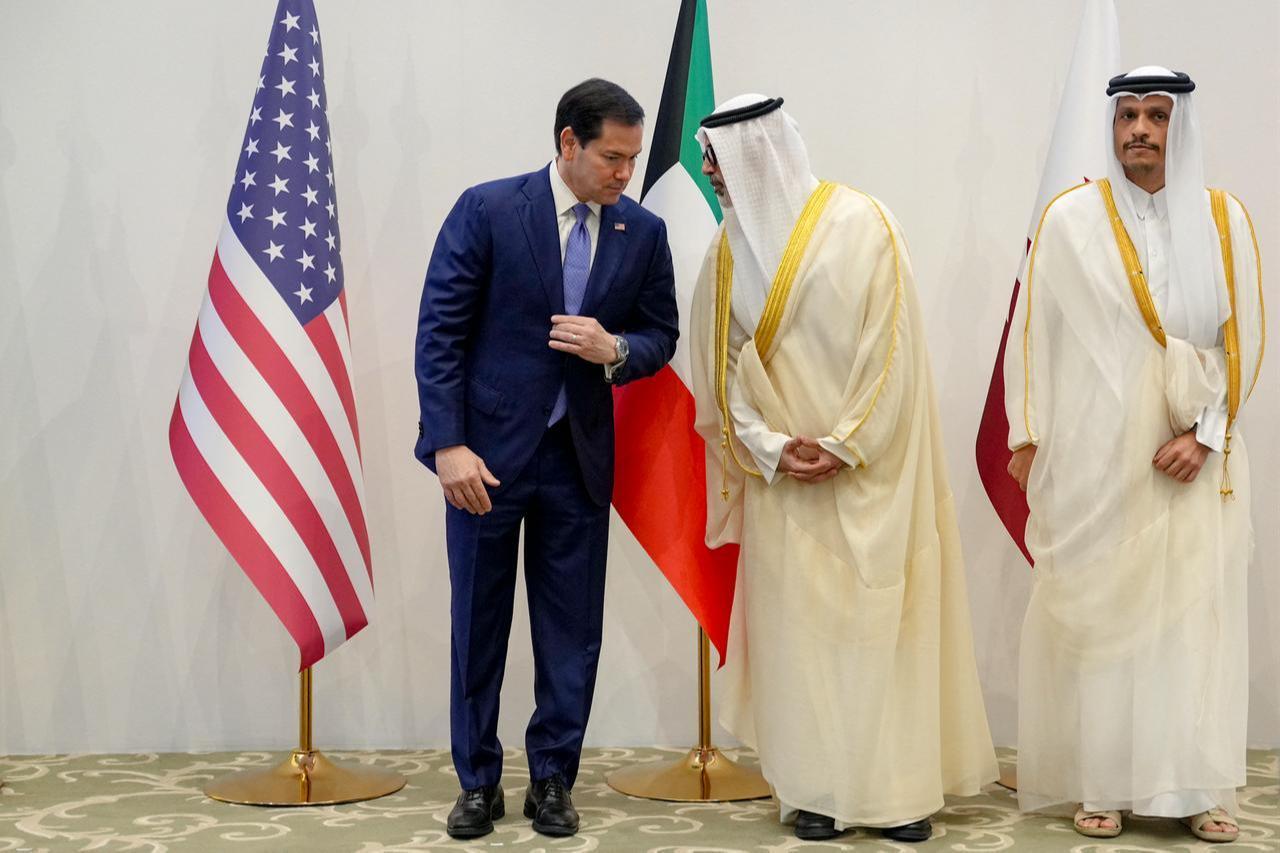
Rubio directly rejected the idea that any single country could claim ownership over the Strait of Hormuz or charge for passage through it.
"International waterways do not belong to any nation state. This is a foundational principle in the world today, without which the world would be in total chaos," he told the gathering.
"If in fact we accepted that you can charge money to use an international waterway because it happens to be near your territorial space, well then, this will spread throughout the world like a contagion," he said.
Rubio's remarks came during the final leg of a regional tour that has also taken him to the United Arab Emirates and Kuwait since June 23, ahead of his stop in Bahrain.
The joint ministerial meeting between the GCC and the United States opened in Manama on Thursday with remarks from Bahraini Foreign Minister Abdullatif bin Rashid Al-Zayani, who welcomed the diplomatic efforts that led to the cessation of regional hostilities and the signing of the memorandum between Washington and Tehran.
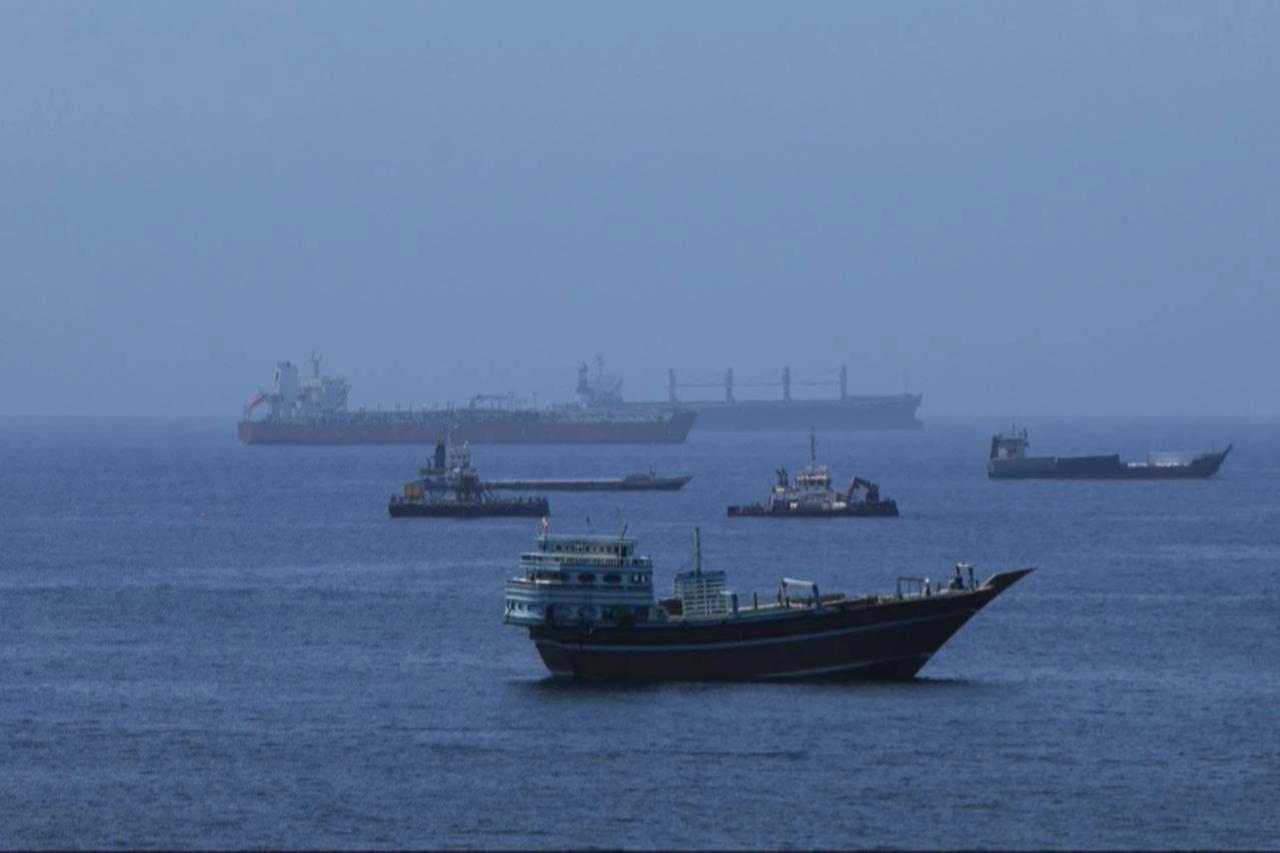
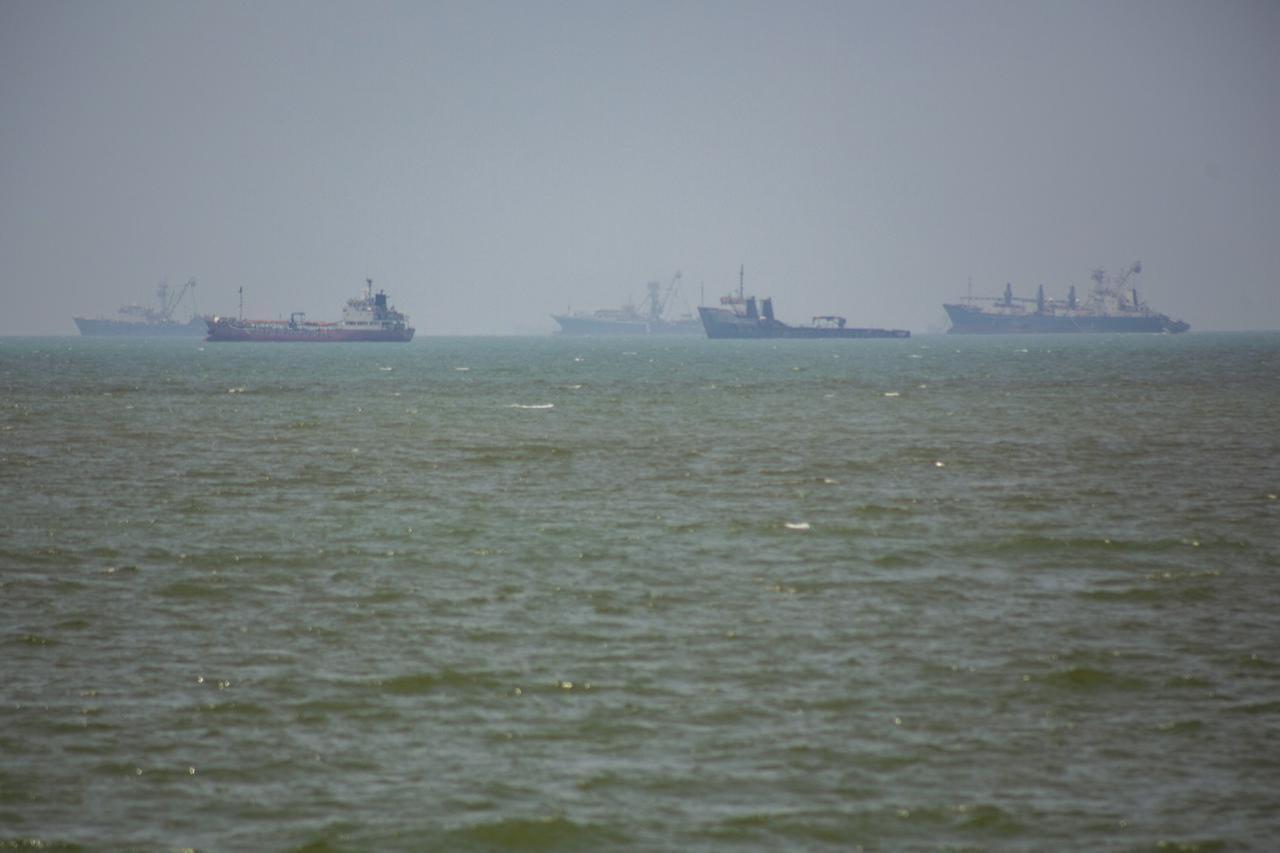
Zayani also praised the resumption of freedom of navigation through the Strait of Hormuz, citing Muscat's move to establish a temporary maritime corridor for transiting vessels as a concrete step toward regional stability.
"This is encouraging progress," Zayani said.
"But it is also important that Iran fully complies with its obligations, including those under the memorandum of understanding, in addition to preventing Iran from obtaining nuclear weapons and preserving freedom of navigation," he noted.
The gathering brought together foreign ministers from all six GCC member states, Saudi Arabia, the United Arab Emirates (UAE), Qatar, Kuwait, Oman and Bahrain, alongside senior U.S. officials, including Rubio, who arrived in Bahrain late Wednesday.
The GCC and Washington regularly hold consultations on regional security, political coordination and economic cooperation amid ongoing developments in the Middle East.


 Set as preferred source
 Set as preferred source


 2 min read