Newsletters


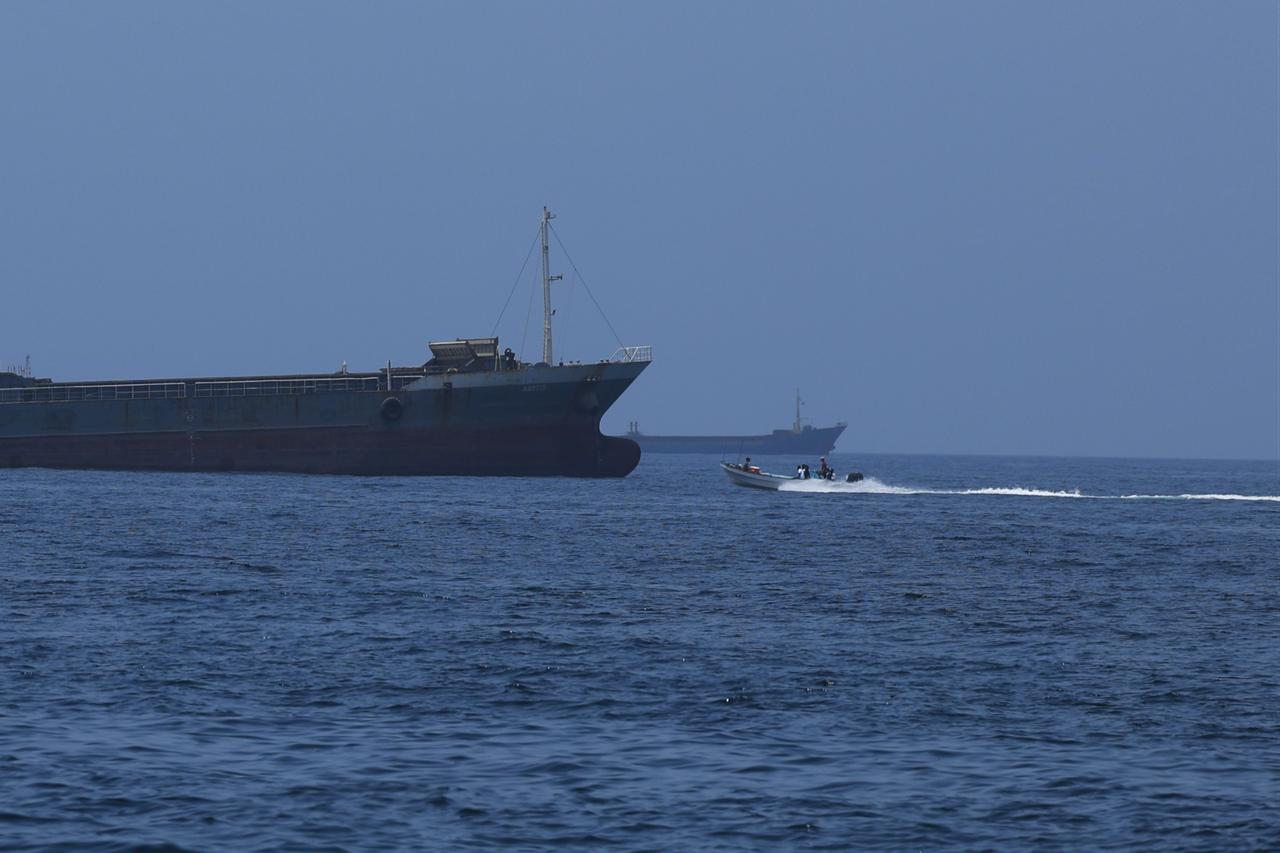


Iran ordered vessels crossing the Strait of Hormuz to use only shipping routes approved by Tehran, warning early Thursday that any unauthorized passage through the strategic waterway could trigger action by its naval forces.
The Islamic Revolutionary Guard Corps (IRGC) said newly announced routes that have not been coordinated with Iran are "unacceptable" and "completely dangerous," according to a statement carried by the state-run IRNA news agency.
"The only authorized route for passage through the Strait of Hormuz is the route announced by the Islamic Republic of Iran," the IRGC Navy said.
The statement came a day after Oman's Transport Ministry announced, in coordination with the International Maritime Organization (IMO), the opening of two temporary shipping routes through the Strait of Hormuz to replace the normal traffic separation scheme, which remains unsafe because of mine threats.
Under the arrangement, vessels may use the corridors according to coordinates issued by the IMO and Omani authorities and must coordinate their transit through the international maritime body.
Shipping activity through the waterway continued to recover following a June 17 memorandum of understanding electronically signed by U.S. President Donald Trump and Iranian President Masoud Pezeshkian, aimed at ending the war between the two countries and reaching a lasting peace agreement.
The region had been gripped by months of conflict after the U.S. and Israel launched strikes against Iran on Feb. 28, prompting retaliatory attacks by Tehran against U.S. assets across the Middle East. A ceasefire took effect on April 8, paving the way for Pakistan-mediated talks to end the war.
Around 20 million barrels of crude oil passed through the Strait of Hormuz aboard 72 ships over the past 24 hours, U.S. Energy Secretary Chris Wright said Wednesday at the Reuters Global Energy Forum in New York.
"We have normal flows today," Wright said, noting that shipments have returned to levels seen after the initial U.S.-Iran agreement. He argued that Iran no longer has the ability to shut the waterway.
Still, many vessels are steering clear of the main shipping channel because of mine-related risks. Instead, they are moving close to Iran's coastline or taking the southern route near Oman under military escort, he added.
Wright also noted that mine-clearing operations mean it could still take weeks before navigation fully returns to normal.
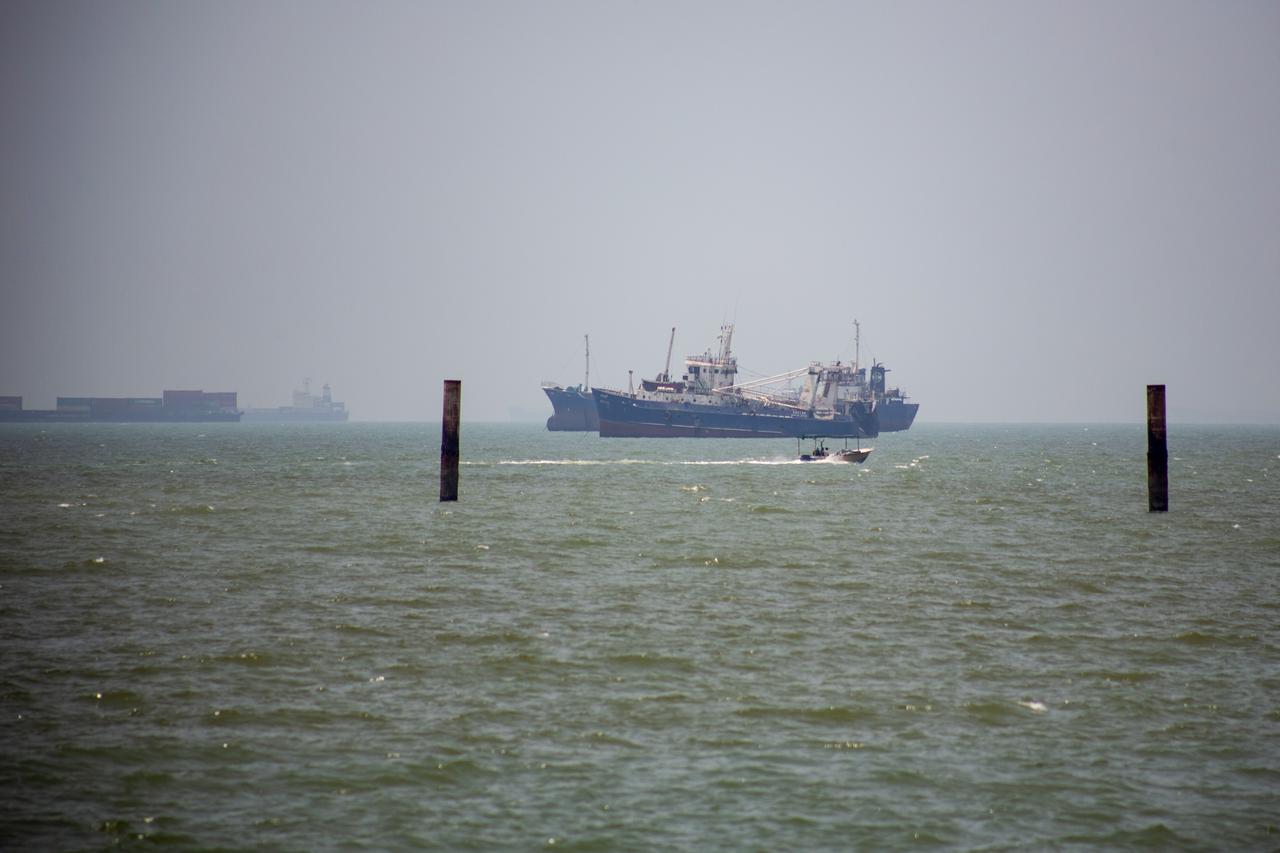

Commercial traffic through the Strait of Hormuz has continued to recover, easing concerns over disruptions to crude oil and liquefied natural gas exports from Gulf producers.
Recent maritime data showed more tankers entering the Persian Gulf to load cargo as exporters worked to restore shipments.
Maritime intelligence firm TankerTrackers.com said Iran has exported 40 million barrels of crude oil since June 15, with exactly 20 million barrels shipped on June 19 alone. The company described the increase as a sharp acceleration after weeks of severe disruption around the Strait of Hormuz.
Separate figures from maritime data provider Kpler showed the waterway remained active on June 23, recording 31 verified crossings by commercial and energy-linked vessels. West-to-east traffic accounted for most of the movements, while Iranian, Omani and International Maritime Organization routes all remained in use.
The rebound in tanker traffic has also weighed on crude prices. As of 5:15 a.m. GMT Thursday, Brent crude traded around $72.6 per barrel, while West Texas Intermediate stood at $69.5 per barrel as easing supply concerns reduced the geopolitical risk premium.


 Set as preferred source
 Set as preferred source


 1 min read
 1 min read