Newsletters


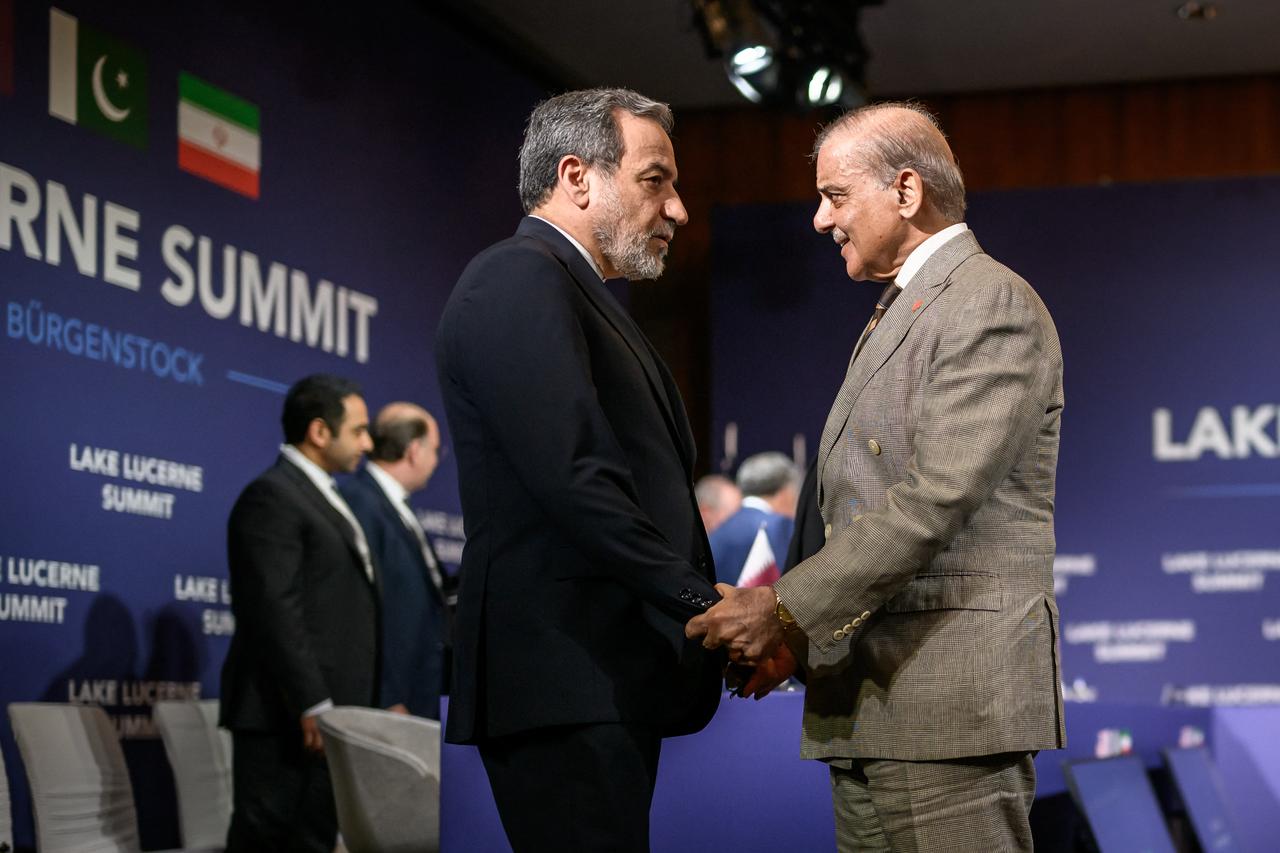


Iran's negotiating delegation walked out of talks with the United States in Switzerland on Sunday, accusing President Donald Trump of violating the terms of a memorandum of understanding between the two countries after he issued a series of public threats against Tehran.
According to Iran's Tasnim News Agency, the Iranian delegation said Trump's remarks against Iran and its negotiating team amounted to "a blatant violation" of the first article of the memorandum, which the delegation said requires Washington to refrain from issuing threats. Tasnim reported that the delegation left the venue of the talks as a result.
However, Axios reported, citing an unnamed diplomat, that the Iranian delegation had not in fact left the talks and that negotiations between the two sides were continuing.
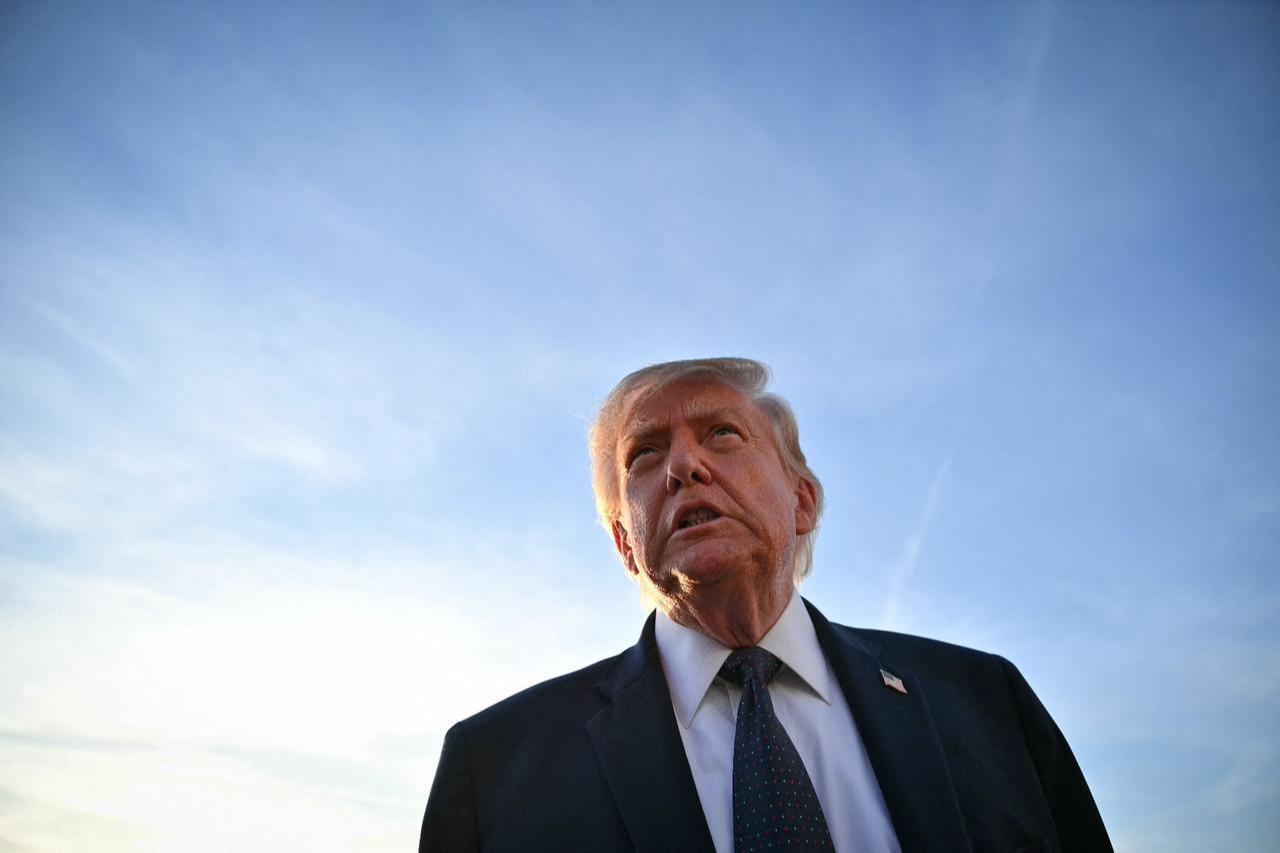

The dispute followed a series of statements by Trump on Sunday. Writing on his Truth Social platform, the US president called on Iran to "immediately stop their highly paid proxies in Lebanon from causing trouble," warning that the United States would otherwise "hit Iran very hard again."
"If they don't, we'll hit Iran very hard again, just like we did last week, only harder," he wrote.
In a separate interview with Fox News, Trump said he had spoken with Iranian officials overnight and warned that Iran would cease to exist as a country if it closed the Strait of Hormuz, the narrow waterway separating Iran from the Arabian Peninsula through which a large share of the world's seaborne oil and gas trade passes.
He used vulgar language to warn that Iranian officials would not make it back to their own country, and said the United States could "take over the Strait, if we have to."
Trump also raised the possibility of the US acting as a "Guardian Angel" for the waterway and collecting a 20 percent share of oil passing through it, saying, "If they don't make a deal, we'll collect tolls."
Trump additionally warned Iranian President Masoud Pezeshkian, who has insisted that Iran retain the right to enrich uranium, that he "better watch his mouth" and "better shape up or we'll take over the rest of the country."
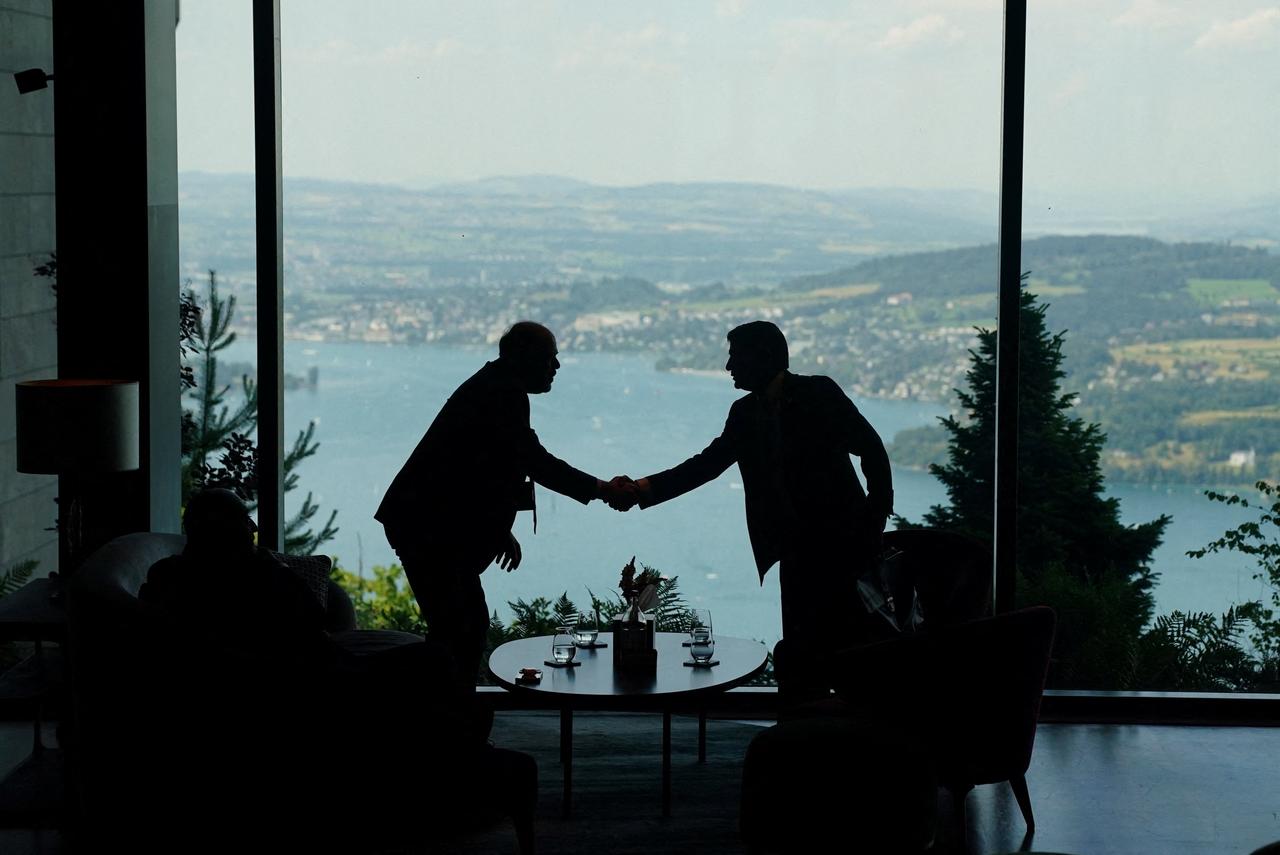
The remarks came as the first round of four-party negotiations involving Iran and the United States, mediated by Qatar and Pakistan, concluded in Switzerland on Sunday, Iran's semi-official Fars news agency reported, citing a source close to the Iranian negotiating team. No details were immediately released on the timing of a next round.
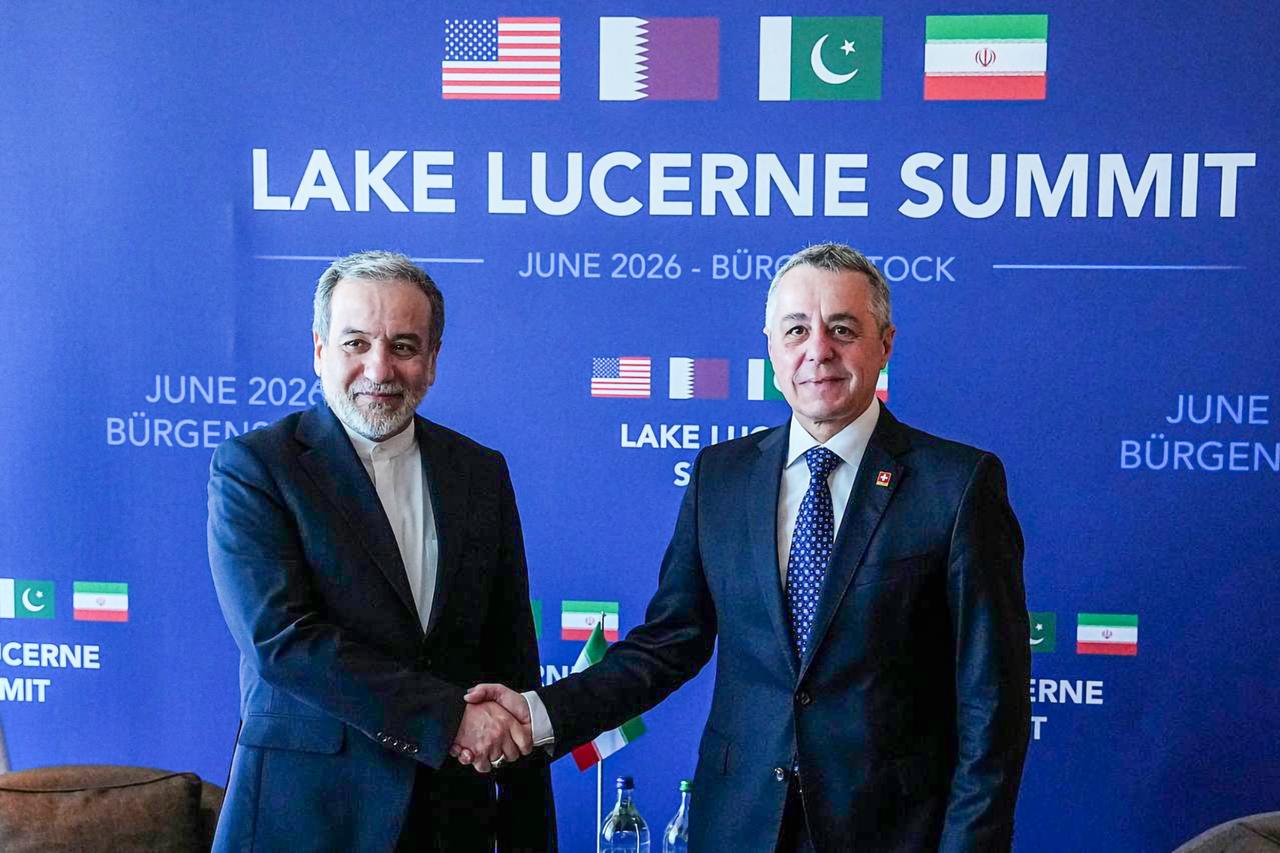
Qatar had earlier announced the start of the talks, held in Burgenstock, with Qatari and Pakistani mediators present to discuss implementation of an interim agreement reached between Washington and Tehran.
The US and Iranian delegations arrived in Switzerland for what were described as technical negotiations under the memorandum of understanding signed on Wednesday, intended to end months of conflict in the Middle East and reopen the Strait of Hormuz to shipping.
The US delegation was led by Vice President JD Vance, while Iran's side included Parliament Speaker Mohammad Bagher Qalibaf and Foreign Minister Abbas Araghchi, with Pakistan serving as mediator.
Axios reported that the US side hoped the first round would conclude with Iran inviting United Nations inspectors to visit its nuclear sites, which were struck by the United States and Israel.
Iran's Foreign Ministry said Sunday's talks focused on implementing key provisions of the June 18 memorandum, including ending the war, easing sanctions and releasing frozen Iranian assets. Ministry spokesman Esmaeil Baqaei, quoted by state broadcaster IRIB, said Iran "is determined to pursue the implementation of the other side's commitments with precision and seriousness."
Baqaei said the Switzerland meeting was convened to follow up on implementation of the memorandum, and that Article 13 makes the start of negotiations toward a final agreement conditional on the implementation of Articles 1, 4, 5, 10 and 11.
"Without the implementation of these provisions, particularly Article 1, which concerns ending the war on all fronts, including Lebanon, it is not possible to enter the stage of negotiations for a final agreement," he said.
Baqaei said Sunday's discussions centered on those provisions, particularly Article 1, as well as measures tied to Article 10, covering US waivers to facilitate Iranian oil exports, and Article 11, concerning the release of Iran's frozen assets.
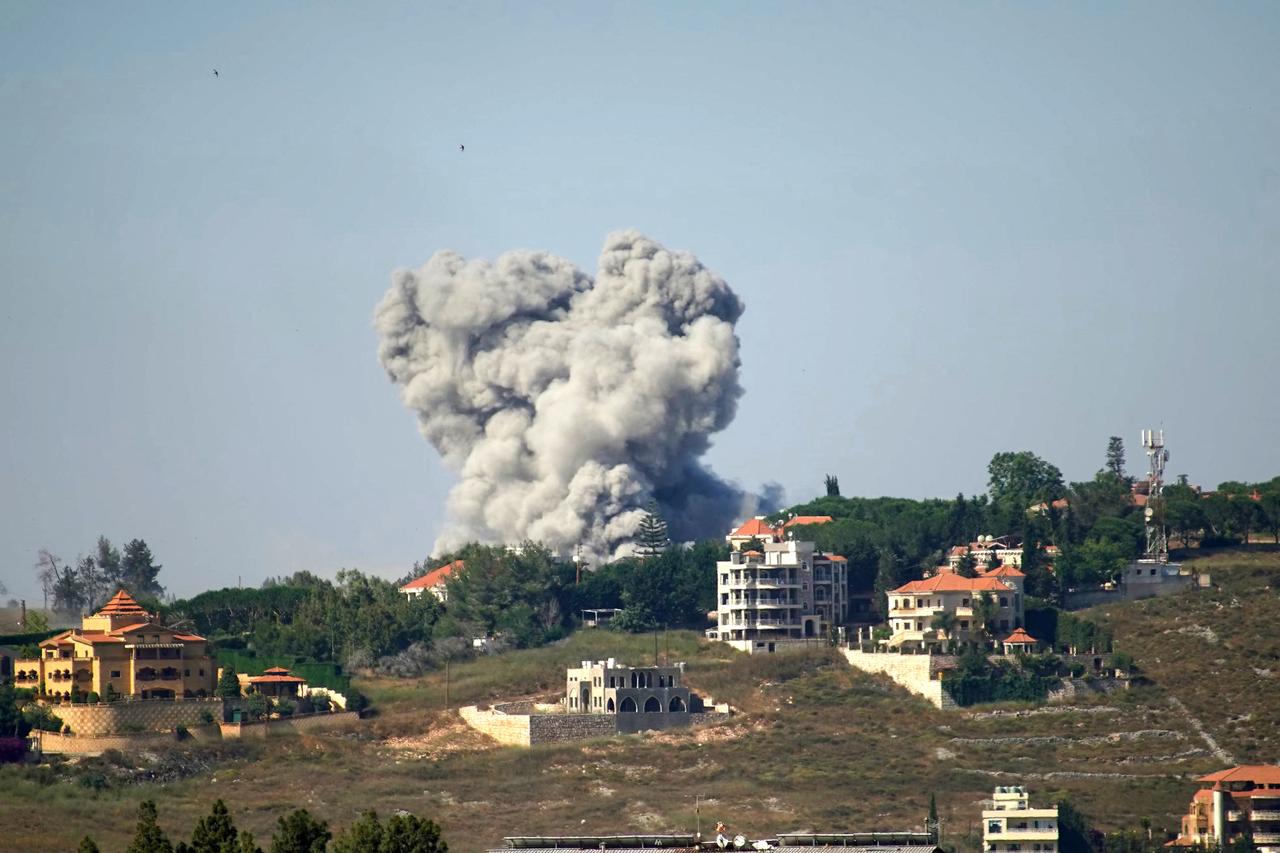
The reference to Lebanon comes against the backdrop of Israeli strikes there that began March 2. According to figures released by the Lebanese Health Ministry, the strikes have killed 4,106 people, injured 12,531 others and displaced more than 1 million people.
It remained unclear Sunday evening whether the talks would resume, and if so, when.


 Set as preferred source
 Set as preferred source


 1 min read
 1 min read