Newsletters


The United States is pressing Israel to avoid any military escalation in Lebanon that could undermine talks with Iran in Switzerland, Israeli media reported, as an emergency session on the Israel-Hezbollah conflict was added to the first day of the negotiations.
Israel's Channel 13, citing an unnamed Israeli diplomat, reported that the Washington administration sent Israel a message stating that any escalation that could derail the talks with Iran should be avoided.
The message specified that no attacks capable of causing the collapse of negotiations with Iran should be carried out without prior coordination with the U.S.
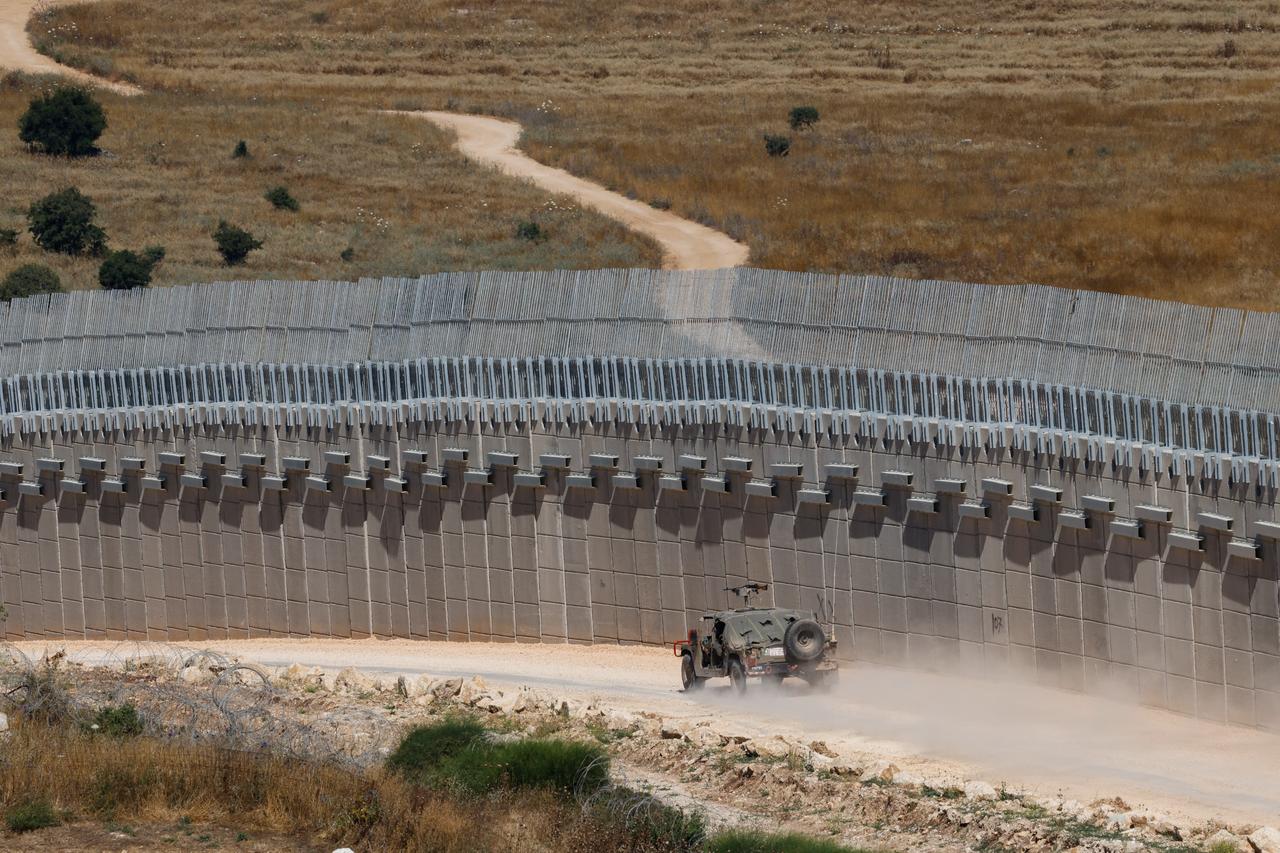

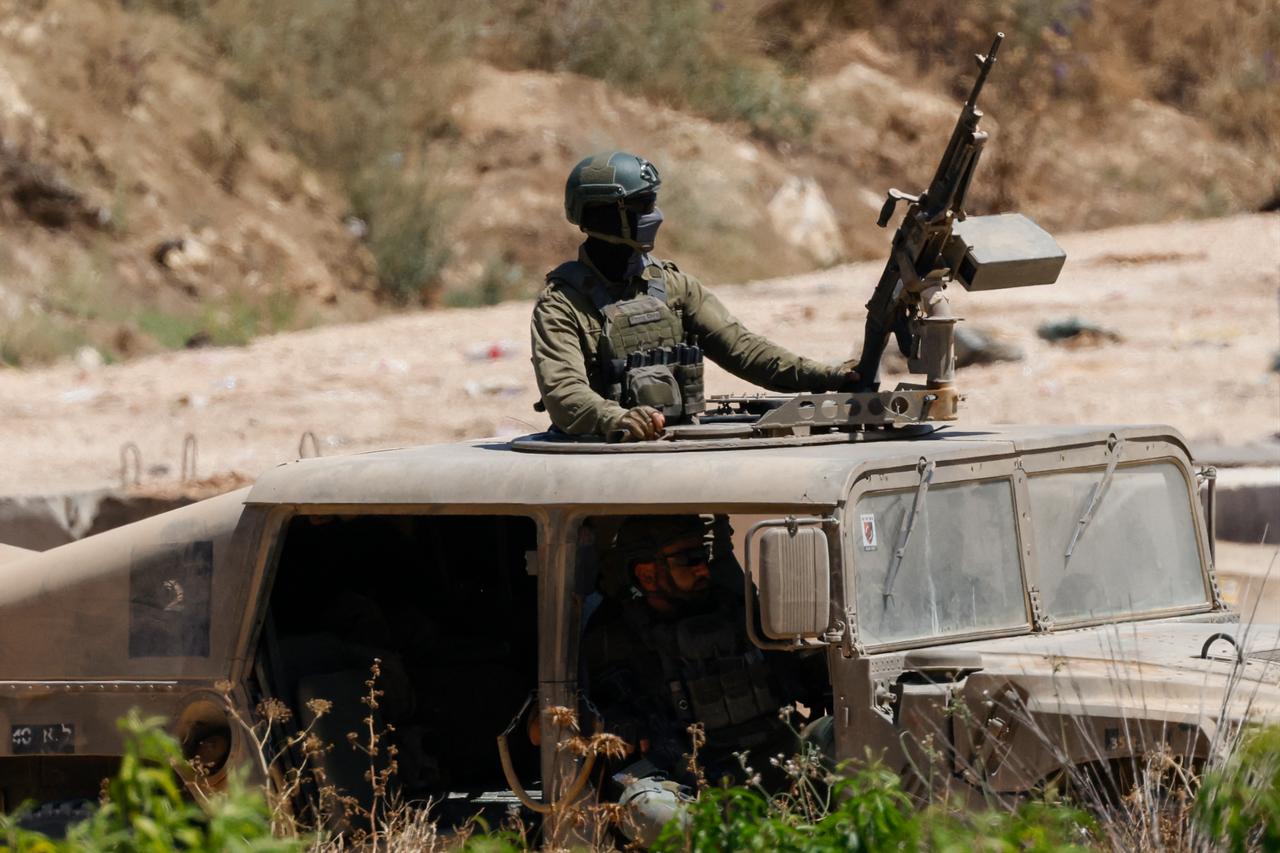
A senior Israeli military official said that the Israeli army had been instructed to hold its fire in Lebanon, with the directive limiting the opening of fire to cases of removing an immediate threat.
"Forces remained in their current positions for the time being," the official said.
A diplomatic source separately told Channel 13 that the U.S. had conveyed a message to Israel stating it should not escalate the situation in Lebanon "to allow the talks in Switzerland to proceed."
The message, according to the source, was "Israel will defend itself but will not carry out strikes that would cause the talks to collapse without first updating Washington."
The directive came after the Israeli army struck Hezbollah targets in southern Lebanon in response to more than 50 launches carried out overnight against Israeli forces.
The military said the launches "constitute a repeated violation of the ceasefire agreement by Hezbollah; we will not accept harm to Israeli civilians or its forces and will respond forcefully."
Hezbollah, in response, claimed Israel was using false pretexts to justify violating the ceasefire and that "Israel is not being given freedom of action."
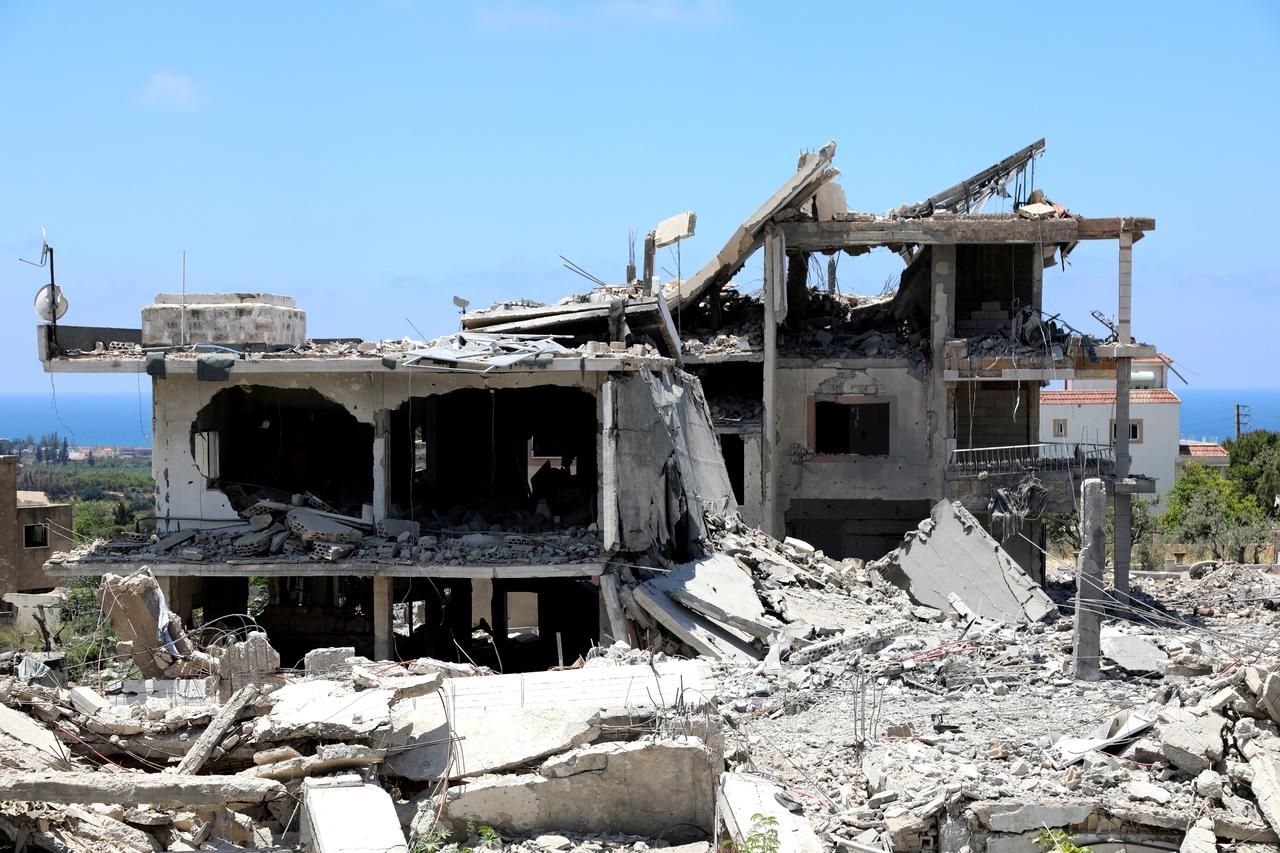
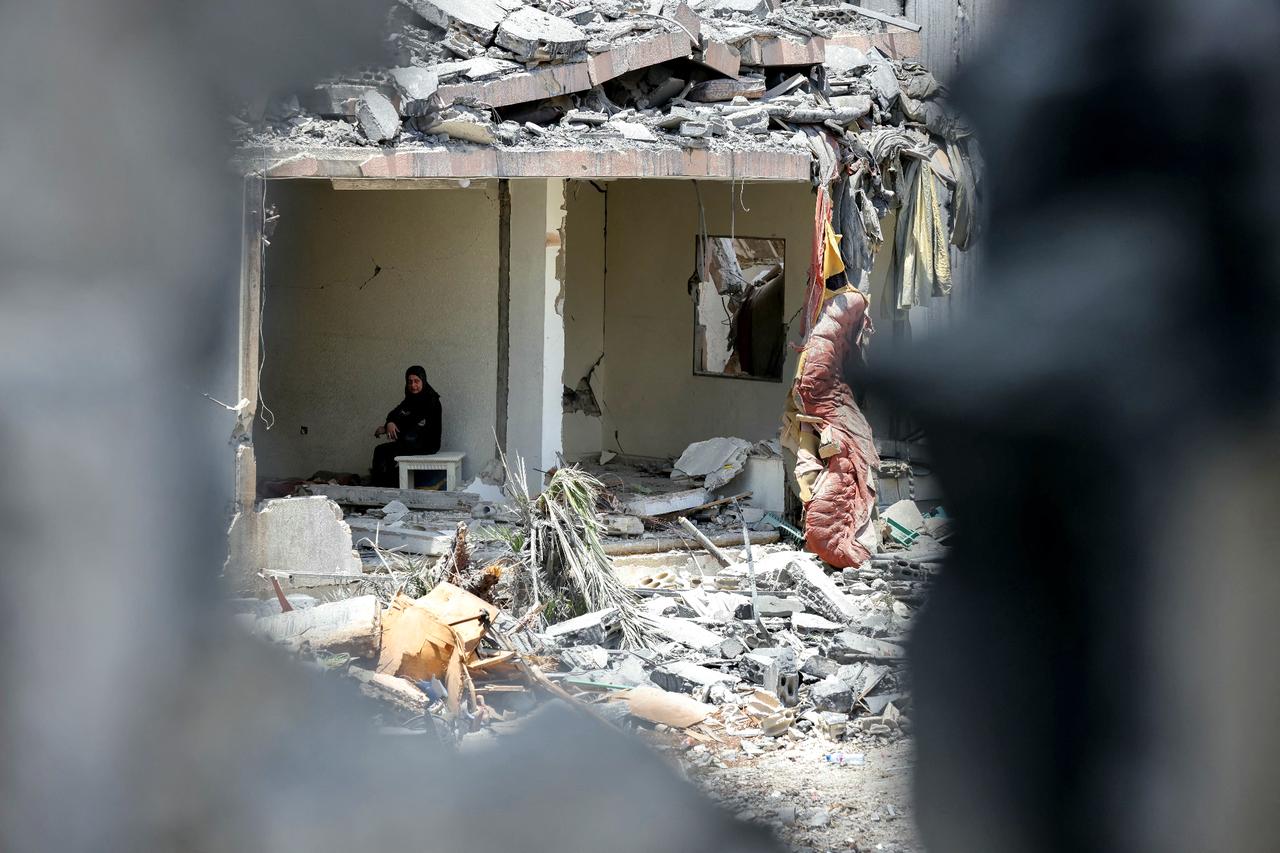
According to Lebanese media reports, at least 16 people were killed in the Israeli strikes, including a Lebanese army soldier.
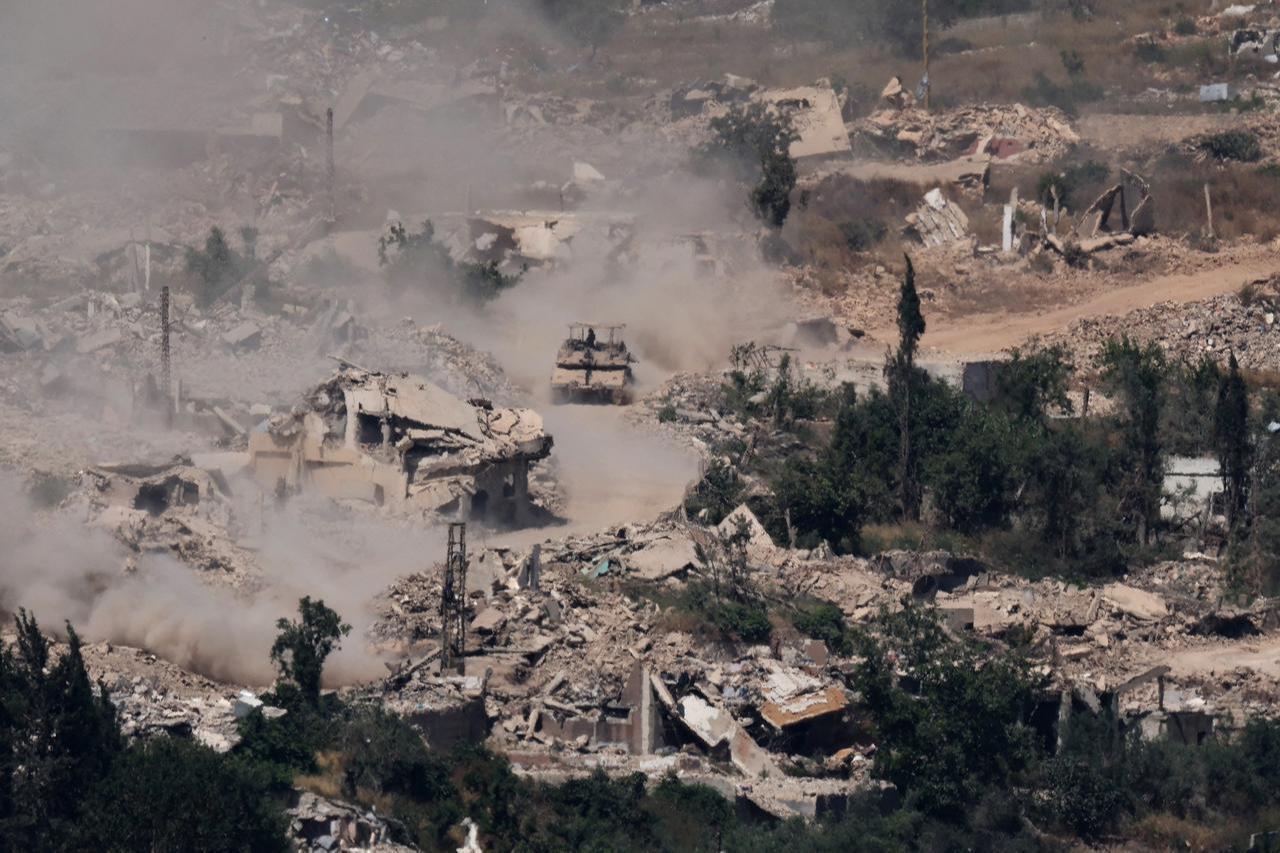
A senior Israeli political official said Netanyahu "reiterated that Israel will remain in the security zone for as long as required to defend its northern border and instructed the Israeli army to respond forcefully to any Hezbollah attack and act to remove threats against our forces."
The official said that in response to Hezbollah attacks over the previous two days, the Israeli army struck 300 terror targets and eliminated approximately 100 militants.
"If Hezbollah returns to attack us, we will strike it again with force," the official said.
Israeli media also reported that the Israeli army had received instructions to keep its forces at points it occupies in Lebanon and to limit attacks to "immediate threat" situations, with Netanyahu instructing the army to remain in occupied areas as deemed appropriate and to respond forcefully to any attack.
An emergency session to address the conflict between Israel and Hezbollah has been added to the schedule for the first day of talks in Switzerland and will be the first item addressed, a diplomat briefed on the session told CNN and CBS News.
Neither Israel, Hezbollah, nor the Lebanese government is a party to the talks, and allowing Iran to introduce the Israel-Hezbollah conflict into the negotiations marks a shift in U.S. strategy, according to CNN.
An Iranian official told CNN that ending the conflict in Lebanon is "the most important item on the Iranian delegation's agenda" for the talks.
The official said Iran does not consider this weekend's discussions part of the official negotiations outlined in the initial agreement signed by the two countries because key provisions, most notably the clause calling for an end to the war in Lebanon, have not yet been fulfilled.


 Set as preferred source
 Set as preferred source


 1 min read
 1 min read