

 Newsletters


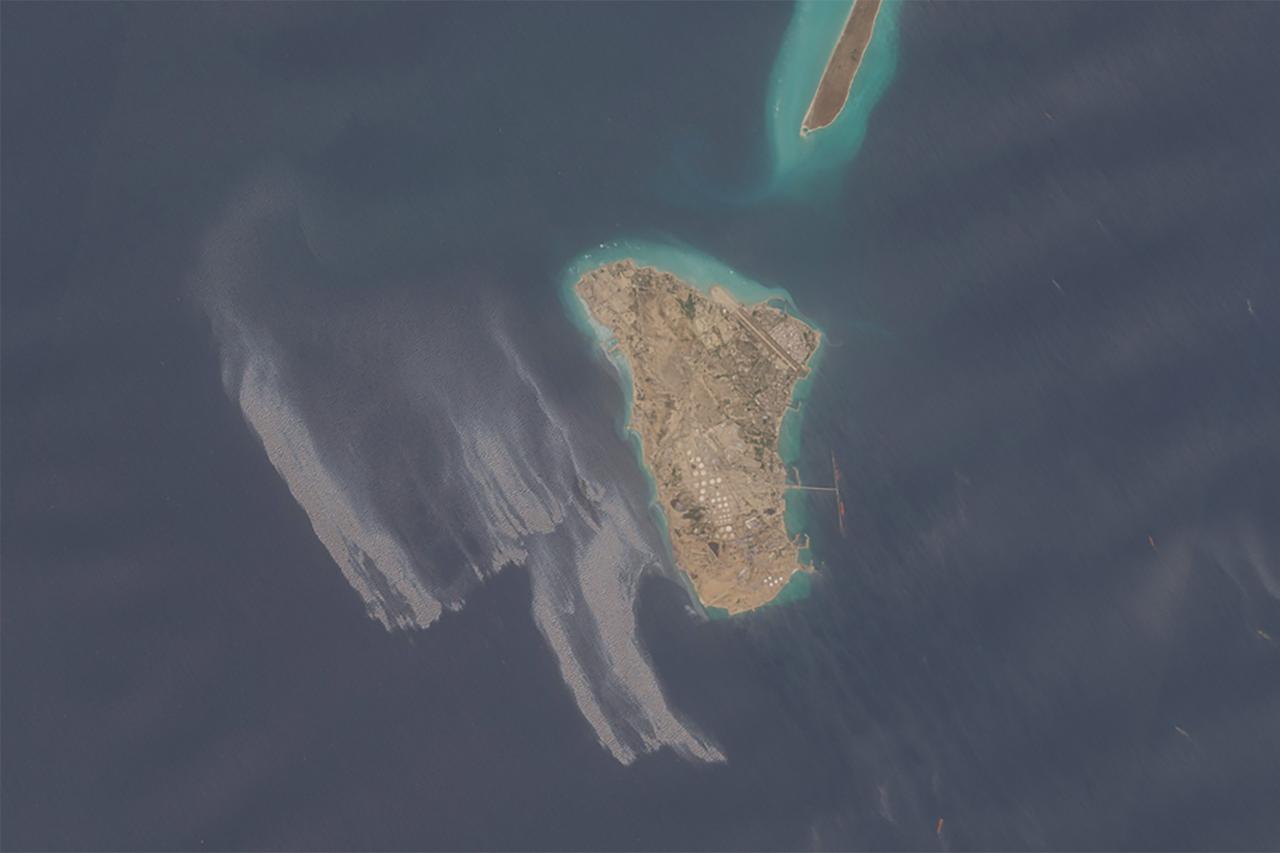


Iran's Oil Terminals Company denied reports of an oil leak near Kharg Island on Sunday after satellite imagery appearing to show a large slick west of the country's main Gulf oil export hub emerged earlier in the week, a denial that stands in direct contrast to independent satellite analysis suggesting the slick may have covered more than 20 square miles.
The company's CEO said inspections had found no evidence of leaks from storage tanks, pipelines, loading facilities, or tankers operating near the island, and that the Marine Emergency Mutual Aid Center, a regional marine pollution body, had also reported no sign of leakage.
Iranian teams had conducted field inspections and laboratory testing after the reports emerged and had not found "even the smallest trace" of leakage, the official said, according to state media.
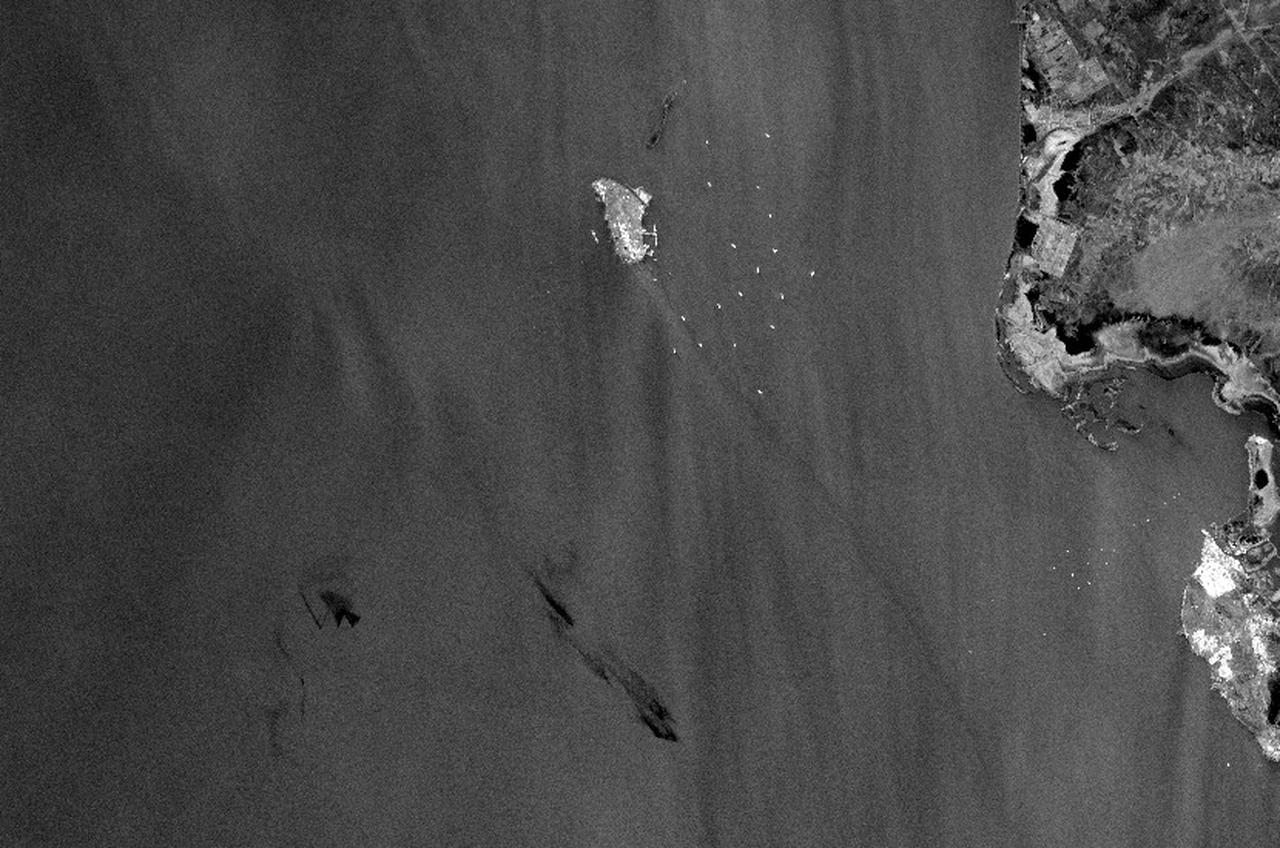
Satellite images captured by European Copernicus Sentinel-1, Sentinel-2 and Sentinel-3 satellites between May 6 and 8 showed traces of what appeared to be oil leaks spreading west and southwest of Kharg Island, Israeli newspaper Yedioth Ahronoth reported.
Visual comparisons between imagery from April 18 and more recent captures from May 6 showed suspicious material spreading across the sea surface over several kilometers, with light-colored surface patches consistent with offshore oil spill characteristics.
Orbital EOS, which monitors oil spills, told The New York Times that the slick appeared to cover more than 20 square miles, approximately 52 square kilometers, as of Thursday.
The Conflict and Environment Observatory said on X that "the original source remains unclear, meanwhile it's drifting south and seems unlikely to be addressed appropriately."

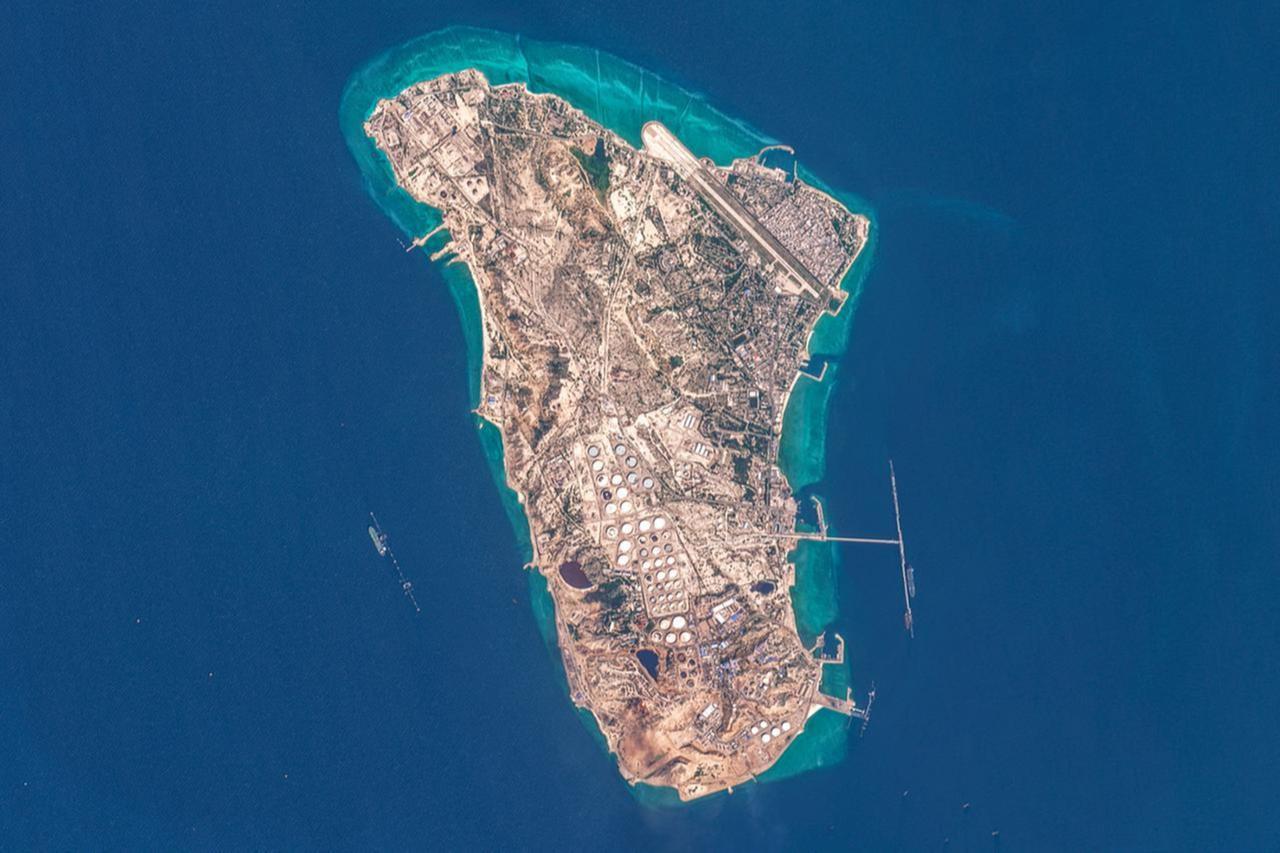
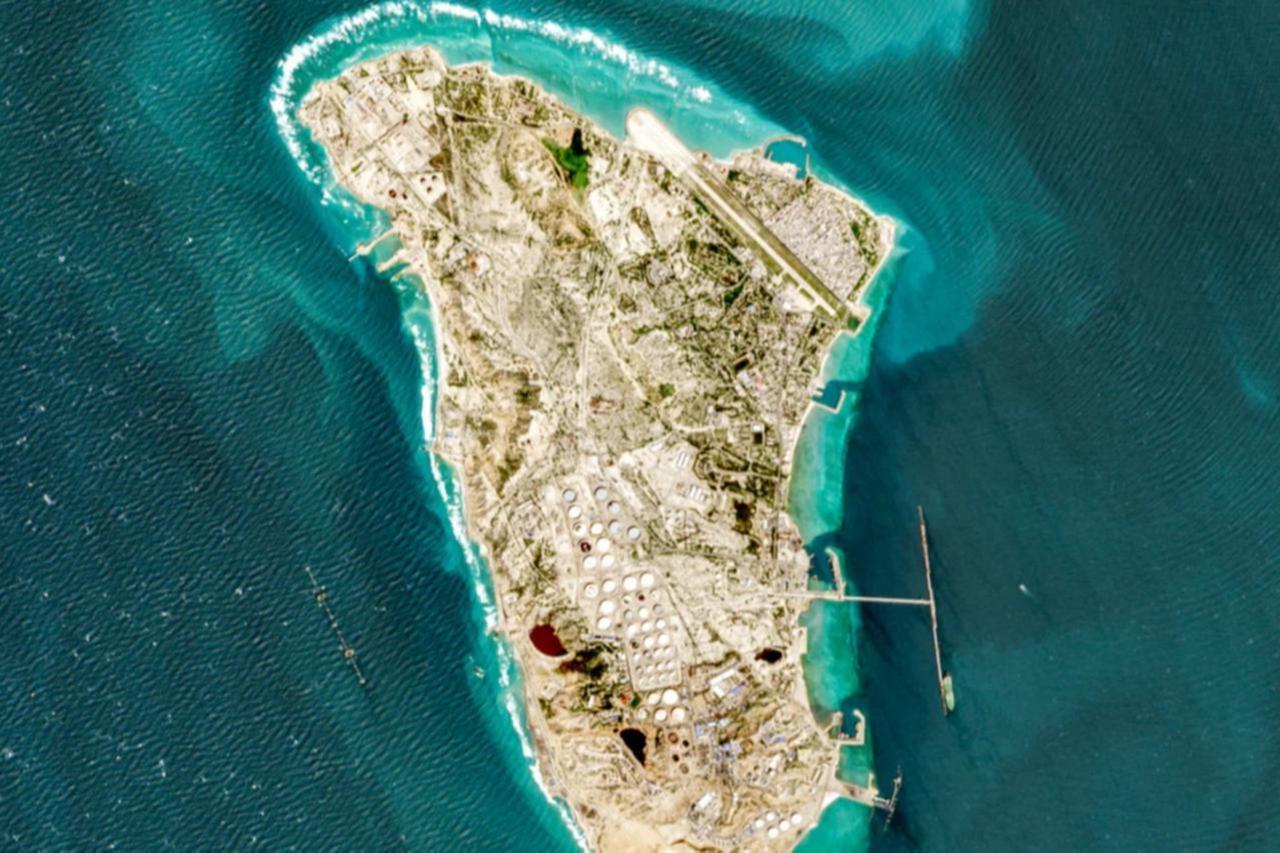
Kharg Island sits off Iran's Gulf coast, hundreds of kilometers northwest of the Strait of Hormuz.
It houses Iran's largest oil terminal, crude pipelines, storage tanks and related export infrastructure and is central to the country's revenue base.
Iran largely closed the Strait of Hormuz at the start of the conflict on Feb. 28, and the U.S. has since imposed a naval blockade of Iranian ports that has stranded numerous tankers in the area, creating conditions in which the source of any surface slick is difficult to attribute with certainty.


 Set as preferred source
 Set as preferred source


 1 min read
 1 min read



