Newsletters


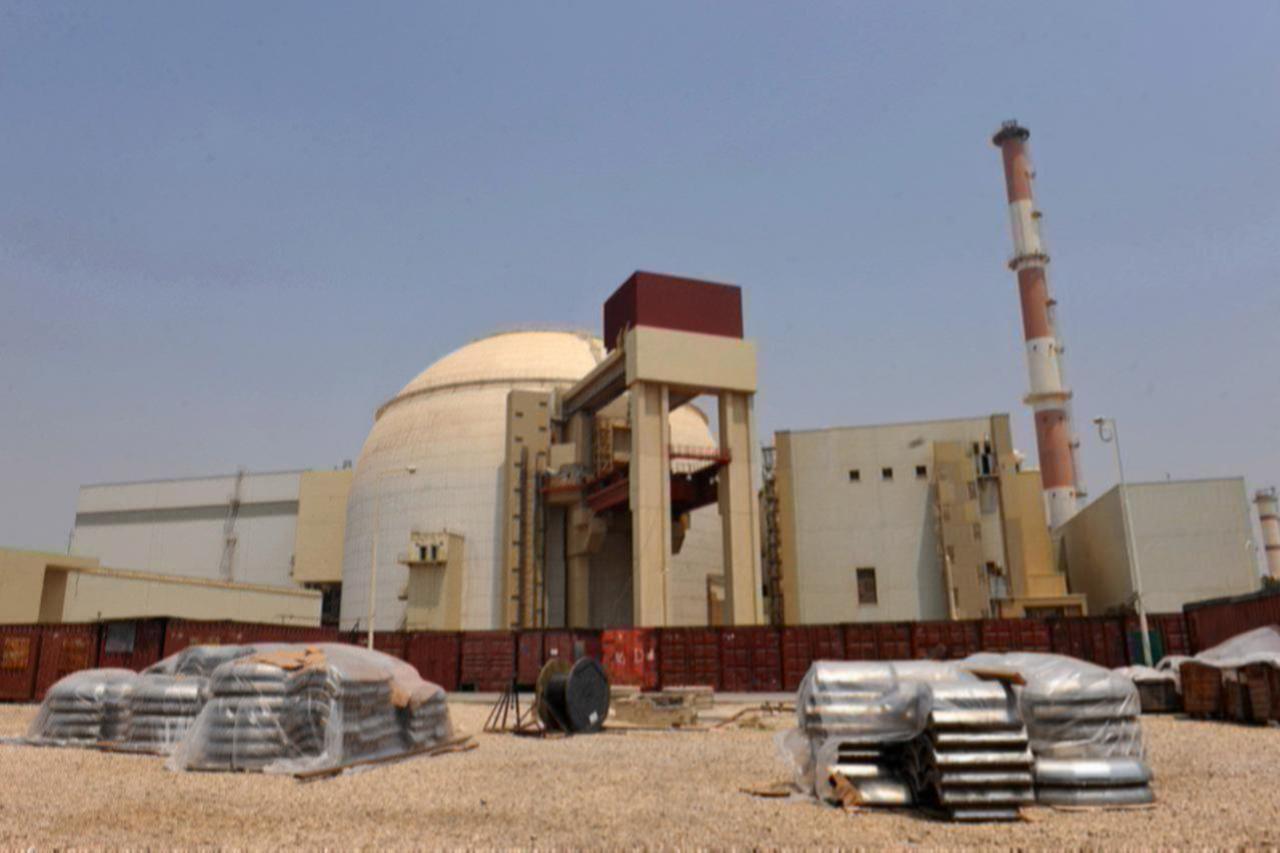


Iran is not seeking to enrich uranium to weapons-grade levels and has not restarted enrichment following recent attacks, its envoy to the United Nations’ atomic agency told Agence France-Presse (AFP), while condemning strikes on nuclear facilities as violations of international law.
Speaking to AFP, Iran’s ambassador to the International Atomic Energy Agency (IAEA), Reza Najafi, denied accusations by the U.S. and Israel that Tehran is pursuing nuclear weapons capability.
Najafi said Iran had not resumed uranium enrichment after U.S.-Israeli strikes on its nuclear facilities in June 2025, rejecting claims that Tehran intended to restart enrichment as “a lie, a very big lie.”
Israel and the U.S. have long accused Iran of seeking to develop nuclear weapons, with U.S. President Donald Trump citing the alleged threat as justification for both last year’s 12-day conflict and the ongoing war that began with U.S.-Israeli strikes on Feb. 28.
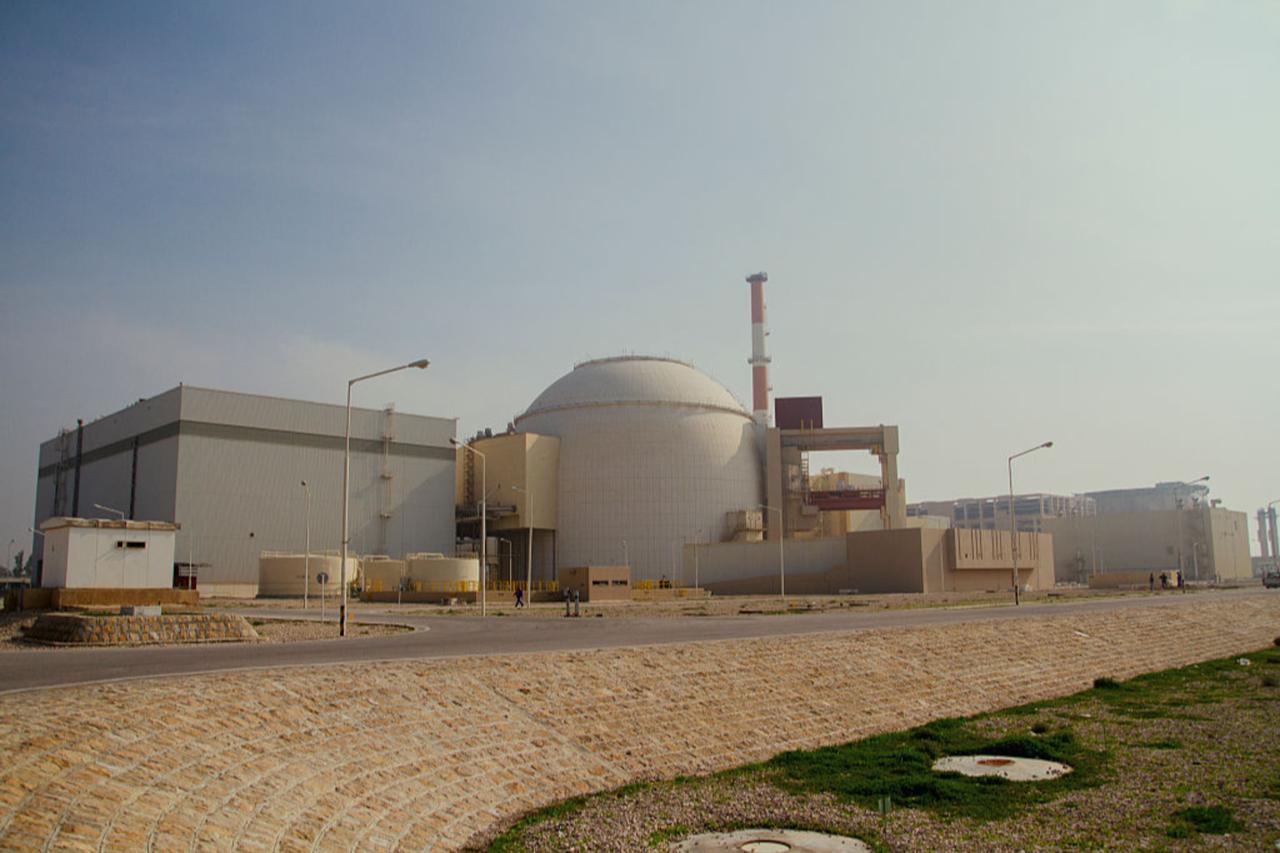
Najafi said that attacks targeting Iran’s nuclear infrastructure, particularly the Bushehr nuclear power plant, would violate international law and international humanitarian law.
“Any attack on the nuclear power plant in Bushehr would be in clear violation of international law,” he said, describing such actions as a “war crime” and “crime against humanity.”
He warned that a strike causing radioactive leakage could contaminate water supplies and force civilians to evacuate.
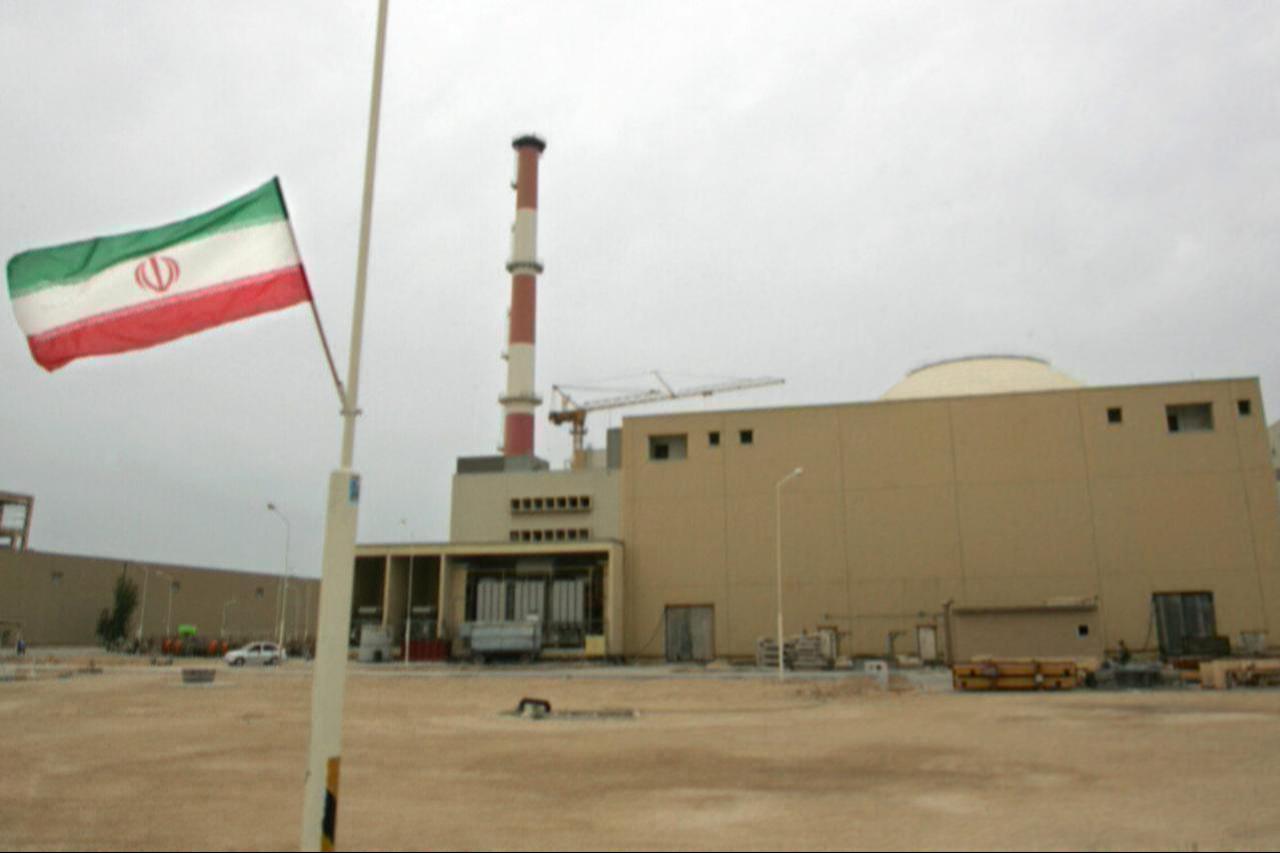

According to the IAEA, the Bushehr plant, Iran’s only operational nuclear reactor, first connected to the grid in 2011, was struck late Friday for the third time in 10 days, though no radiation leak or damage to the reactor was reported.
The U.N. nuclear watchdog has urged all parties involved in the Middle East conflict to exercise restraint around nuclear sites.


 Set as preferred source
 Set as preferred source


 2 min read
 1 min read