Newsletters




The U.S. military has presented President Donald Trump with a plan to physically seize nearly 1,000 pounds of highly enriched uranium from deep inside Iran, an operation that would require flying in excavation equipment and constructing a makeshift runway for cargo planes to extract the radioactive material, according to two people familiar with the matter. The disclosure comes as Trump prepares to deliver a primetime Oval Office address Wednesday night declaring that the month-long war in Iran is winding down, even as the conflict's most consequential questions remain unresolved.
The plan, first reported by The Washington Post, is one of the most logistically daunting military options ever considered by U.S. commanders, a mission of a type never before attempted in wartime. It was developed at Trump's request and briefed to him last week.
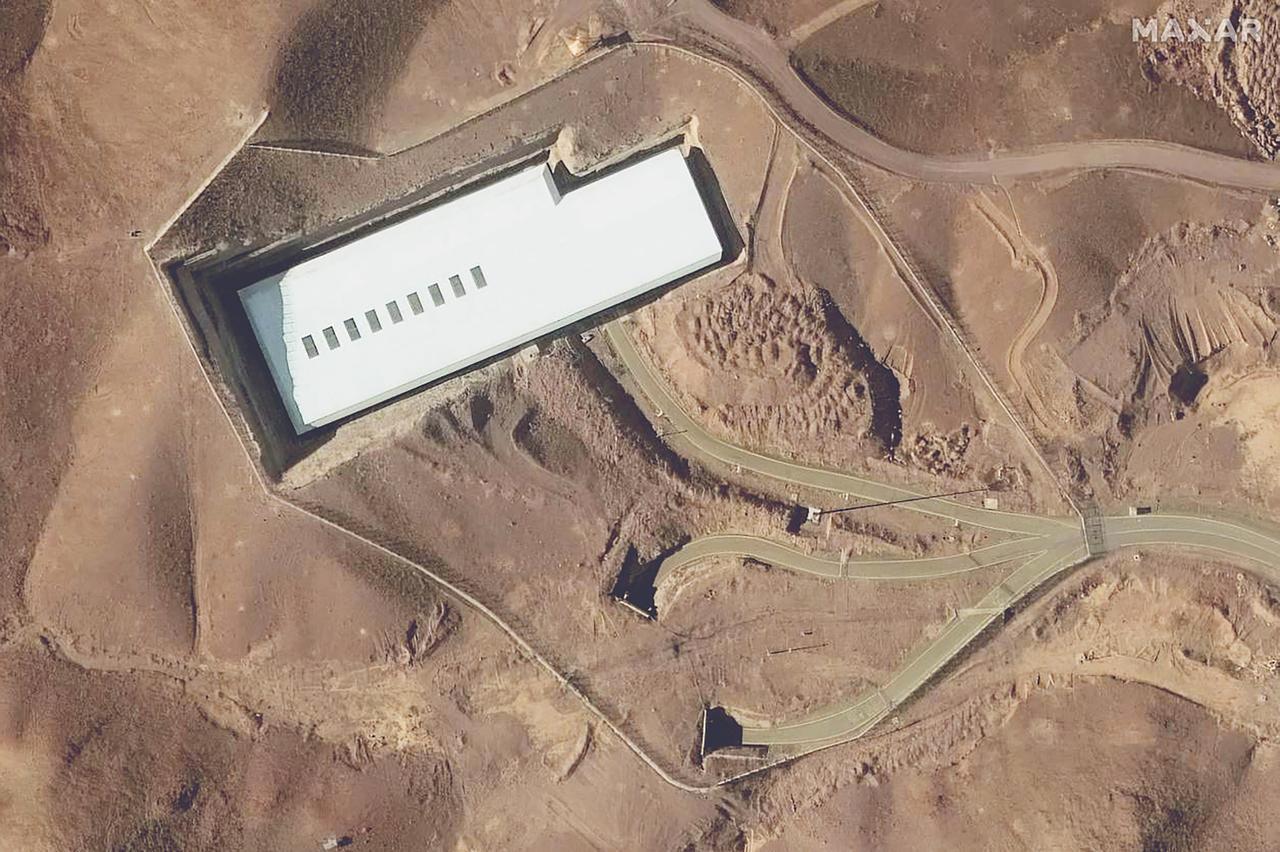

Iran's cache of 60-percent-enriched uranium, roughly 450 kilograms concentrated primarily at the underground nuclear facility in Isfahan, poses the central unresolved challenge of the war. U.S. and Israeli officials have said that if the entire stockpile were further refined to weapons grade, it would be sufficient material for approximately 11 nuclear bombs. Preventing Iran from ever obtaining a nuclear weapon has been one of Trump's stated objectives since the conflict began.
The problem is that no one is certain exactly where the material is. U.S.-Israeli strikes on Iran's nuclear facilities sealed tunnel entrances at Isfahan, Natanz, and Fordow in the war's opening days, apparently to prevent the material from being moved. But satellite imagery suggests the Iranians subsequently broke through the rubble, and more recent images indicate the entrances were re-sealed with large quantities of dirt and possibly concrete. There is also evidence, according to the International Atomic Energy Agency, that some of the uranium was relocated to a site near Natanz known as Pickaxe Mountain. United Nations atomic inspectors have not verified the stockpile's location in nearly nine months.
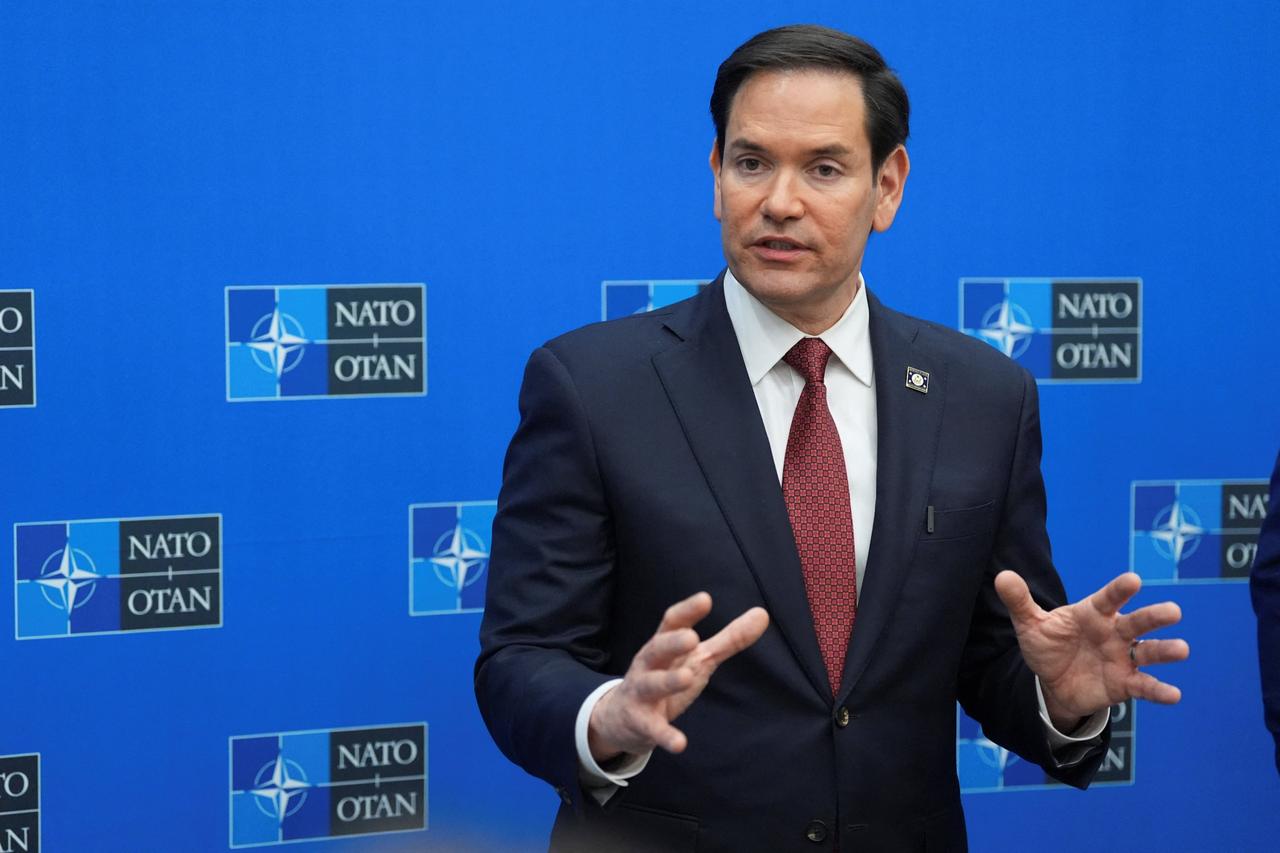
At a congressional briefing Tuesday, Secretary of State Marco Rubio was asked directly whether the uranium would be secured. "People are going to have to go and get it," he said, without specifying who.
The operational challenge is formidable. Breaching the fortified tunnels would require heavy earth-moving equipment and explosives teams. The uranium itself, which would likely be mixed among hundreds of decoy canisters, would then have to be packaged and removed, a process that would take considerable time under fire.
Former CENTCOM commander Joseph Votel described the mission as one that "wouldn't be done in a single period of darkness," adding that it is not simply a matter of sending "a few folks in there, grab the stuff and get it out." The most dangerous phase of such operations, military planners note, is typically the extraction, when the element of surprise is gone and enemy reinforcements may be closing in.
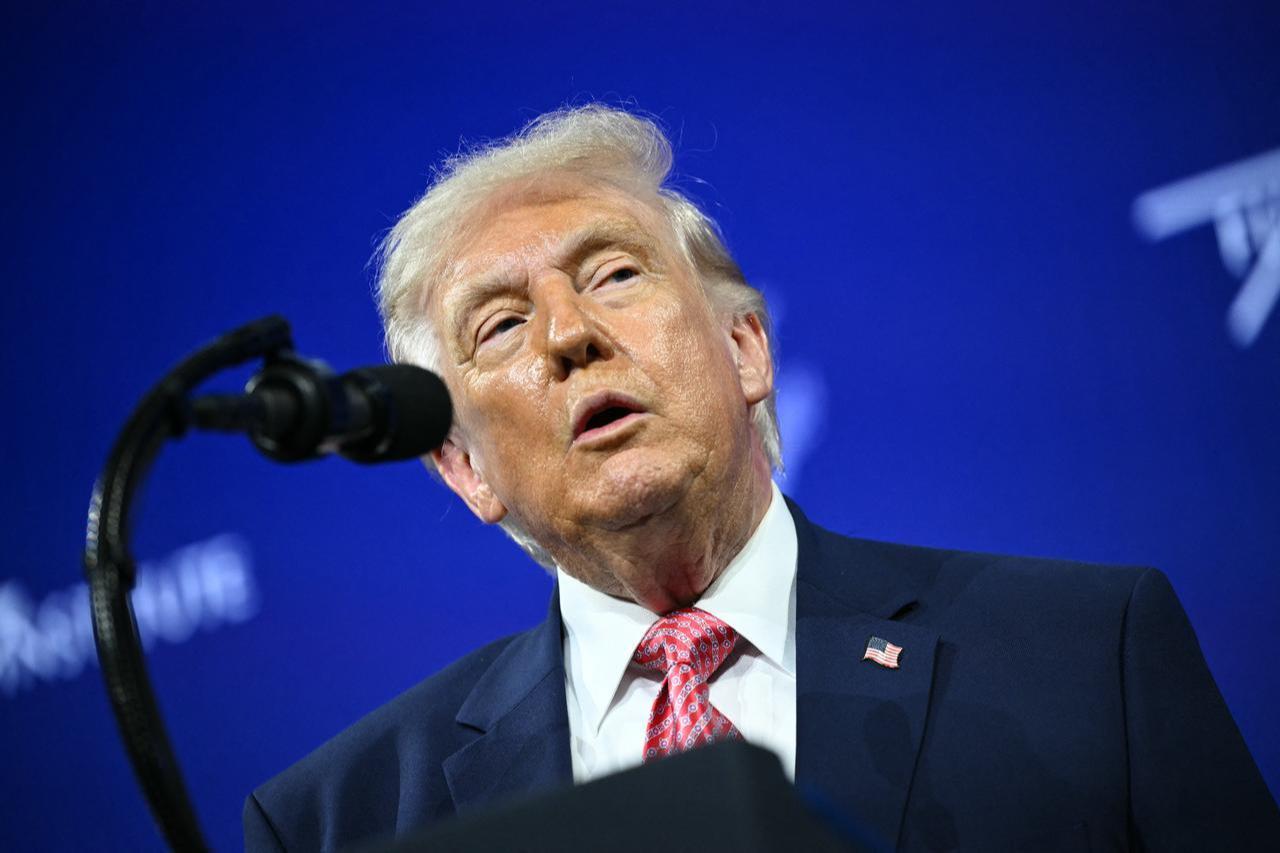
Trump's primetime address, his first since the war began 32 days ago, is expected to claim that all military objectives have been met and to frame the conflict as winding down, according to six people familiar with the planning who were granted anonymity to speak candidly. The speech comes as oil prices have surged above $100 per barrel and the president's poll numbers have deteriorated, driven largely by Iran's continued blockade of the Strait of Hormuz, the narrow waterway through which a significant share of global oil trade passes.
Steve Bannon, Trump's former White House chief strategist, described the speech in blunt terms: the president will declare victory, lay out his achievements, and "dump on the NATO allies," casting the Hormuz situation as Europe's problem to solve. "Two, three weeks, definable objectives. 'I came, I saw, I conquered,'" Bannon said, predicting Trump would announce a ceasefire timeline while insisting the strait closure is for the Gulf Emirates and Europeans to resolve.
Trump himself has already begun laying that groundwork publicly. In a social media post Wednesday morning, he claimed Iran "has asked for a CEASEFIRE!" while attaching a key condition: "We will consider when Hormuz Strait is open, free, and clear." On Tuesday, he urged European allies to "build up some delayed courage" and "go get your own oil!"
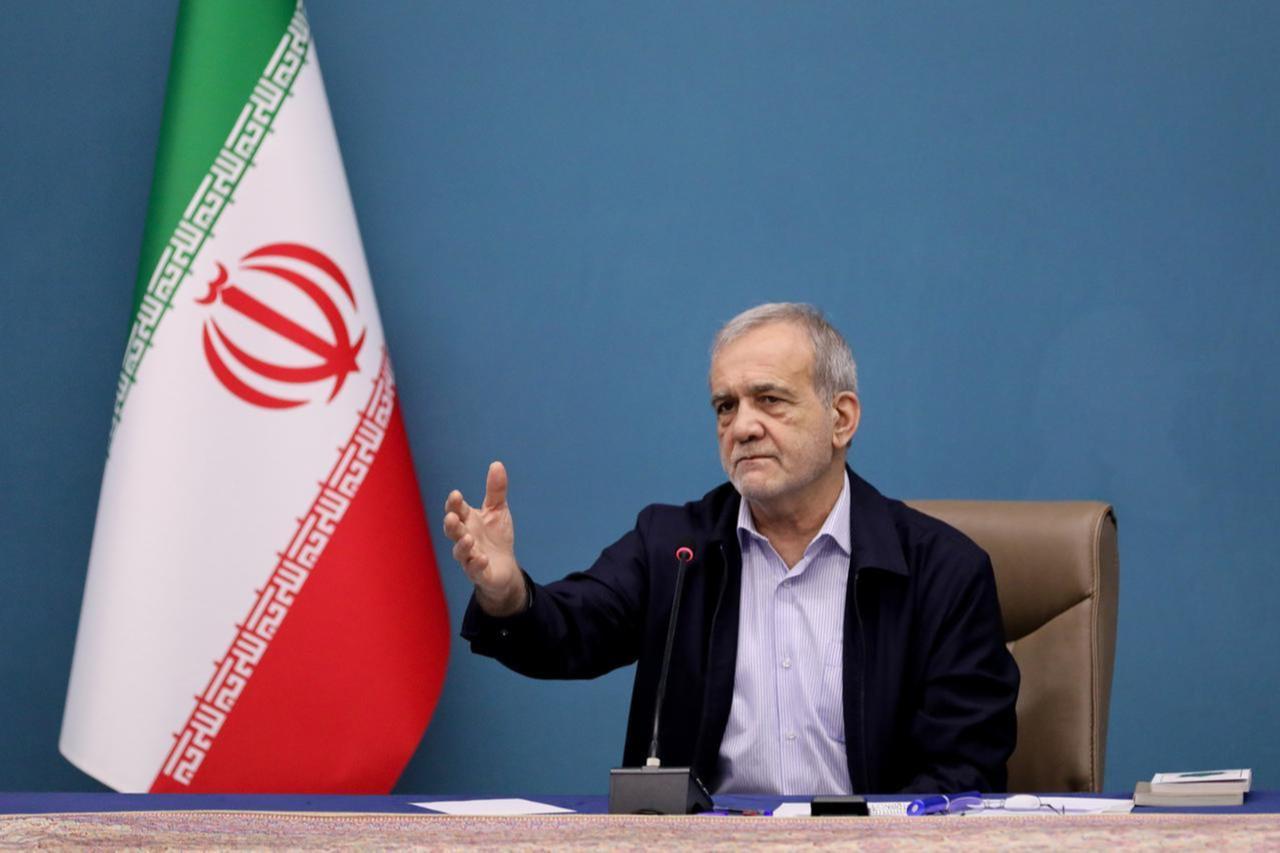
Despite Trump's framing of progress, there is little evidence that the two countries are close to an agreement. Some figures within the Iranian regime continue to deny that any talks are taking place at all.
The speech's political subtext extends well beyond Iran. Trump has grown increasingly furious at European allies who have refused to join the coalition and, in several cases, have denied American forces the use of their bases and airspace. Italy this week turned down a U.S. request for aircraft to land at a military base in Sicily, a decision Prime Minister Giorgia Meloni affirmed as being "in full compliance with existing international agreements." The rebuff landed badly inside the White House.
In an interview published Wednesday by Britain's Telegraph newspaper, Trump called NATO a "paper tiger" and said he was reconsidering, and perhaps going beyond reconsidering, America's role in the transatlantic alliance.
A senior White House official described the president's anger as "very real." A person close to the White House, speaking anonymously, put it more bluntly, arguing that Europe had spent decades invoking Article Five collective defense commitments while refusing to act when the United States finally responded to half a century of Iranian aggression against American forces, and was now closing its airspace in response.
European officials, accustomed to Trump's periodic threats against the alliance, appeared unmoved. A senior EU official said flatly that no one is buying the narrative Trump is constructing.
A senior official from a non-NATO European country went further, suggesting the continent had long since stopped expecting solidarity from Washington, describing any NATO withdrawal threat as simply a demand for new terms of engagement. "The United States will no longer protect its allies through a common ideology and values," the official said, "only for money, economic, and political concessions."
Formally withdrawing from NATO would require a Senate vote, where the alliance retains strong bipartisan support. Trump has previously threatened to leave the bloc, notably at its 2018 summit, before stepping back. An additional 2,500 U.S. Marines are currently en route to the region, bringing total U.S. troop presence in the Middle East to more than 50,000, roughly 10,000 above typical deployment levels. More than 20 nations have pledged to join a coalition to secure the Strait of Hormuz once hostilities end.


 Set as preferred source
 Set as preferred source


 2 min read
 1 min read