Newsletters


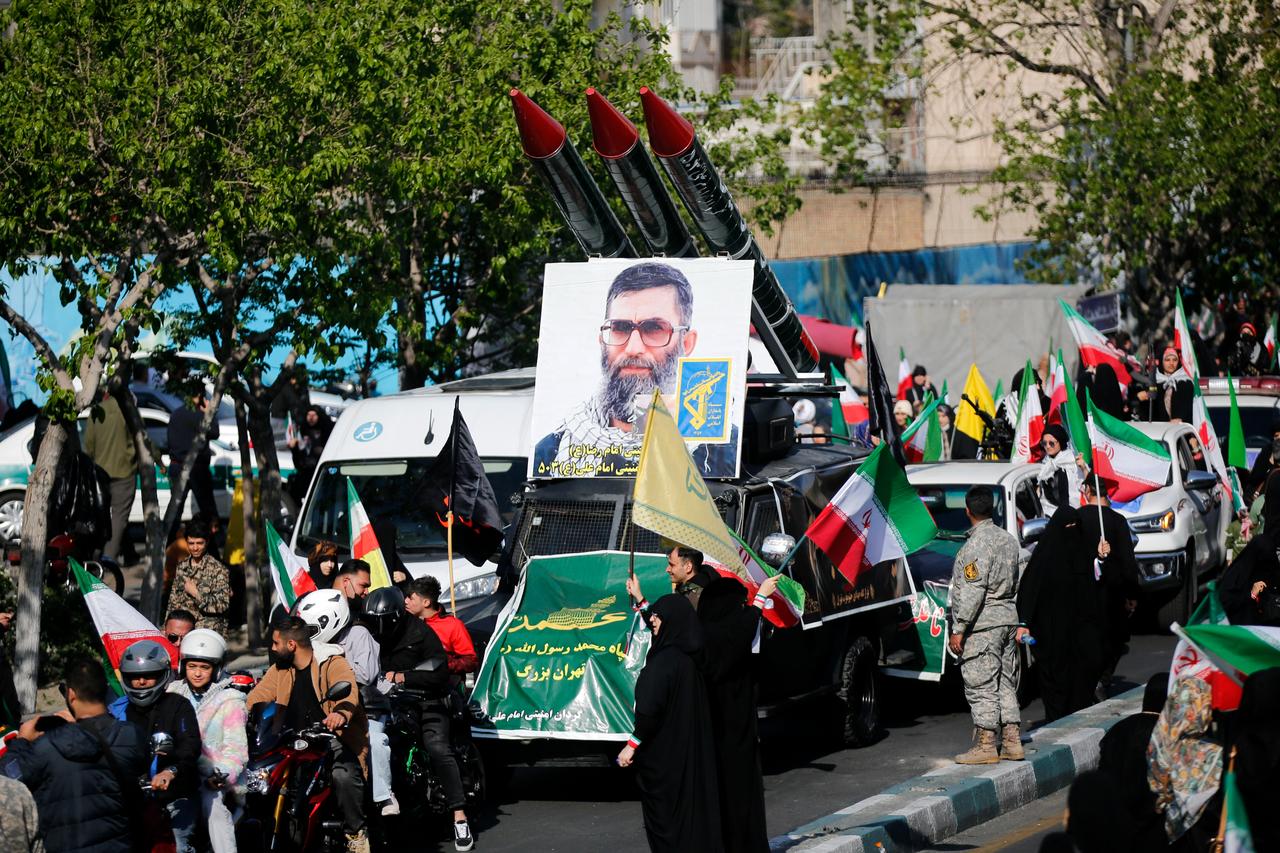


Iran has been using the ceasefire to accelerate excavation of missiles and munitions buried underground or beneath rubble from U.S.-Israeli strikes, positioning remaining capabilities for a possible resumed war, a U.S. official and two people familiar with the matter told NBC News.
An Iranian lawmaker recently told Tasnim that missile and drone stockpiles were "sufficient to sustain years of war" and that Tehran had "not yet shown our new cards."
NBC News reported that Iran has stepped up efforts to excavate missiles and munitions it hid underground before the war or that were buried beneath strike rubble since Feb. 28.
The U.S. believes Iran wants to rapidly reconstitute its drone and missile capabilities to be able to launch attacks across the Middle East if Trump resumes military operations.
Hegseth had already signaled this publicly on April 16: "We know what military assets you are moving and where you are moving them to. While you are digging out, which is exactly what you're doing, digging out of bombed-out and devastated facilities, we are only getting stronger. You are digging out your remaining launchers and missiles with no ability to replace them."
Experts told NBC News that Iran had almost certainly preserved part of its arsenal through decoys and dispersal, and had buried or concealed additional missiles and launchers before the war as U.S. forces built up in the region.
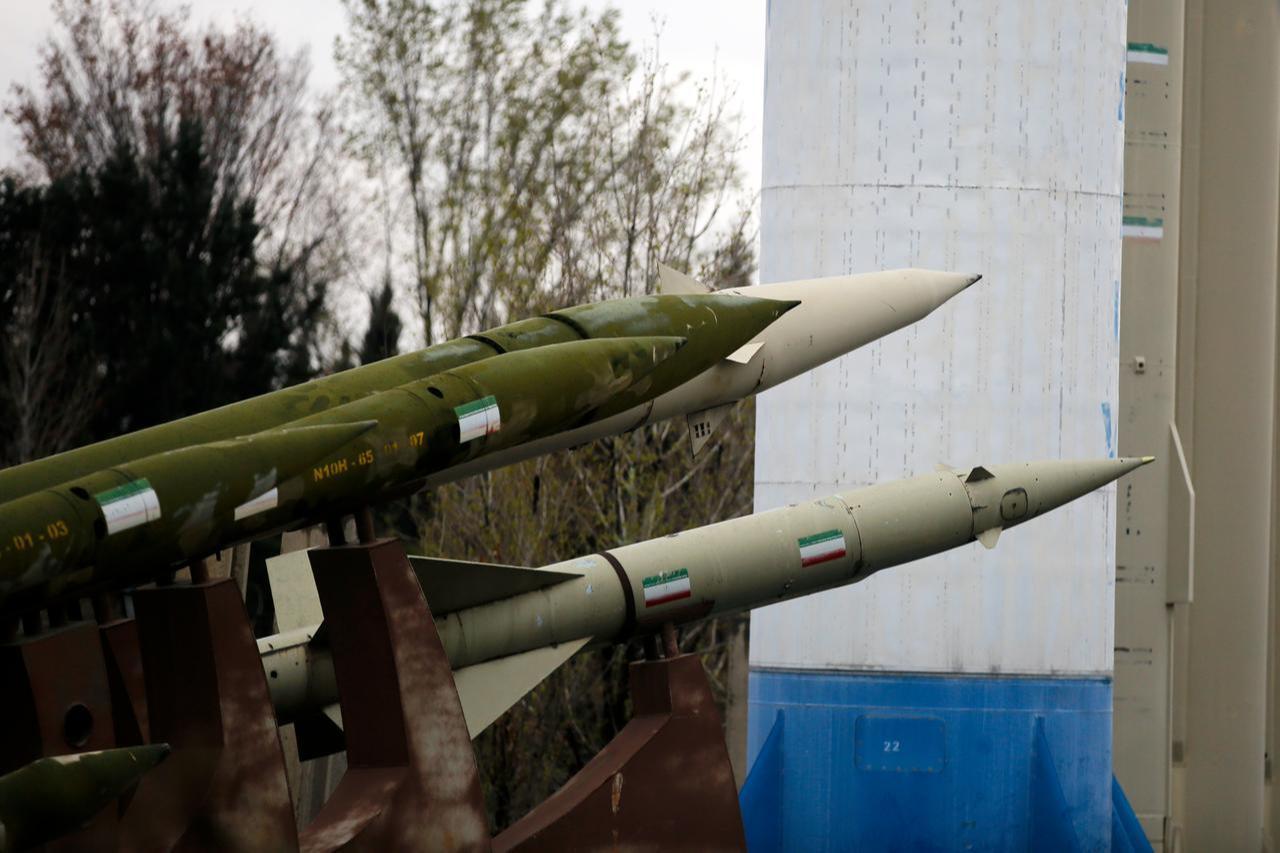

The gap between public statements and intelligence was stark. Trump acknowledged Wednesday that Iran retained some missiles, "They have missiles, about 82% are gone, and they have drones, and most of them are gone." But Secretary of State Rubio said Monday on Fox News that Iran "have half the missiles, none of the factories, and no navy and no air force."
NBC News reported last week that U.S. intelligence showed Iran had retained many of its military capabilities before the ceasefire, including more than half its ballistic missiles, more than half its air force aircraft and more than half its IRGC naval fleet, directly contradicting White House and Pentagon public declarations.
White House spokesperson Anna Kelly said, "Iran's ballistic missiles are destroyed, their production facilities are demolished, their navy is sunk, and their proxies are weakened. President Trump has every option at his disposal. However, his preference is always diplomacy."
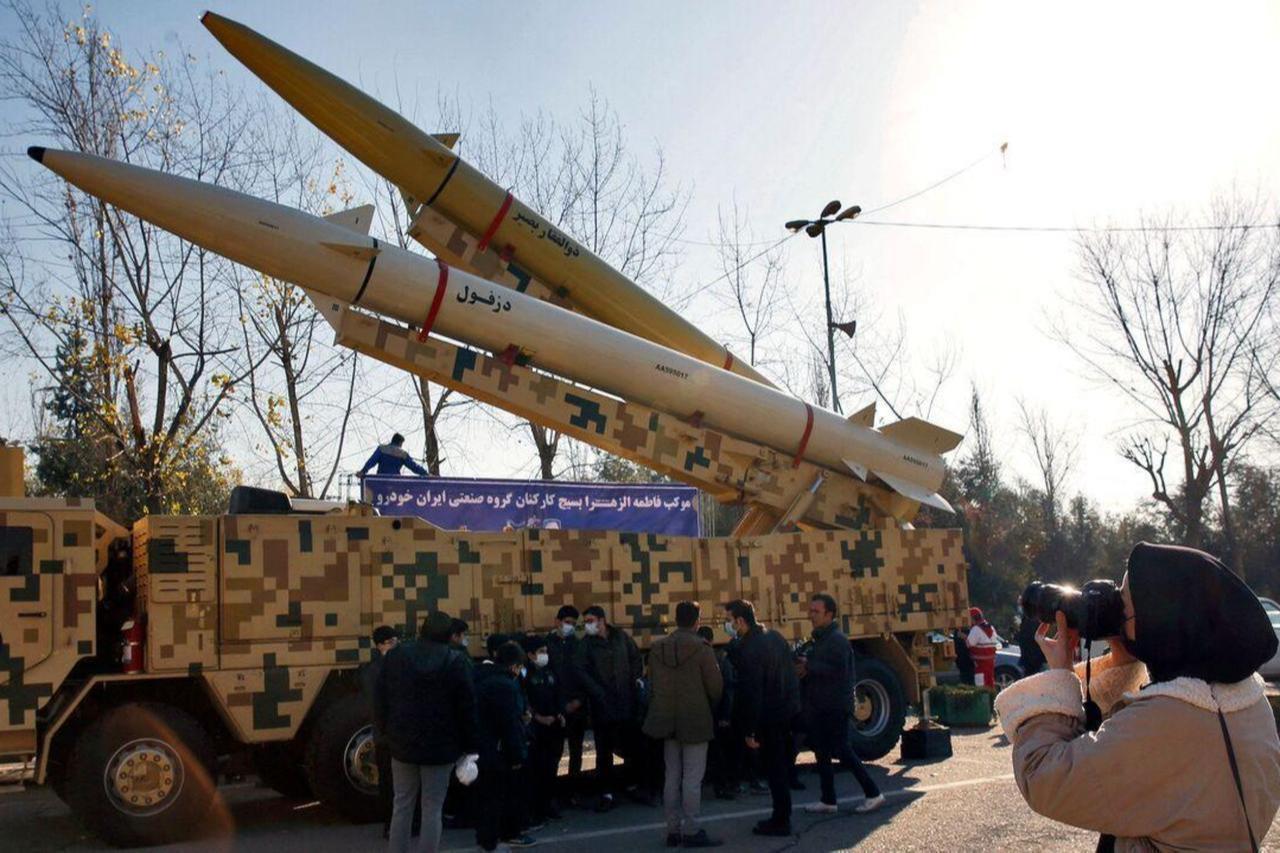
Iran's parliament National Security Commission Deputy Chairman Alaeddin Boroujerdi told Tasnim: "We have not yet shown our new cards."
He said missile and drone stockpiles were "sufficient to sustain years of war," dismissed the naval blockade as ineffective and said approximately 120 vessels were waiting near Hormuz for transit with many Iranian vessels continuing to operate.


 Set as preferred source
 Set as preferred source


 2 min read