Newsletters


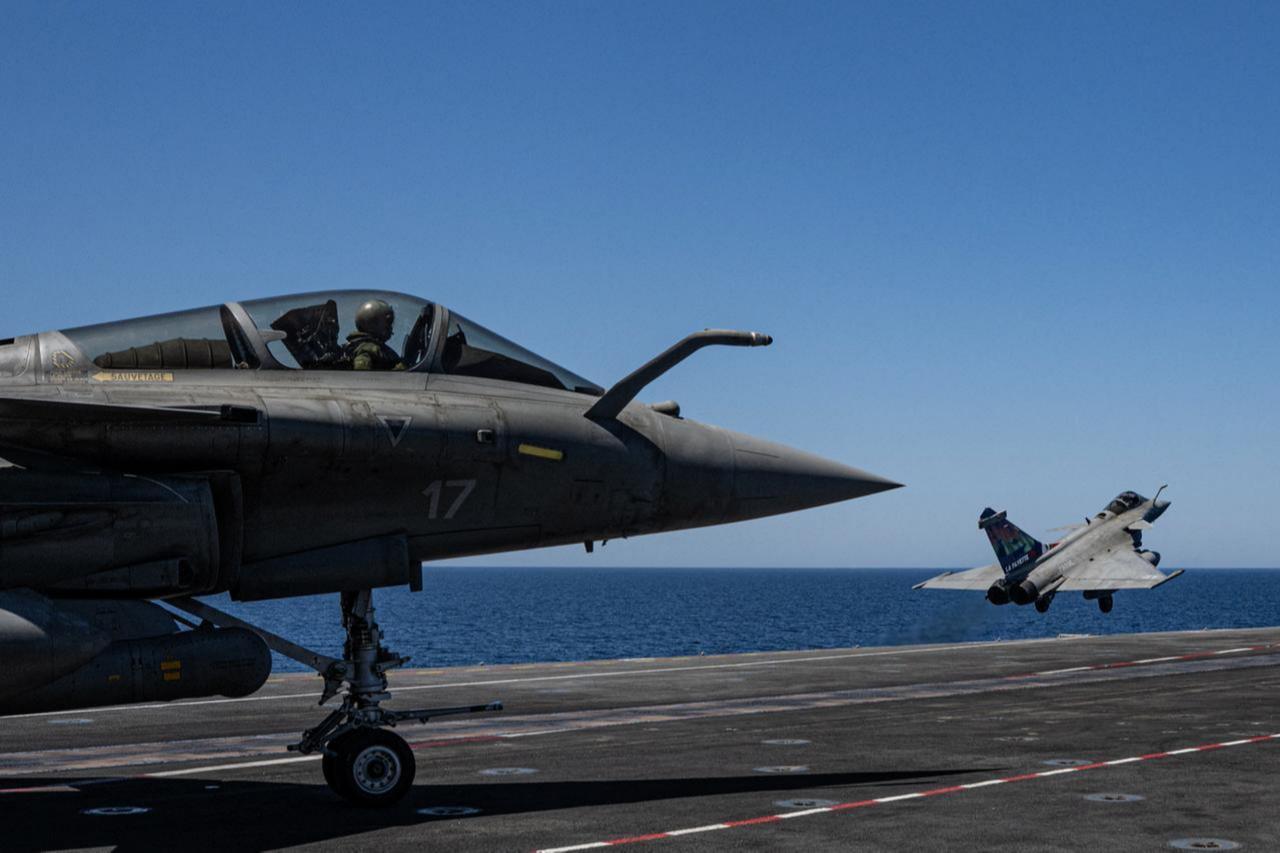


The head of U.S. Central Command, Admiral Brad Cooper, presented President Donald Trump with a set of potential large-scale strike options on Iran on Thursday, describing a scenario built around a short but intense military campaign, according to a report.
Cooper walked Trump through the plans in a Situation Room briefing, outlining a "final blow" strategy targeting Iran’s remaining military capabilities, leadership and critical infrastructure with a concentrated wave of strikes to rapidly degrade Tehran’s operational capacity, Fox News reported.
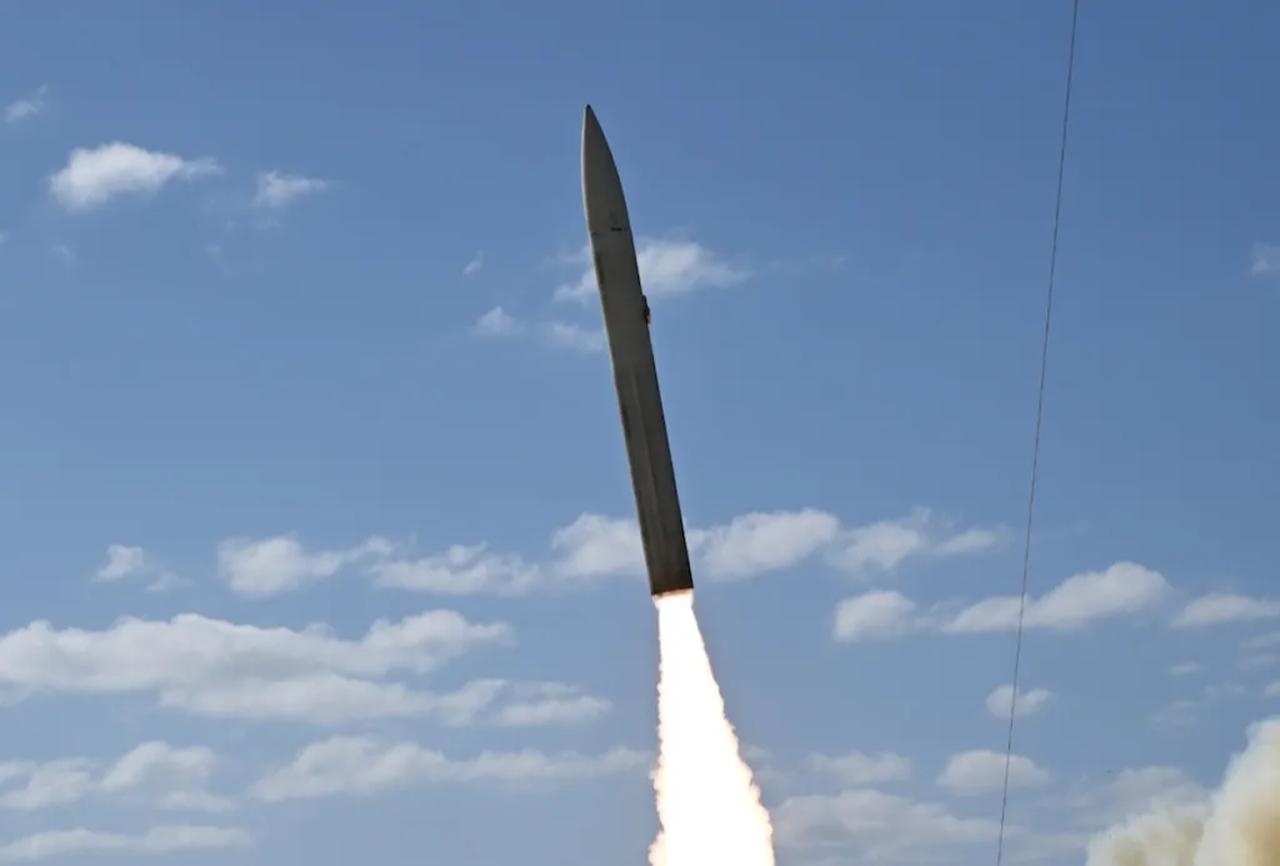
Alongside the strike scenarios, the Pentagon is weighing the use of advanced weapons systems, including a next-generation hypersonic missile known as "Dark Eagle."
This system is designed to hit targets at distances of up to 2,000 miles, offering the ability to reach locations that may be beyond the range of existing U.S. weapons.
The move reflects growing concern that some Iranian missile launchers have been repositioned outside the reach of current strike systems, according to Bloomberg.
Dark Eagle, officially classified as a Long Range Hypersonic Weapon, has recently reached initial operational capability. It is the first land-based hypersonic system available for potential deployment.
Unlike traditional ballistic missiles, the weapon can maneuver mid-flight while traveling at hypersonic speeds, making it harder to detect and intercept. Its range could exceed 1,700 miles, allowing it to target mobile or hardened systems such as missile launchers with minimal warning.
Each missile is estimated to cost around $15 million, while a full battery—including launch systems and support equipment—could reach approximately $2.7 billion.

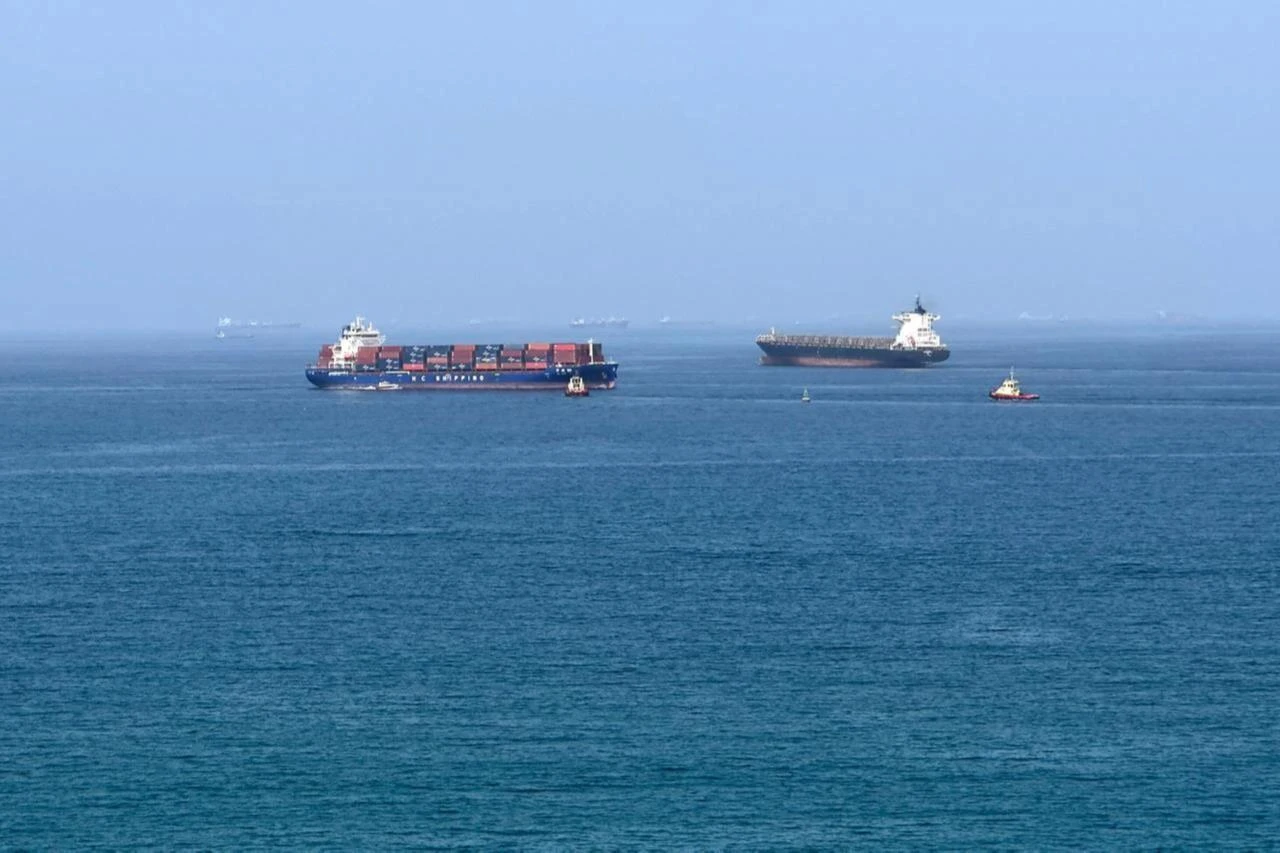
The briefing comes after a period of heightened tensions that began when the U.S. and Israel launched strikes on Iran on Feb. 28. Tehran responded by targeting U.S. allies in the Gulf and shutting down the Strait of Hormuz.
A ceasefire was later announced on April 8 through Pakistani mediation, followed by talks in Islamabad on April 11-12. Those negotiations failed to produce a lasting agreement.
Trump subsequently extended the truce unilaterally, without setting a new deadline, at Pakistan’s request, to allow room for further negotiations.
However, the U.S. president also canceled a planned visit by a U.S. delegation to Islamabad this weekend to wait for Iran’s proposal.
U.S. media reported that Washington was unsatisfied with Iran’s new proposal, as it delays nuclear talks while prioritizing reopening the Strait of Hormuz and lifting the naval blockade.


 Set as preferred source
 Set as preferred source


 1 min read
 1 min read