Newsletters


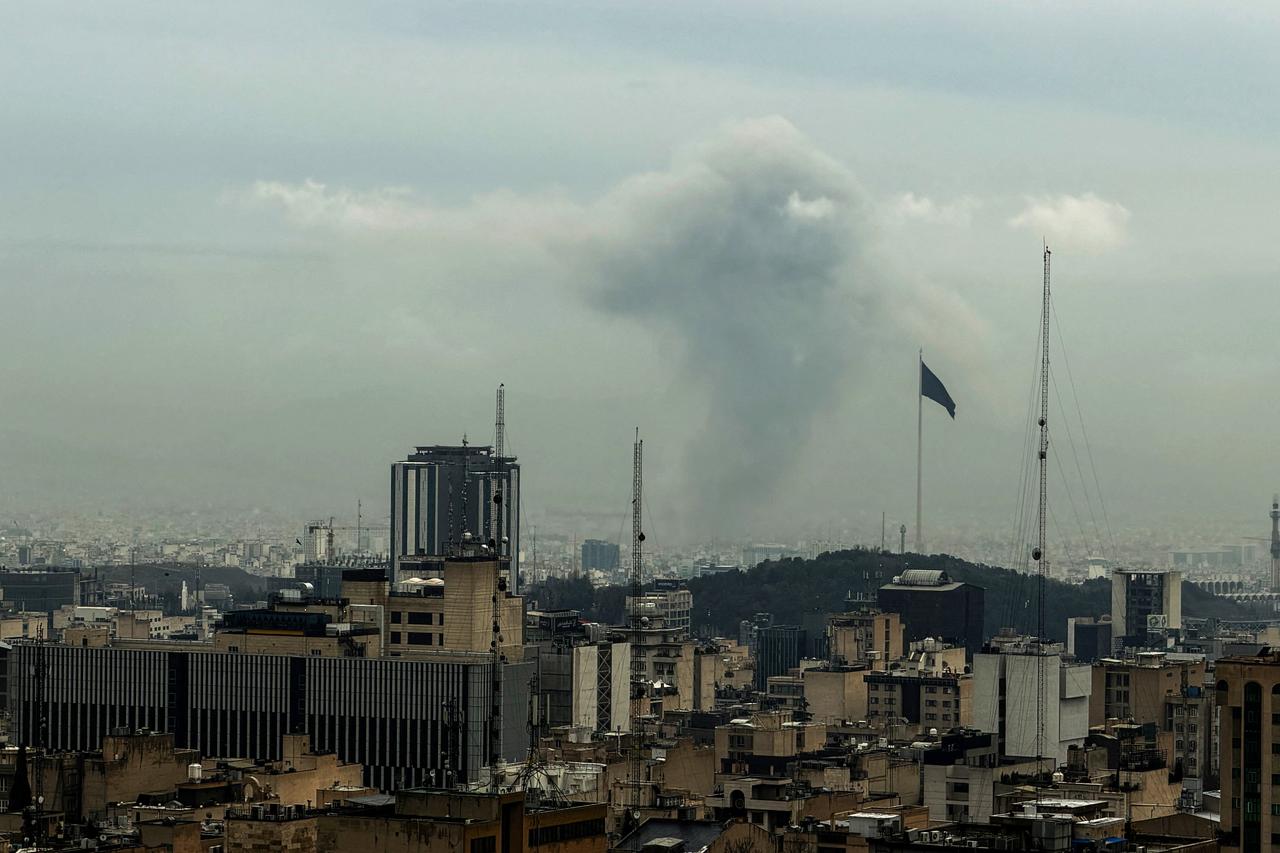


Iran rejected claims of negotiations with the United States after reports revealed details of a U.S. proposal aimed at ending the war in the Middle East, as Washington said it had presented a multi-point plan to Tehran.
Iranian Revolutionary Guard Corps Khatam al-Anbiya Central Headquarters spokesperson Col. Ebrahim Zolfaghari dismissed U.S. President Donald Trump’s statements about ongoing negotiations with Iranian officials.
Addressing the Washington administration in remarks broadcast on Iranian state television, Zolfaghari said, “Do not call your defeat an agreement. Your promises have come to an end. Our stance has been clear from the beginning and has not changed. People like us will not agree with people like you, neither now nor later.”
Iranian officials have repeatedly denied that negotiations are taking place, calling such reports “fake news” and accusing Washington of attempting to influence financial and oil markets.
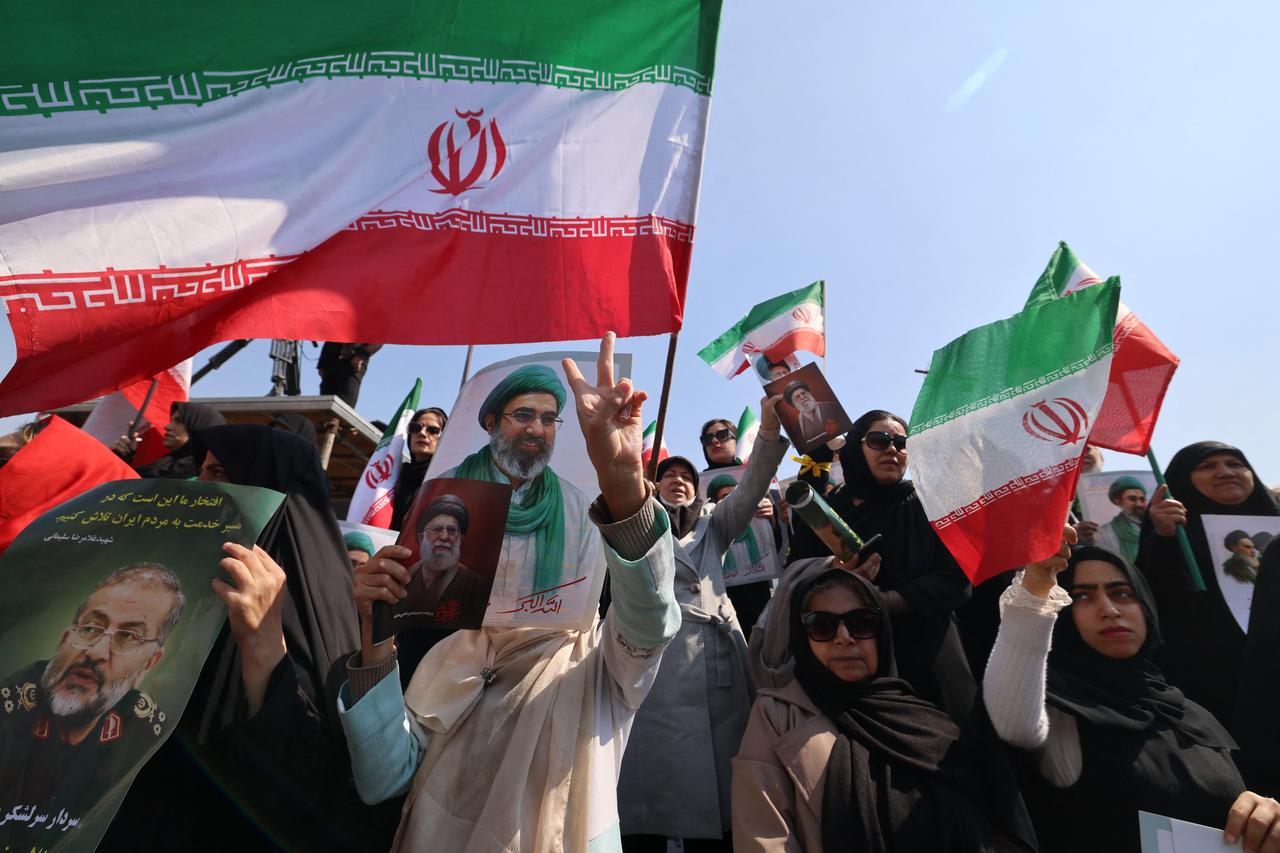

The comments came after a media report revealed details of a plan submitted by the United States to Iran aimed at ending the war after Trump said Washington and Tehran had reached 15 “major points of agreements.”
The proposal includes dismantling all existing Iranian nuclear capabilities and a commitment that Iran will never pursue a nuclear weapon, Israel’s Channel 12 reported.
Under the reported plan, there would be no production of weapons-grade nuclear material on Iranian soil, and all enriched material would be handed over to the International Atomic Energy Agency within an agreed timeline.
Iran’s Natanz, Isfahan, and Fordow nuclear sites would be decommissioned and destroyed, and the International Atomic Energy Agency would receive full access to information related to Iran’s nuclear program. The report also said Iran would cease funding, directing, and arming proxy groups in the region.
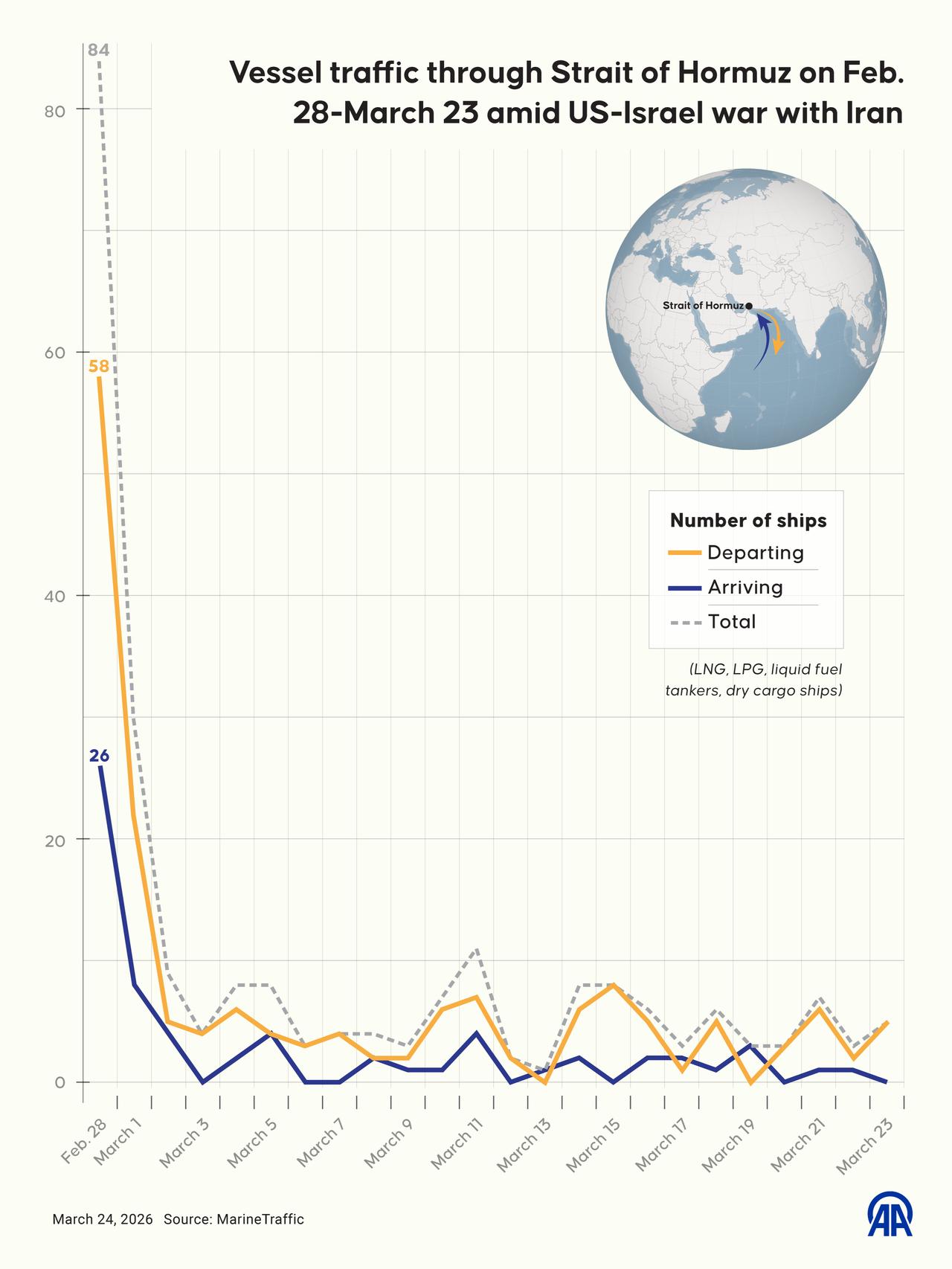
The plan also states that the Strait of Hormuz would remain open as a free maritime zone and that “no one will block it.”
A decision on Iran’s missile program would be made later, but missile ranges and numbers would need to be limited, with Iran allowed to use missiles only for self-defense purposes in the future.
According to The New York Times report on Tuesday, citing two officials briefed on the diplomacy, the proposal was delivered via Pakistan and outlines steps addressing Iran’s nuclear and ballistic missile programs as well as maritime security in the Strait of Hormuz.
The report claimed it remains unclear whether Iran will accept the proposal or if Israel supports it, as the war continues with US-Israeli strikes and Iranian retaliation.
Pakistan’s army chief, Field Marshal Syed Asim Munir, has emerged as a key intermediary between Washington and Tehran, with Islamabad signaling its readiness to host talks if both sides agree, according to officials cited by the report.
In return, all sanctions on Iran would be lifted, and the country would receive assistance in developing a civilian nuclear project in Bushehr, the report said.
The removal of the “snapback threat," referring to the automatic reimposition of United Nations sanctions by Britain, France, and Germany, is also included among the points of the agreement.
Despite reports of diplomatic efforts and the proposed plan, fighting has continued since U.S. and Israeli strikes on Iran began on Feb. 28, with Iran responding with drone and missile strikes targeting Israel and Gulf countries hosting U.S. military assets
“All Iranian leaders are gone. No one knows who to talk to, but we are talking to the right people,” Trump said.
Hostilities have escalated since U.S. and Israeli strikes on Iran began on Feb. 28.
Iran has retaliated with repeated drone and missile strikes targeting Israel as well as Gulf countries hosting U.S. military assets.


 Set as preferred source
 Set as preferred source



 6 min read