Newsletters


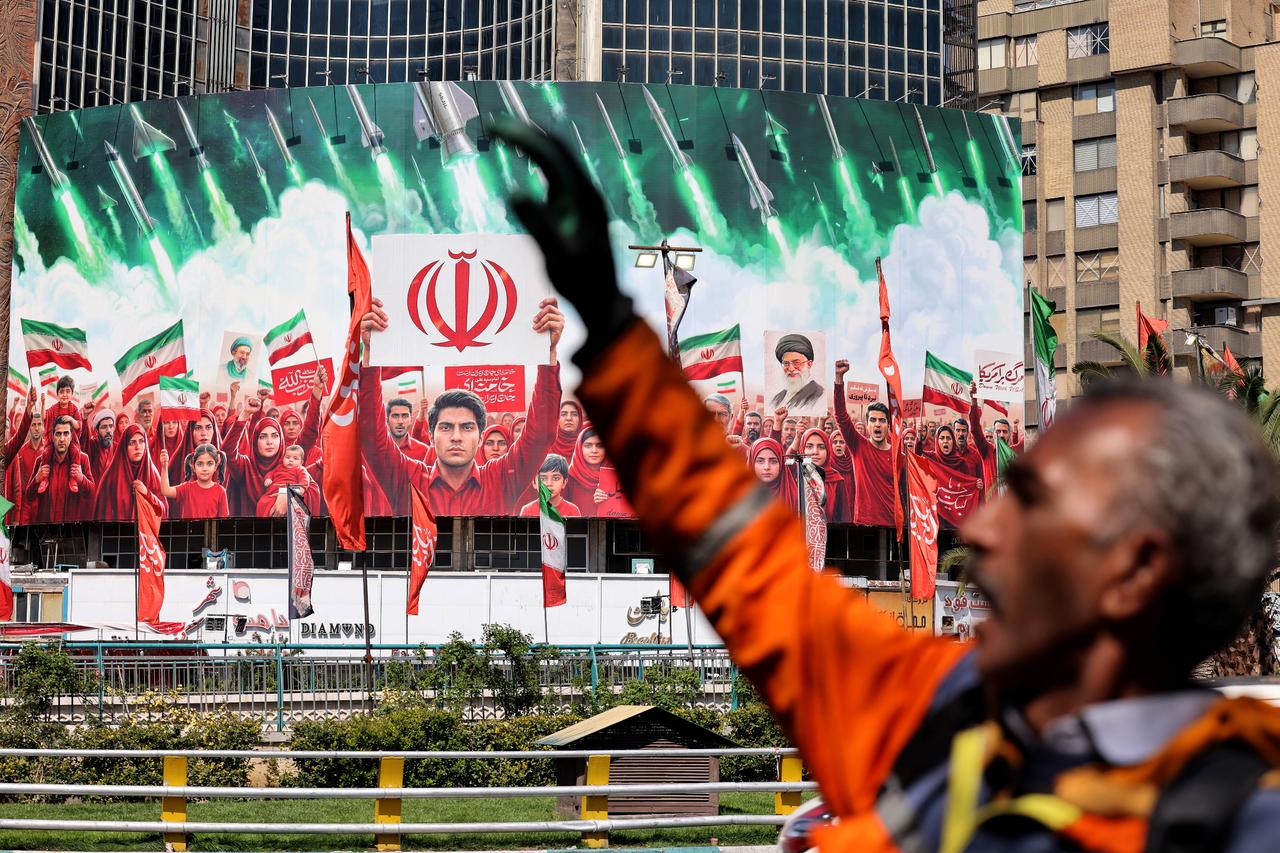


Iran filed formal complaints with the United Nations secretary-general and the Security Council on Monday.
The formal complaint cited U.S. President Donald Trump's admission that Washington sent weapons to Kurdish armed groups as evidence of American responsibility for deaths during protests in late December and January.
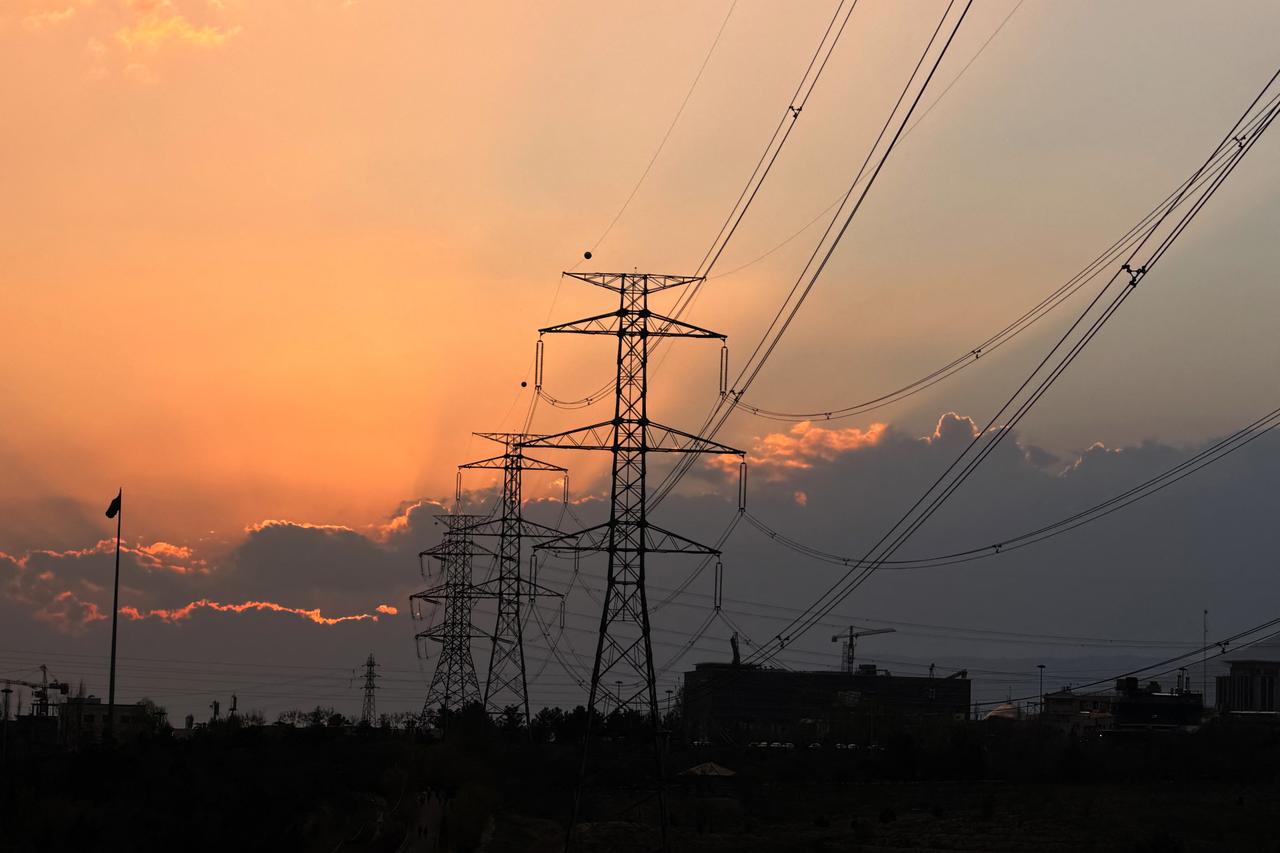
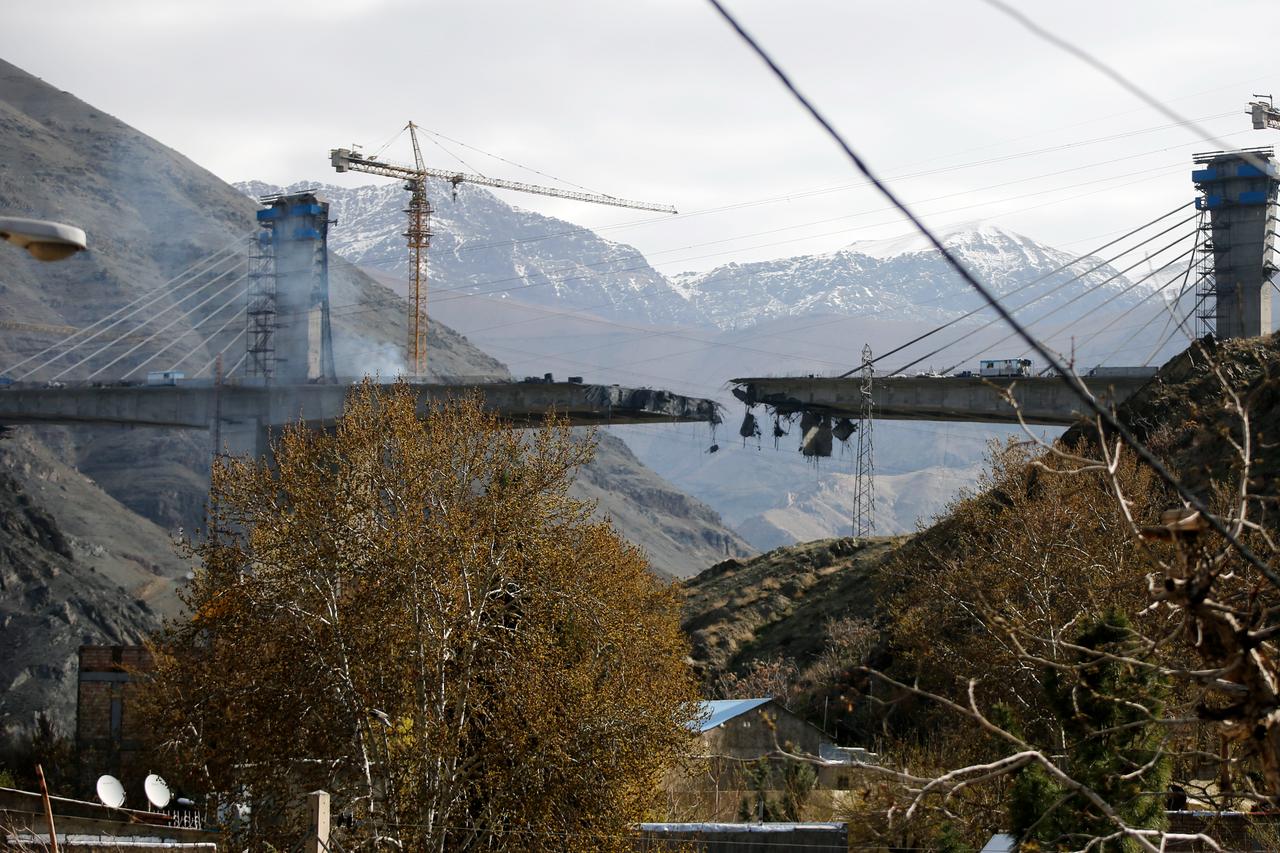
Legal experts also warned that Trump's threats to destroy Iranian power plants and bridges could constitute war crimes under international law.
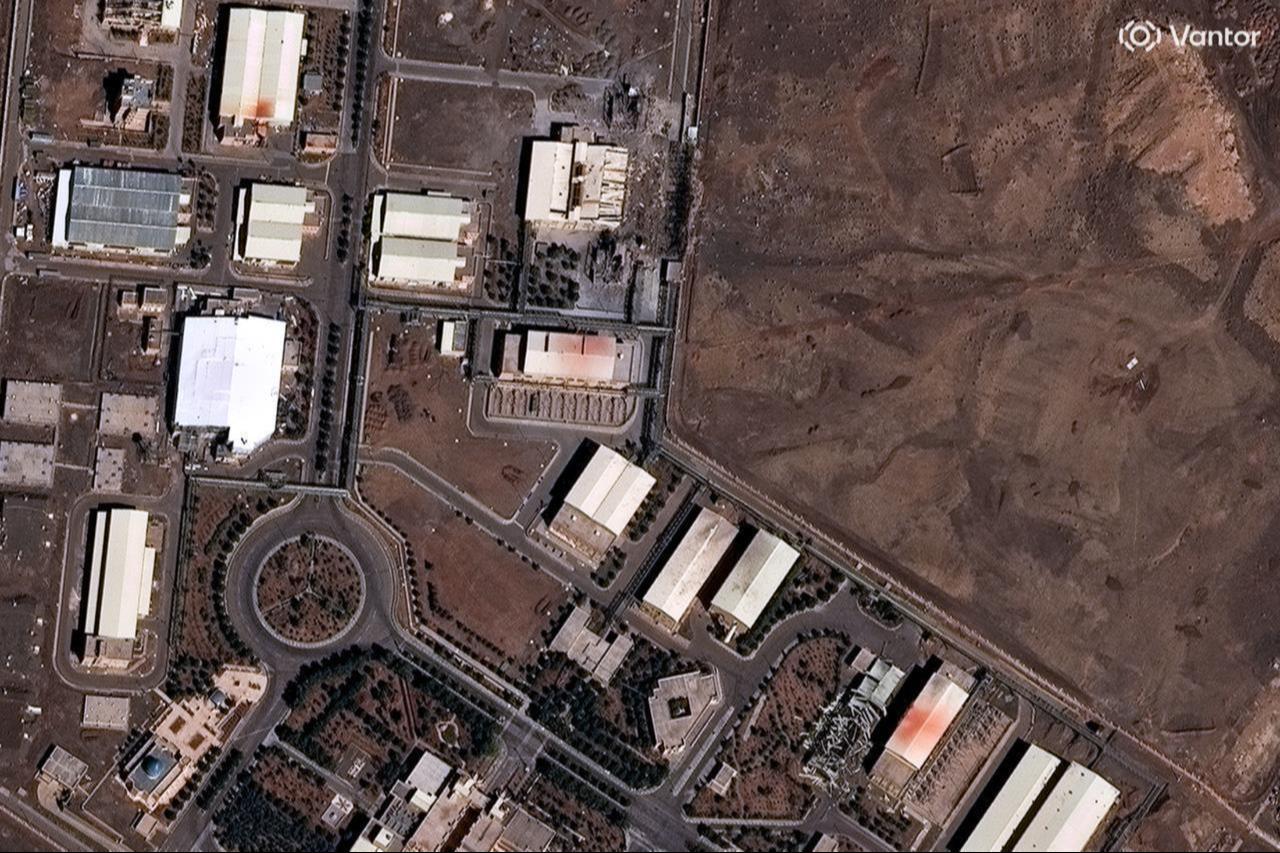

Iran's Permanent Representative to the U.N. Said Iravani wrote separately to U.N. Secretary-General Antonio Guterres and the Security Council president, arguing that Trump's statement constitutes direct evidence of U.S. interference in Iranian affairs.
"This explicit admission is clear evidence supporting Iran's position that the United States sought to turn peaceful protests in Iran into violence, internal unrest and bloodshed," Iravani said.
"The United States is responsible for the events that occurred in Iran at the end of December. Trump's confession to arming hostile groups constitutes interference in Iran's internal affairs," he added.
Iravani also said Trump's threats to bomb Iranian infrastructure amounted to "direct incitement to terrorism" and "clear evidence of intent to commit war crimes under international law."
Protests that began Dec. 28, 2025 in Tehran's Grand Bazaar, triggered by a sharp decline in Iran's currency and deepening economic hardship, spread nationwide.
Violence erupted in Tehran on Jan. 8 and continued in the following days. Iran's Martyrs and Veterans Foundation announced Jan. 21 that 3,117 people, including security forces and civilians, were killed during the unrest. Of those, 2,427 were described as security forces and civilians killed by "armed terrorist groups," while no information was provided on the remaining 690.
Trump claimed in February that Iran had killed 32,000 people during the protests, and later said in April that Iran killed 45,000 demonstrators.
In a separate letter, Iravani called on Saudi Arabia and the United Arab Emirates (UAE) to uphold "the principles of good neighborliness" and prevent their territories from being used against Iran, while reserving Iran's right to self-defense to protect its sovereignty and territorial integrity.
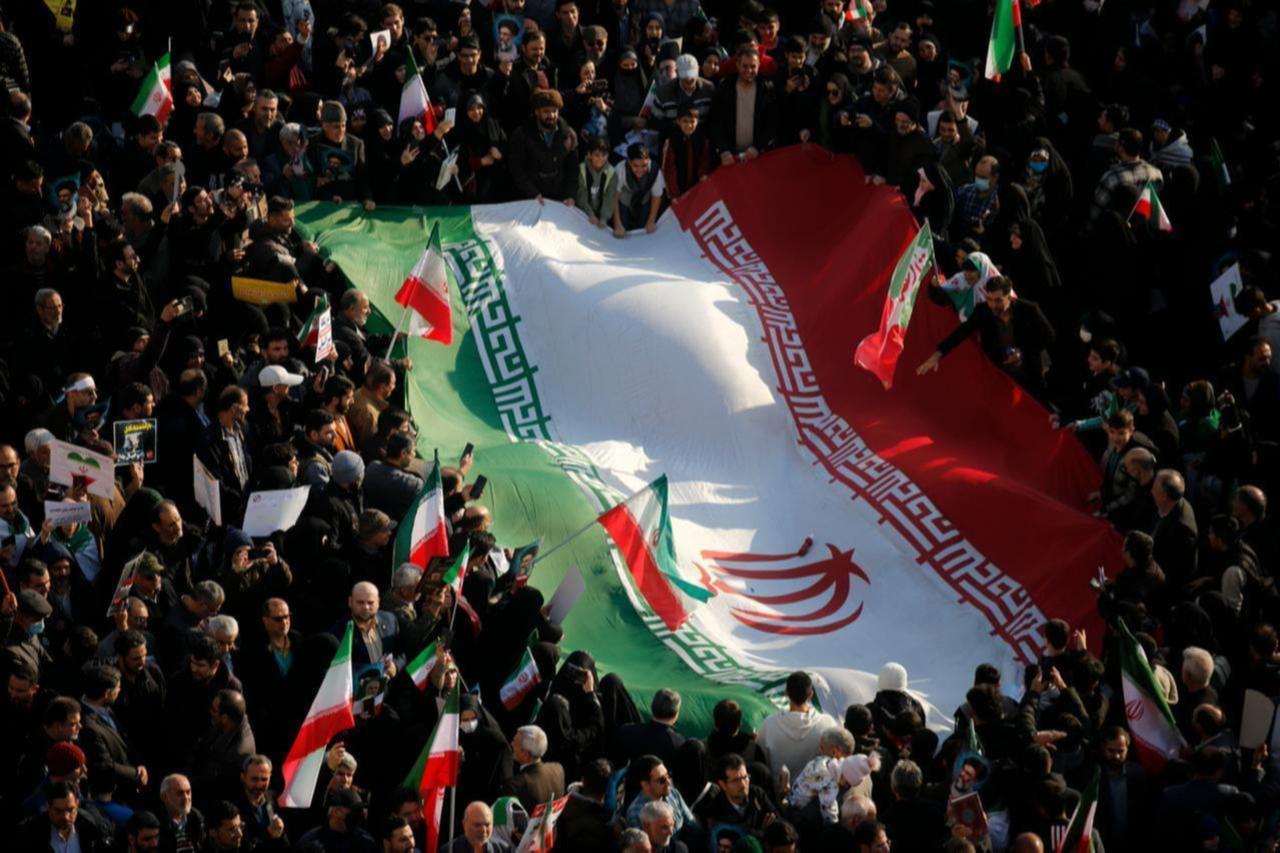
A spokesman for U.N. Secretary-General Guterres warned Monday that attacking civilian infrastructure is prohibited under international law.
"Even if specific civilian infrastructure were to qualify as a military objective," spokesman Stephane Dujarric said, an attack would still be prohibited if it risks "excessive incidental civilian harm."
Speaking to The Associated Press (AP), Michael Schmitt, a professor emeritus at the U.S. Naval War College and international law professor at the University of Reading in Britain, called Trump's threats "clearly a threat of unlawful action."
A power facility can be attacked under the laws of armed conflict if it provides electricity to a military base in addition to civilians, Schmitt said, but strikes must not "cause disproportionate harm to the civilian population, and you've done everything to minimize that harm."
He said military commanders should consider alternatives, such as targeting a substation or transmission lines, before destroying an entire power plant.
"If you look at the operation and you've got a valid military objective, but it's going to cause harm to civilians and you go, 'Whoa, that's a lot,' then you should stop," Schmitt said.
"If you hesitate to take the shot, don't take the shot," he added.
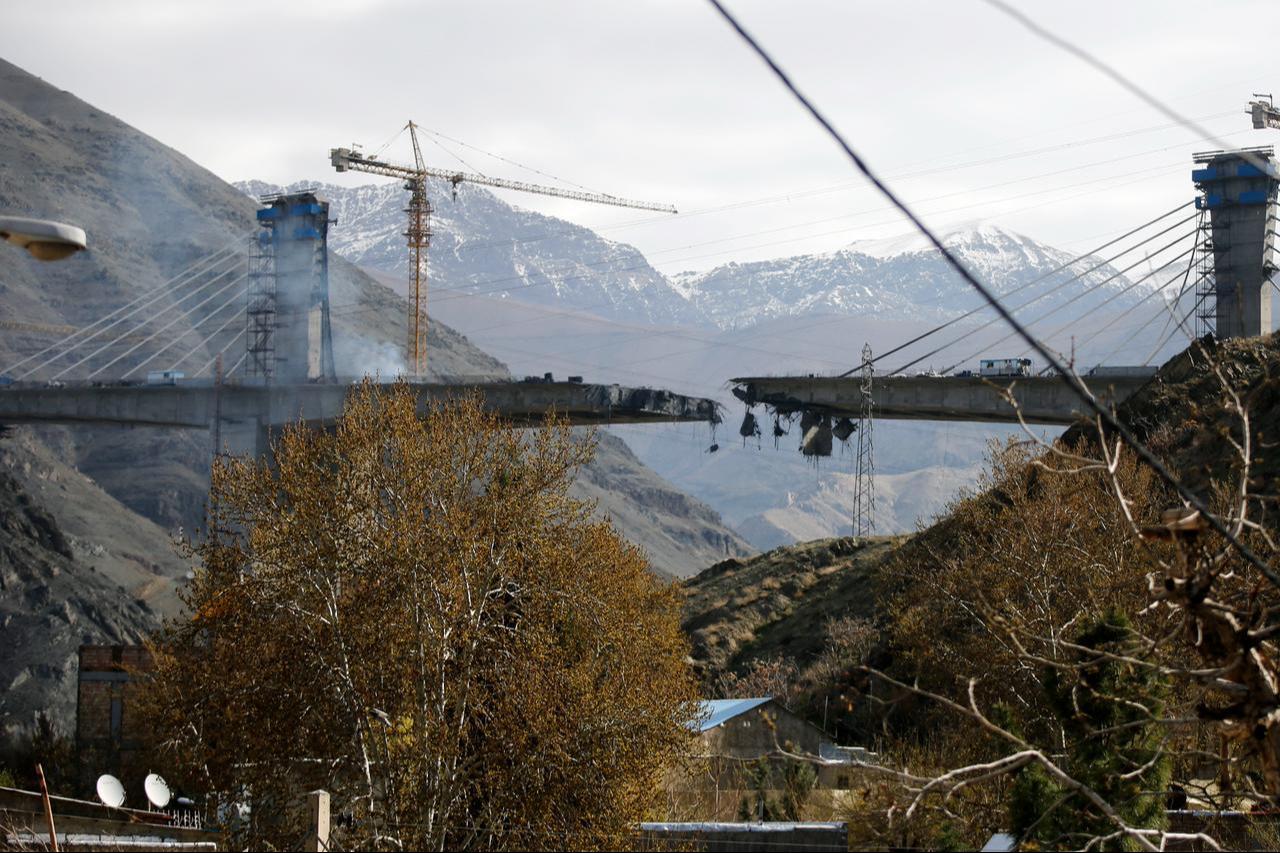
Also speaking to AP, Rachel VanLandingham, a Southwestern Law School professor and retired lieutenant colonel who served as a judge advocate general in the U.S. Air Force, said civilians would likely die if power is cut to hospitals and water treatment plants.
"What Trump is saying is, 'We don't care about precision, we don't care about impact on civilians, we're just going to take out all of Iranian power generating capacity,'" she said.
Trump's previous threats have also included Kharg Island, central to Iran's oil industry, and desalination plants that provide drinking water.
In a Truth Social post on March 30, Trump warned the U.S. would obliterate "all of their Electric Generating Plants, Oil Wells and Kharg Island (and possibly all desalinization plants!), which we have purposefully not yet 'touched.'"
Since Feb. 28, U.S. and Israeli strikes on Iran have killed more than 1,340 people, including then-Supreme Leader Ali Khamenei.
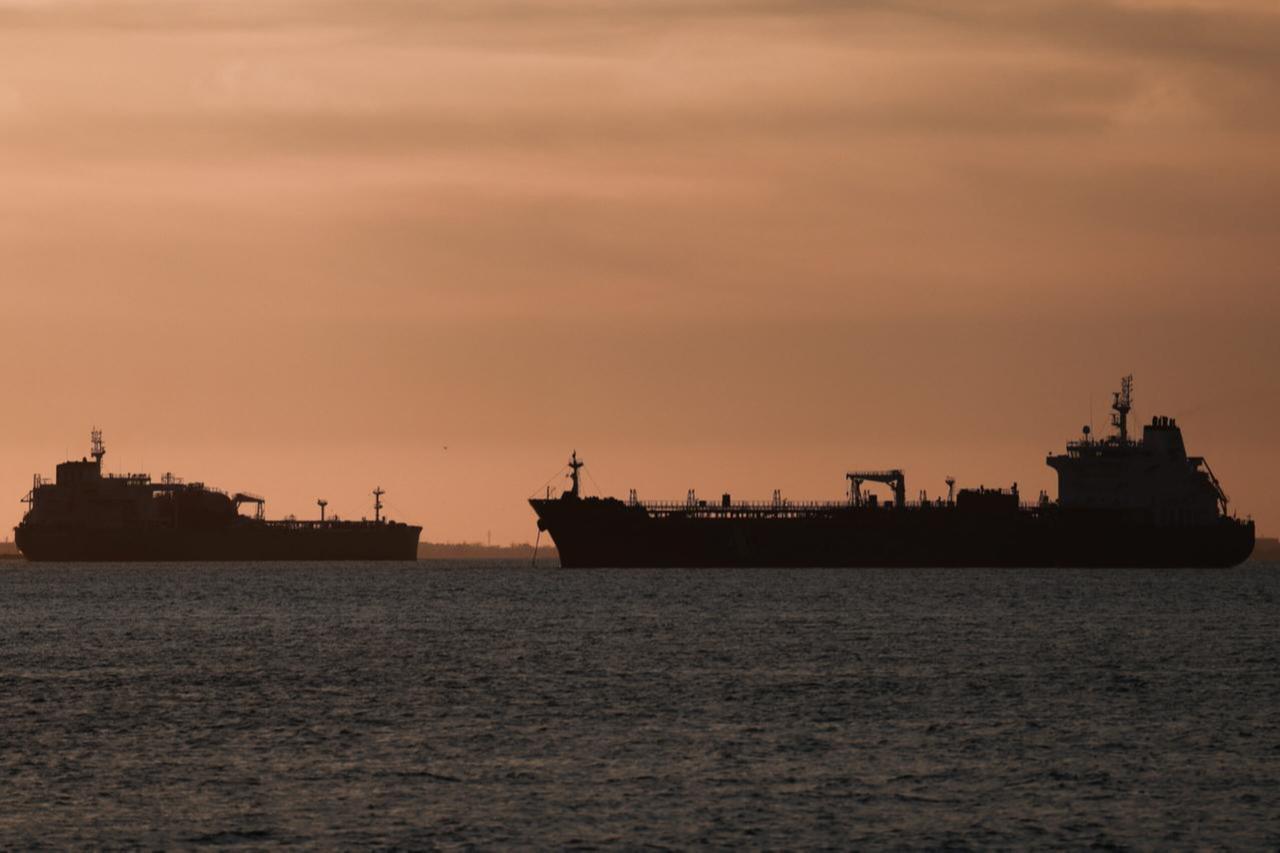
Tehran has retaliated with drone and missile strikes on Israel, Jordan, Iraq and Gulf countries hosting U.S. military assets, while restricting movement through the Strait of Hormuz, through which 20% of the world's oil normally flows.


 Set as preferred source
 Set as preferred source


 1 min read
 1 min read