Newsletters


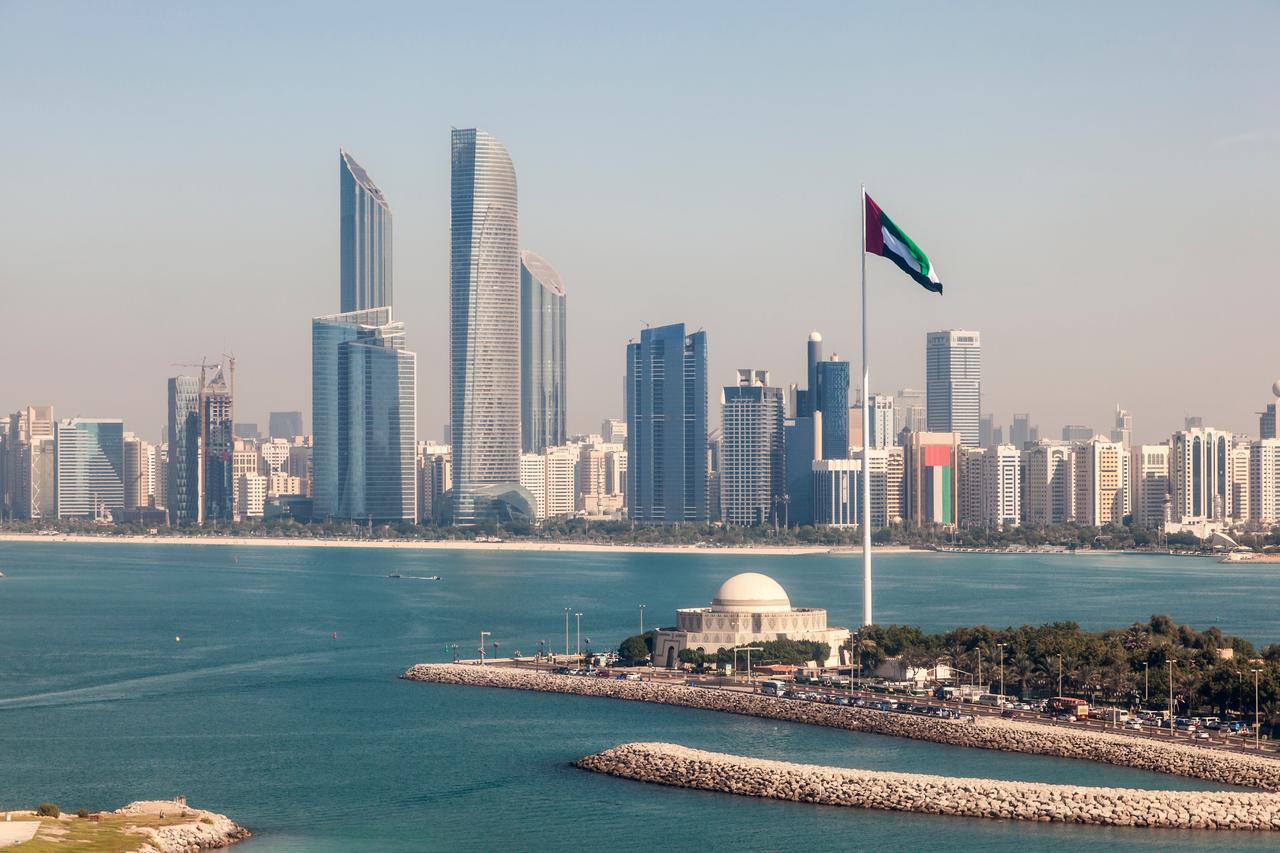


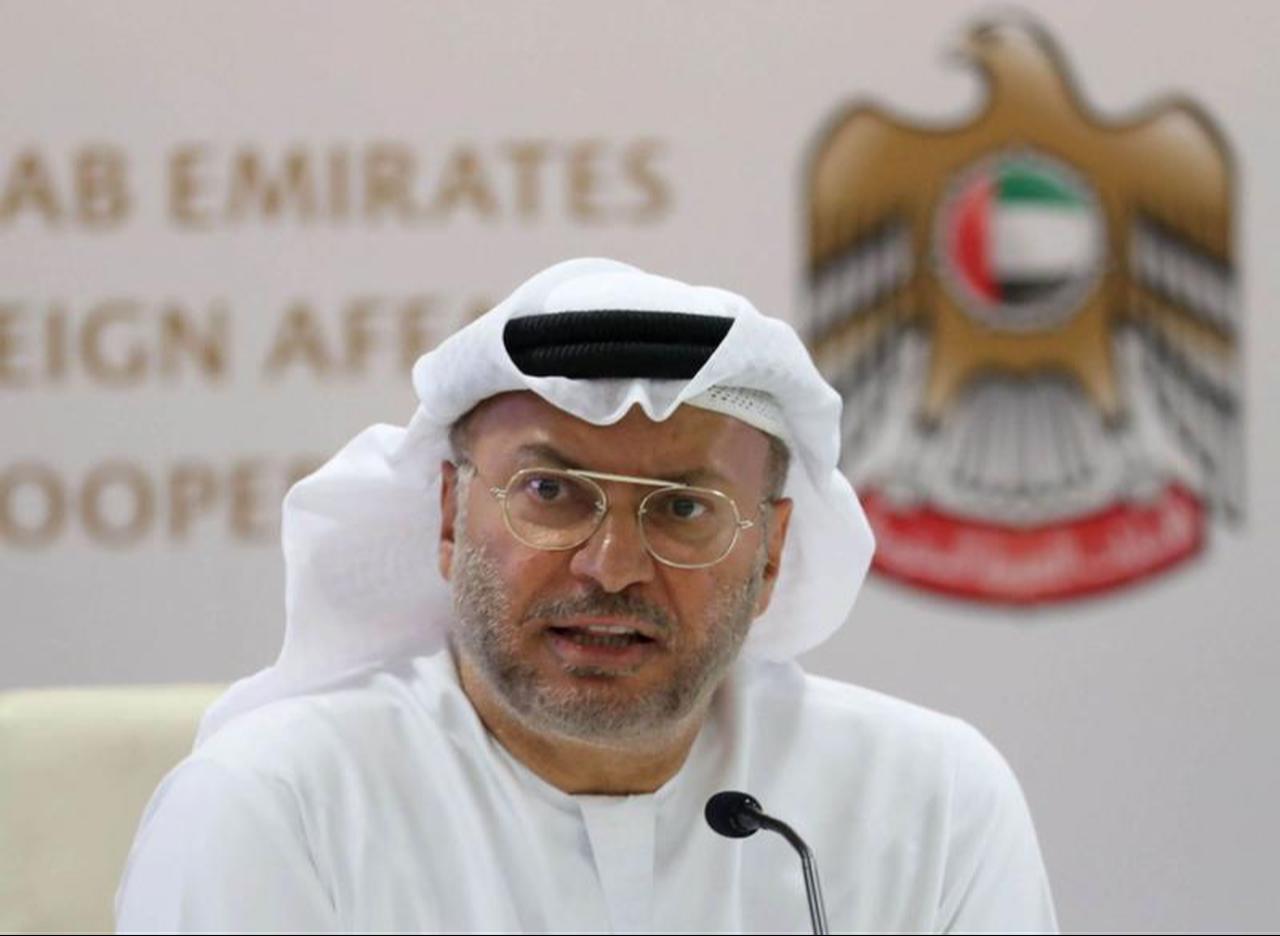
The United Arab Emirates signals readiness to join a coalition to secure navigation in the Strait of Hormuz, while stressing that a ceasefire in the Iran war would not be enough to stabilise the region, Diplomatic Adviser to the UAE President Anwar Gargash said on Tuesday.
Gargash framed Abu Dhabi’s position as both immediate and long-term, pointing to the need for coordinated maritime security efforts alongside a broader political settlement that addresses underlying risks.
"We are not ready to act as a maritime force, but we will join any American-led or international effort to secure navigation in the Strait of Hormuz," he said. "We are ready to play our part."
Since the start of the war, the Strait of Hormuz—a vital energy corridor that normally handles a fifth of global oil and LNG flows—has slowed to a near halt as maritime insurance costs surged and war-risk coverage was withdrawn.
In recent weeks, Iran has introduced a new tolling system to allow shipments through the waterway, with several countries reportedly agreeing to the arrangement as shipping data signals a partial recovery in traffic.
Speaking to Euronews, Gargash said ending hostilities alone would fall short, pushing instead for a broader regional security framework. "From our perspective, we don't want to see more escalation, but we don't want a ceasefire that does not address some of the main issues that will create a much more dangerous environment in the region," he said.
He added that any settlement must avoid embedding long-term instability and should tackle core concerns, including nuclear activity, missile programs and ongoing drone attacks affecting the UAE and other countries.
The UAE diplomat suggested the war could reinforce external alliances in the Gulf rather than reduce them. "I believe the Iranian strategy will actually concretise the American role in the Gulf, moving forward. It will not reduce it," Gargash said, adding that Israeli influence is also expected to become more prominent.
He reiterated that the UAE would deepen ties with Washington, describing the United States as its main security partner and highlighting its support in strengthening air defence capabilities.

Iran has launched missile and drone strikes targeting critical sites in Gulf countries hosting U.S. bases, including the United Arab Emirates, in retaliation for U.S.-Israeli attacks since the war began on Feb. 28. UAE air defence systems have intercepted 519 ballistic missiles, 26 cruise missiles and 2,210 drones during that period, according to official figures.
Authorities said 2 soldiers on duty were killed, along with a Moroccan civilian contractor serving with the UAE military. Ten civilians from Pakistan, Nepal, Bangladesh, Palestine and India also died, while 221 people of various nationalities were injured.
The attacks also targeted the UAE’s regional tourism hub, Dubai, with missile and drone strikes and interception debris hitting parts of the city, including areas near Dubai International Airport and landmark sites such as the Burj Al Arab and Palm Jumeirah.
Among the targeted industrial sites were the Fujairah oil terminal, a key export hub that bypasses the Strait of Hormuz, as well as facilities operated by Abu Dhabi National Oil Company (ADNOC) and Emirates Global Aluminum.


 Set as preferred source
 Set as preferred source


 1 min read
 1 min read