Newsletters


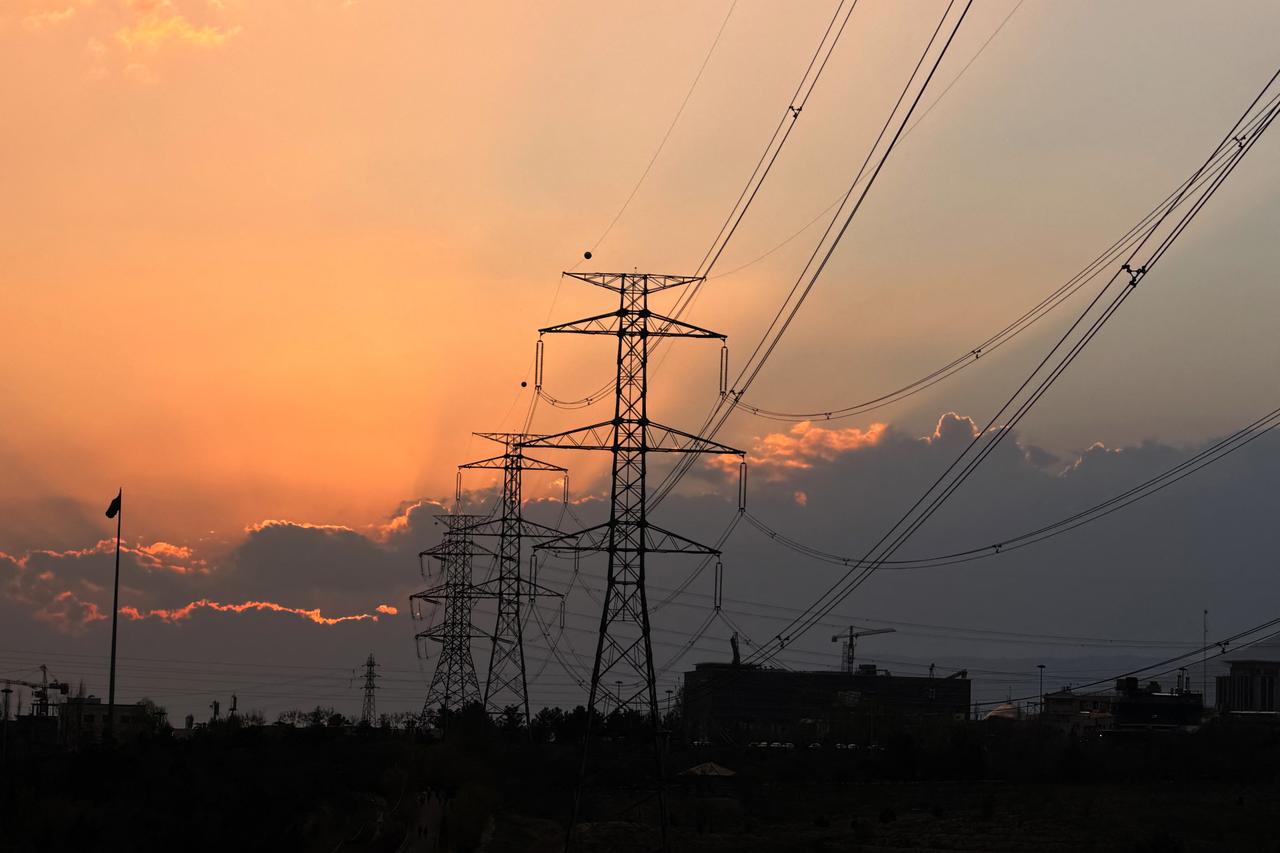


An Iranian official called on young people to form human chains around the country's power plants, hours before a U.S. deadline set by U.S. President Donald Trump for Iran to reopen the Strait of Hormuz or face strikes on its public infrastructure.
Alireza Rahimi, identified by Iranian state television as the secretary of the Supreme Council of Youth and Adolescents, made the call in a video message broadcast on Monday.
"I invite all young people, athletes, artists, students and university students and their professors," he said.
He urged people to gather on Tuesday, April 7, at 2 p.m. "around the power plants that are our national assets and capital, regardless of any taste or political viewpoint, belong to the future of Iran and to the Iranian youth."
Rahimi also posted the appeal on X, writing: "I invite all youth, cultural and artistic figures, athletes, and champions to the national campaign 'Iranian Youth's Human Chain for a Bright Tomorrow.'"
"Tomorrow, Tuesday at 14:00, beside power plants across the country, with every belief and taste, we will stand hand in hand to say: Attacking public infrastructure is a war crime," he wrote.

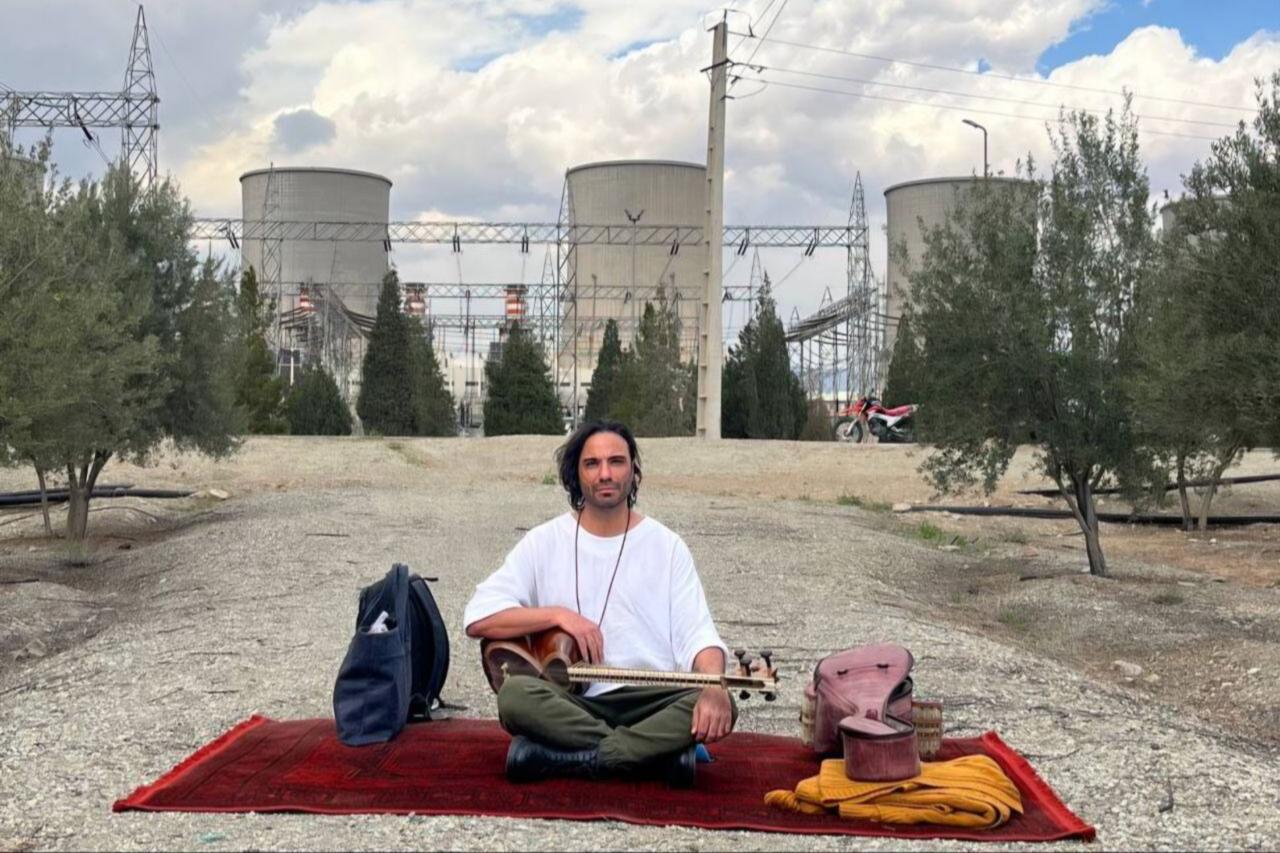
Iranian musician Ali Ghamsari, described as a prominent composer and tar player, said he has stationed himself at the Damavand power plant near Tehran with his instrument, adding that he wants to create music there to help prevent attacks on Iran's infrastructure.
Ghamsari said he began the move on Monday and would remain at the site for some time.
The Damavand power plant was described as Iran's largest power plant and as a facility responsible for providing half of Tehran's electricity.
Iran has previously formed human-chain demonstrations around its nuclear sites during times of escalated tensions with Western nations.
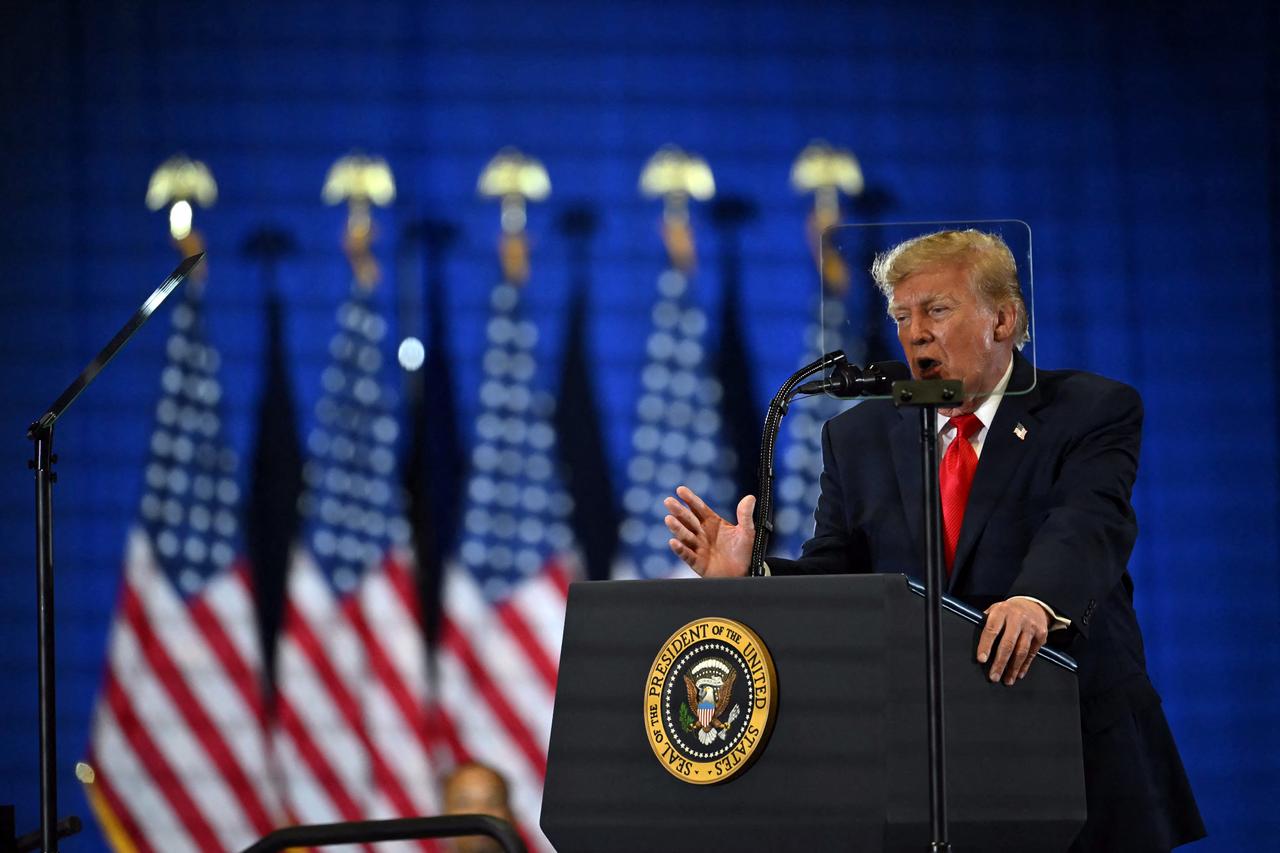
Trump warned over the weekend that Iran had until Tuesday at 8 p.m. ET to make a deal, threatening to bomb Iranian public infrastructure if Tehran does not reopen the Strait of Hormuz.
Regional tensions have escalated since the U.S. and Israel launched a joint offensive on Iran on Feb. 28, killing so far over 1,340 people, including then-Supreme Leader Ali Khamenei.
Iran has retaliated with drone and missile strikes targeting Israel, along with Jordan, Iraq, and Gulf countries hosting U.S. military assets, causing casualties and damage to infrastructure while disrupting global markets and aviation.


 Set as preferred source
 Set as preferred source


 1 min read
 1 min read