Newsletters


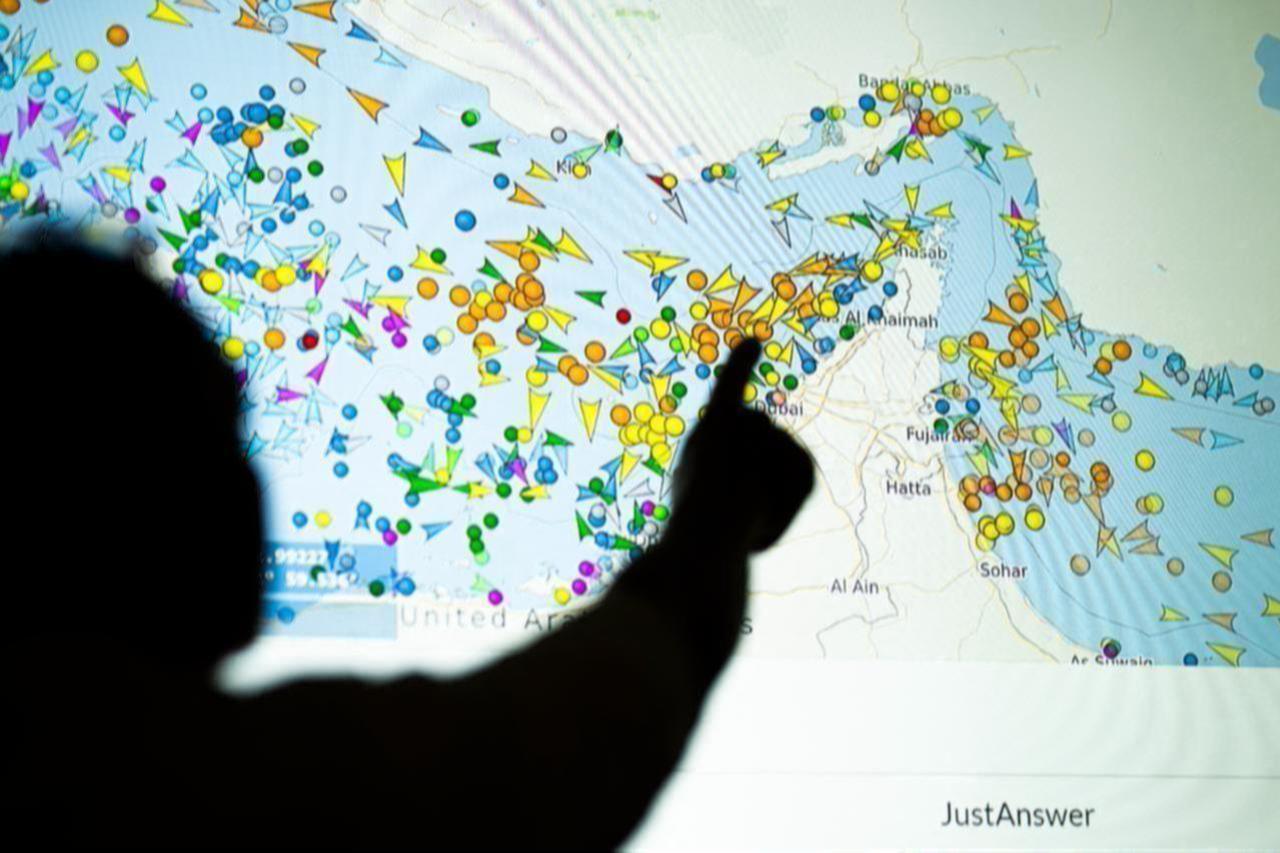


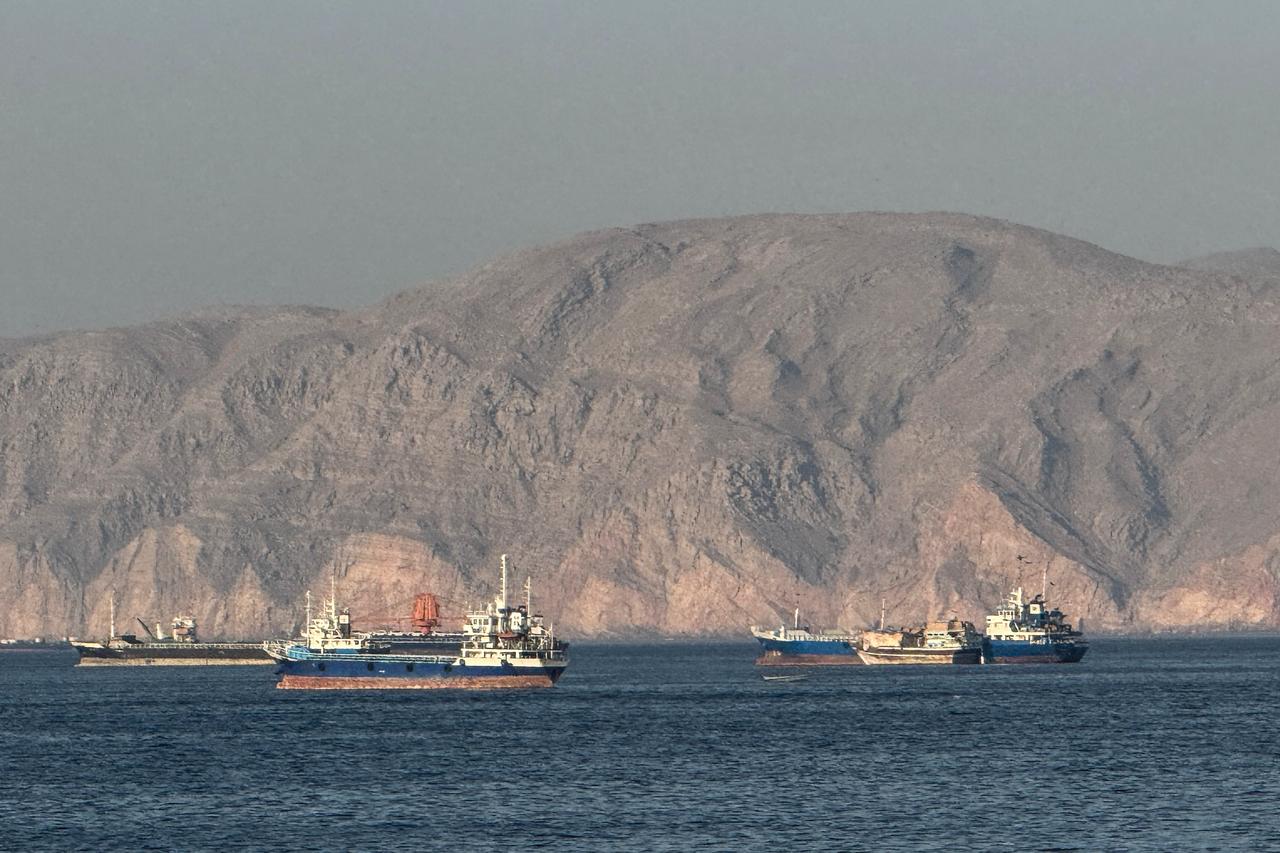
Iran's armed forces fired missiles from the country's southern provinces at vessels attempting to transit the Strait of Hormuz without coordination with Iranian naval authorities, according to reports from the country's semi-official Fars News Agency, as a fresh series of military exchanges between Tehran and Washington unfolded near one of the world's most strategically vital waterways.
Fars reported that the missiles were launched from Iran's southern regions toward unspecified targets, noting that the precise destination of the projectiles was not immediately known, though some sources raised the possibility of a confrontation in Persian Gulf waters.
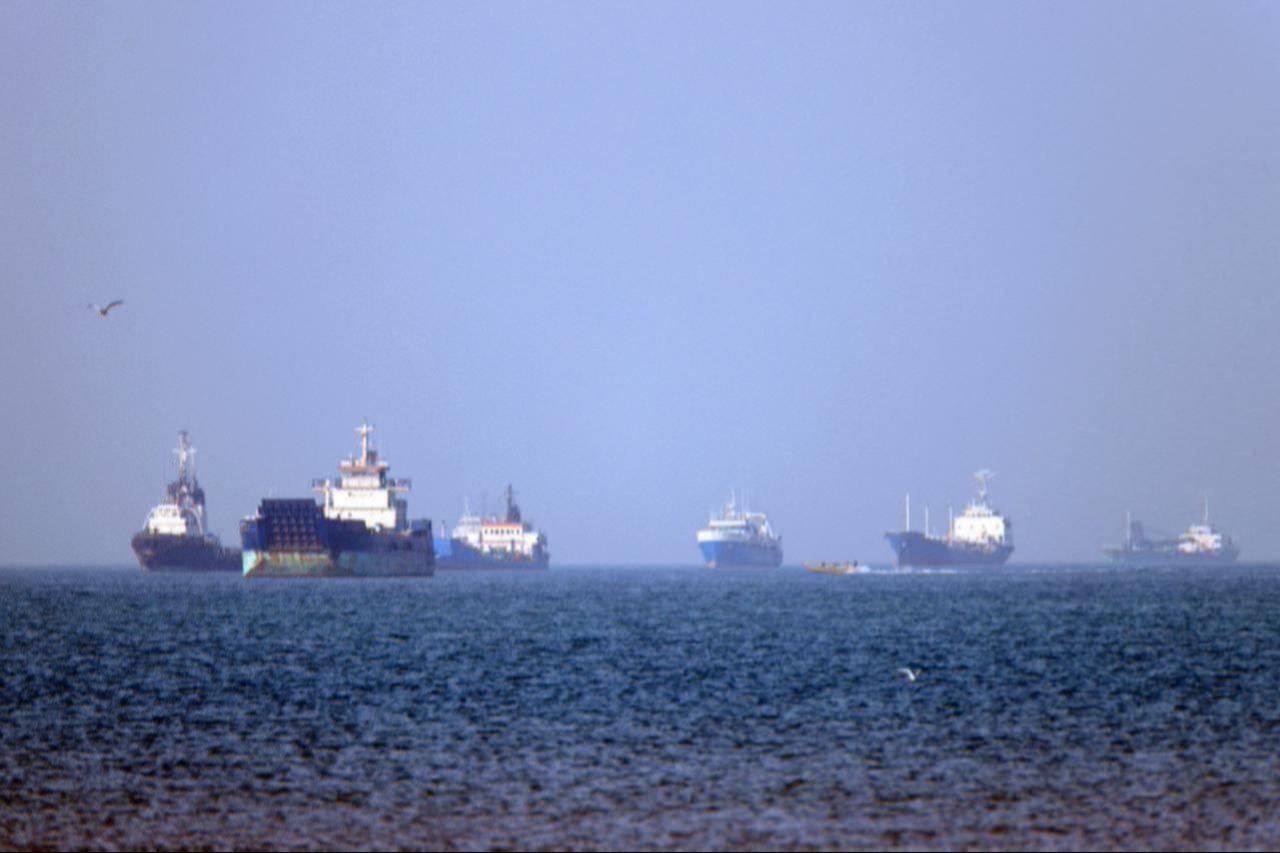

Iran's Army Air Defense Command Control Center moved to tamp down speculation about the scope of the incident, issuing a written statement denying reports that explosions had occurred in the port city of Bandar Abbas.
"As of now, no explosion has occurred in Bandar Abbas," the command said, clarifying that the sounds heard in the area originated from the sea, and that warning shots had been fired at vessels attempting to enter the Strait of Hormuz without clearing security coordination with the navy.
Reports of explosion sounds in the coastal provinces of Bushehr and Hormozgan, which border the Persian Gulf, were also said to be unconfirmed.
The latest episode followed a string of confrontations earlier in the day. Iranian state television had reported three explosions to the east of Bandar Abbas in the early morning hours, a strategically significant port city and naval hub near the strait. The U.S. military subsequently announced it had carried out an airstrike on an Iranian military site in the country's south, citing threats posed to American forces and commercial maritime traffic in the region.
Iran's Islamic Revolutionary Guard Corps confirmed that an American airstrike had struck a location near Bandar Abbas airport, and announced it had retaliated by striking the U.S. air base from which the attack was launched.
The Strait of Hormuz, a narrow passage connecting the Persian Gulf to the Gulf of Oman, is the world's most critical oil shipping lane, with roughly a fifth of global oil supply transiting through it. The waterway has been at the center of an escalating standoff since the outbreak of the 2026 Iran war.
Iran closed the strait to foreign shipping following U.S. and Israeli strikes in late February, prompting Washington to launch a military campaign to reopen the passage and, subsequently, impose a naval blockade on Iranian ports. Negotiations aimed at ending hostilities have continued against a backdrop of near-daily military incidents in and around the strait.


 Set as preferred source
 Set as preferred source


 1 min read

 1 min read