Newsletters




Iran has set a one-month deadline to reach a deal to reopen the Strait of Hormuz, lift a U.S. naval blockade, and secure a lasting ceasefire as President Donald Trump signals doubts over the plan and keeps military options on the table.
Tehran put forward a revised 14-point plan to Washington on Thursday, outlining a strict timeline to resolve key issues tied to maritime access, the blockade, and the broader conflict involving Iran and Lebanon, according to Iranian media.
Sources familiar with the document told Axios that the initial phase focuses on securing a framework agreement within a month.
Only after that first step is completed would a second phase begin, opening another month of talks centered on Iran’s nuclear program, according to the report, which Washington had previously refused.
U.S. President Donald Trump appeared cautious as he weighed the proposal on Saturday, the report suggested. Speaking to reporters before departing Palm Beach, he noted he would review the details during his flight.
"I’m looking at it. I’ll let you know about it later," Trump said Saturday, adding that he had been briefed on the concept and expected to receive the full wording shortly.
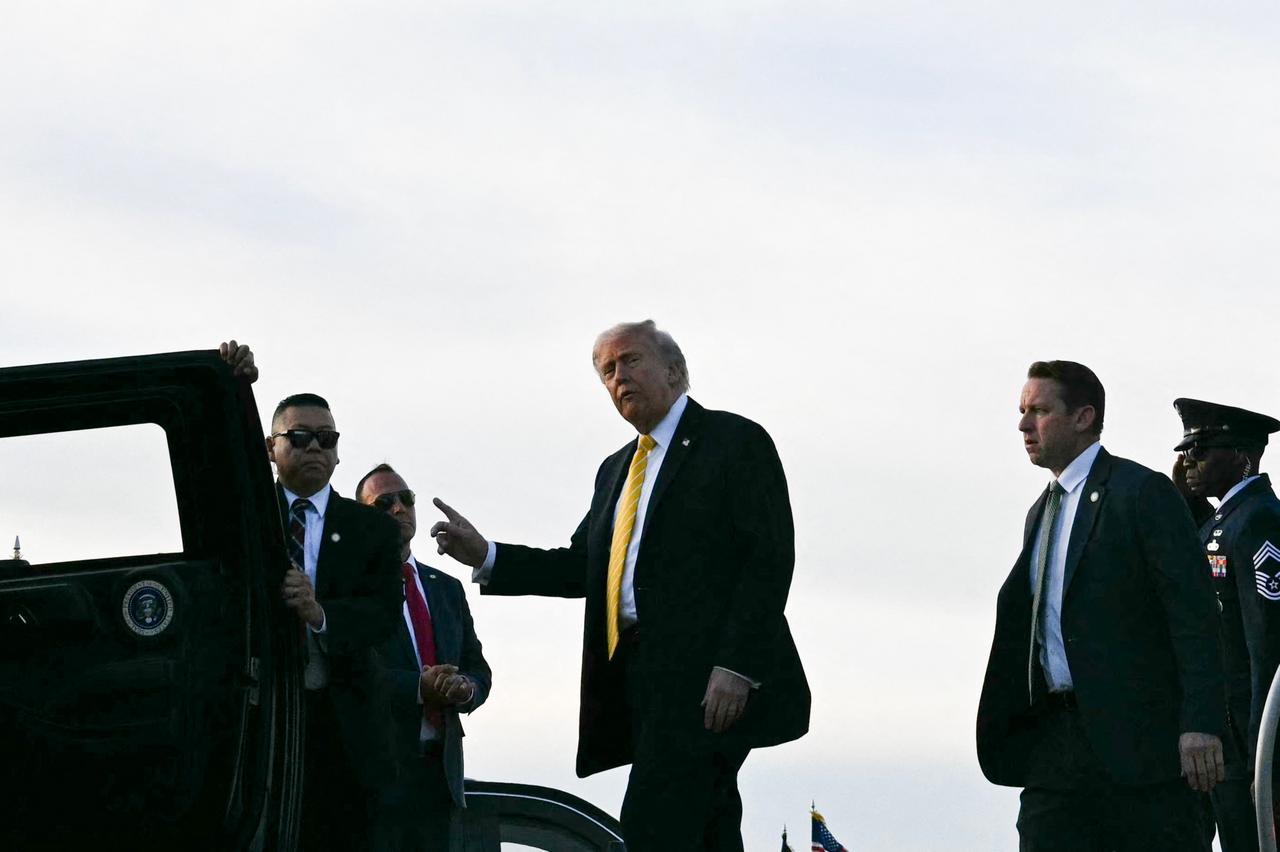

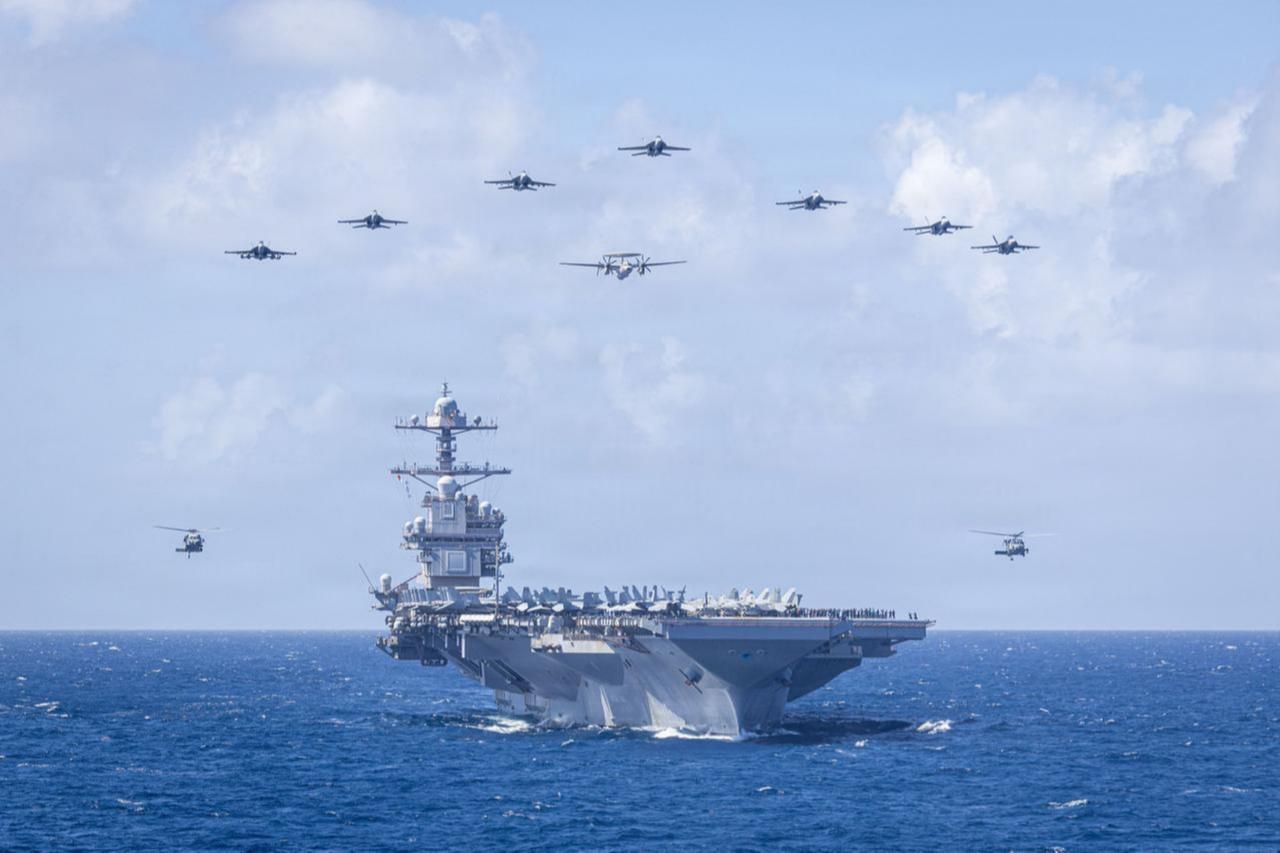
Despite declaring a day earlier to the U.S. Congress that hostilities had ended, Trump defended the ongoing naval blockade, describing it as a "very friendly" measure that remains unchallenged.
At the same time, Trump left the door open to renewed military action if tensions escalate.
"If they misbehave, if they do something bad — but right now, we’ll see. It’s a possibility that could happen, certainly," he said when asked about potential new strikes.
In a post on Truth Social, Trump cast doubt on the plan’s viability, stating he "can’t imagine that it would be acceptable" and arguing that Iran "has not yet paid a big enough price" for its actions over the past decades.
Talks between Tehran and Washington have remained stalled since a ceasefire took effect on April 8, after a round of negotiations in Pakistan failed to produce a breakthrough.
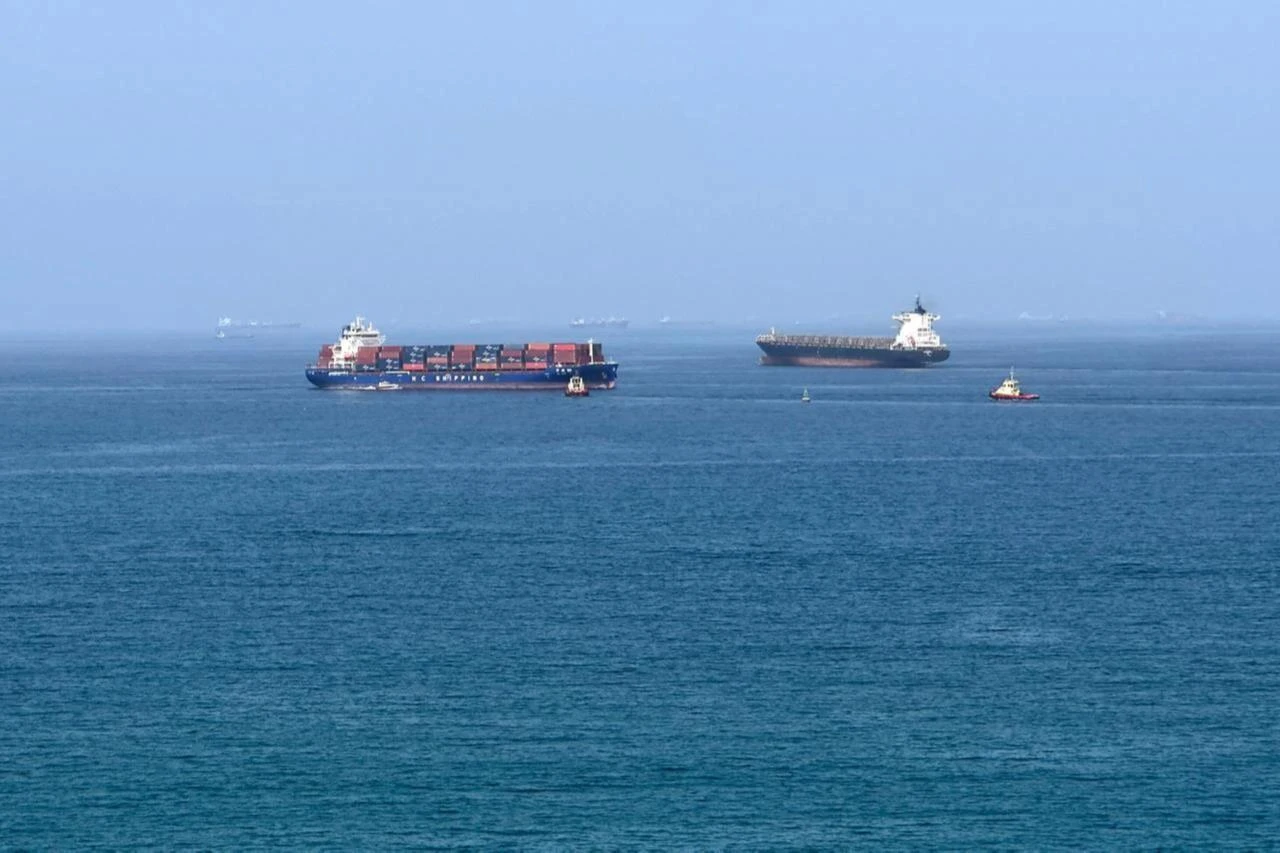
Since the war began, Iran has tightened its grip on the strait, disrupting key flows of oil, gas and fertilizer, while the U.S. has responded with a counter-blockade on Iranian ports to curb Tehran’s economic resources after initial negotiations failed, further worsening the situation.


 Set as preferred source
 Set as preferred source


 2 min read
 1 min read