Newsletters




Iran's proposal, rejected by U.S. President Donald Trump, would open the Strait of Hormuz and end the U.S. blockade while deferring nuclear talks to a later stage, a senior Iranian official told Reuters on Saturday.
Trump told reporters on Friday that he was "not satisfied" with Tehran's terms, saying "they're asking for things that I can't agree to," while describing the negotiations as "very disjointed."

The senior Iranian official, speaking anonymously to discuss confidential diplomacy, confirmed that Iran's formal proposal, conveyed through Pakistani mediators, contained the following framework:
"Under this framework, negotiations over the more complicated nuclear issue have been moved to the final stage to create a more conducive atmosphere," the official said to Reuters, describing the deferral as "a significant shift aimed at facilitating an agreement."
 1 min read
Trump rejected the proposal directly.
"They've got to come up with the right deal. At this moment, I'm not satisfied," he told reporters at the White House before departing Friday.
Asked to specify his objections: "They're asking for things that I can't agree to."
He described the broader negotiating dynamic as chaotic, saying, "Right now, we have negotiations going on. They're not getting there. They are very disjointed. They're not able to get along with each other as leaders. They don't know who the leader is. They all want to make a deal, but they're all messed up."
Trump praised Pakistani mediators but cautioned progress was slow: "The trip is a very long one." Despite "some strides," he said: "I'm not sure if they ever get there."
Speaking later in Florida, he said Iran was "not coming through with the kind of deal that we have to have. We're not going to leave early and have the problem arise in three more years."
He linked a potential deal to consumer energy prices: "When the war ends, gasoline prices will go down to below what they were."
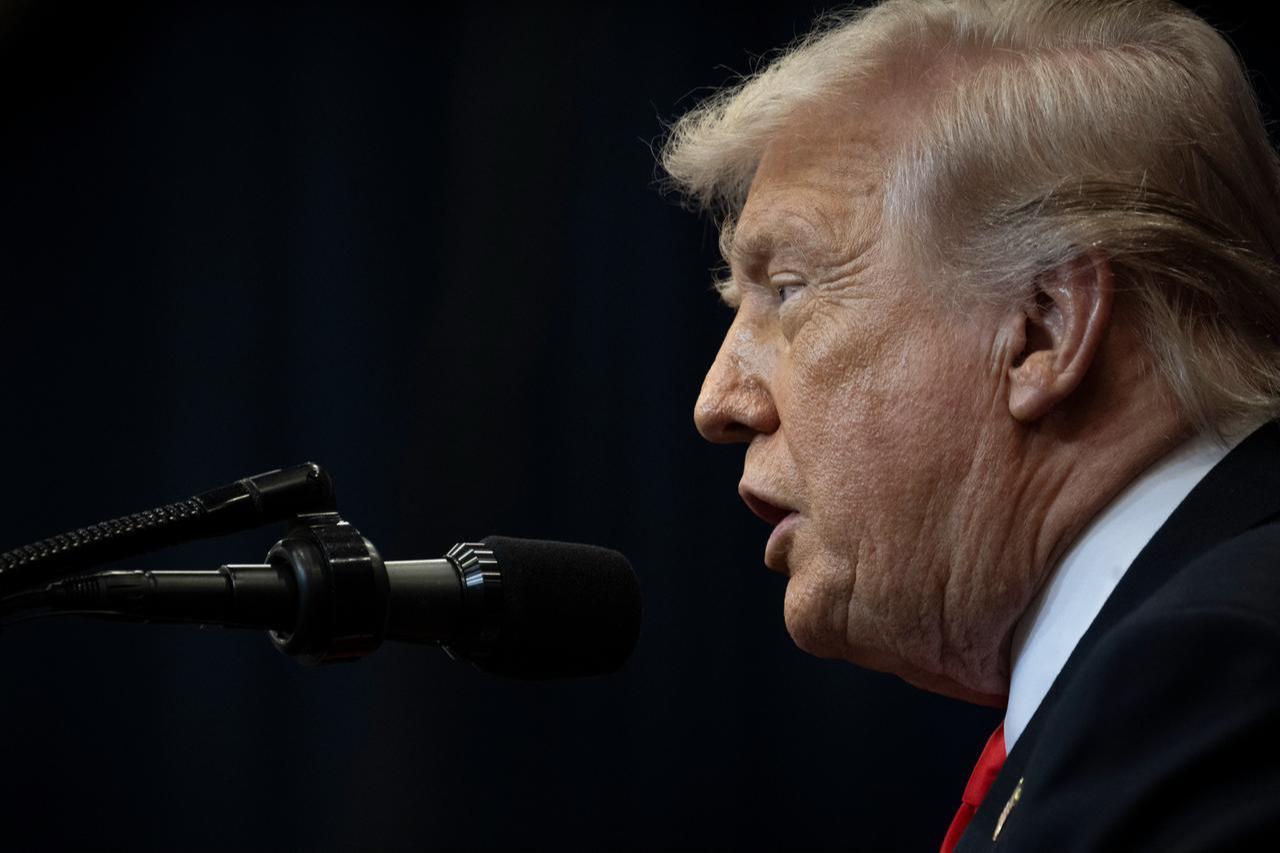
The U.S. and Israel launched strikes on Iran on Feb. 28, prompting retaliation from Tehran against Israel and U.S. allies in the Gulf, as well as the closure of the Strait of Hormuz.
A two-week ceasefire was announced on April 8 through Pakistani mediation and followed by direct talks in Islamabad on April 11-12, though no lasting agreement was reached.
U.S. President Donald Trump later extended the ceasefire without setting a new deadline, following a request from Pakistan.
Since April 13, the U.S. has imposed a naval blockade targeting Iranian maritime traffic in the waterway.


 Set as preferred source
 Set as preferred source


 1 min read