Newsletters


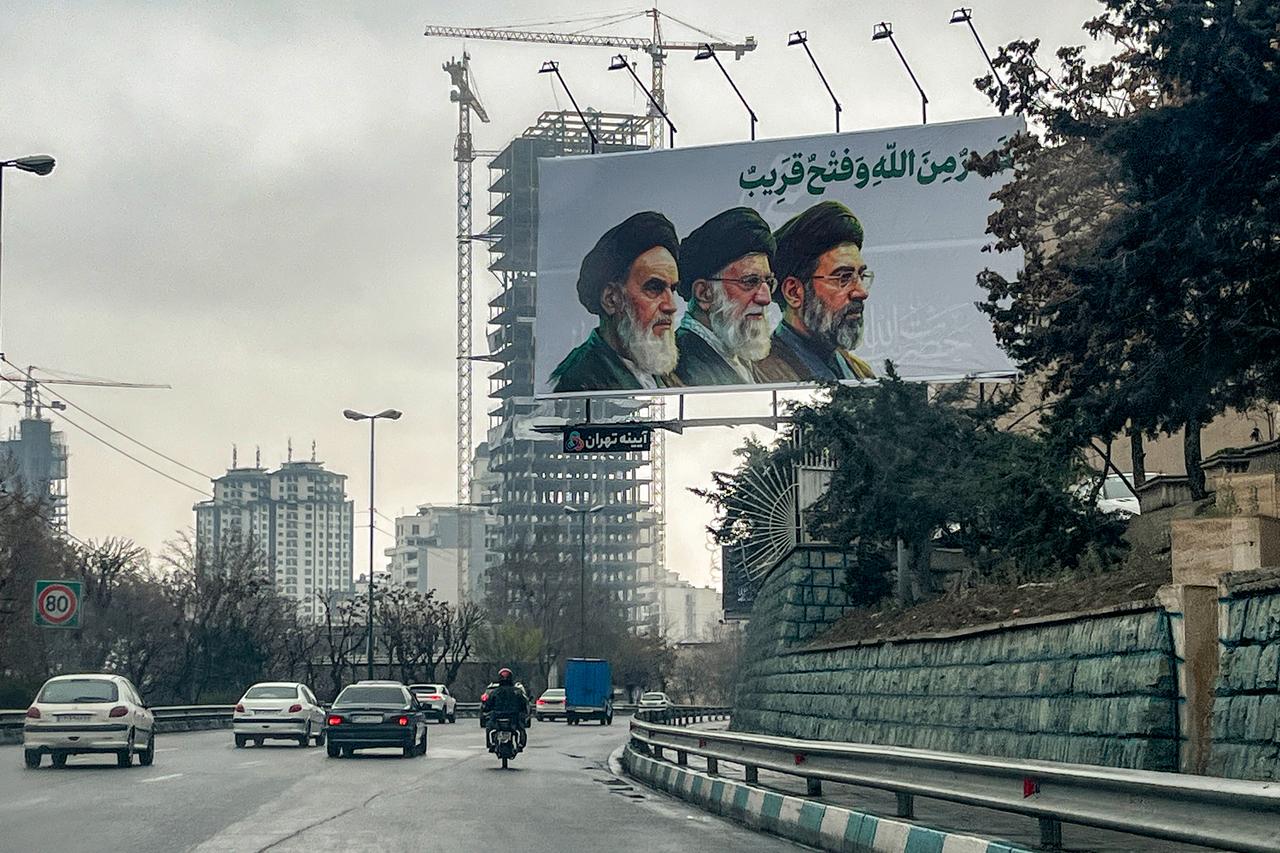


U.S. intelligence indicates that Iran's leadership is still largely intact and is not at risk of collapse any time soon after nearly two weeks of relentless U.S. and Israeli bombardment, according to three sources familiar with the matter who spoke to Reuters.
A "multitude" of intelligence reports provide "consistent analysis that the regime is not in danger" of collapse and "retains control of the Iranian public," said one of the sources, all of whom were granted anonymity to discuss U.S. intelligence findings.
The latest report was completed within the last few days.
The intelligence reporting underscores the cohesion of Iran's clerical leadership despite the killing of Supreme Leader Ali Khamenei on Feb. 28, the first day of the U.S. and Israeli strikes.
Israeli officials in closed discussions also have acknowledged "there is no certainty the war will lead to the clerical government's collapse," a senior Israeli official told Reuters.
The sources stressed that the situation on the ground is fluid and that the dynamics inside Iran could change.

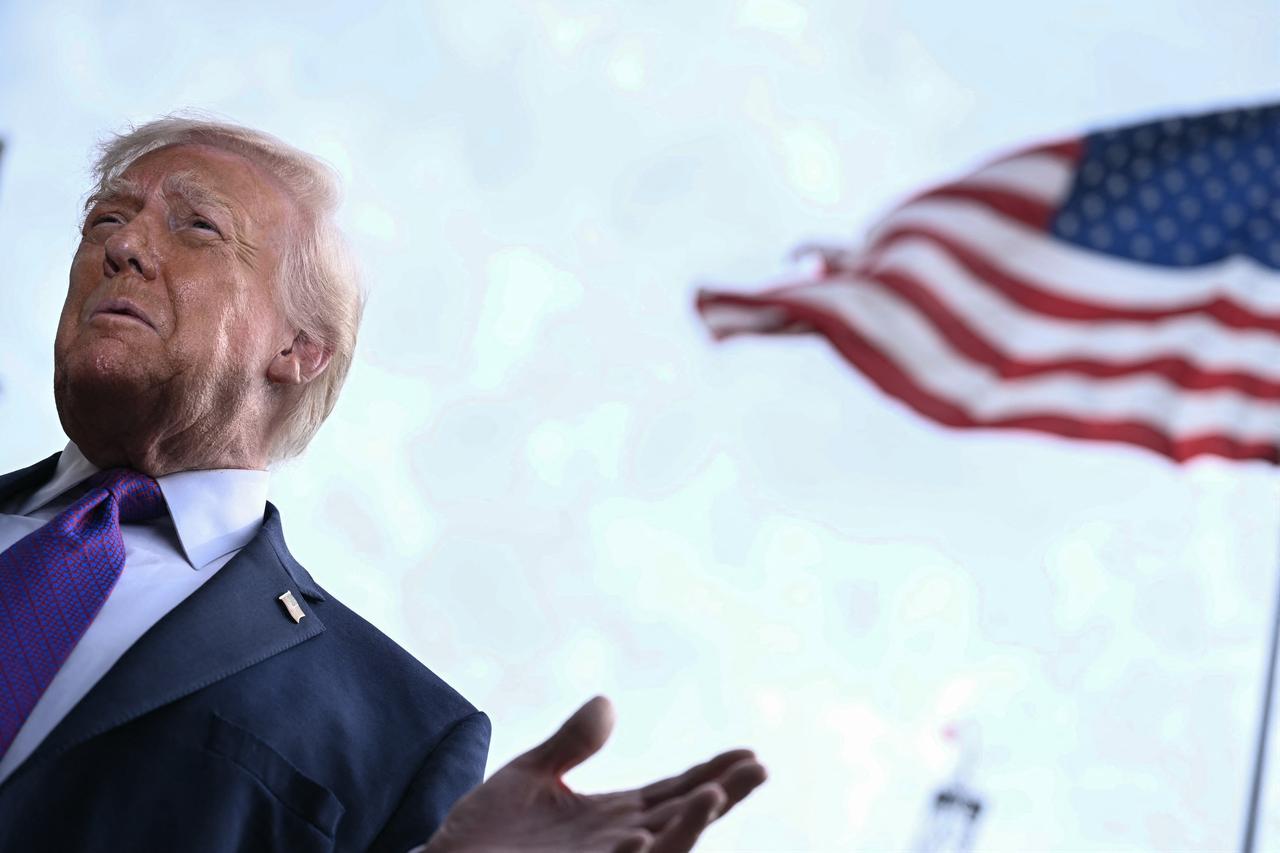
With political pressure building over soaring oil costs, U.S. President Donald Trump has suggested he will end the biggest U.S. military operation since 2003 "soon." But finding an acceptable end to the war could be difficult if Iran's hardline leaders remain firmly entrenched.
Since launching their war, the U.S. and Israel have struck a range of Iranian targets, including air defenses, nuclear sites, and members of the senior leadership.
The Trump administration has given varying reasons for the war. In announcing the beginning of the U.S. operation, Trump urged Iranians to "take over your government," but top aides have since denied that the objective was to oust Iran's leadership.
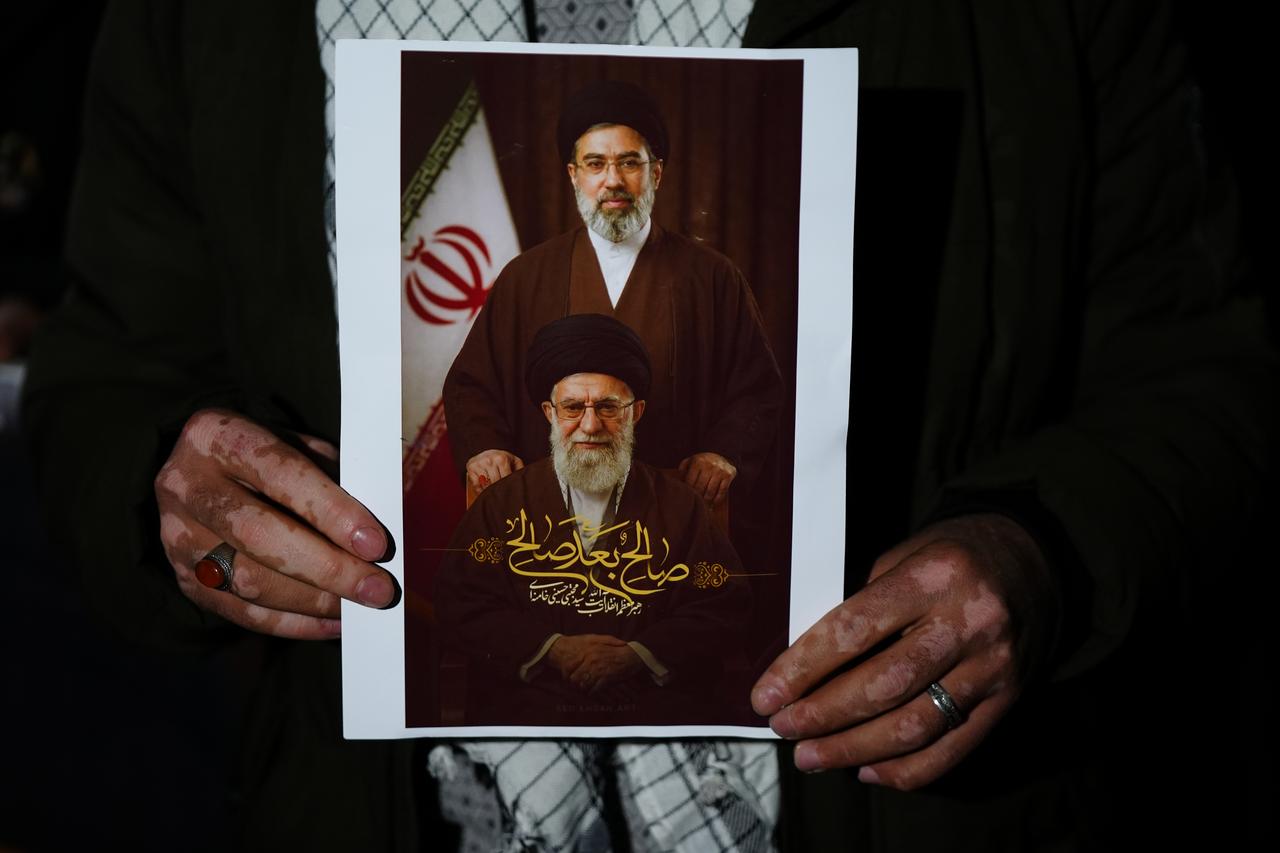
In addition to Khamenei, the strikes have killed dozens of senior officials and some of the highest-ranking commanders in the Islamic Revolutionary Guard Corps (IRGC). Still, the U.S. intelligence reports indicate that the IRGC and the interim leaders who assumed power after Khamenei's death retain control of the country.
The Assembly of Experts, a group of senior Shiite clerics, declared Khamenei's son, Mojtaba, the new supreme leader.
"Israel has no intention of allowing any remnants of the former government to stay intact," said a fourth source familiar with the matter.
It is unclear how the current U.S.-Israeli military campaign would topple the government.
A ground offensive would be required to allow regime change. "It would likely require a ground offensive that would allow people inside Iran to safely protest in the streets," said the source. The Trump administration has not ruled out sending U.S. troops into Iran.
A classified National Intelligence Council report completed March 7 concluded that even a large-scale U.S. military offensive would be unlikely to overthrow Iran's military and clerical power structure, according to The Washington Post, citing three sources familiar with the classified document.
 2 min read
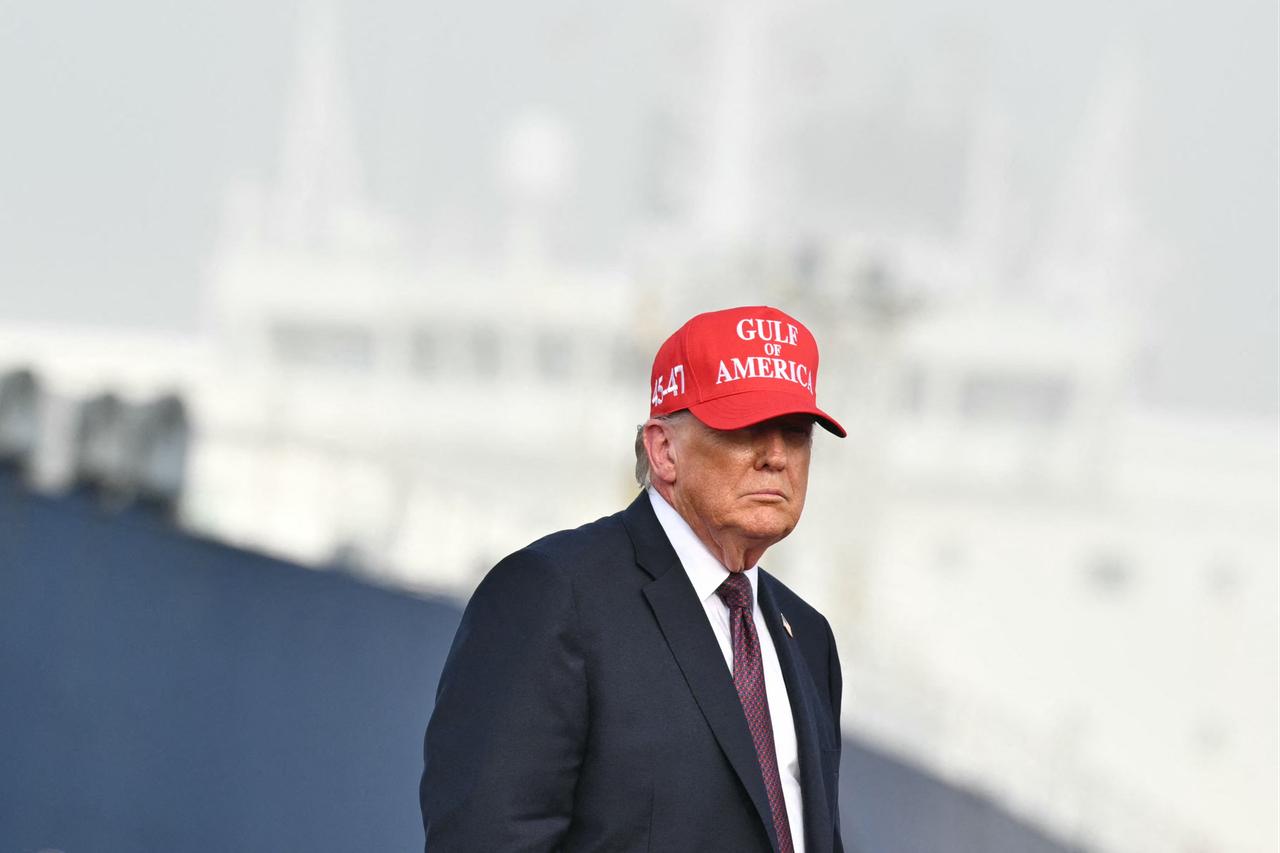
The assessment undercuts Trump's assertion that he could "clean out" Iran's leadership and install a preferred successor, indicating such an outcome would be far from certain.
The National Intelligence Council comprises senior analysts responsible for producing classified assessments that reflect the consensus of all 18 U.S. intelligence agencies.
The intelligence assessment indicated that even if Iran's Supreme Leader Ali Khamenei were killed, the country's military and clerical leadership would likely follow established succession mechanisms to preserve the existing power structure.
Sources said it was "unlikely" that Iran's fragmented opposition would be able to seize power.
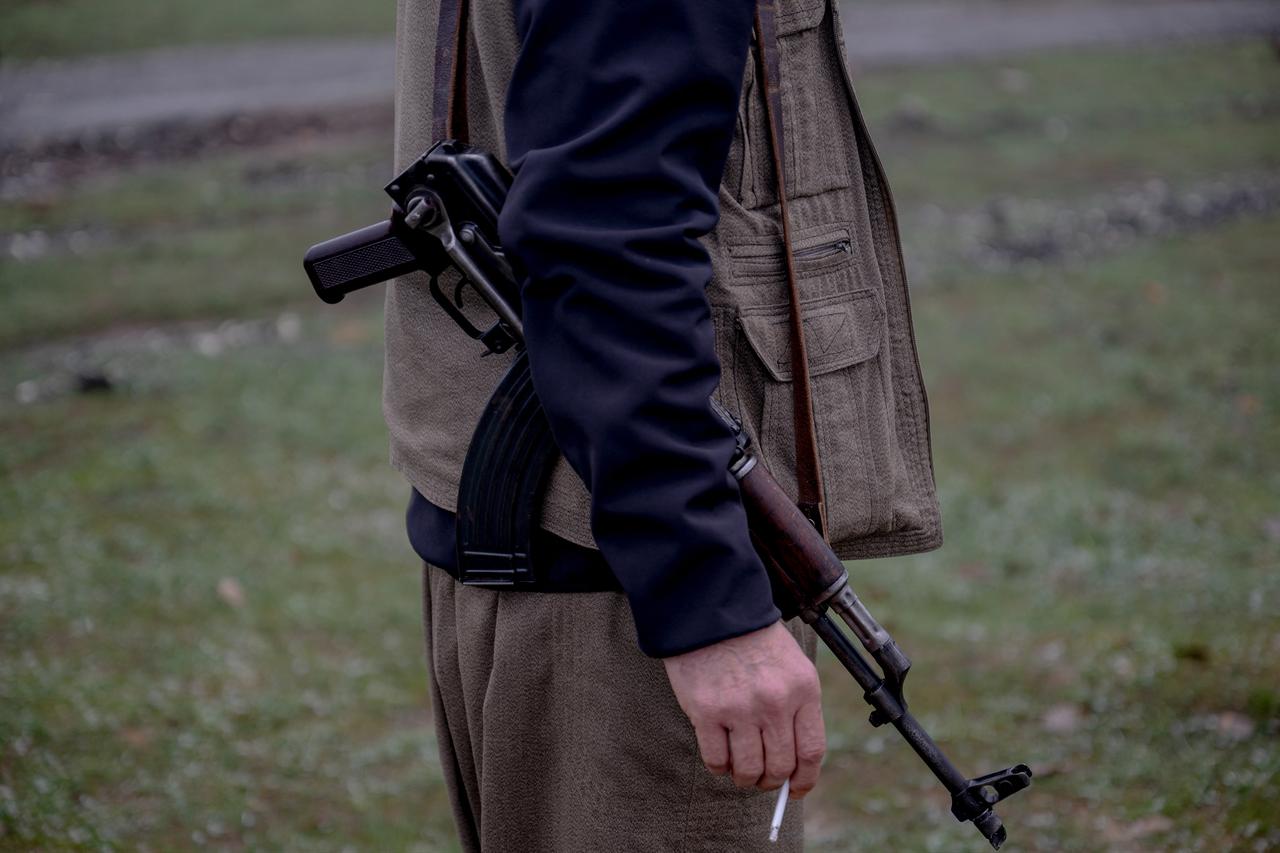
Reuters reported last week that Iranian Kurdish militias based in neighboring Iraq consulted with the U.S. about how and whether to attack Iran's security forces in the western part of the country.
Recent U.S. intelligence reports have cast doubt on the ability of the Iranian Kurdish groups to sustain a fight against Iranian security services, according to two sources familiar with those assessments.
The intelligence indicates that the groups lack the firepower and numbers.
The Iranian Kurdish groups have in recent days asked senior officials in Washington and U.S. lawmakers for the U.S. to provide them with weapons and armored vehicles, according to another person familiar with the matter. But Trump said Saturday that he had ruled out having the Iranian Kurdish groups go into Iran.
Iranian President Masoud Pezeshkian said Wednesday the only way to end the ongoing conflict between the U.S., Israel and Iran is through recognizing his country's "legitimate rights" and firm international guarantees against "future aggression."
In a post on X, Pezeshkian said he spoke to leaders of Russia and Pakistan. "I reaffirmed Iran's commitment to peace in the region. The only way to end this war—ignited by the Zionist regime & U.S.—is recognizing Iran's legitimate rights, payment of reparations, and firm int'l guarantees against future aggression," he added.
Senate Minority Leader Chuck Schumer said Wednesday that Americans do not want a war in the Middle East and are demanding answers from the Trump administration as casualties for U.S. troops continue to rise.
Speaking on the Senate floor, Schumer said 140 American service members have been wounded since Feb. 28, including eight seriously, while eight have been killed in the line of duty.
Schumer said thousands in the Middle East have been killed, including 170 in an all-girls elementary school. "That initial report suggested may have been the result of U.S. operations," he said, demanding a "full, transparent and independent" investigation of what happened at the school and why so many civilians were killed.
The New York Democrat said the growing toll, combined with rising tensions and economic concerns at home, has left many Americans questioning the purpose of the conflict.
"Through all this change, all this chaos, higher gas prices, rising casualties, increased hostilities, Americans are asking a very simple question: Why? Why is America at war? Americans certainly don't want war. Americans didn't ask for this," he said.
Schumer accused U.S. President Donald Trump of offering shifting explanations for the operation against Iran.
"First, it was regime change, then it was about Iran's nuclear program. Then it was to get rid of Iran's navy. Then it was regime change again. Then they say it's defensive. Depending on who you ask, we're either near the end of the war or we're just getting started," he noted.
He criticized the White House's contradictory messaging about the direction of the conflict. "And if you ask Donald Trump if we're at the end of the war or the beginning, he says it's both. This insanity must stop," Schumer said.
Schumer also stated that the Senate must have public hearings to question senior administration officials about the strategy and objectives of the war.
He specifically urged officials, including Secretary of State Marco Rubio and Pentagon chief Pete Hegseth, to testify before lawmakers under oath.
"The American people deserve answers," he added.


 Set as preferred source
 Set as preferred source


 1 min read