Newsletters


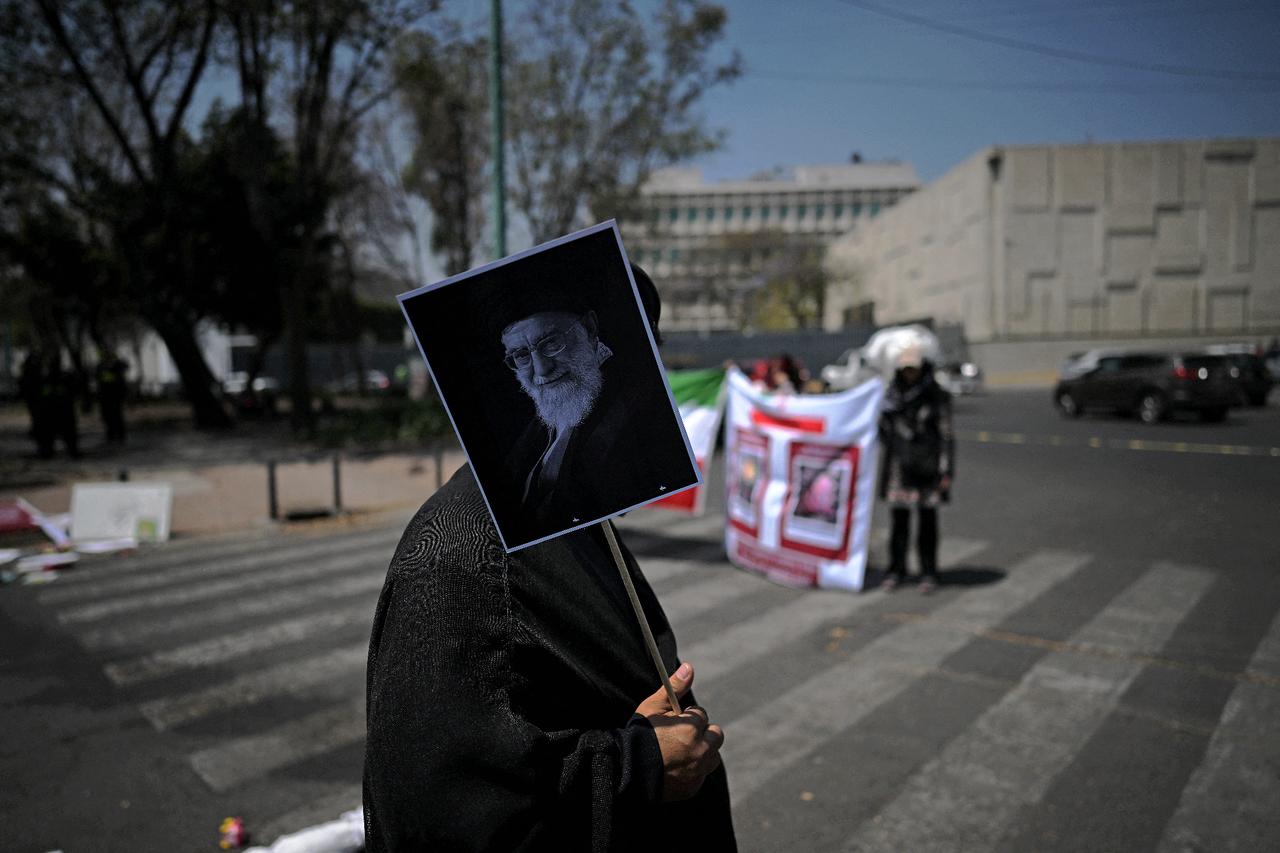


A classified U.S. intelligence report concluded that even a large-scale military assault on Iran would be unlikely to remove the country’s entrenched clerical and military leadership, according to a report by The Washington Post.
The assessment was produced by the National Intelligence Council, a body of senior analysts that compiles intelligence evaluations representing the views of Washington’s 18 intelligence agencies.
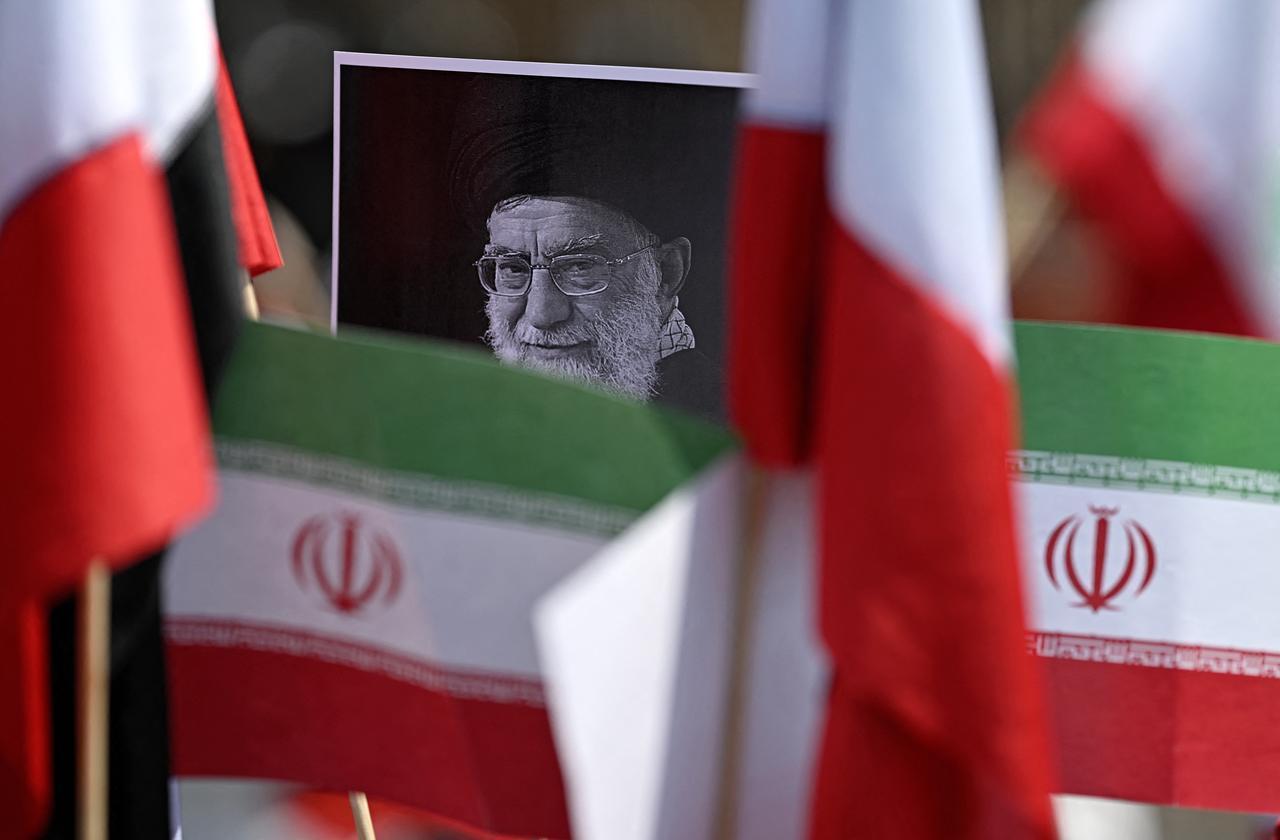

According to people familiar with the report’s contents, the analysis found that Iran’s fragmented opposition would be unlikely to take power following either a limited or an extended U.S. military campaign.
The report was completed about a week before the U.S. and Israel launched their war against Iran on Feb. 28.
It examined possible succession scenarios following either a narrowly targeted campaign against Iran’s leadership or a broader assault on its governing institutions.
In both scenarios, intelligence analysts concluded that Iran’s clerical and military establishment would likely follow existing protocols to preserve continuity of power after the killing of Supreme Leader Ayatollah Ali Khamenei.
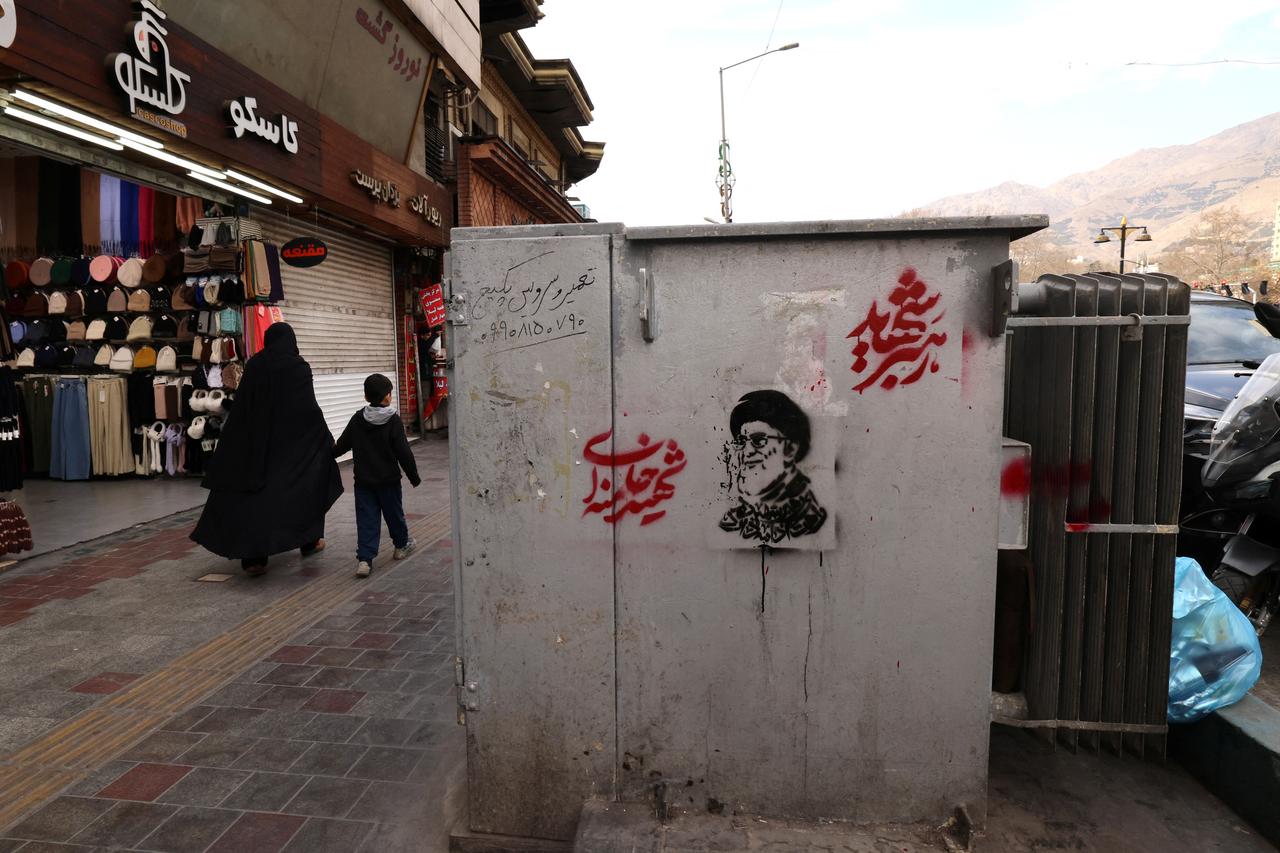
The findings raise questions about U.S. President Donald Trump’s plan to “clean out” Iran’s leadership and install a new ruler.
The White House did not say whether Trump was briefed on the intelligence assessment before approving the military operation.
White House spokeswoman Anna Kelly said the administration’s goals remain focused on weakening Iran’s military capabilities.
“President Trump and the administration have clearly outlined their goals about Operation Epic Fury: destroy Iran’s ballistic missiles and production capacity, demolish their navy, end their ability to arm proxies, and prevent them from ever obtaining a nuclear weapon,” Kelly said.
“The Iranian regime is being absolutely crushed.”
The intelligence report anticipated that Iran’s succession process would be handled by the Assembly of Experts, the powerful clerical body responsible for selecting the country’s supreme leader.
Members of the Islamic Revolutionary Guard Corps also hold influence in the process.
There has been speculation that Mojtaba Khamenei, the son of the late supreme leader, could be chosen as successor.
According to a Western security official, the Islamic Revolutionary Guard Corps has pushed his candidacy but faced resistance from other figures, including Ali Larijani, secretary of Iran’s Supreme National Security Council.
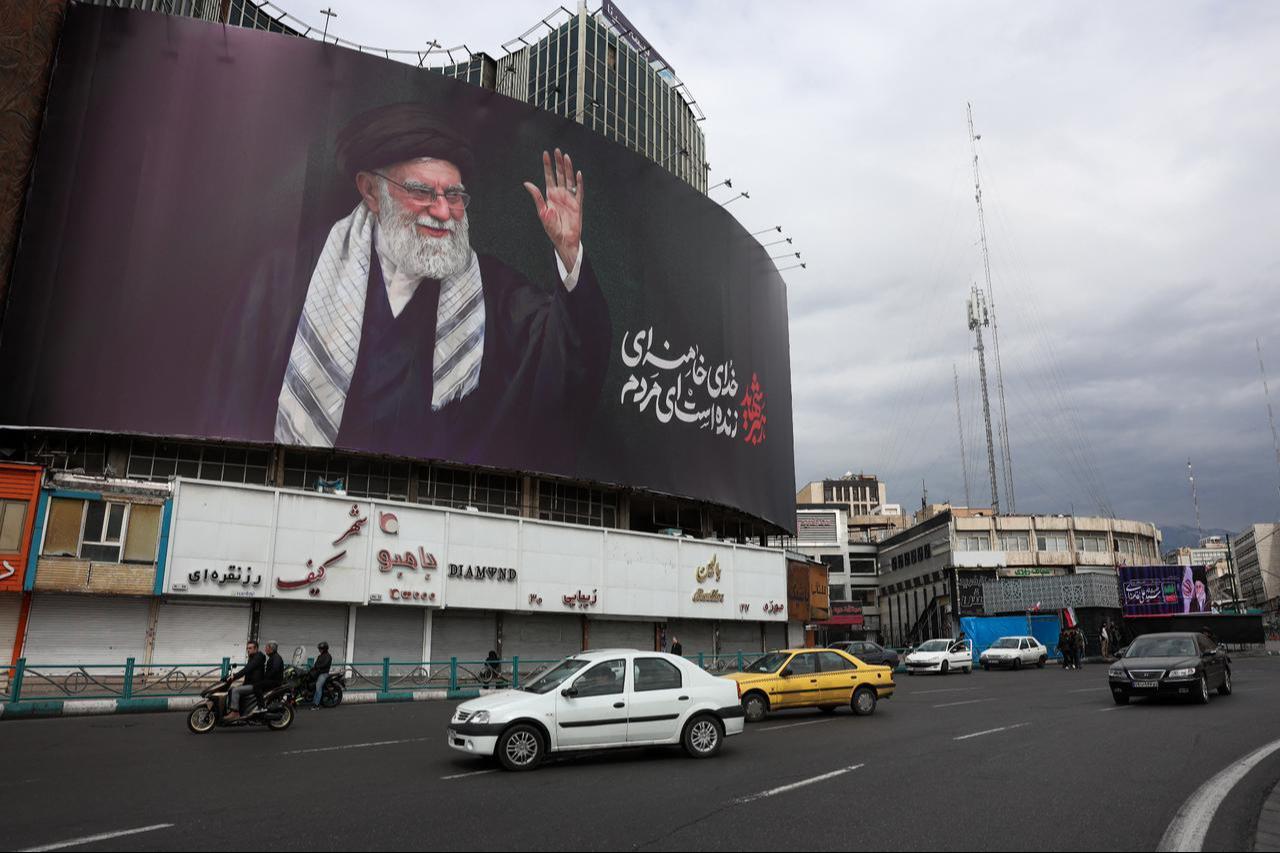
U.S. intelligence officials and analysts say there is little sign so far of a large popular uprising inside Iran or major divisions within its government or security forces.
Iran’s security forces killed thousands of protesters during demonstrations in January triggered by economic conditions in the country.
Suzanne Maloney, an Iran specialist at the Brookings Institution, said the intelligence assessment reflects the strength of Iran’s institutions.
“It sounds like a deeply informed assessment of the Iranian system and the institutions and processes that have been established for many years,” she said.
Holly Dagres, a senior fellow at the Washington Institute for Near East Policy, said Iran’s clerical leadership is unlikely to accept U.S. pressure.
“Bending the knee to Trump would go against everything they stand for,” Dagres said.
Experts said that even if Iran’s government weakens, the current leadership still holds enough authority to maintain control inside the country.


 Set as preferred source
 Set as preferred source


 3 min read
 1 min read