Newsletters


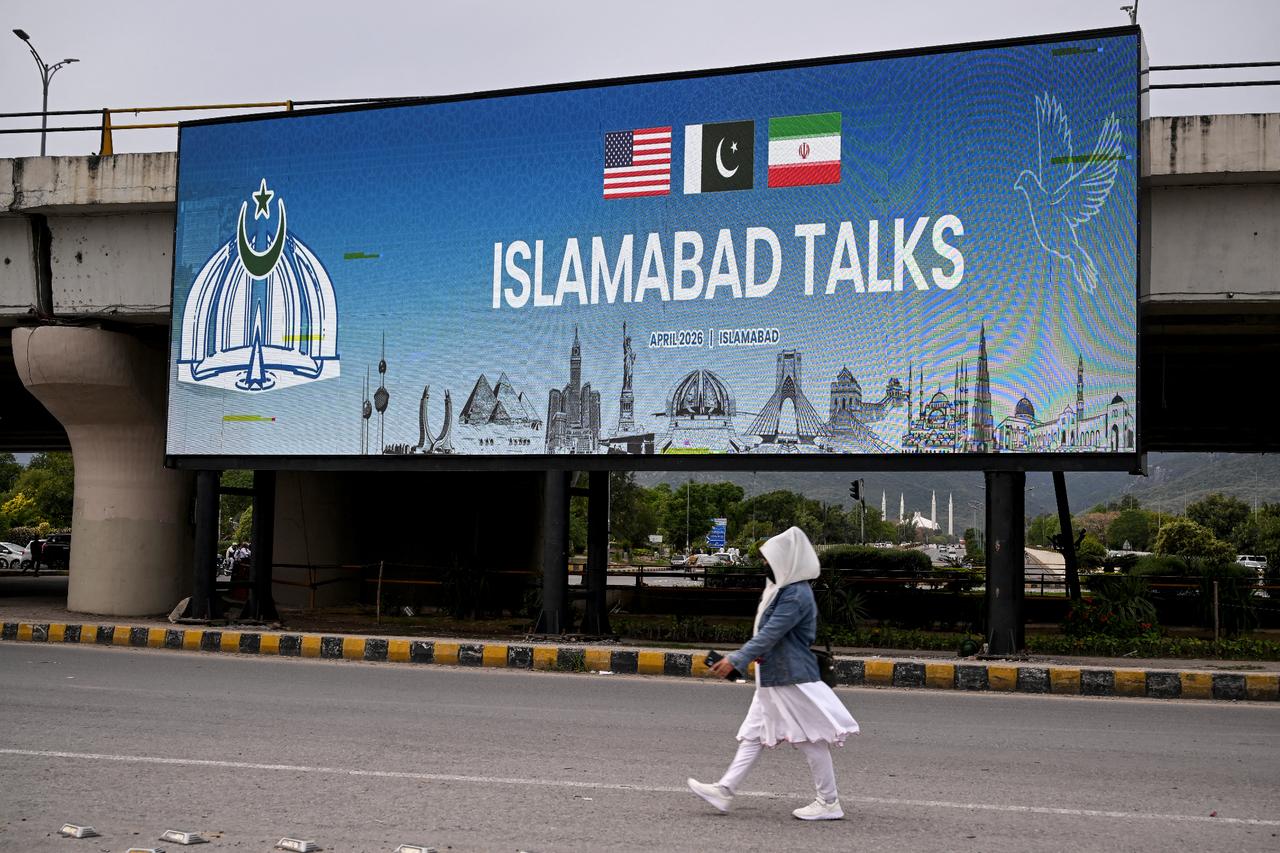


U.S. President Donald Trump opened a new phase of pressure on Iran with another blunt threat, arguing that Tehran holds little leverage beyond disrupting global shipping through restrictions on the Strait of Hormuz ahead of talks in Pakistan.
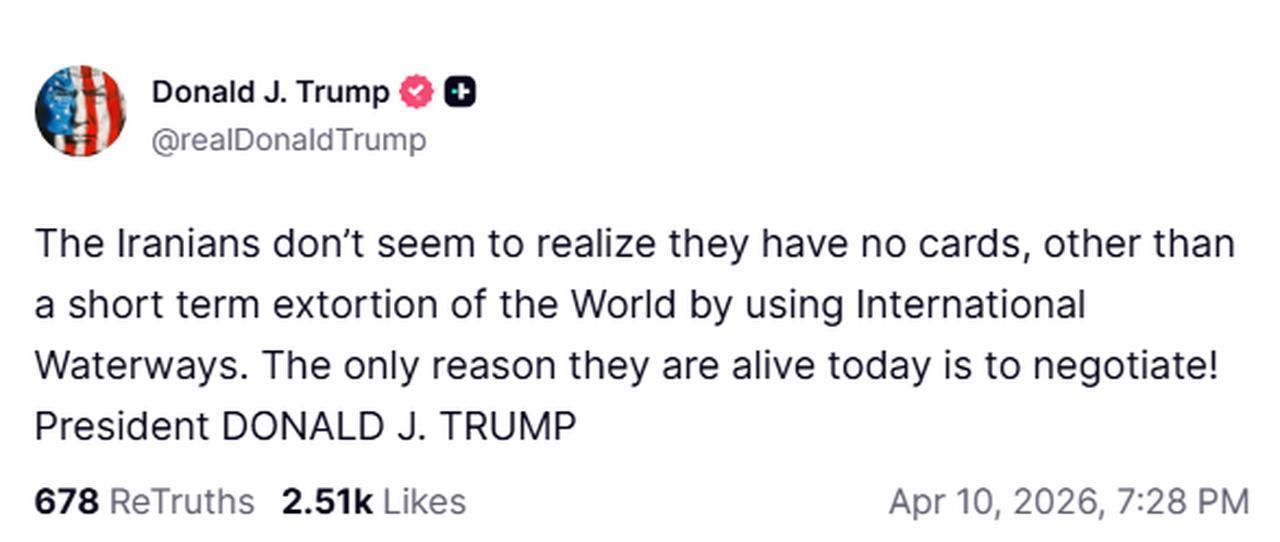
"The only reason they are alive today is to negotiate!" Trump wrote on Truth Social on Friday, calling shipping restrictions on the strait that have crippled energy markets "short-term extortion."

The statement came ahead of U.S.-Iran negotiations set to unfold in Islamabad, where Vice President JD Vance is leading the U.S. delegation alongside Special Envoy Steve Witkoff and Jared Kushner, following a fragile two-week ceasefire agreed by both sides on Wednesday.
Trump had described Iran’s 10-point proposal as "a workable basis on which to negotiate," adding that the Strait of Hormuz would be reopened to shipping traffic immediately.
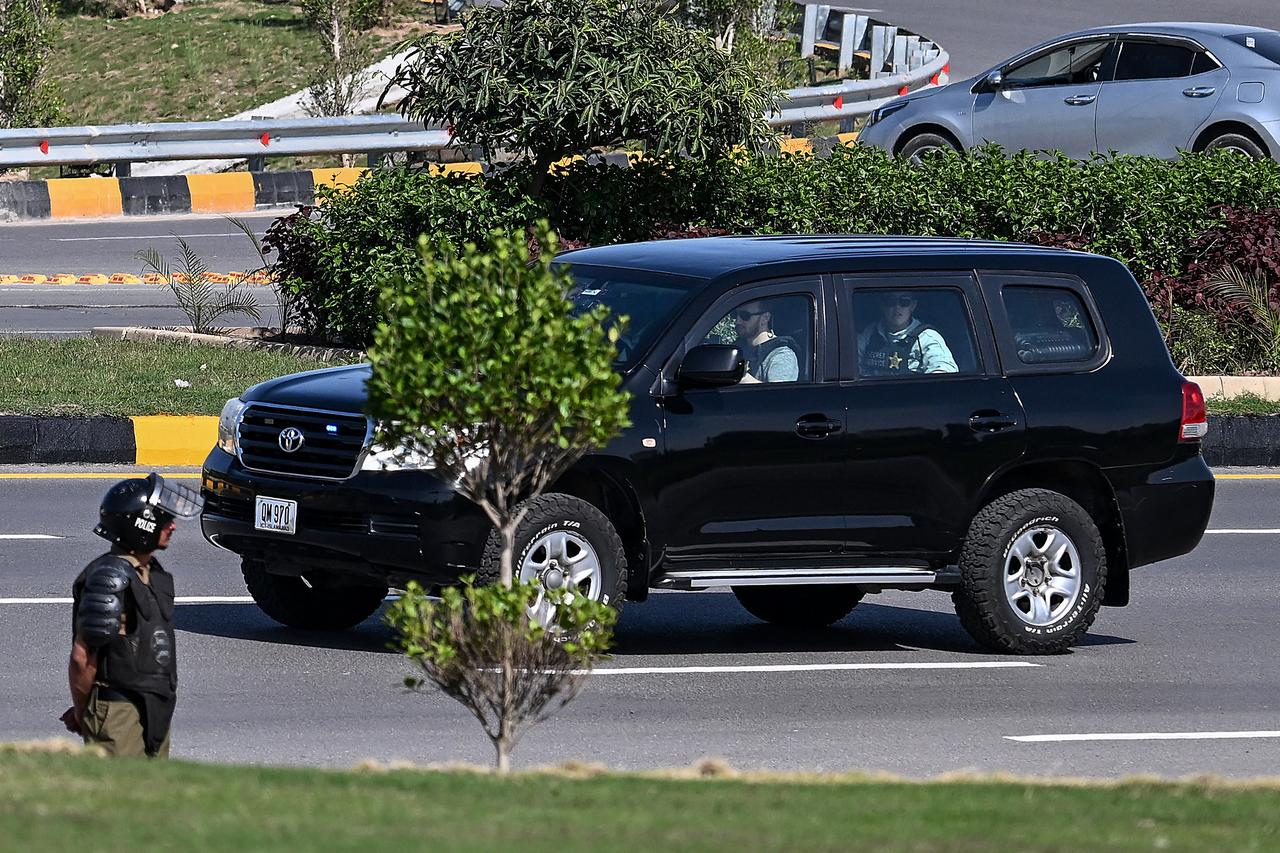
However, traffic through the strait remains limited, with Iranian media reporting that restrictions have been reimposed, citing continued Israeli attacks on Lebanon.
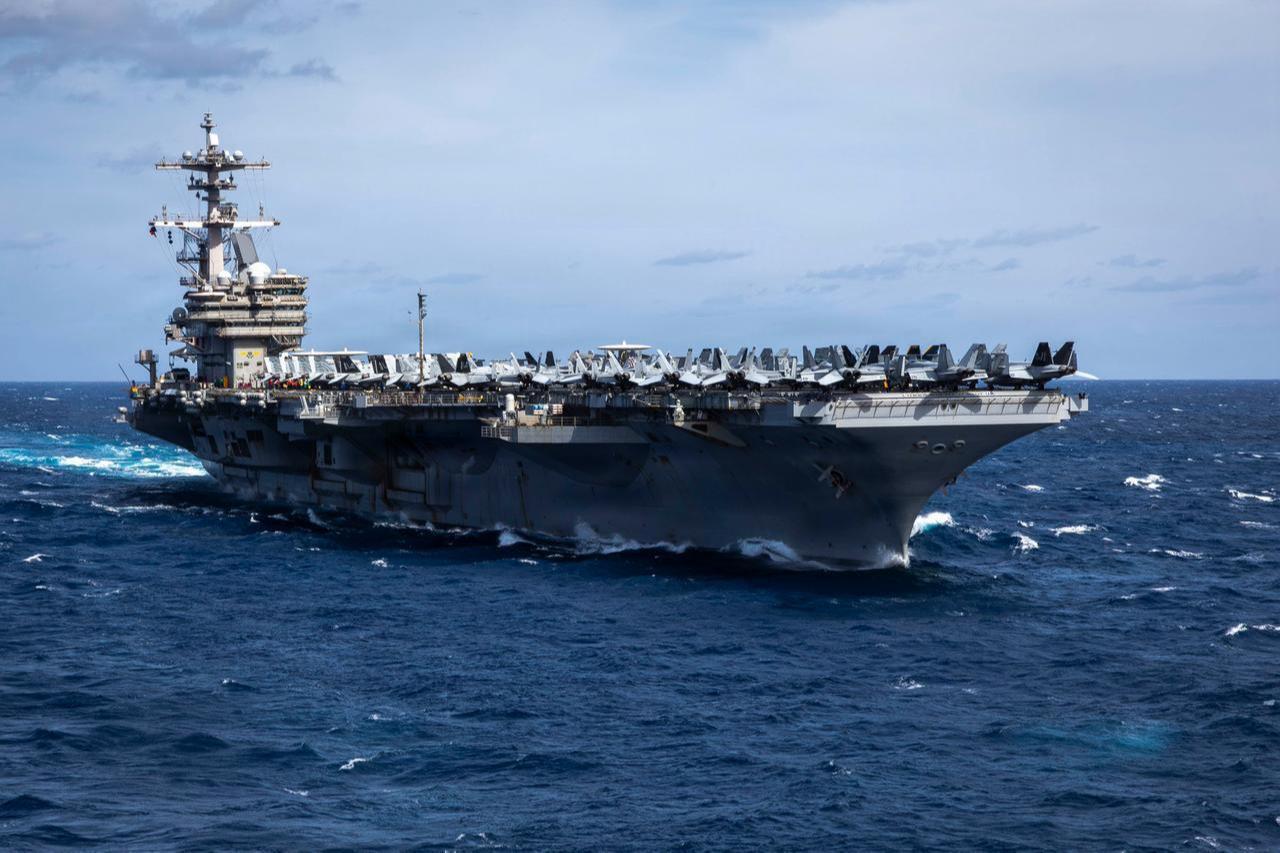
Earlier the same day, Trump told the New York Post that U.S. forces had stepped up war preparations in case the talks collapse. "We have a reset going. We’re loading up the ships with the best ammunition, the best weapons ever made," he said.
The weapons exceed those used in previous operations, he added, pointing to the possibility of expanded military strikes if the talks fail to deliver results.
Trump indicated a rapid outcome is expected. "We’re going to find out in about 24 hours. We’re going to know soon," he said.
"And if we don’t have a deal, we will be using them, and we will be using them very effectively," the U.S. president added.
Iran is expected to send Foreign Minister Abbas Araghchi and Parliament Speaker Mohammad Bagher Ghalibaf, who stated Friday that two agreed measures remain unfulfilled, namely a ceasefire in Lebanon and the release of Iran’s blocked assets before negotiations.
The talks are expected to center on U.S. demands for Iran to hand over approximately 1,000 pounds of enriched uranium, reopen the Strait of Hormuz to global shipping, and curb its missile program and regional activities.
Iran has consistently defended its right to enrich uranium, a position that continues to complicate the negotiations.


 Set as preferred source
 Set as preferred source


 2 min read
 1 min read