Newsletters


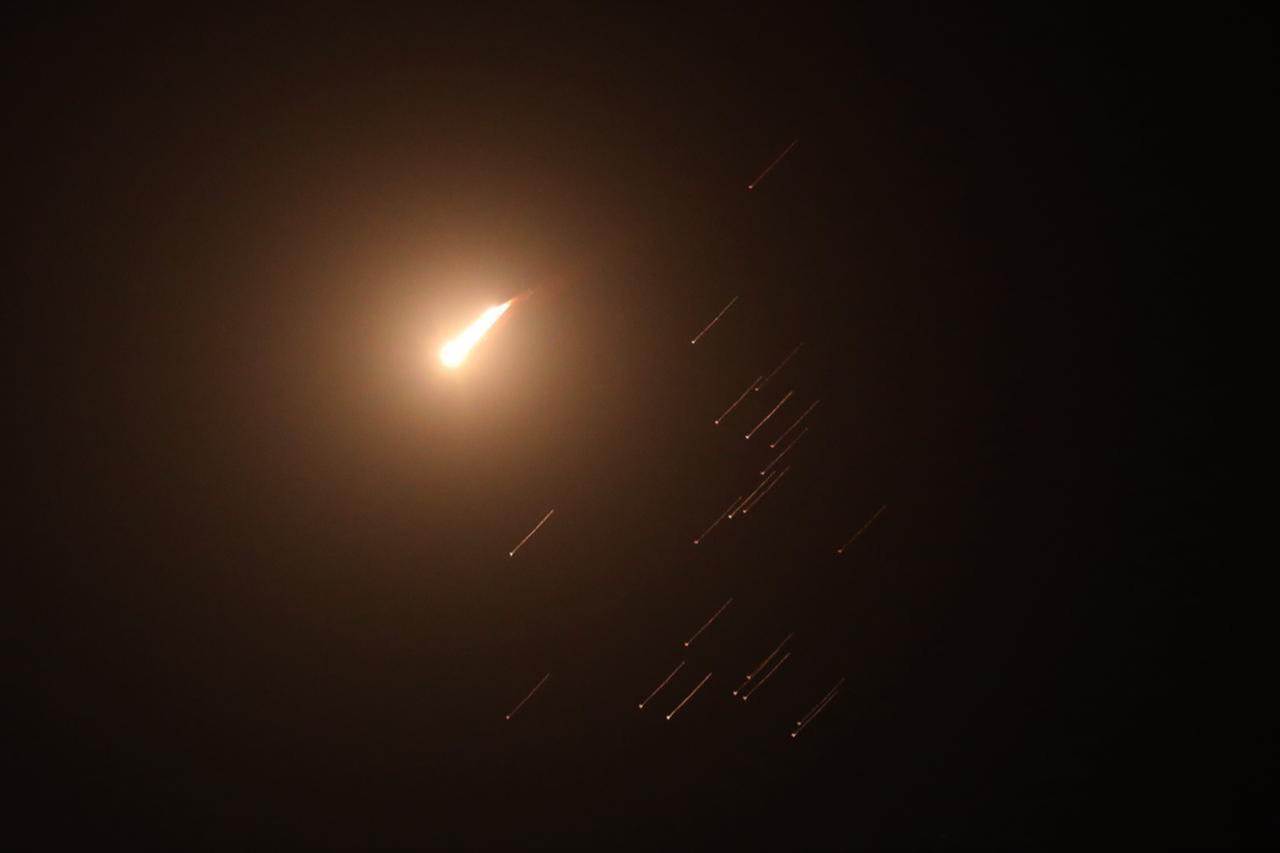


A building in the southern Israeli city of Dimona collapsed on Saturday after it was struck by falling interception debris from an earlier Iranian ballistic missile attack, Israel's Fire and Rescue Services confirmed, as emergency crews fanned out across at least 12 separate sites in the city to search for casualties.
Twenty people sustained light injuries across Dimona from the impact, according to preliminary reports. Israeli Channel 12 News reported that a cluster munition missile and a separate ballistic missile struck the area, though it remained unclear whether the building collapse resulted from a direct hit or from fragments of intercepted projectiles.
Fire and rescue teams were sweeping the affected zones as reports continued to develop, with the situation described as ongoing.
The strikes on Dimona came as part of a sustained Iranian missile campaign that has targeted the Negev Desert city repeatedly. The Iranian missile that triggered sirens in Dimona and nearby towns was likely intercepted according to preliminary military assessments, marking the fifth Iranian attack on Israel since midnight.
Medics and rescue forces responded to reports of an impact in Dimona following Iran's latest ballistic missile fire, though it was not immediately clear whether the reports referred to a direct missile strike or falling fragments following an interception.
The attacks on southern Israel coincided with Hezbollah rocket fire from Lebanon targeting northern Israel, with sirens sounding simultaneously in the Western Galilee region around Nahariya.
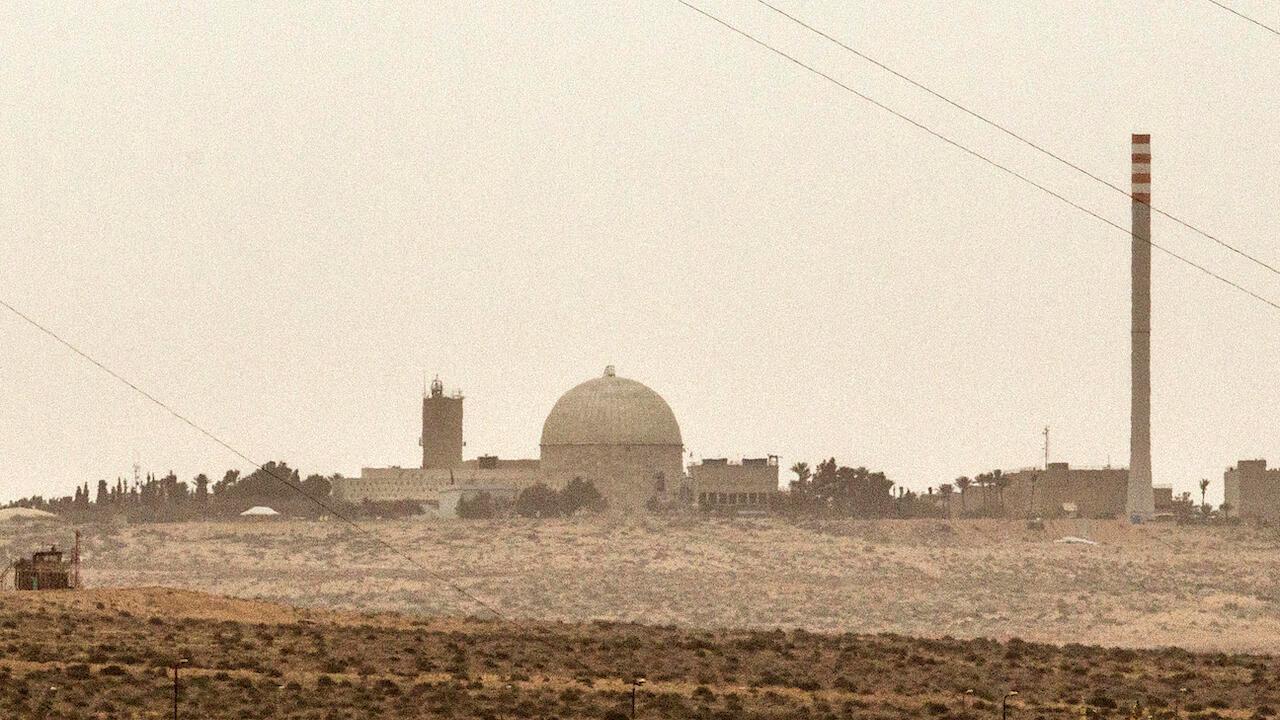

Dimona holds particular significance in the broader conflict. The city is located near the Shimon Peres Negev Nuclear Research Center, which is widely believed to be central to Israel's undeclared nuclear weapons program. Israel maintains a longstanding policy of nuclear ambiguity, neither confirming nor denying the existence of such weapons.
The facility, located in the Negev, is among the most heavily defended locations in the country, protected by a multi-layered air defense network. Earlier this month, Iran threatened to target the Dimona nuclear site if Israel and the United States pursued regime change in the Islamic Republic, according to reports from semi-official ISNA news agency citing an Iranian military official.
The research center was built with French assistance in the late 1950s. Israel initially concealed the facility's military purpose for years, at one point describing it to American officials as a textile factory.


 Set as preferred source
 Set as preferred source


 4 min read