Newsletters


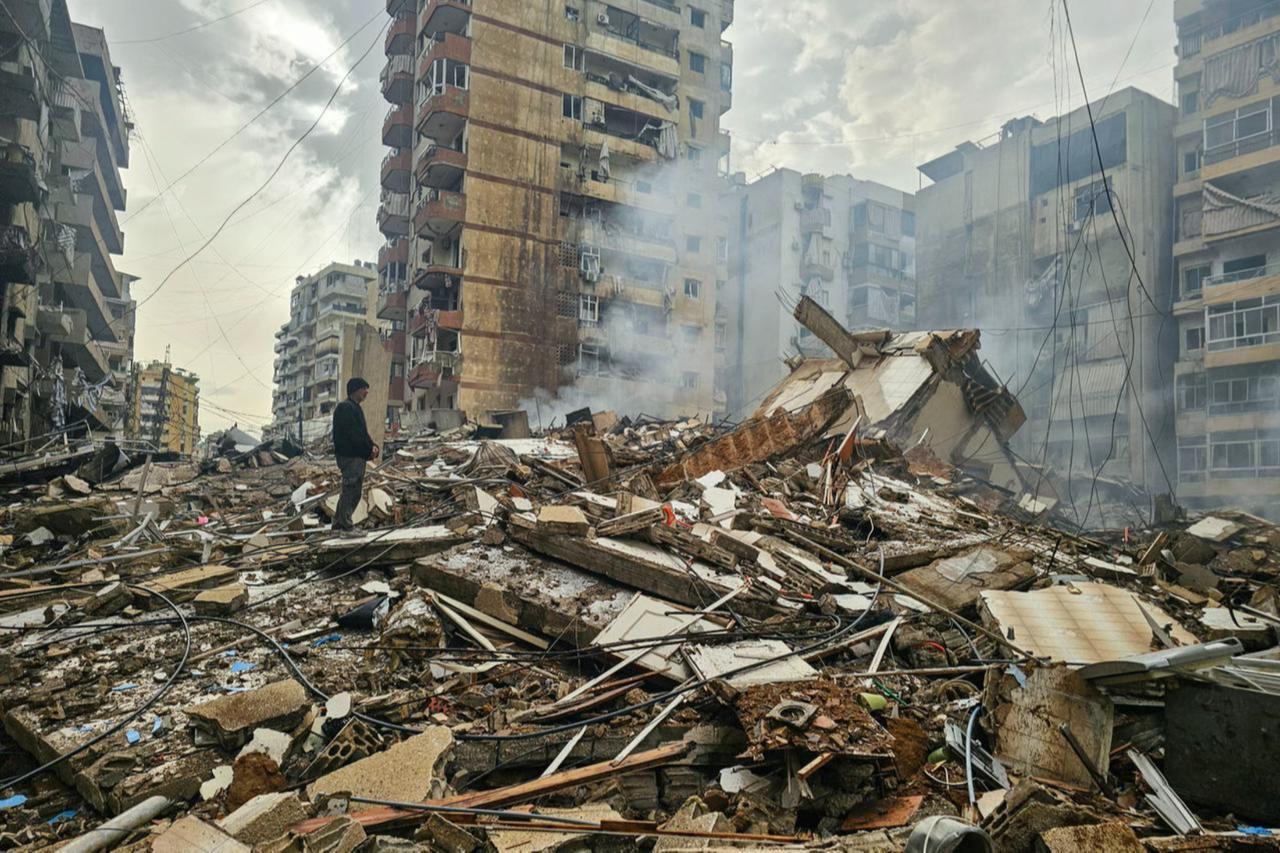


Israel's finance minister has called for the country to extend its border with Lebanon all the way to the Litani River, in the most explicit territorial claim yet by a senior Israeli official as the military escalates its assault on the country's south, destroying bridges and demolishing homes across the region.
Bezalel Smotrich, leader of the far-right Religious Zionist Party and a key coalition partner in Prime Minister Benjamin Netanyahu's government, told an Israeli radio program on Monday that the military campaign in Lebanon must conclude with a fundamental shift, not just a weakened Hezbollah but redrawn borders. "I say here definitively...in every room and in every discussion, too: the new Israeli border must be the Litani," Smotrich said.
The Litani River, Lebanon's longest waterway at roughly 170 kilometres, runs roughly parallel to the Israeli-Lebanese border at a distance of up to 28 kilometres in its central stretch and as close as six kilometres in the east. The territory south of the river covers approximately 850 square kilometres and is home to some 200,000 residents. Absorbing this land would represent a dramatic expansion of Israeli-held territory deep into a neighbouring sovereign state.
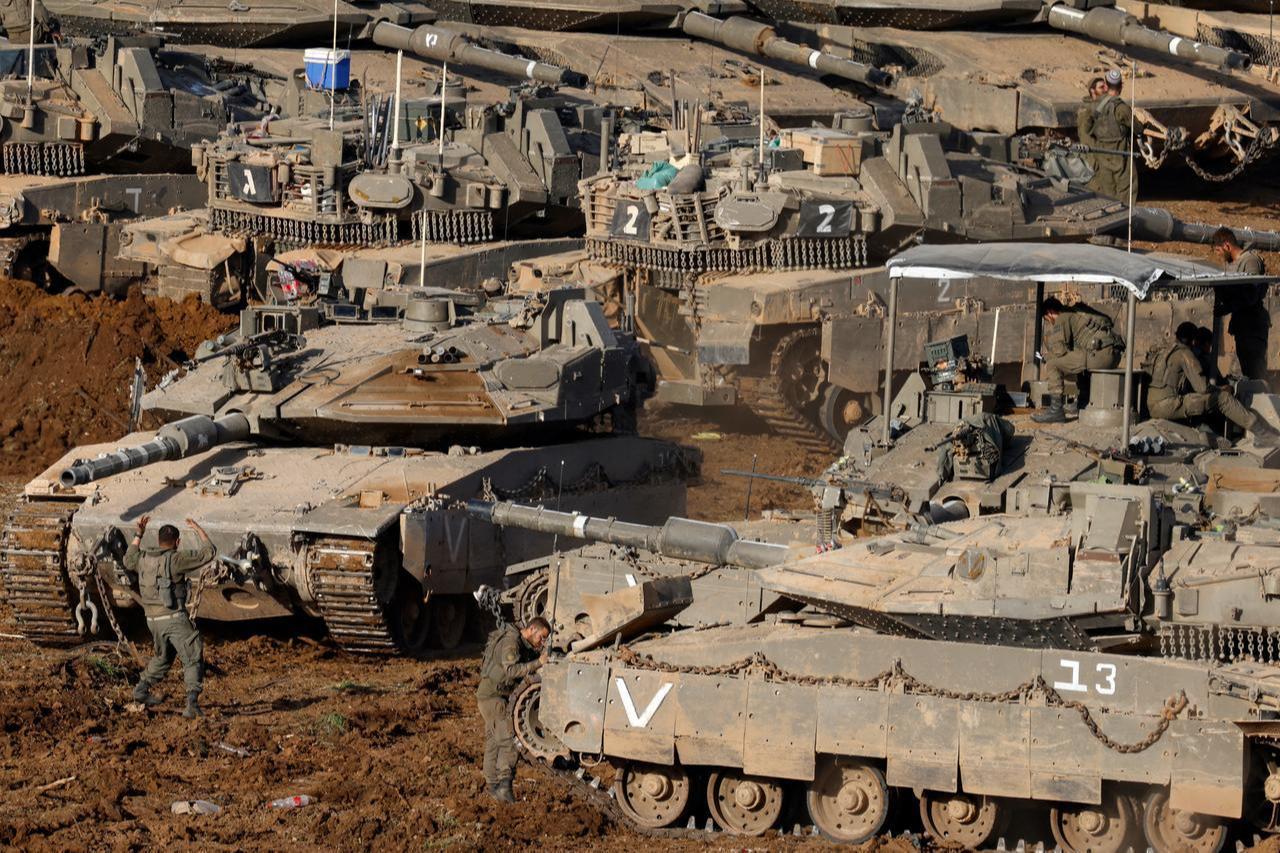
A military official told Reuters that Israeli ground troops are currently limiting their operations to areas near the existing border, far from the Litani, and declined to comment on Smotrich's remarks or any long-term government plans. Netanyahu's office did not immediately respond to a request for comment.
Smotrich frequently stakes out positions that go well beyond official Israeli policy. A self-described religious Zionist and West Bank settler, he has long advocated for territorial expansion and Israeli annexation of Palestinian lands. He also called on Monday for Israel to annex territory it now controls in the Gaza Strip, up to an armistice line established in an October ceasefire that left Israel in control of 53 percent of the enclave.

The territorial rhetoric came as Israeli military intensified operations across southern Lebanon. Over the weekend, Israel struck a main bridge linking the south with the rest of the country after ordering its military to destroy all crossings over the Litani River and step up the demolition of homes near the border.
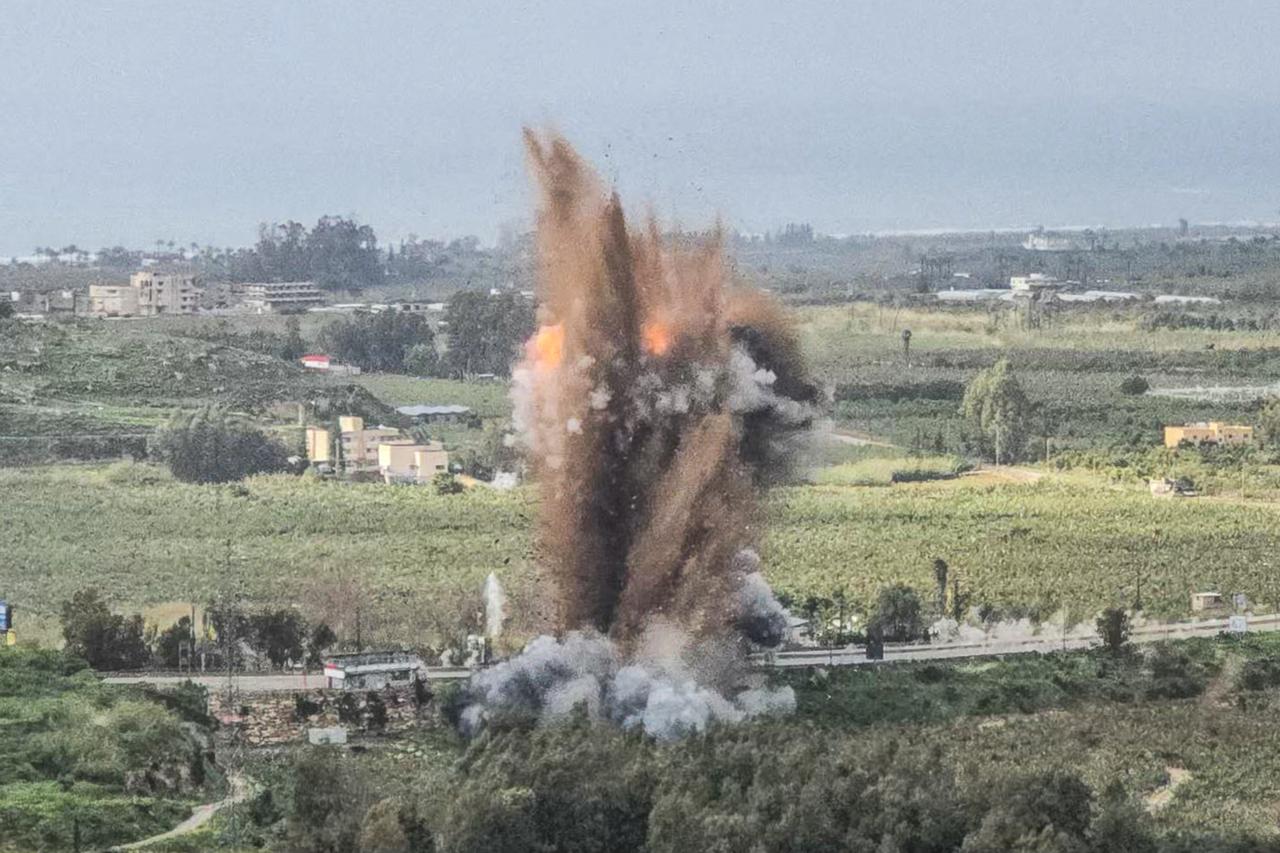
On Monday, Israeli strikes hit two more crossings on the Litani, a road near a main bridge struck the previous day and a smaller bridge on another section of the river. The military also issued evacuation orders for seven neighbourhoods in Beirut's southern suburbs and said it would continue striking Hezbollah targets with "increasing force."
The systematic destruction of river crossings is steadily cutting off communities south of the Litani from the rest of Lebanon. Hanna Amil, mayor of the Christian border town of Rmeish, whose residents have refused to leave their homes, said movement is becoming increasingly restricted. "Once or twice a week, a convoy from the Lebanese army accompanies us as we try to get basic goods from nearby areas," he said, adding that the town already lacks state electricity, water and adequate diesel supplies. "If all the routes to the north get cut off, who knows what the future could hold for us."
International law generally prohibits militaries from targeting civilian infrastructure. The United Nations human rights chief has criticised Israel's actions in Lebanon, particularly its use of widespread evacuation orders. The Israeli military maintains the evacuations are intended to protect civilians from strikes against Hezbollah.
A separate Israeli attack in Beirut on Monday killed a commander of the elite Quds Force of Iran's Revolutionary Guards, according to the Israeli military. The strike underscored the expanding scope of Israel's campaign, which has moved beyond targeting Hezbollah to hit Iranian military assets on Lebanese soil.
Lebanon was drawn into the wider regional conflict on March 2, when Hezbollah fired missiles into Israel. Since then, Israel has ordered all residents to leave the area south of the Litani, treating it as a Hezbollah stronghold, and has pummelled the region with air strikes. Lebanese authorities say the Israeli air and ground campaign has killed more than 1,000 people and driven more than one million from their homes.
The Lebanese government has outlawed Hezbollah's military activity and said it wants to engage in direct talks with Israel. A Lebanese official told Reuters that Beirut is still counting on foreign powers to pressure Israel into ending the war, through an offer from President Joseph Aoun to hold direct negotiations.


 Set as preferred source
 Set as preferred source


 2 min read
 1 min read