Newsletters


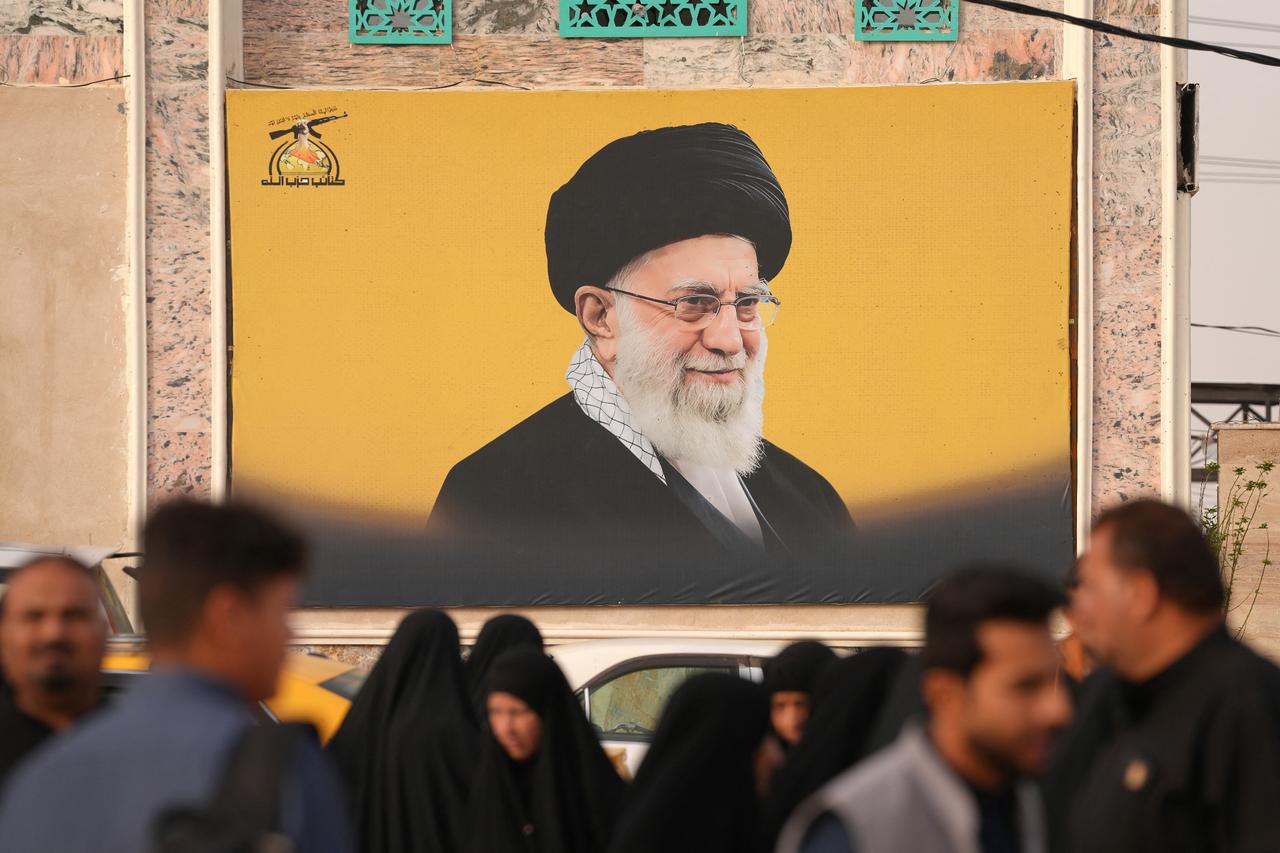


Israeli Prime Minister Benjamin Netanyahu urged President Donald Trump to authorize a joint strike on Supreme Leader Ali Khamenei just 48 hours before Operation Epic Fury, calling it a "once-in-a-lifetime" opportunity, according to a Reuters report on the war’s origins.
U.S. Central Command (CENTCOM) disclosed it has struck more than 9,000 targets inside Iran.
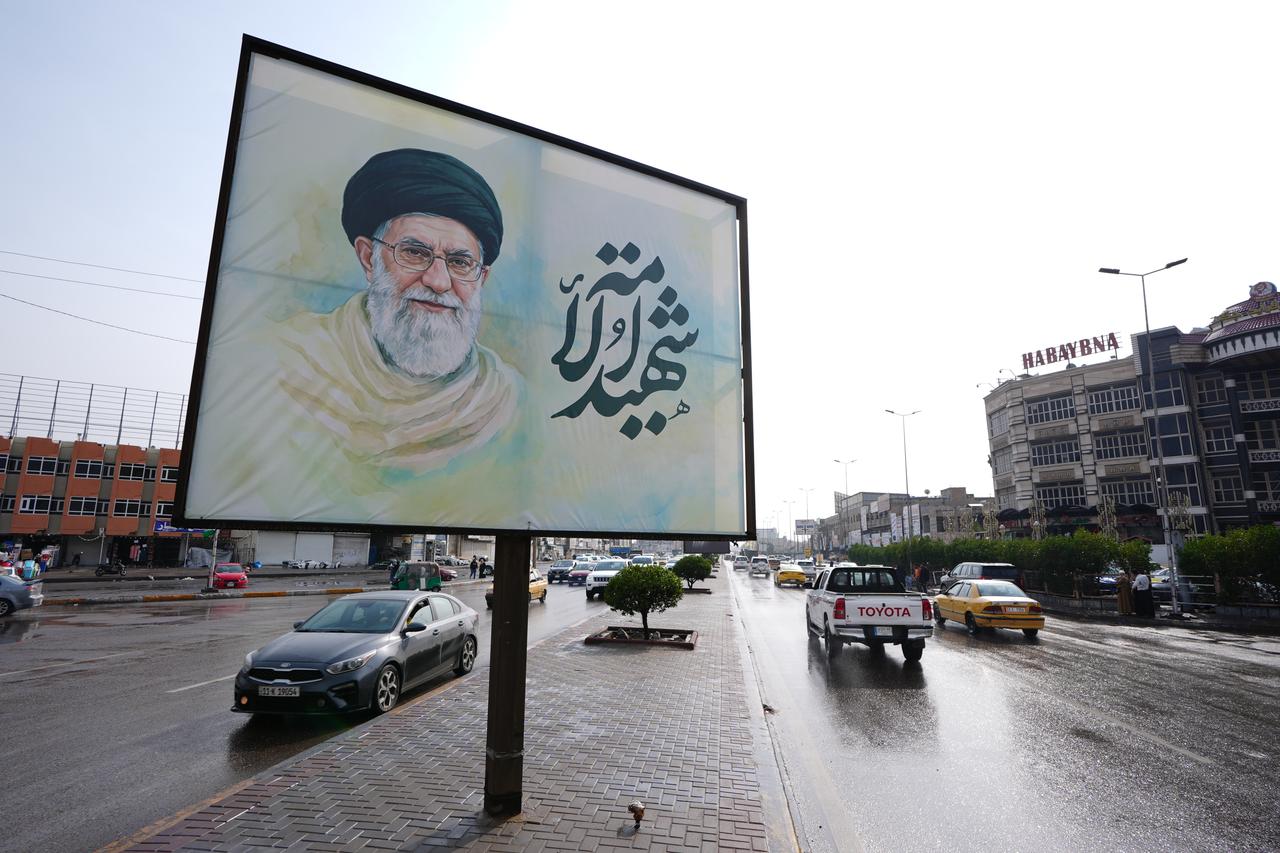

Three people briefed on the call told Reuters that Netanyahu argued there might never be a better chance to kill Khamenei and to avenge Iranian efforts to assassinate Trump, including a 2024 murder-for-hire plot allegedly orchestrated by Tehran.
New intelligence had revealed Khamenei's meeting with top lieutenants at his compound had been moved forward to Saturday morning from Saturday night, making a decapitation strike viable.
"By the time the call took place, Trump had already approved the idea of a military operation against Iran but had not yet decided when or under what circumstances the U.S. would get involved," the sources said.
Trump ordered the military on Feb. 27 to move ahead with Operation Epic Fury.
The first bombs struck on Saturday morning, Feb. 28. Trump announced that evening that Khamenei was dead.
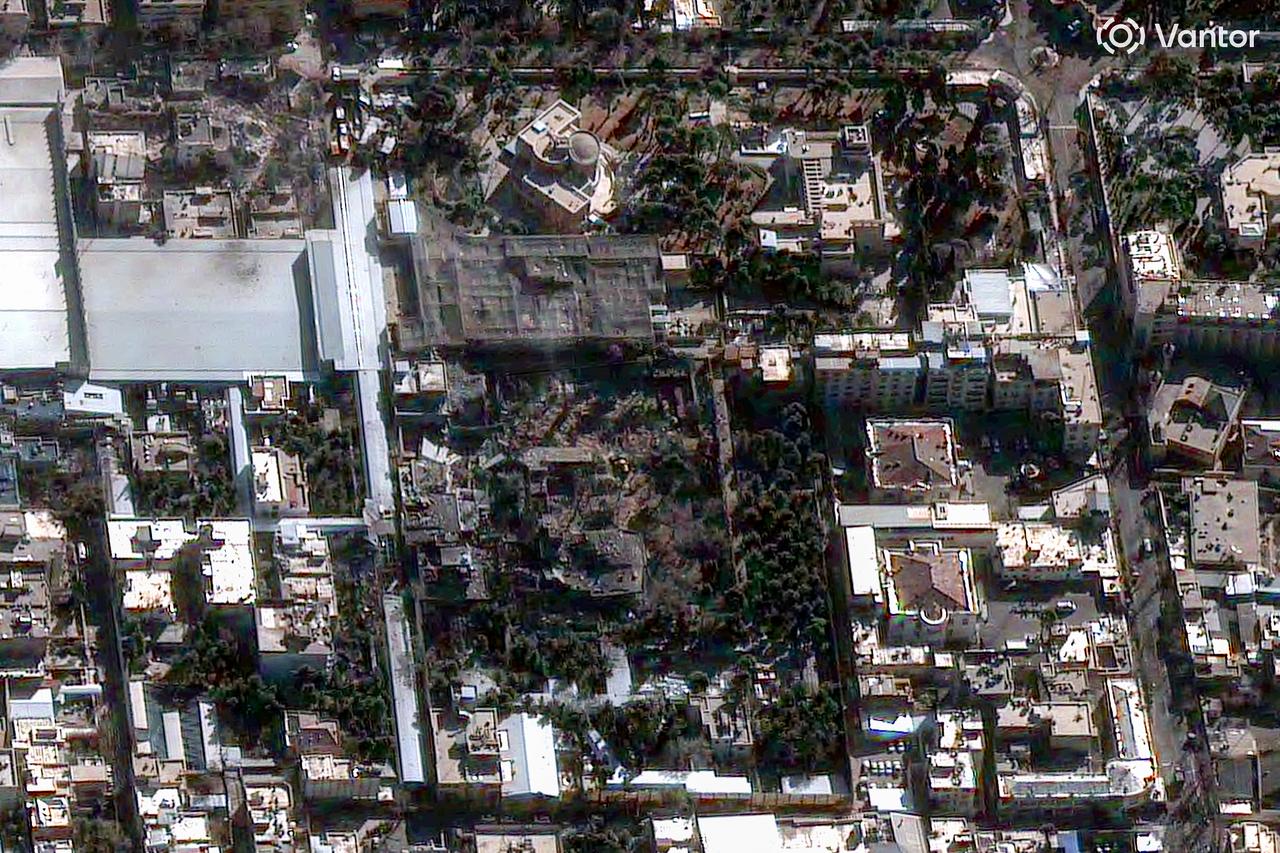
Reuters said the reporting does not suggest Netanyahu forced Trump into war, but it "shows that the Israeli leader was an effective advocate and that his framing of the decision, including the opportunity to kill an Iranian leader who allegedly had overseen efforts to kill Trump, was persuasive to the president."
Netanyahu dismissed claims of Israeli pressure at a press conference on Thursday, saying, "Does anyone really think that someone can tell President Trump what to do? Come on."
Trump has stated publicly that the decision to strike was his alone.
White House spokeswoman Anna Kelly told Reuters the operation was designed to "destroy the Iranian regime's ballistic missile and production capacity, annihilate the Iranian regime's Navy, end their ability to arm proxies, and guarantee that Iran can never obtain a nuclear weapon."
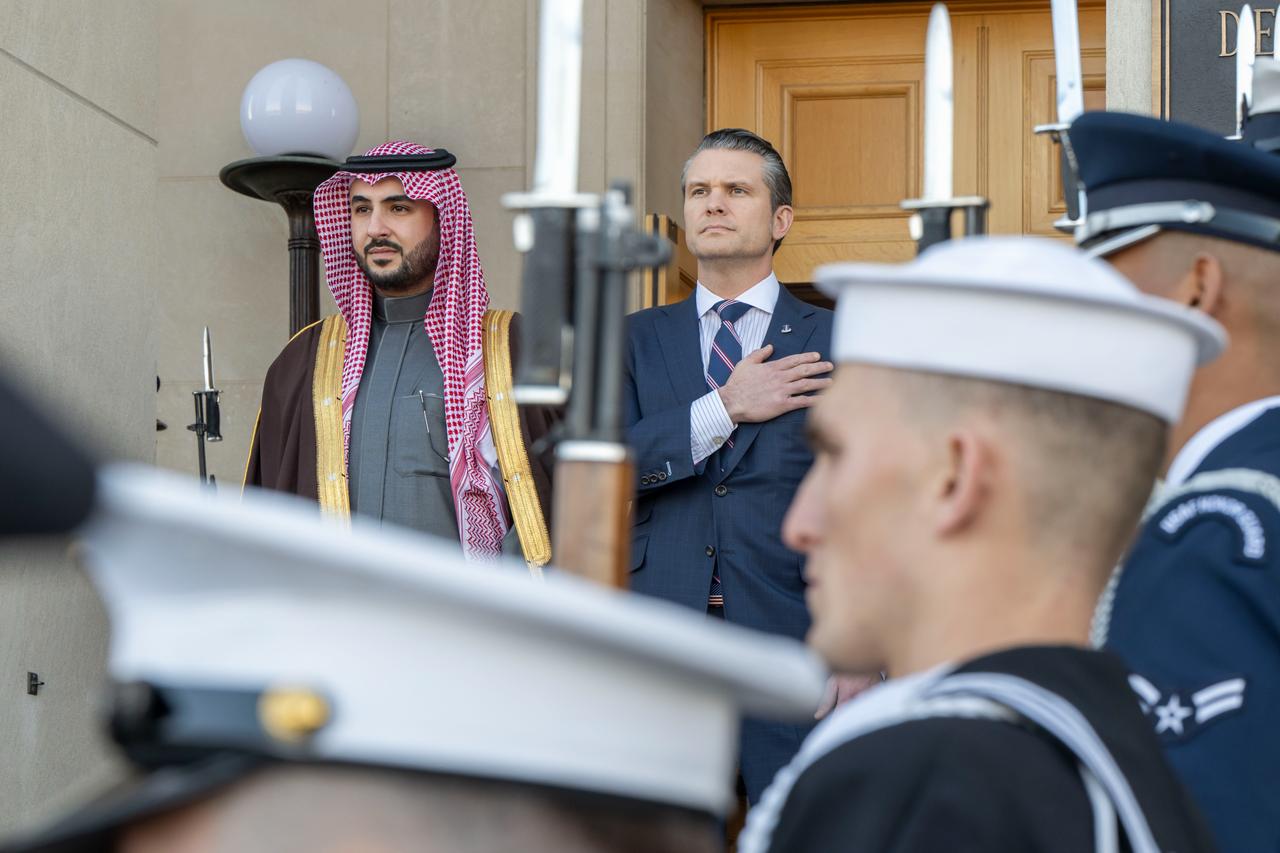
Defense Secretary Pete Hegseth in early March said, "Iran tried to kill President Trump, and President Trump got the last laugh."
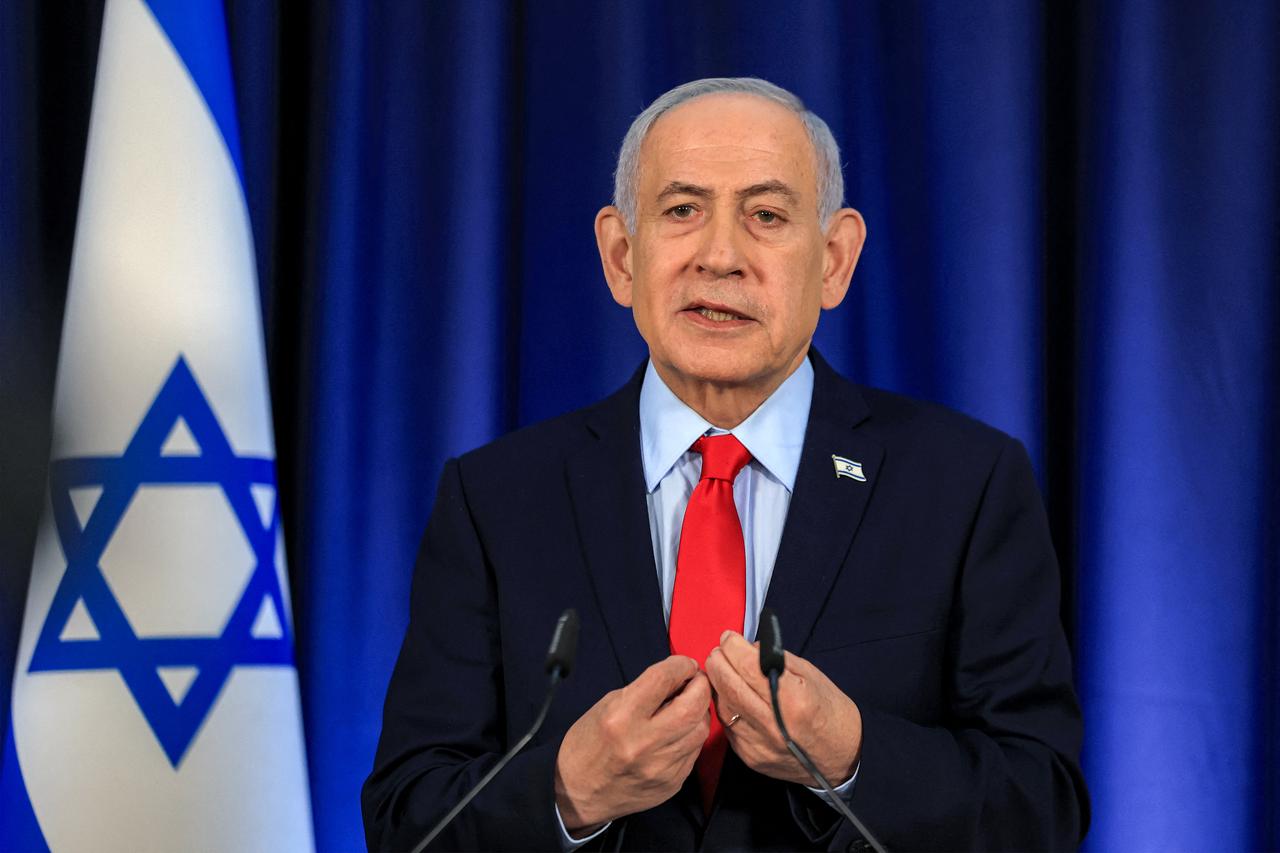
Reuters reported that as nuclear talks with Iran failed to produce a deal in spring 2025, Trump began contemplating a strike.
In June, Israel bombed Iran's nuclear facilities and missile sites and killed several Iranian leaders. U.S. forces later joined for 12 days.
During a December visit to Mar-a-Lago, Netanyahu told Trump he was not fully satisfied with the June outcome. Trump indicated he was open to another bombing campaign but wanted to try diplomacy first.
 1 min read
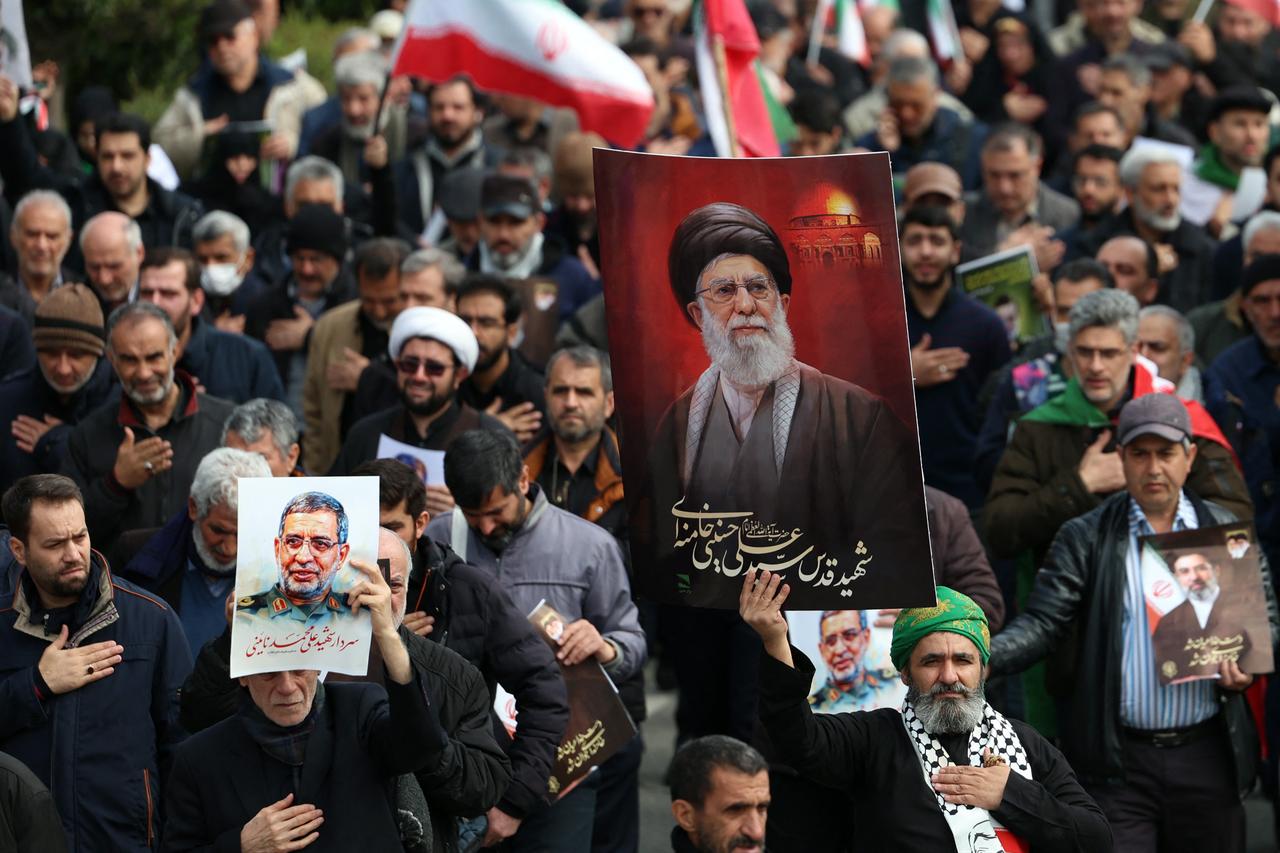
Two events then pushed Trump toward attacking again: the Jan. 3 U.S. operation capturing Venezuela's President Nicolas Maduro with no American deaths, which demonstrated the viability of ambitious military operations; and massive anti-government protests in Iran that month, met with a vicious Islamic Revolutionary Guard Corps (IRGC) crackdown killing thousands.
During a February visit to Washington, Netanyahu briefed Trump on Iran's growing ballistic missile program, pointing to specific sites of concern and highlighting the risk that Iran could eventually gain the ability to strike the American homeland.
Secretary of State Marco Rubio told a small group of top Congressional leaders on Feb. 24 that Israel was likely to attack Iran whether or not the U.S. participated, and that Iran would then retaliate against U.S. targets.
American intelligence assessed that such an attack would provoke Iranian counterstrikes against U.S. diplomatic and military posts and Gulf allies, a prediction that has proved accurate.
The CIA had separately assessed in the weeks before the war that if Khamenei was killed, he would likely be replaced by an "internal hardliner."
Mojtaba Khamenei, considered even more harshly anti-American than his father, has since been named the new Supreme Leader.
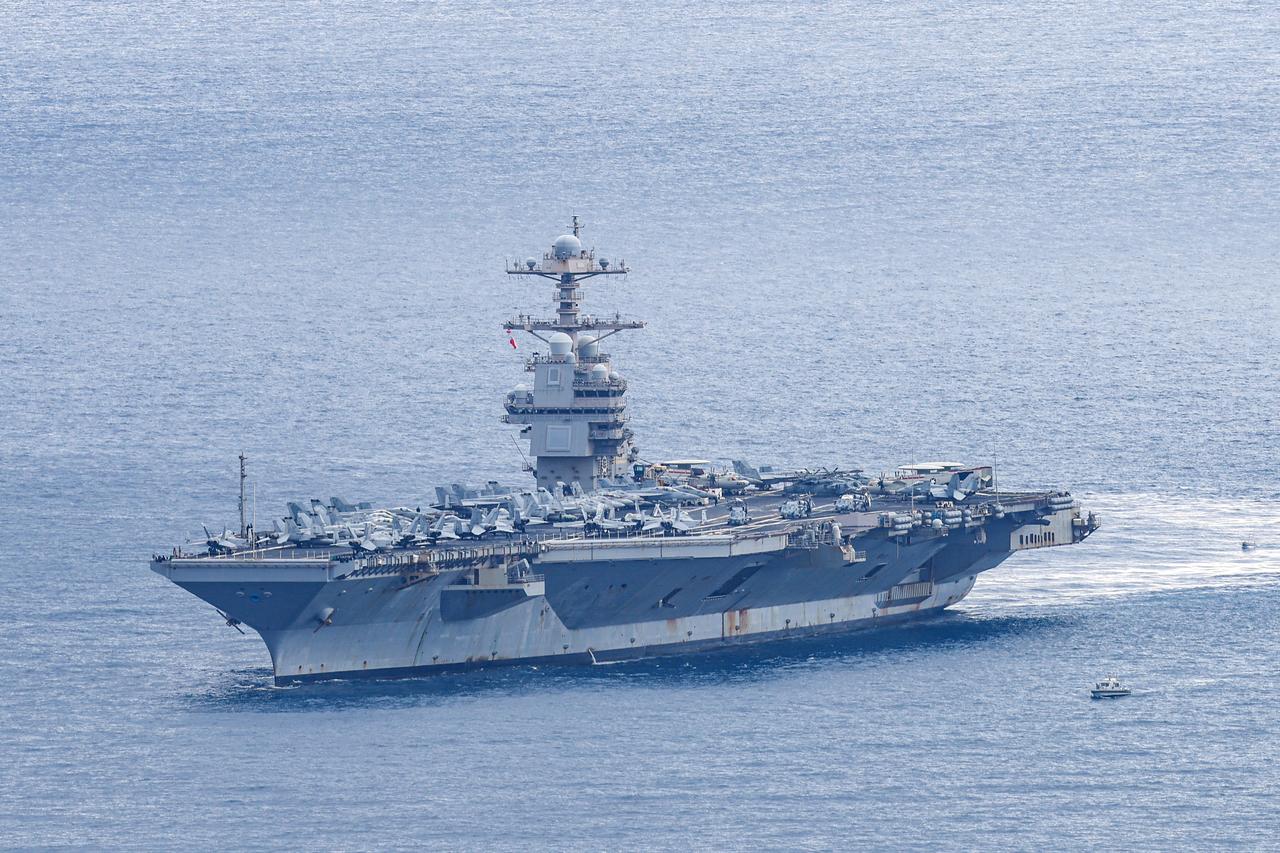
CENTCOM stated Tuesday it has struck more than 9,000 targets inside Iran since the operation began, according to a Central Command fact sheet.
The U.S. has damaged or destroyed more than 140 vessels.
The military said a wide range of air, naval and ground systems have been employed, including strategic bombers, fighter aircraft, drones and missile defense systems.
A total of 13 U.S. service members have been killed and approximately 200 others injured since the operation began.
Regional escalation has continued to flare since the U.S. and Israel launched a joint offensive on Iran on Feb. 28, killing so far over 1,340 people, including then-Supreme Leader Ali Khamenei.
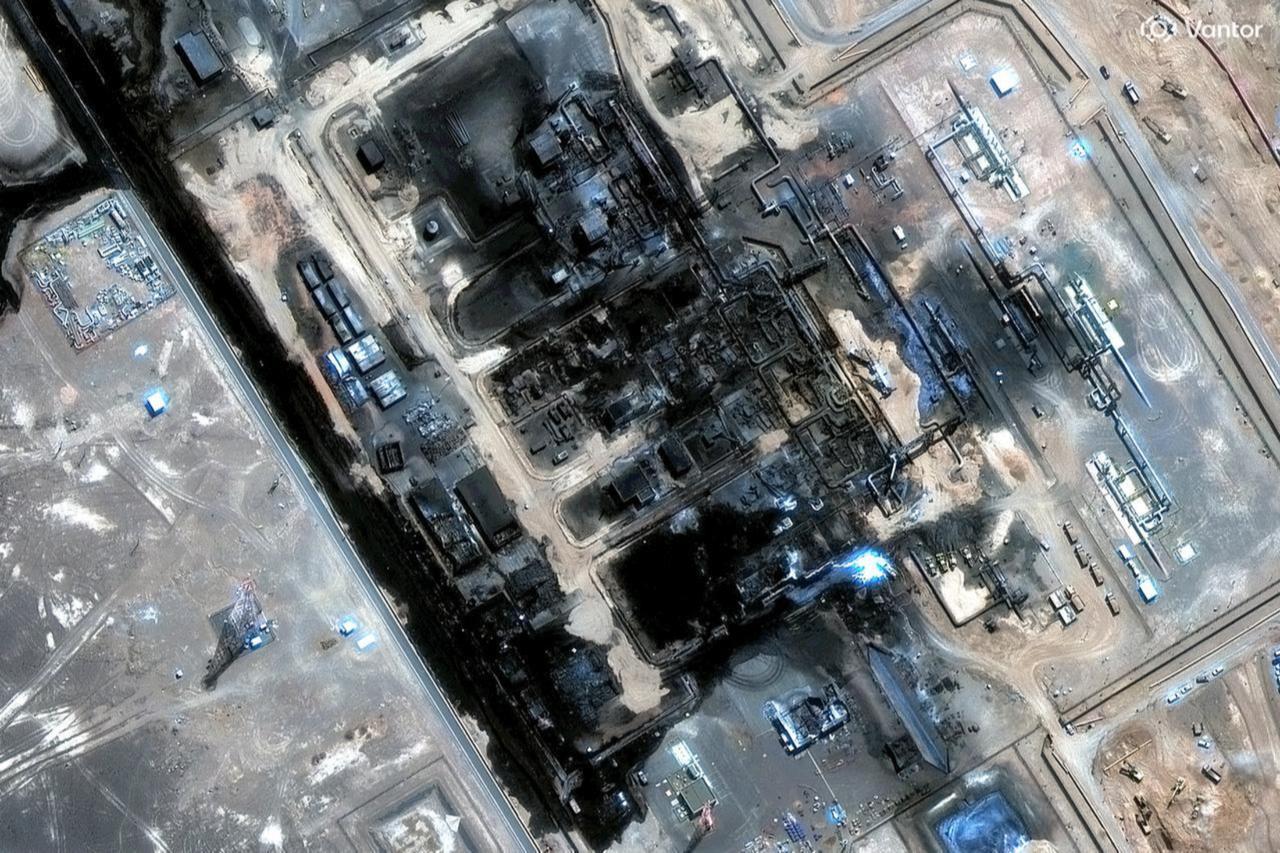
Tehran has retaliated with drone and missile strikes targeting Israel, along with Jordan, Iraq, and Gulf countries hosting U.S. military assets, causing casualties and damage to infrastructure while disrupting global markets and aviation.


 Set as preferred source
 Set as preferred source


 1 min read