Newsletters


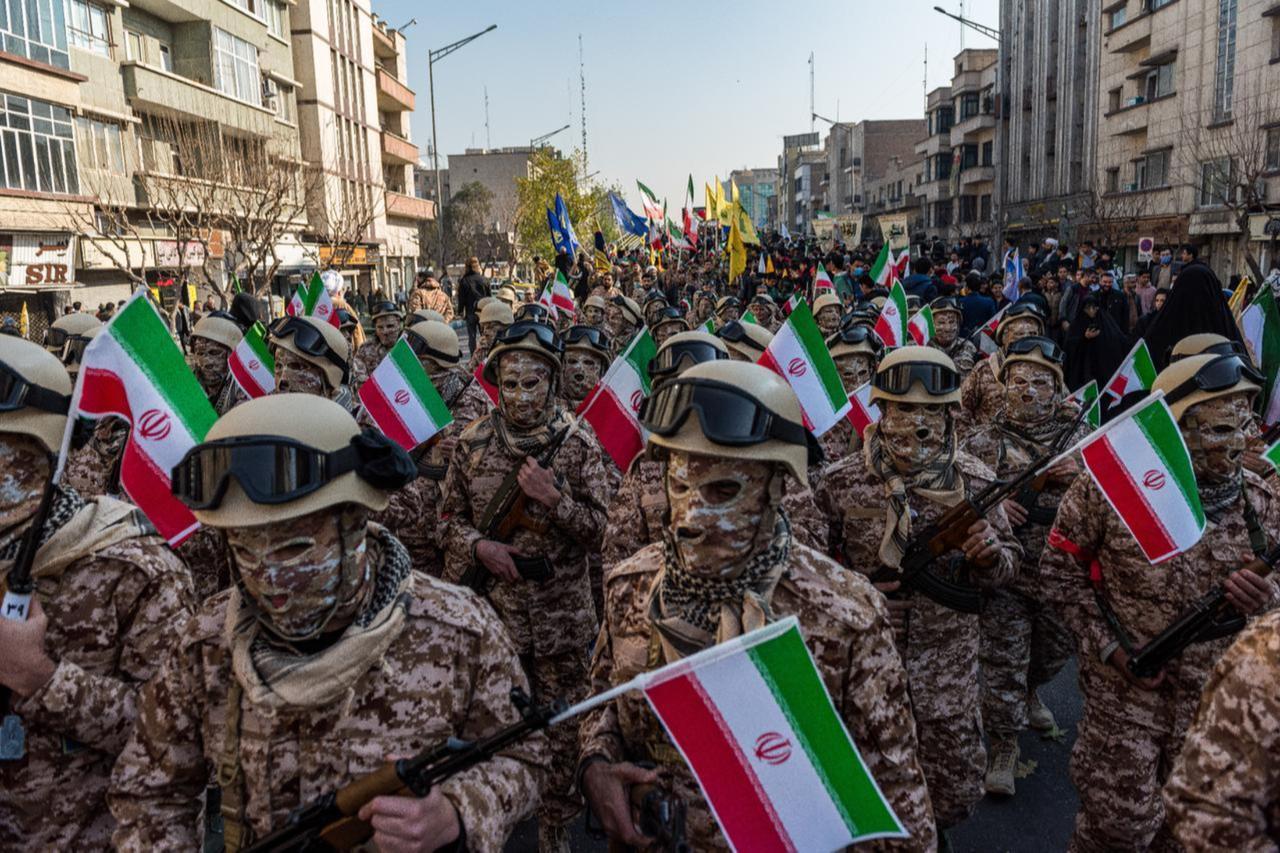


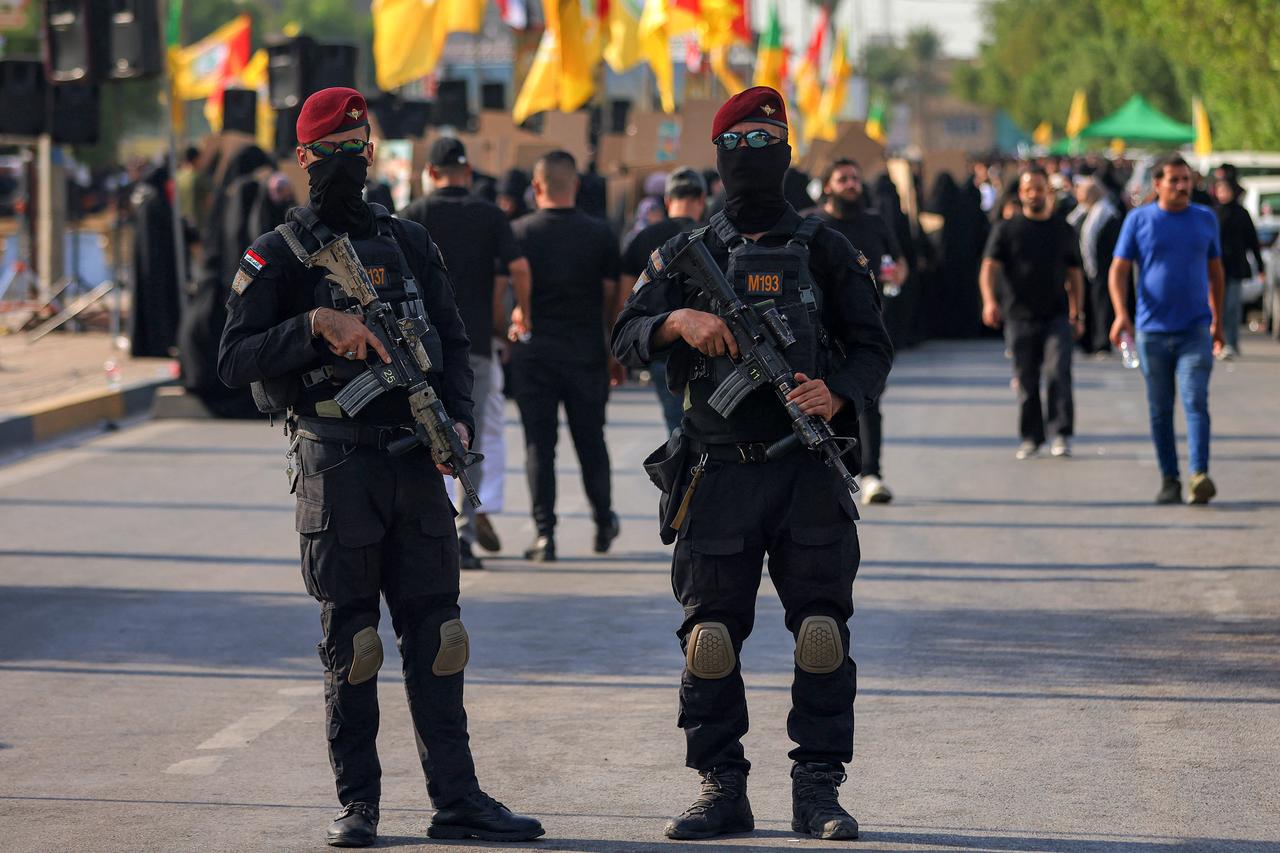
Iran's Revolutionary Guard Corps began a series of military exercises in the Strait of Hormuz on Monday, flexing military muscle on the eve of a new round of nuclear negotiations between Tehran and Washington in Geneva.
The exercises, launched from Abu Musa Island, Iran's southernmost territorial point in the Persian Gulf, represent a pointed display of force at a moment of intensifying confrontation between the two longtime adversaries. The drills come as the United States has significantly expanded its naval presence in the region, a buildup that President Donald Trump has described as an "armada."
State television reported that the exercises, overseen by IRGC ground forces chief General Mohammad Pakpour, are designed to prepare the Guards for "potential security and military threats" in the strategic waterway. The duration of the drills was not disclosed.
Pakpour said forces had constructed "a strong fortress all around the island," according to state TV, and Iranian media reported that the exercises are intended to sharpen the IRGC's ability to mount a rapid response to perceived threats. State media also indicated that island-based units in the Gulf are capable of operating independently from the Iranian mainland, with missile systems that can reportedly strike targets within a 1,000-kilometre radius.
A blurred video of a drone was broadcast, though operational specifics remained classified.
The IRGC functions as the ideological arm of Iran's military and has long served as the country's primary instrument for projecting power in the Gulf. The Strait of Hormuz, a narrow passage between Iran and the Arabian Peninsula, is one of the world's most critical energy chokepoints. According to the International Energy Agency, roughly a quarter of all seaborne oil and a fifth of global liquefied natural gas shipments pass through it. Iranian hardline politicians have repeatedly threatened to blockade the strait during periods of heightened tensions with Washington, though such a closure has never been carried out.
 1 min read

The military exercises were unfolding as Iranian and American negotiators prepared for a new round of talks in Geneva on Tuesday, with Oman serving as mediator. The two sides resumed negotiations on February 6 in Oman, their first engagement since diplomacy collapsed last June. That breakdown followed a 12-day war triggered by surprise Israeli strikes on Iran, which the United States briefly joined by targeting Iranian nuclear facilities.
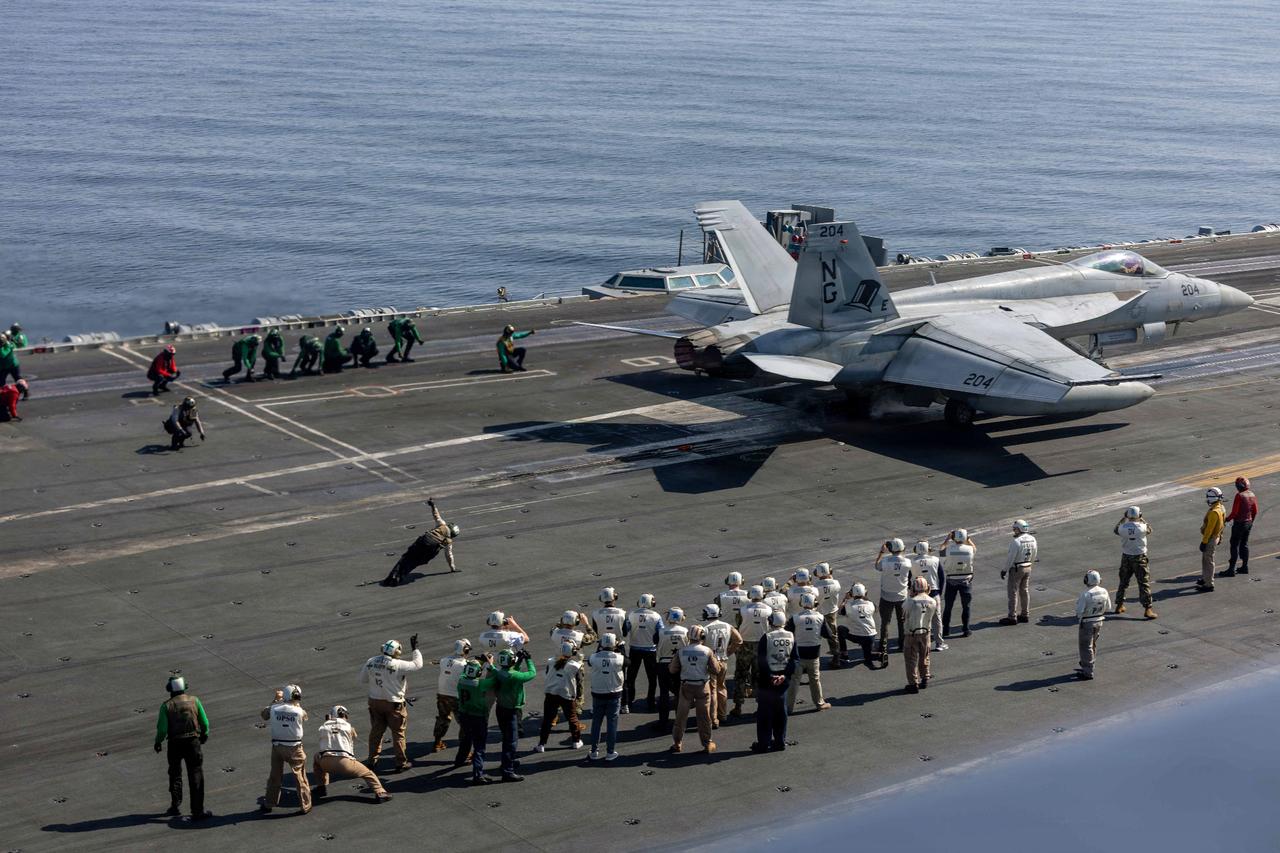
Trump has been pressing Tehran to reach a deal, backing his diplomatic overtures with a conspicuous military buildup. After dispatching the aircraft carrier USS Abraham Lincoln and its escort warships to the Gulf in January, Trump said on Friday that a second supercarrier, the Gerald R. Ford, would depart "very soon" for the Middle East.
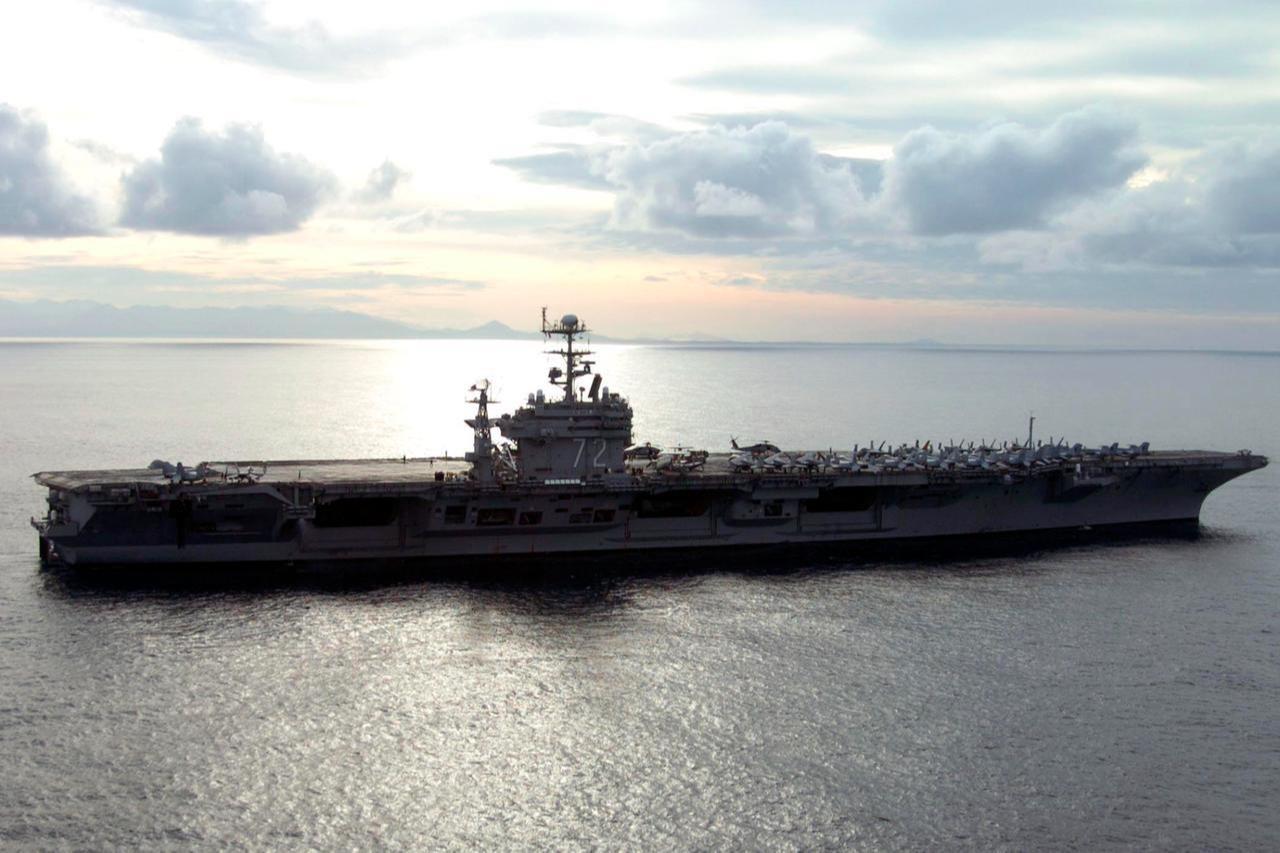

In a pointed message directed at the expanded foreign naval presence, IRGC navy official Mohammad Akbarzadeh warned on Monday that all foreign ships in the region are "under full intelligence surveillance and within the reach of our defence power."
"The armed forces are fully prepared, monitoring the enemy's movements and never ignoring threats," the state-run IRNA news agency reported him saying.
The simultaneous staging of military drills and diplomatic engagement reflects a familiar pattern in Iranian strategy: signaling resolve and military capability even while pursuing negotiation. The outcome of Tuesday's Geneva session may determine whether this latest chapter of brinkmanship tilts toward a breakthrough or further escalation.


 Set as preferred source
 Set as preferred source


 1 min read